Quadricycles
Quadricycles are compact four-wheel vehicles designed for short trips, tight streets, and low running costs. They bridge the gap between mopeds and passenger cars and are grouped into two key sub-classes: L6e (light quadricycle) and L7e (heavy quadricycle). Understanding these labels helps you choose the right vehicle for your routes, licence, and budget.
Quick definition
- L6e (light quadricycle): Limited to a 45 km/h top speed and 4 kW continuous power. Prioritizes simplicity, light weight, and low purchase price.
- L7e (heavy quadricycle): Allows up to 15 kW of continuous power and can exceed 45 km/h, offering more flexibility for mixed urban and suburban use.
L6e: Light quadricycles (the 45 km/h class)
Core limits to know
- Max speed: 45 km/h
- Max power: 4 kW (continuous)
- Typical weight caps: around 350 kg unladen or about 425 kg mass-in-running-order (terms vary by authority)
Real-world use
- Short inner-city trips (3–10 km each way)
- Neighborhood school runs and errands
- Teen drivers where local rules allow
- Lowest purchase and insurance costs in the segment
Example models
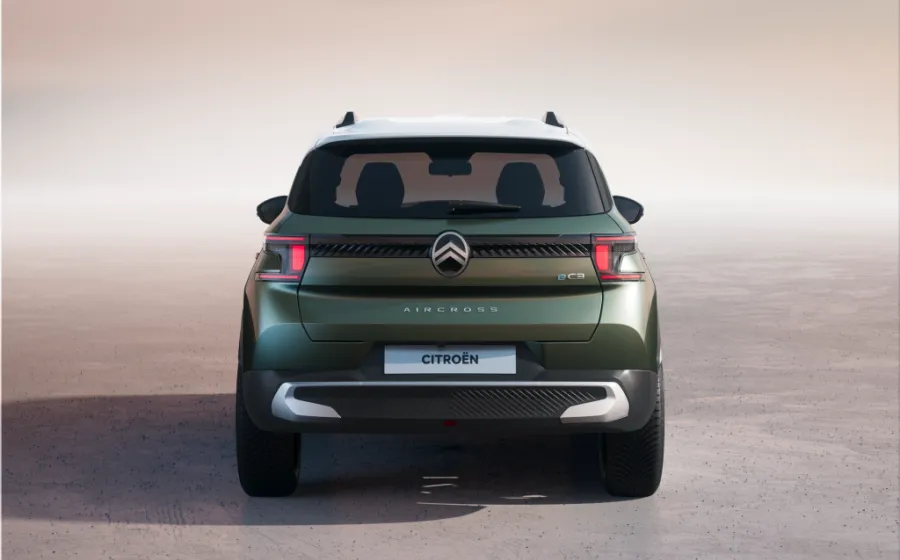
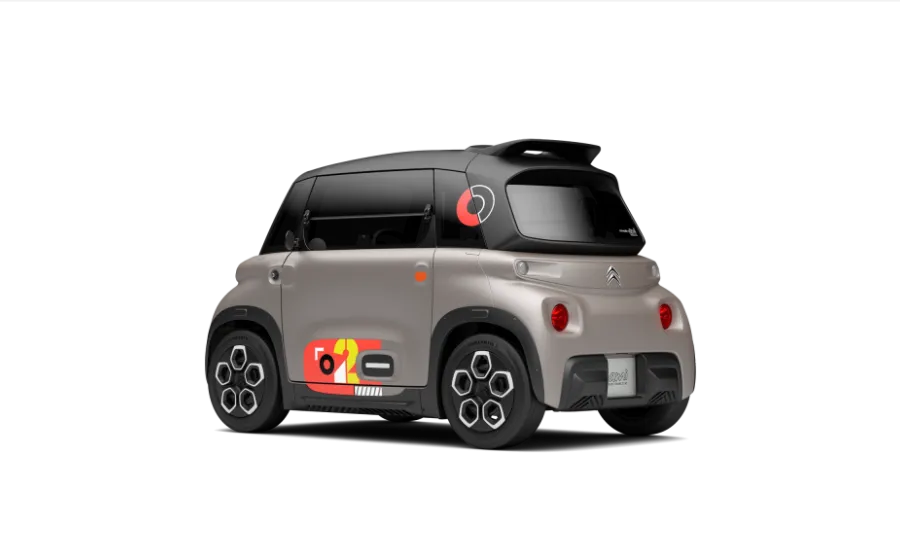
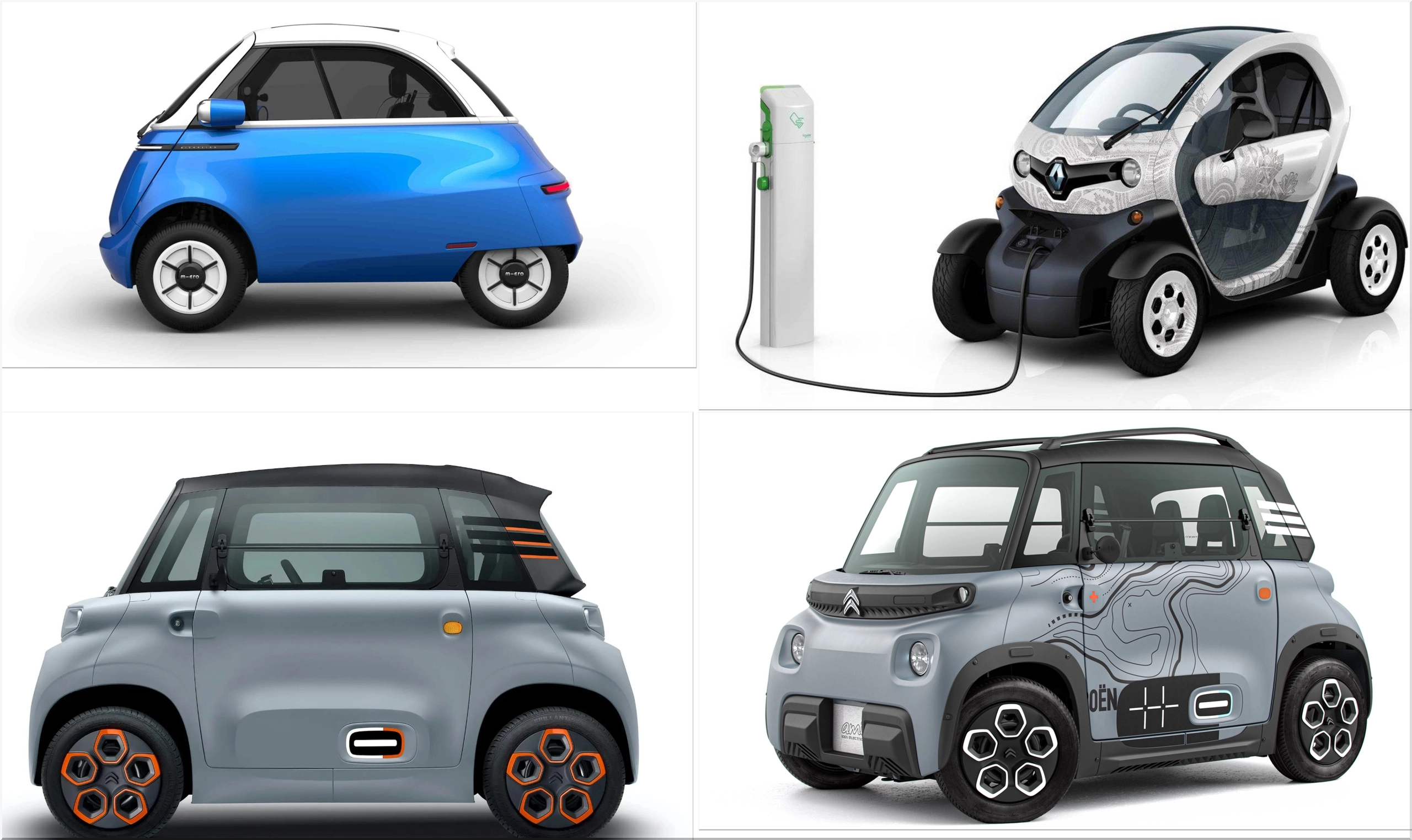
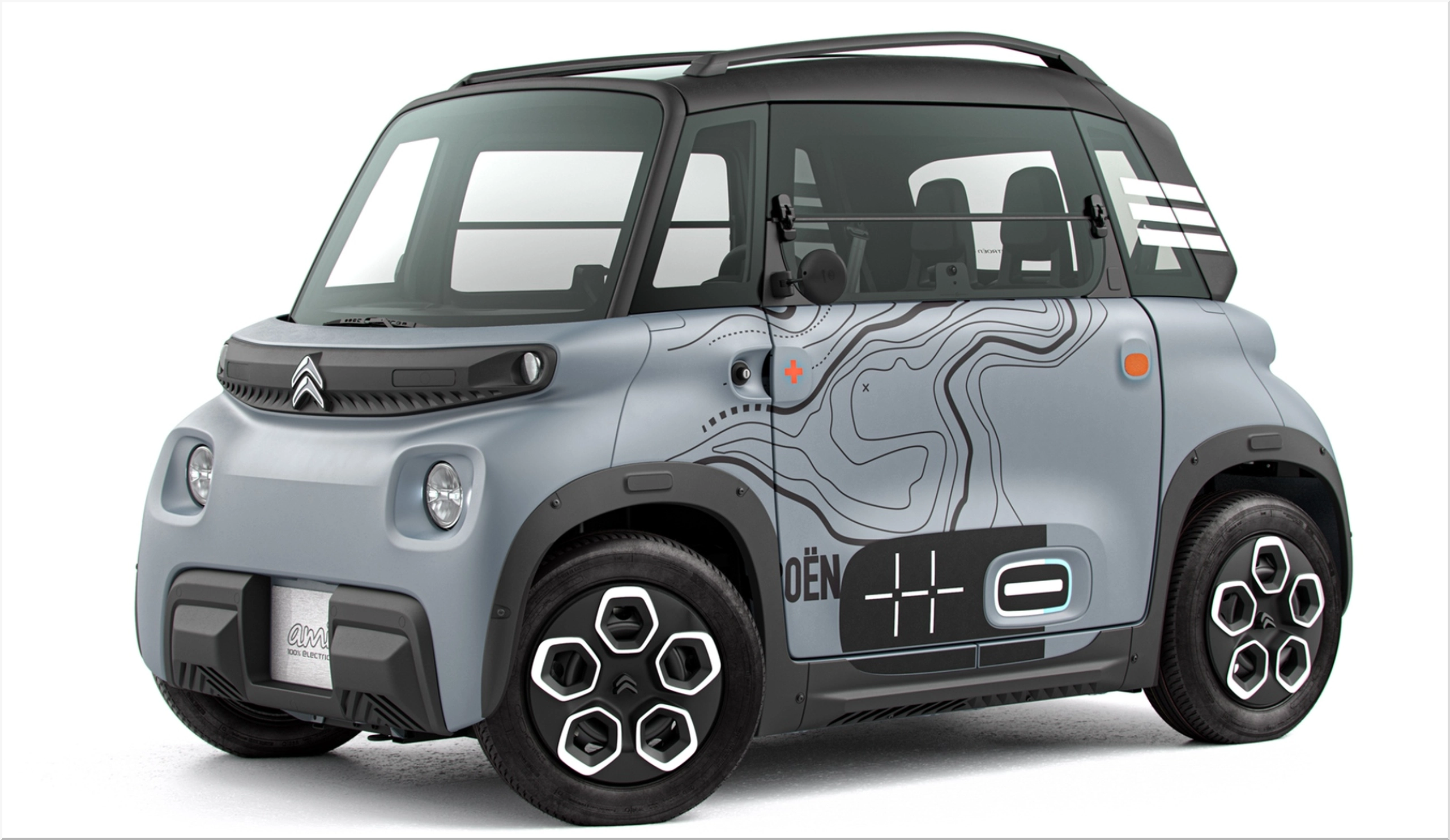
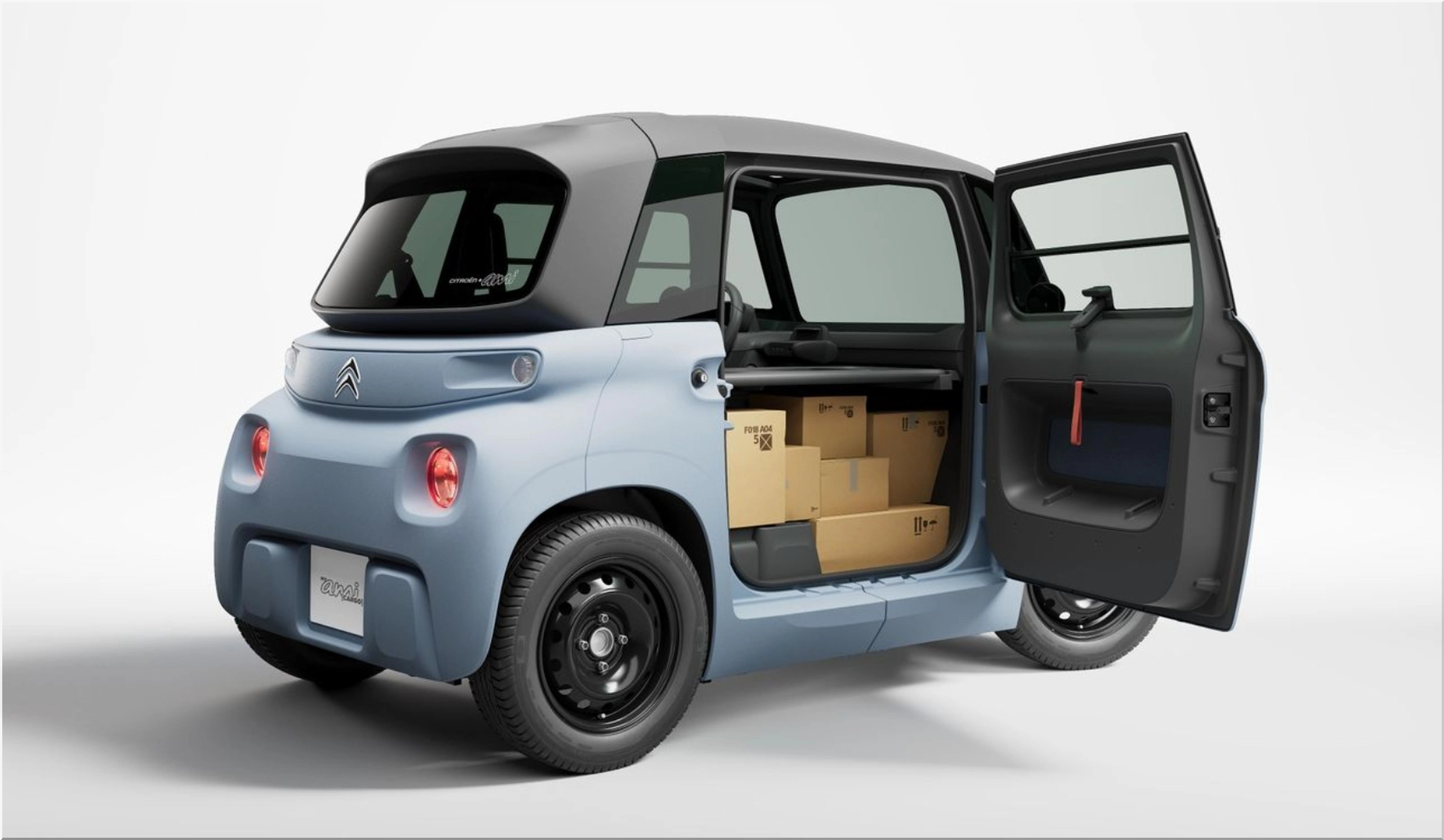
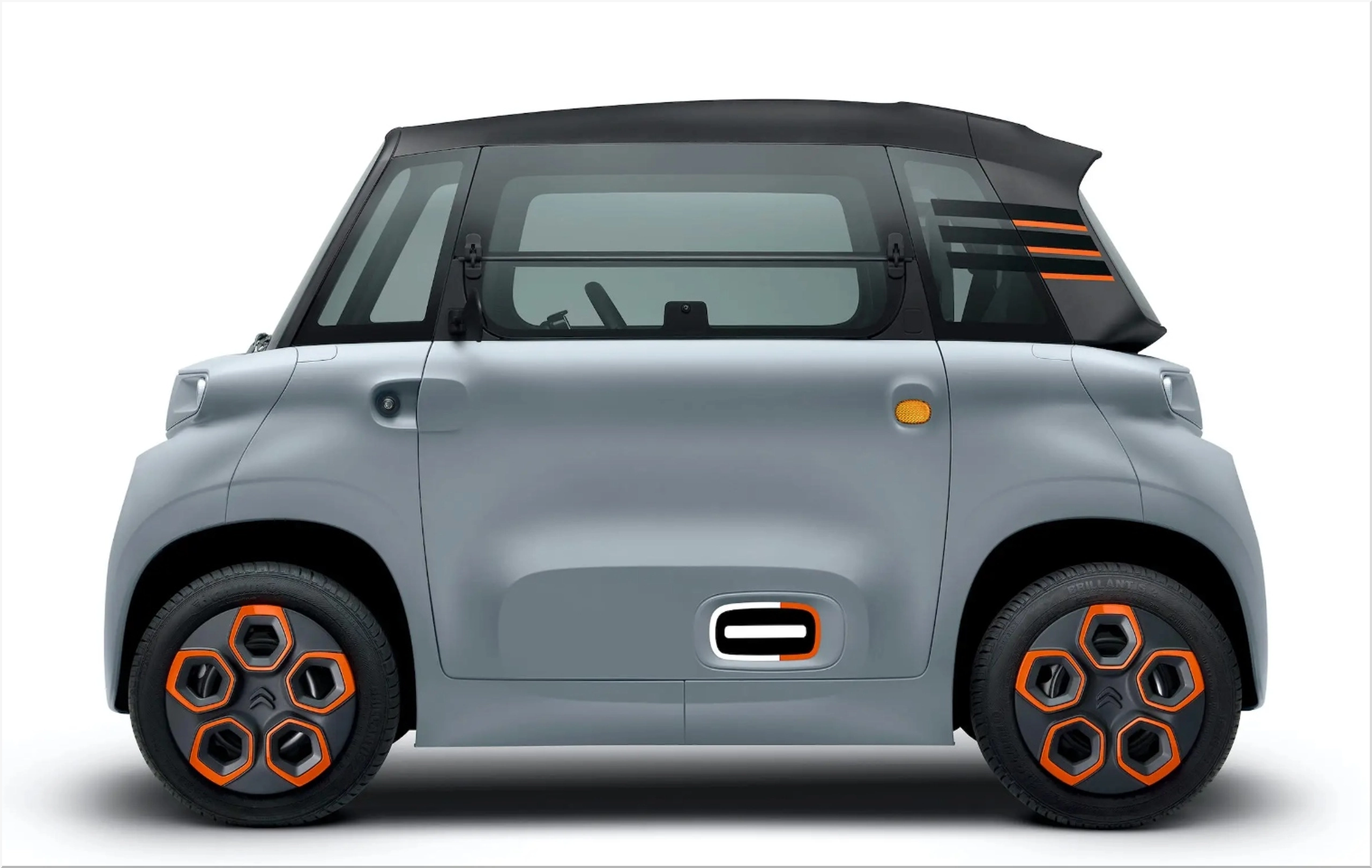
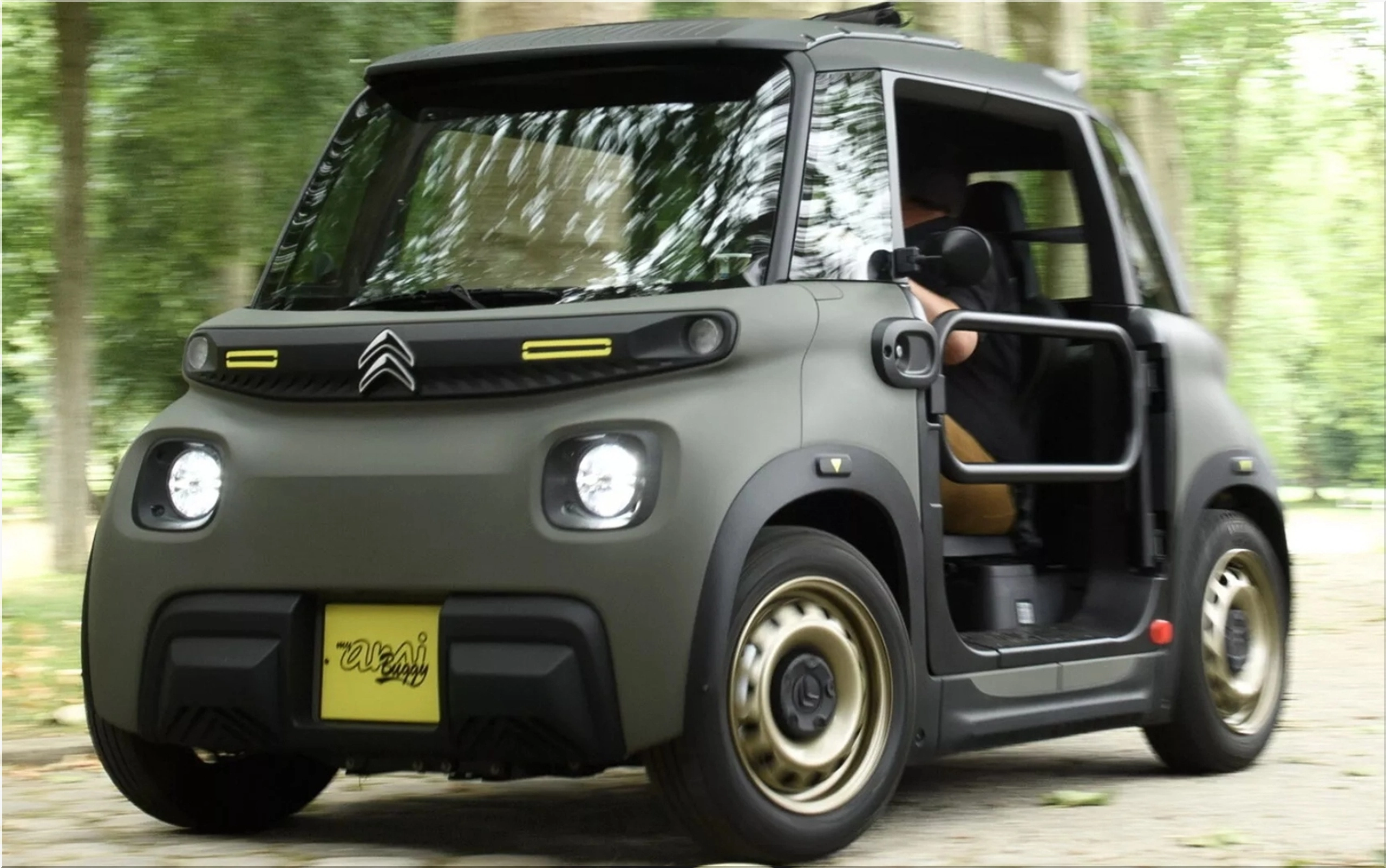
- Citroën Ami (electric, 45 km/h)
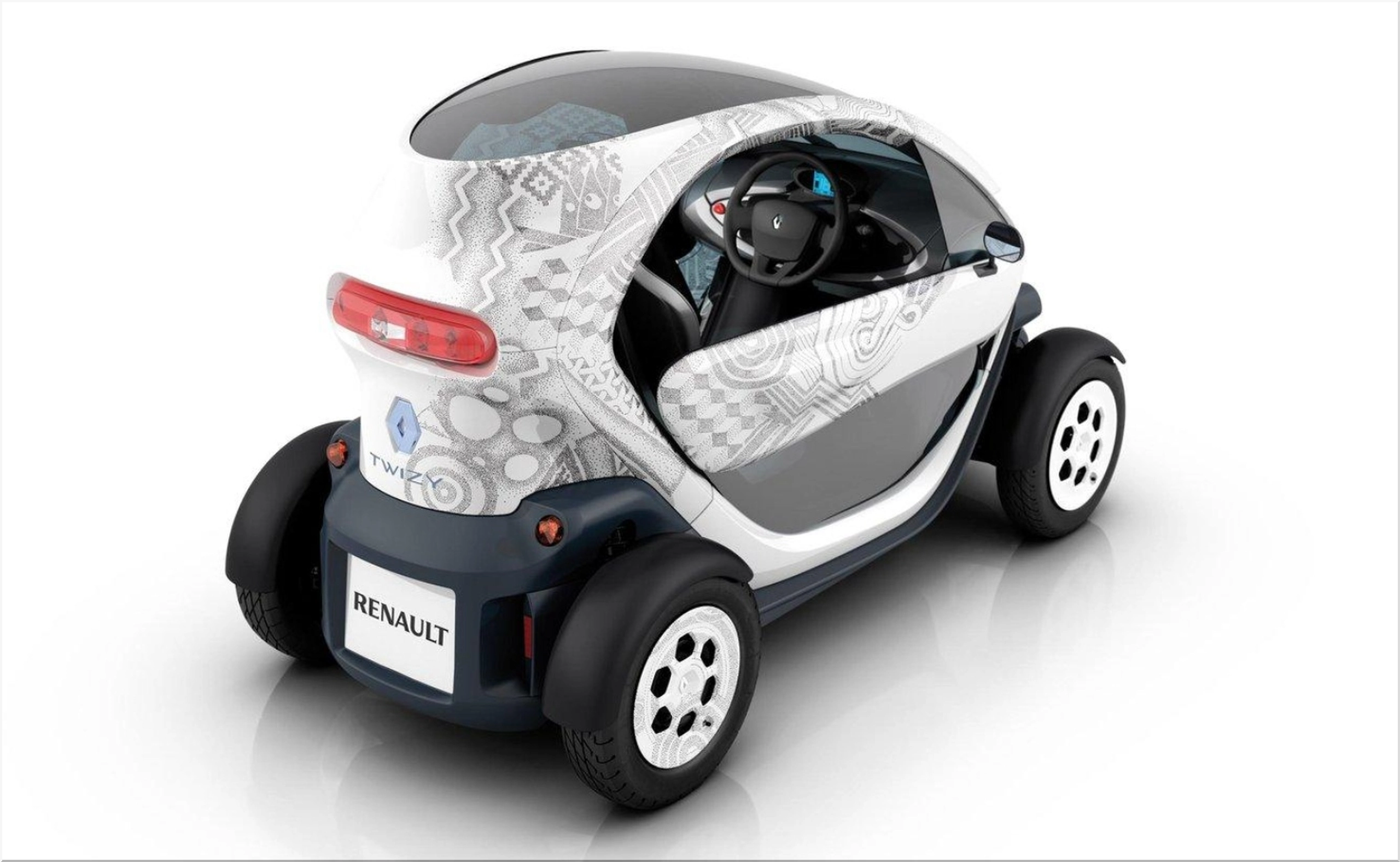
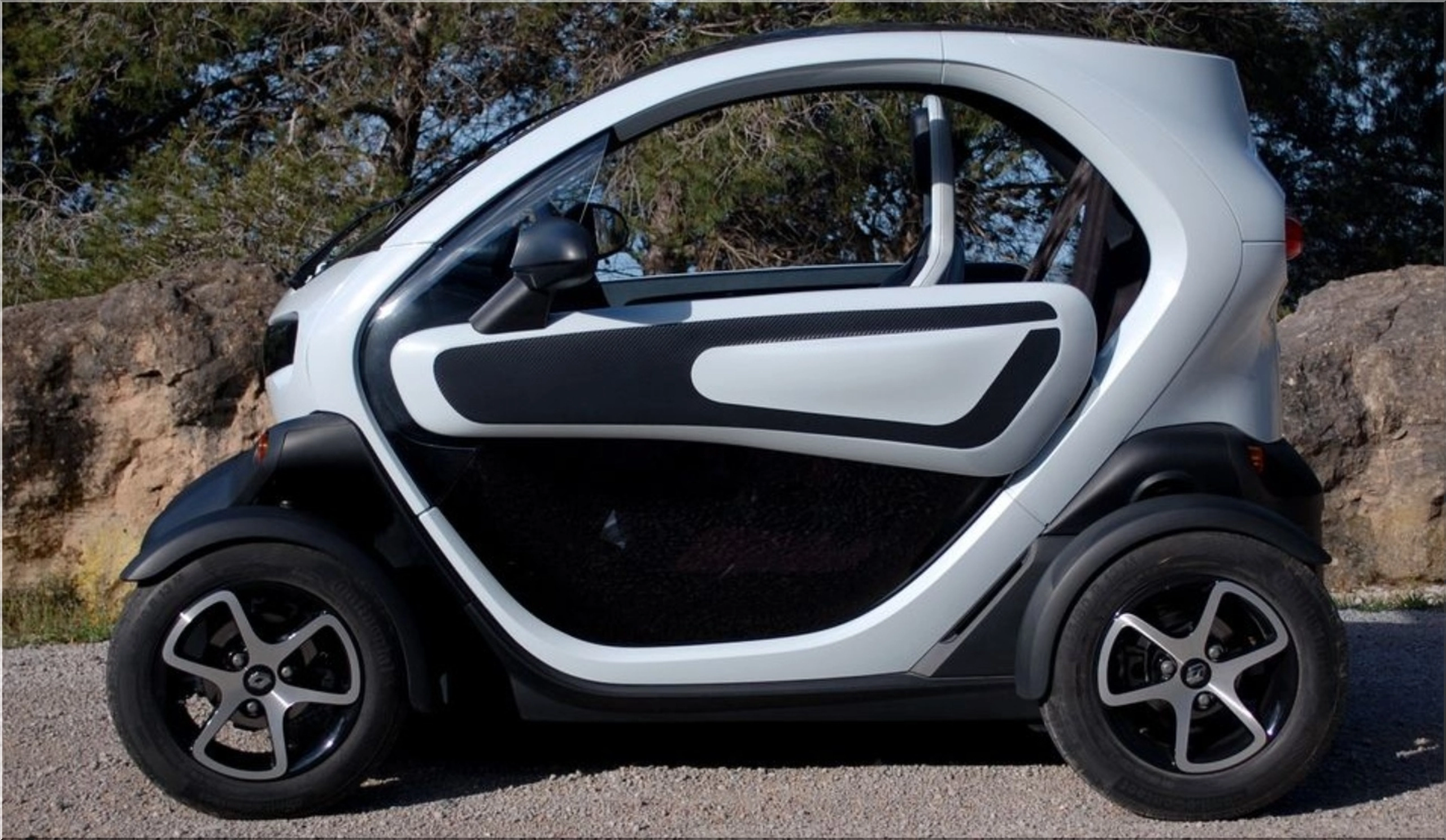
- Renault Twizy 45
L7e: Heavy quadricycles (up to 15 kW)
Core limits to know
- Max power: 15 kW (continuous)
- Speed: Not bound by the 45 km/h cap; many models are faster
- Typical weight caps: about 400–450 kg unladen for passenger variants (up to 550 kg for goods versions)
Real-world use
- Faster city corridors and short suburban links
- Daily commutes with occasional higher-speed connectors (where permitted)
- Higher comfort options and stronger acceleration than L6e
Example models
- Renault Twizy 80
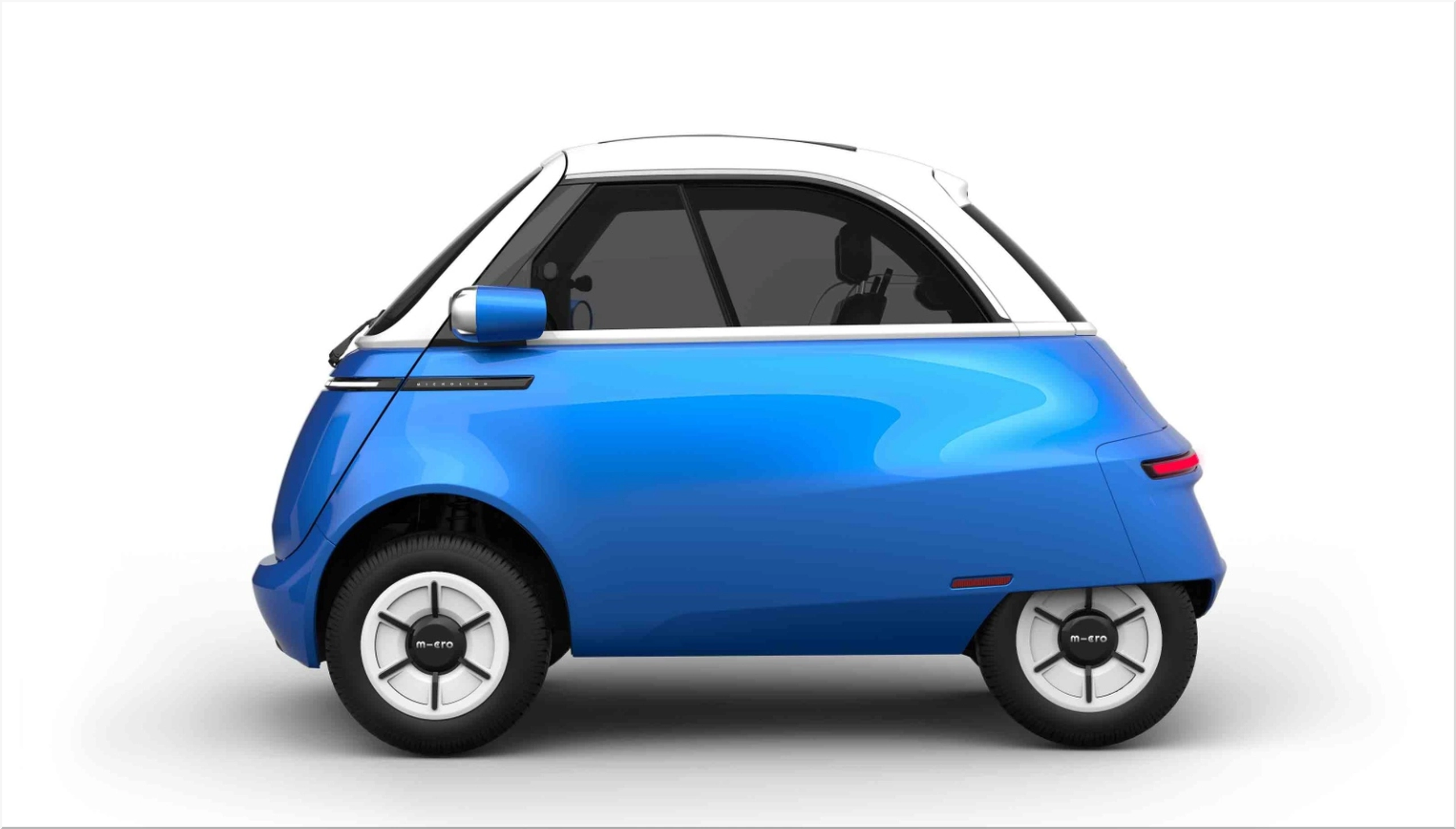
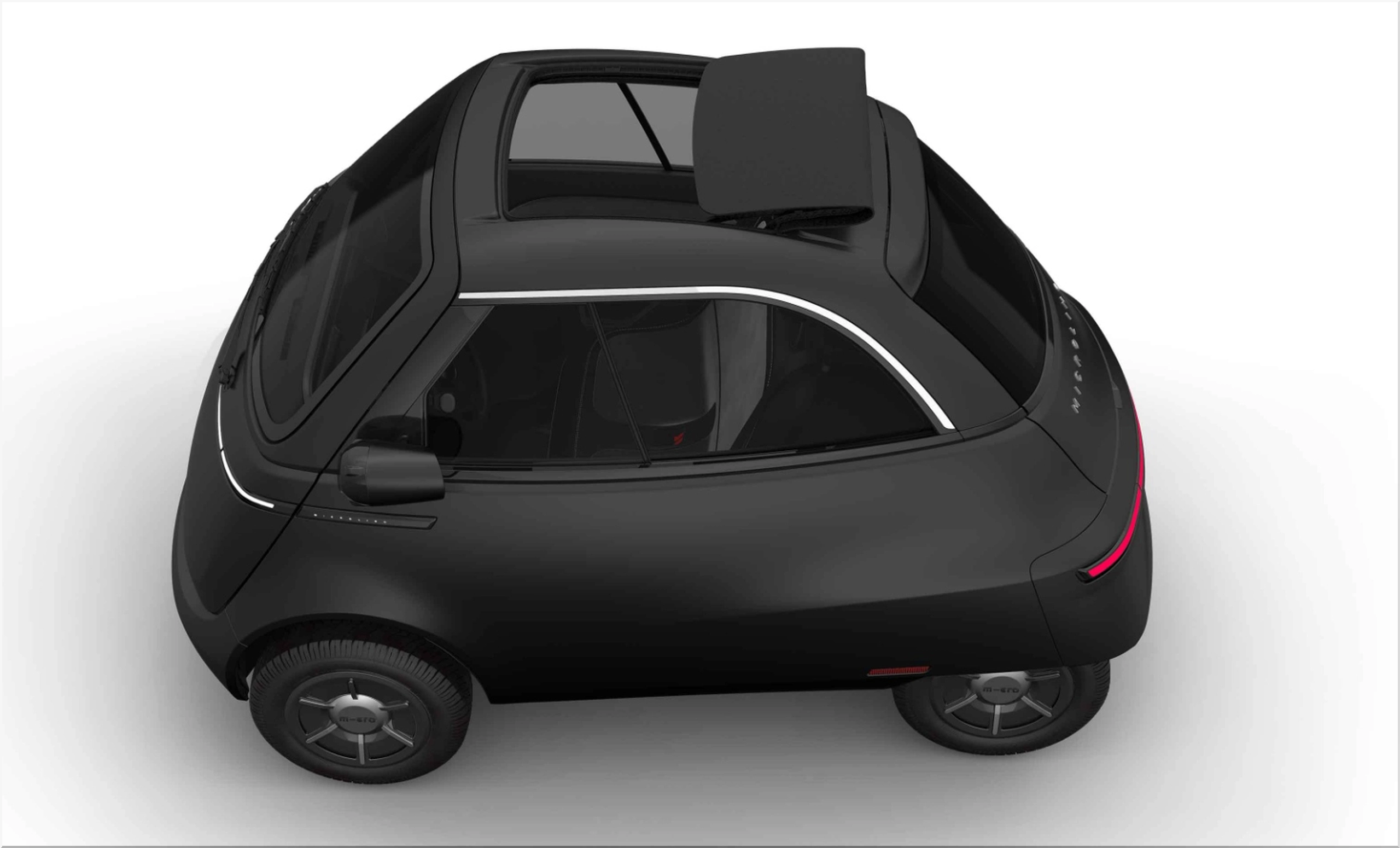
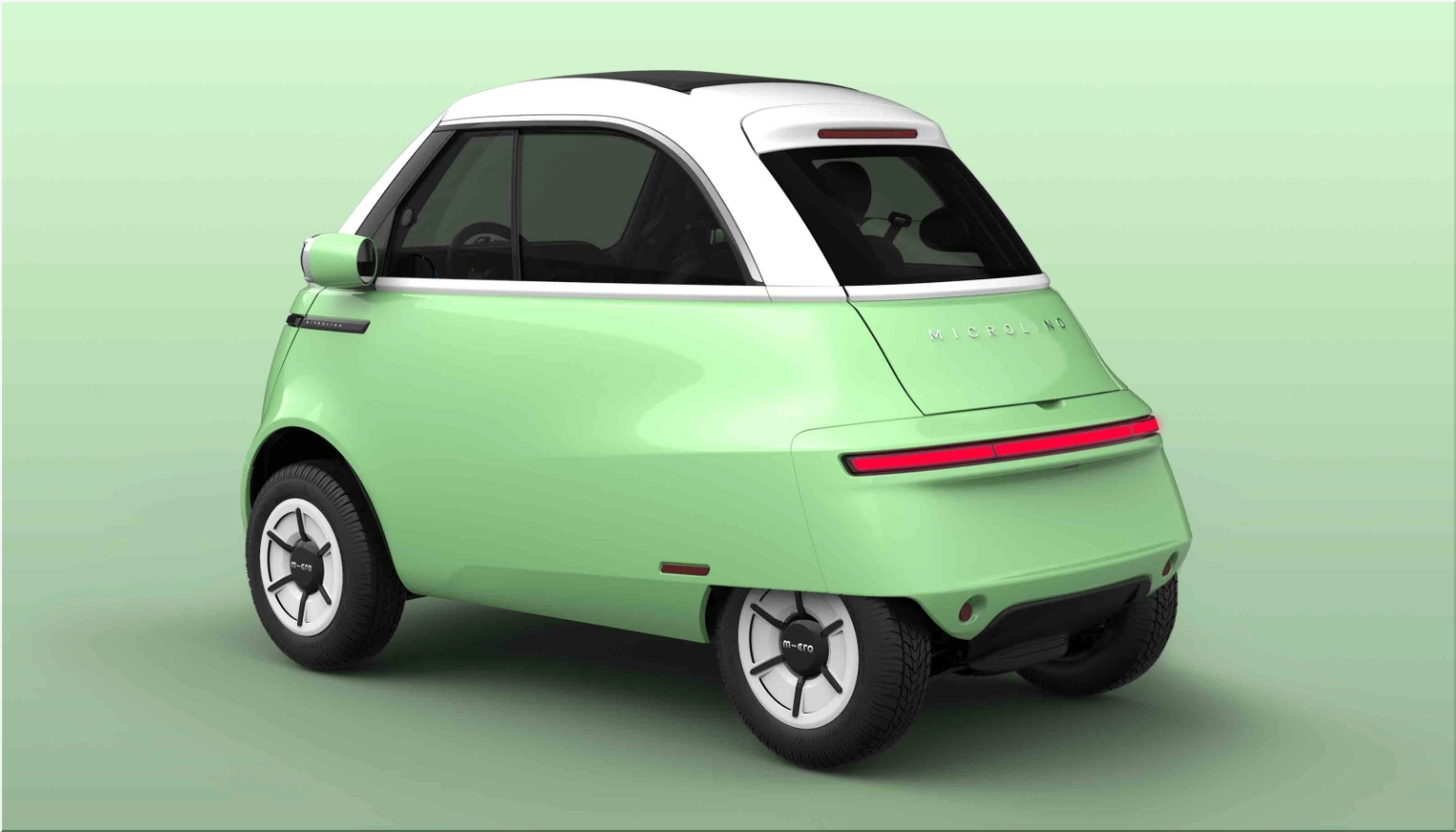
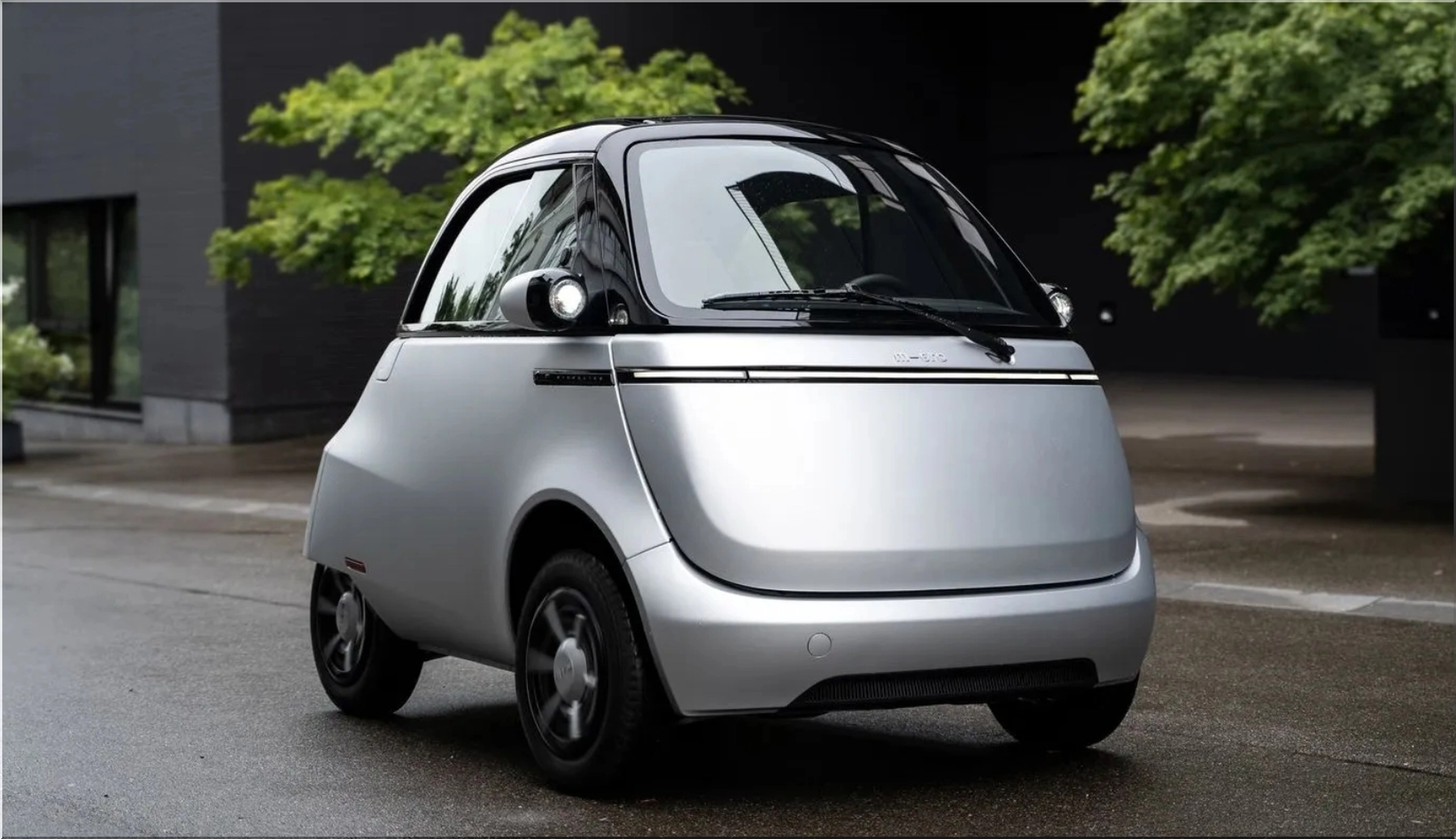
- Microlino
L6e vs L7e at a glance
| Feature | L6e (Light) | L7e (Heavy) |
|---|---|---|
| Max speed | 45 km/h | Often above 45 km/h |
| Power limit | 4 kW | 15 kW |
| Typical weight caps | ~350 kg unladen / ~425 kg running order | ~400–450 kg unladen (passenger) |
| Best for | Dense-city trips, low costs | Urban + suburban use, more flexibility |
| Example models | Citroën Ami, Twizy 45 | Twizy 80, Microlino |
Road access, licensing, and safety
- Road access: Eligibility for motorways, ring roads, or cycle-priority zones depends on national and local rules. Always check your country’s highway code.
- Licensing: L6e often maps to moped-style licences in many regions (sometimes from age 14–16). L7e typically requires a higher class of licence.
- Safety: Expect basic protection (seatbelts, crash structures) but not the same standards as M1 passenger cars. Factor in doors, heater/defogger, lighting, and visibility.
How to choose the right category
- Match the roads you drive:
- Mostly 30–50 km/h city streets → L6e is usually enough.
- Frequent 60–80 km/h connectors (where allowed) → consider L7e.
- Distance and charging:
- Check your daily round trip. Most electric quadricycles charge from a standard household socket.
- Weather protection:
- Compare doors, heating, and window defogging if you live in a cold or wet climate.
- Licensing and age rules:
- Confirm local licence category and minimum age before you buy.
- Budget and insurance:
- L6e tends to be cheaper upfront and to insure; L7e offers more speed and comfort at a higher cost.
Ownership basics that matter
- Running costs: Low energy use, small tyres and brakes keep maintenance modest.
- Battery care: Avoid frequent deep discharges; slow overnight charging supports longevity.
- Tyres and weather: Fit quality all-season or winter tyres for cold, wet climates.
- Storage and security: Many models benefit from covers, cabin heaters, and secure charging access.
Real-world examples to anchor the definitions
- Citroën Ami: Pure 45 km/h city EV. Simple charging, minimal footprint, ultra-low running costs.
- Renault Twizy: Available in 45 and 80 variants—textbook L6e vs L7e contrast.
- Microlino: Style-forward L7e microcar with more speed and comfort for mixed urban/suburban duty.
Glossary (plain language)
- Unladen mass: Vehicle weight without people or cargo; batteries may be excluded in some definitions.
- Mass in running order: Weight including fluids and standard equipment; used by some authorities for class thresholds.
Frequently asked questions
Can I take an L6e on fast roads?
Generally no. L6e vehicles are designed for 30–50 km/h urban streets and are often restricted from higher-speed roads.
Can a 16-year-old drive a quadricycle?
Often yes for L6e, depending on country-specific licence rules. L7e usually requires a higher licence category.
Do quadricycles use public charging networks?
Many charge from a household socket. Some support public posts, but a simple wall outlet is common for day-to-day use.
Are quadricycles safe?
They are regulated with lighter requirements than passenger cars. Check for seatbelts, doors, weather protection, lighting, and visibility; drive within design limits. @ REGULATION (EU) No 168/2013.



- 934 views