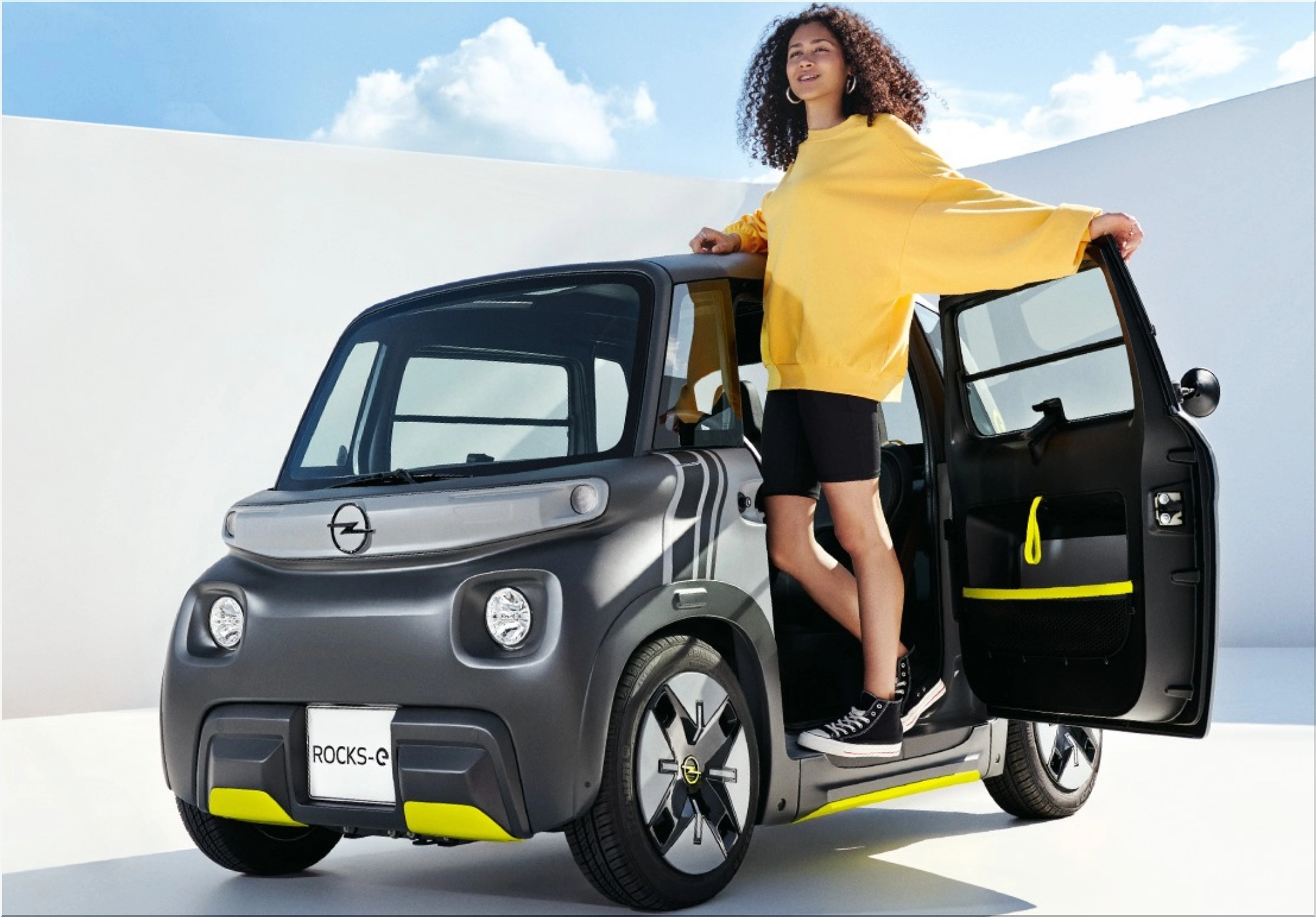
Teen drivers need three things more than anything: predictable speed, simple controls, and a vehicle that makes safe choices easy. Quadricycles can tick those boxes when you pick the right class (L6e vs L7e), the right body style (enclosed vs open), and the right ownership setup (insurance, storage, and maintenance).
This guide focuses on real-world teen driving: school runs, part-time jobs, sports practice, and short city hops. You will get clear model picks, a safety-first shortlist process, and insurance moves that actually reduce premiums.
Definitions
- L6e (light quadricycle): Typically capped at 45 km/h with low power and strict weight limits. Many countries align L6e with moped-style licensing.
- L7e (heavy quadricycle): Higher power (up to 15 kW) and higher speed potential. Many countries require a higher licence class.
- TCO (Total Cost of Ownership): What you pay monthly once you include energy, maintenance, insurance, and depreciation.
Why quadricycles can work brilliantly for teens
Quadricycles shine when a teen drives predictable routes at predictable speeds.
- Speed discipline by design: A 45 km/h cap reduces the temptation to drift into faster traffic.
- Small size builds confidence: Parking becomes a skill, not a stress test.
- Simple EV running costs: Home charging and low energy use keep budgeting easy.
- City-friendly footprint: Tight streets and crowded school zones feel manageable.
Reality check: Quadricycles do not match passenger-car crash standards. You must lean harder on smart selection and smart driving habits.
Safety first: what to prioritise (and what to avoid)
What matters most on a teen quadricycle
- Enclosed cabin with real doors for rain, wind, and winter visibility
- 3-point seatbelts for both seats (or the single seat, on cargo versions)
- Strong lighting (bright headlights, clear brake lights, good indicators)
- Effective demist/defog so windows stay clear in damp weather
- Stable tyres (quality all-season or winter tyres in cold climates)
- Good visibility (large glass area, useful mirrors, minimal blind spots)
What to avoid for new teen drivers
- Open-side designs with minimal weather protection if your climate is wet or cold
- Heavily modified vehicles (insurers hate them, and teens do not need surprises)
- High-speed routing even if the vehicle can do it (confidence can outrun skill fast)
- Worn tyres and weak brakes (cheap purchase price, expensive consequences)
Pro-Tip: Treat window demist like a safety system. If the vehicle cannot clear mist quickly, skip it.
Speed: which class fits teen driving best?
L6e: the smart default for most teens
L6e typically caps top speed at 45 km/h, which fits school runs, errands, and city grids. It also tends to attract more insurance-friendly pricing because the risk profile stays lower.
L7e: only for specific use cases
L7e makes sense when a teen must use faster connector roads and local rules allow it. Even then, it demands stronger training, stricter route planning, and often higher insurance costs.
Bottom line: For a first vehicle, L6e wins in simplicity, predictability, and cost control.
Best quadricycles for teen drivers (real models)
Below are strong teen-friendly picks you can actually shop for. Availability and final pricing depend on country and promotions, so use these as shortlist anchors.
Best new L6e quadricycles for teens
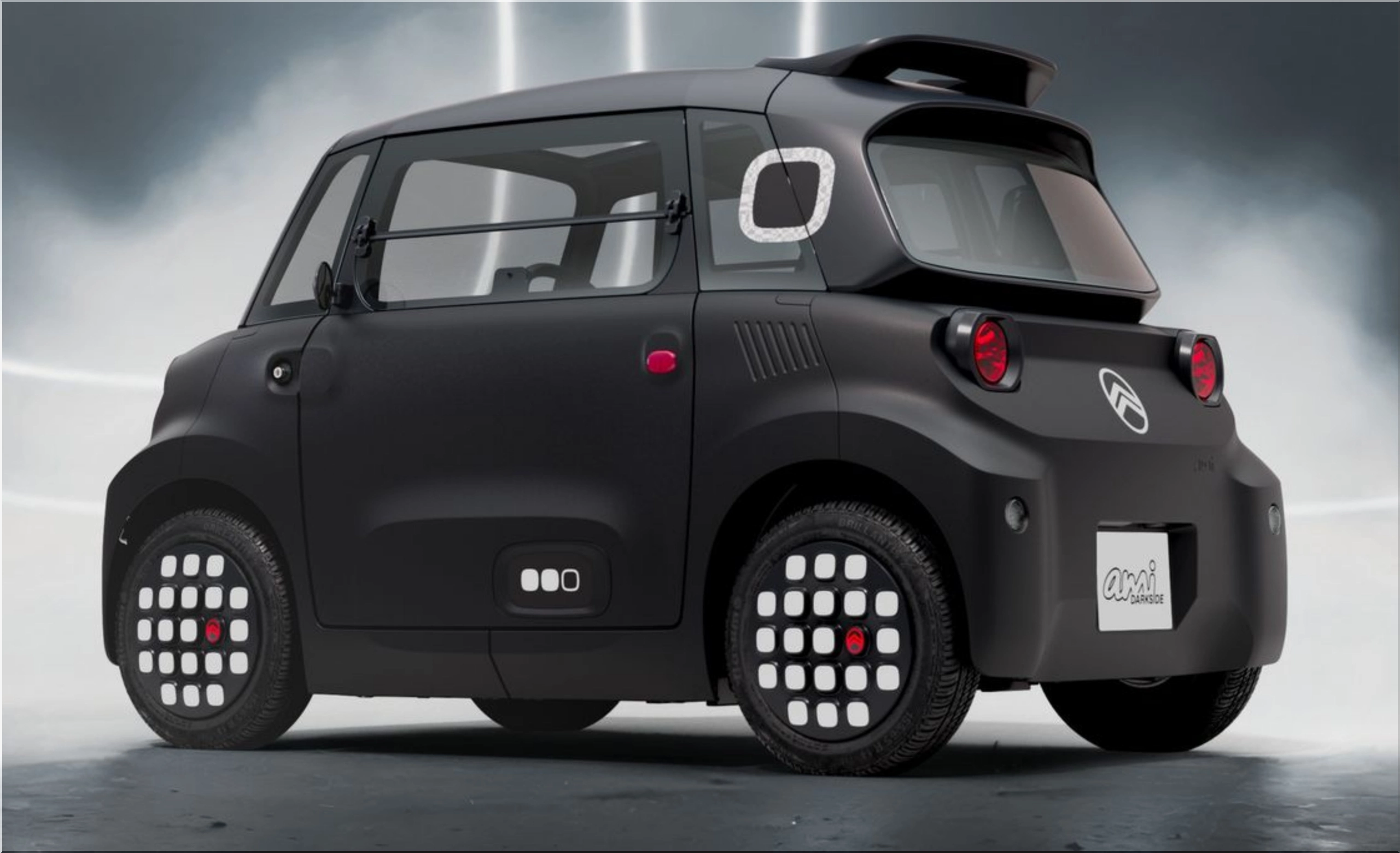
Citroën Ami
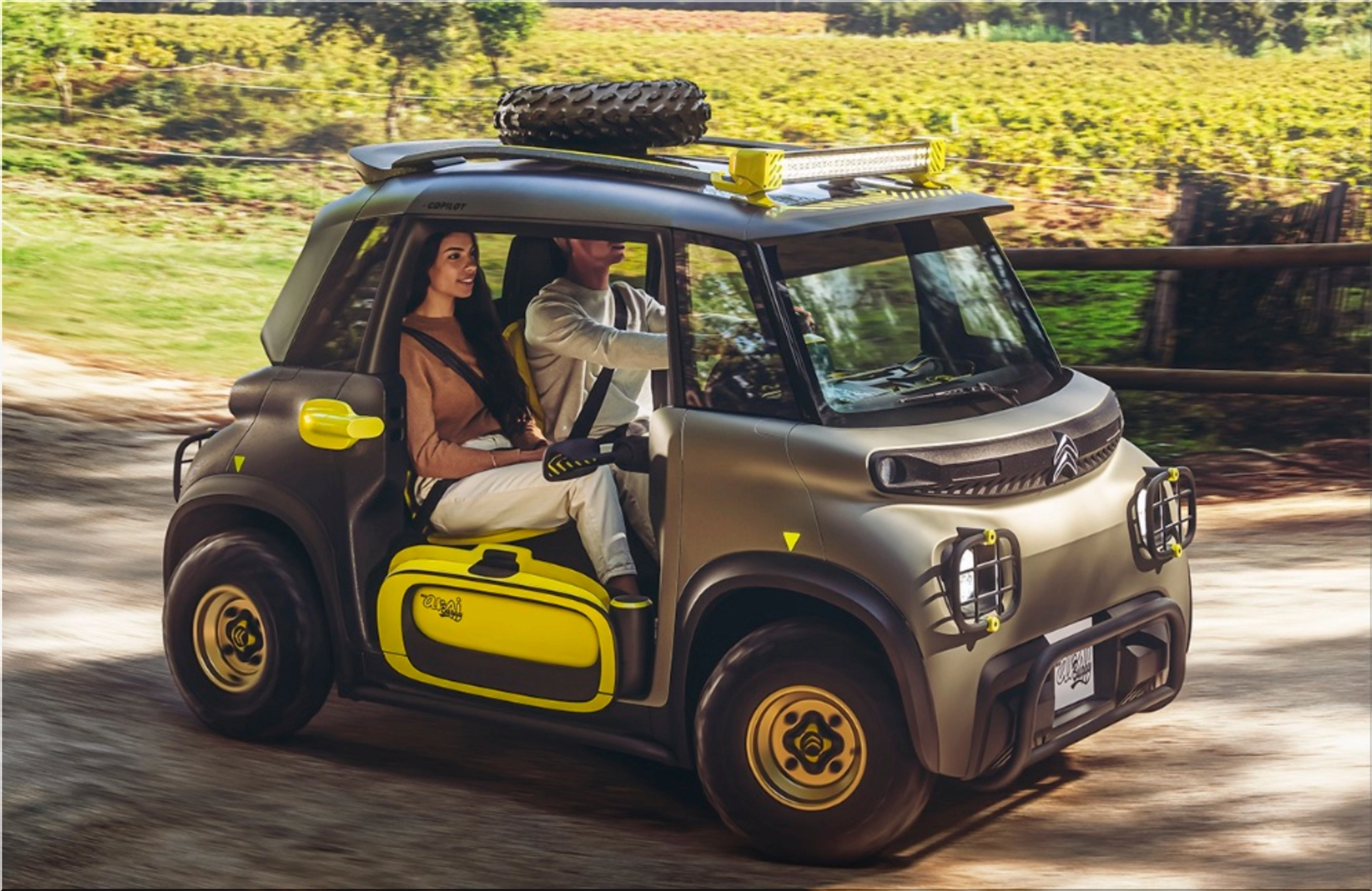
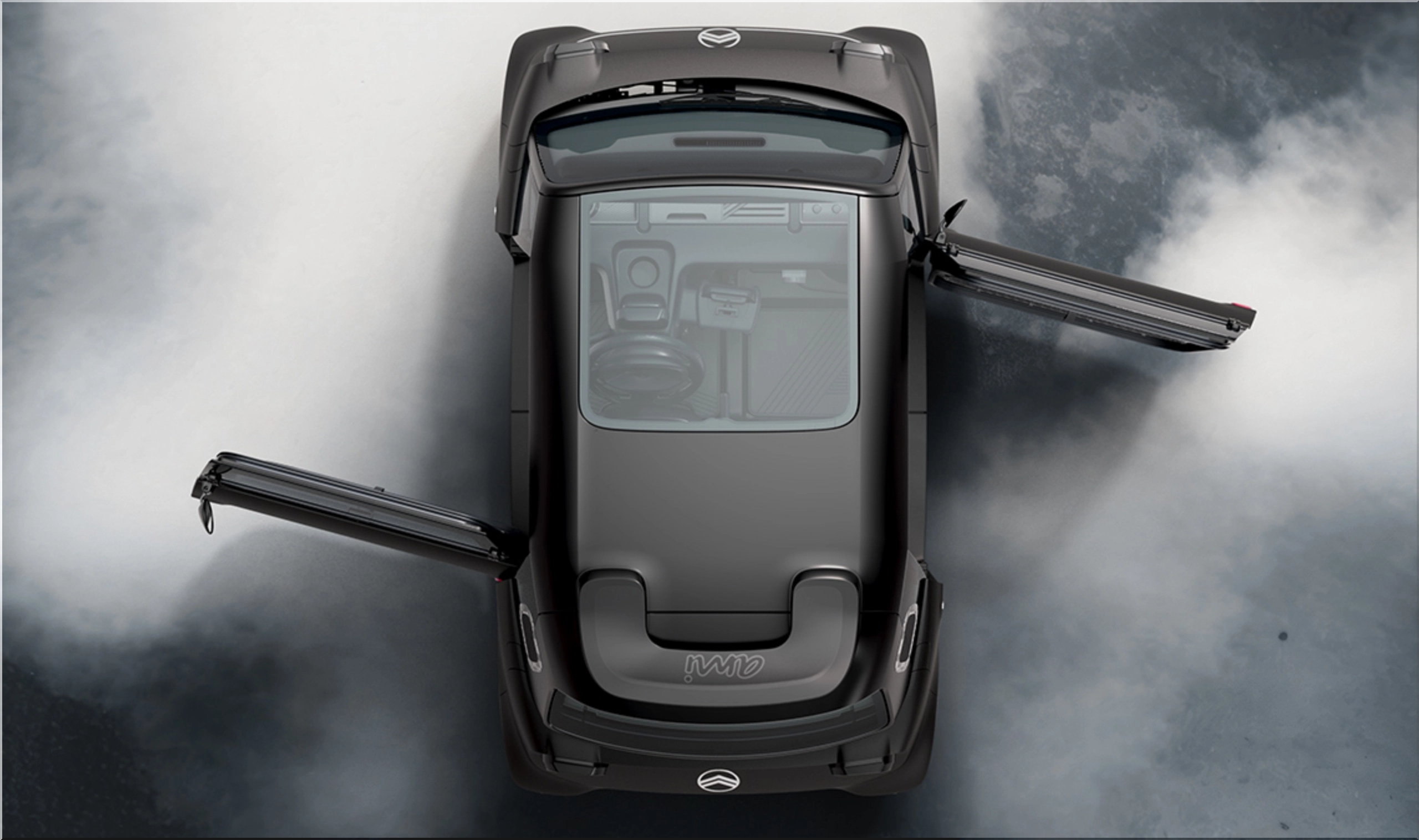
Citroën Ami is the benchmark for teen-focused urban EVs: enclosed cabin, straightforward controls, and easy home charging. It suits short routes and parents who want predictable limitations.
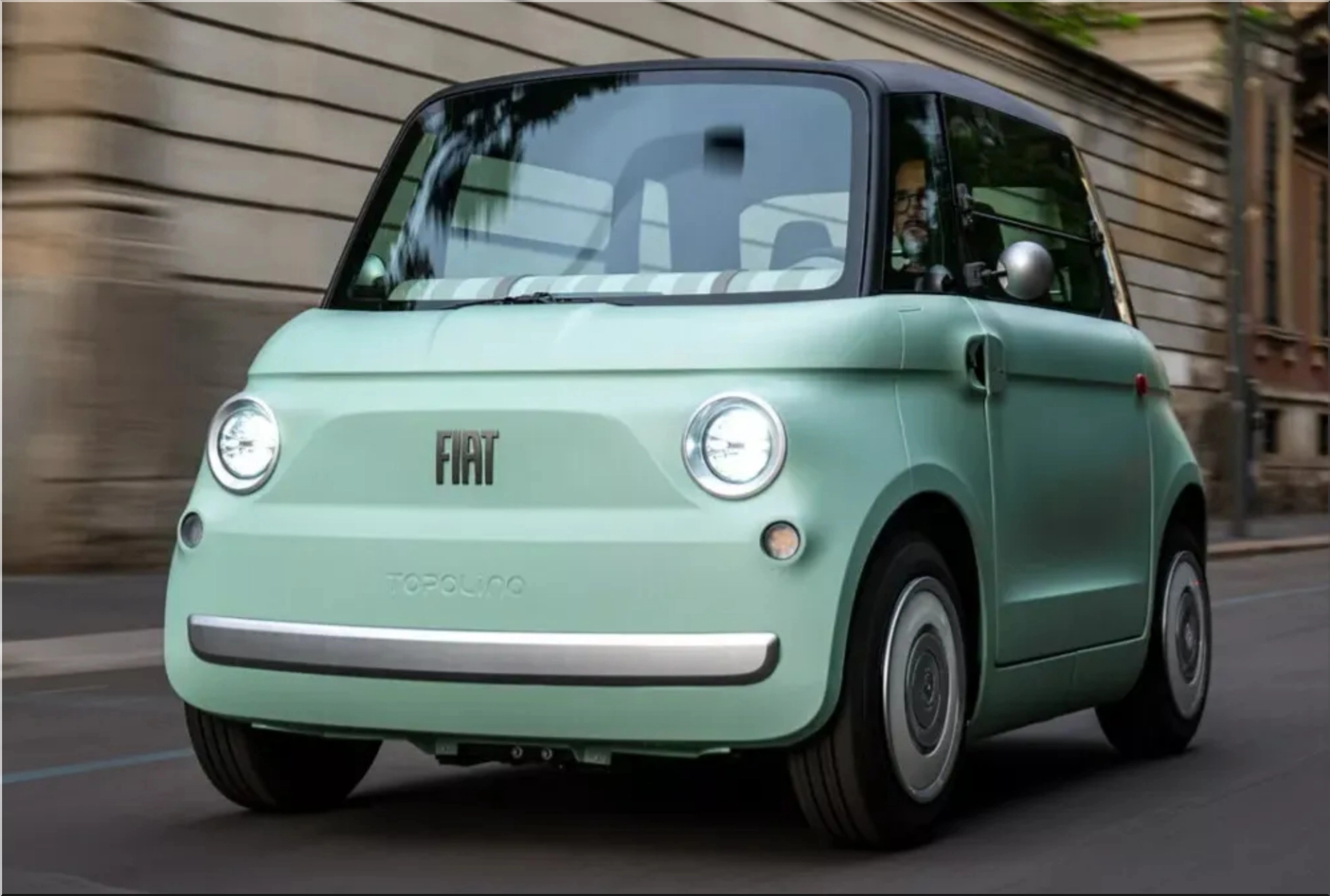
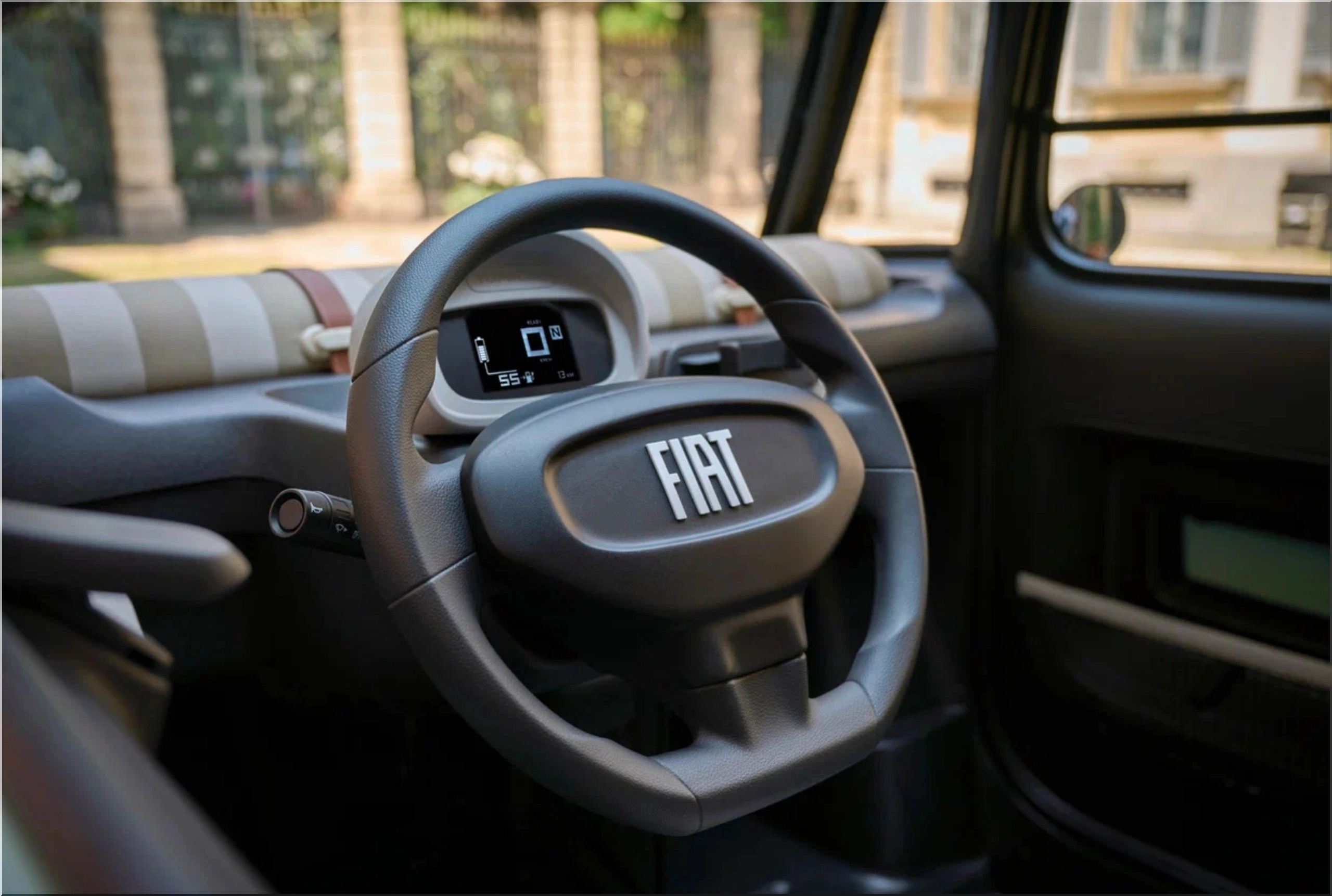
Fiat Topolino
Fiat Topolino targets the same teen-friendly use case with a more style-forward look and an enclosed option. It fits families that want a simple city vehicle with a bit more charm.
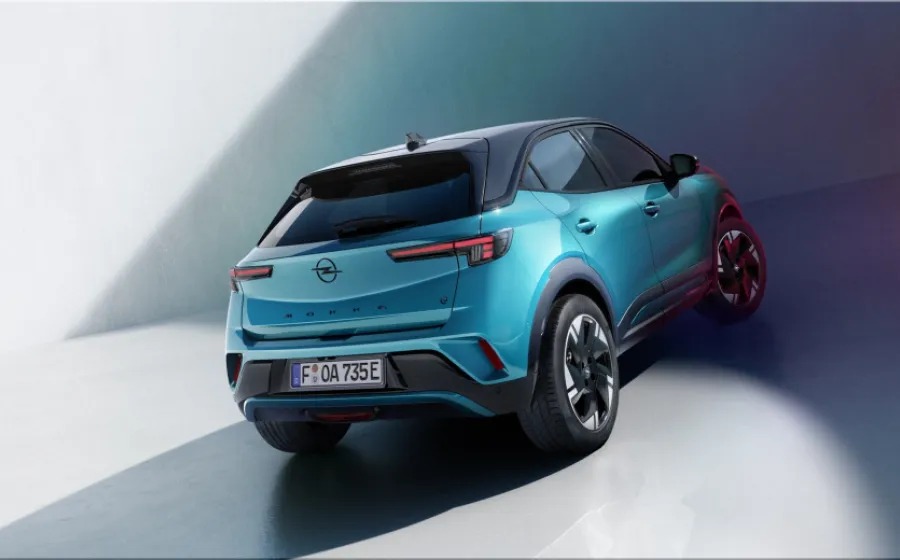
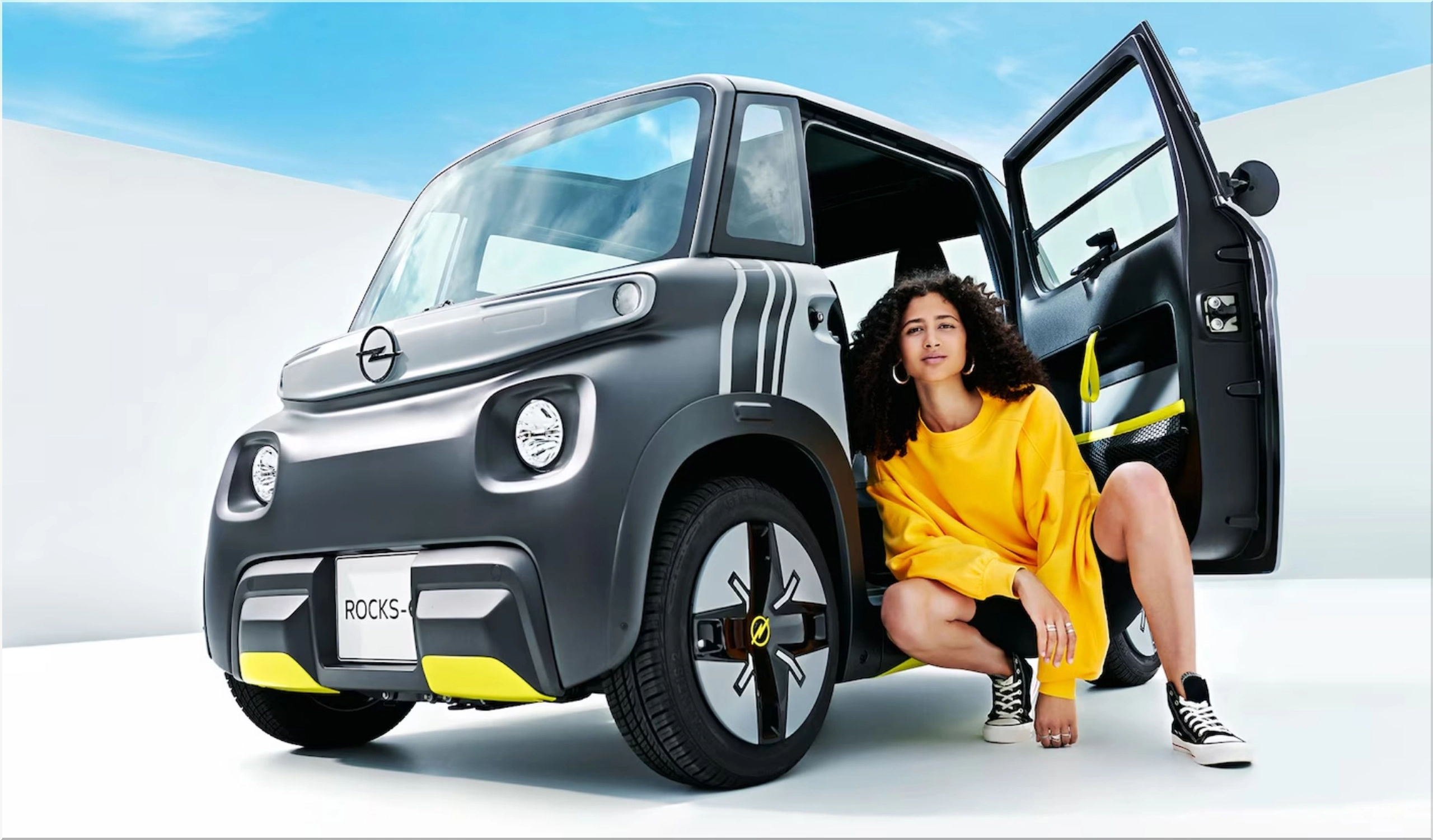
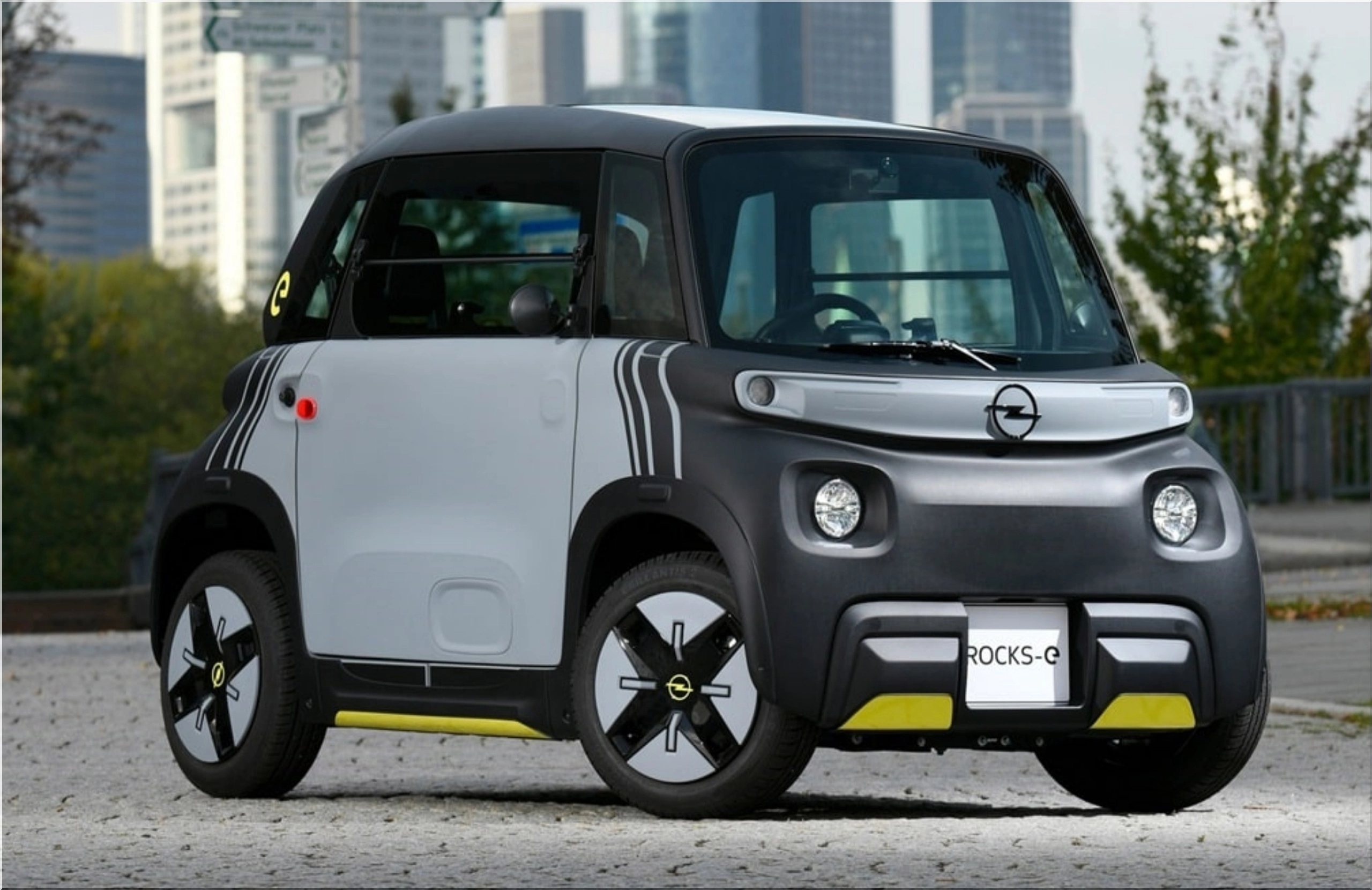
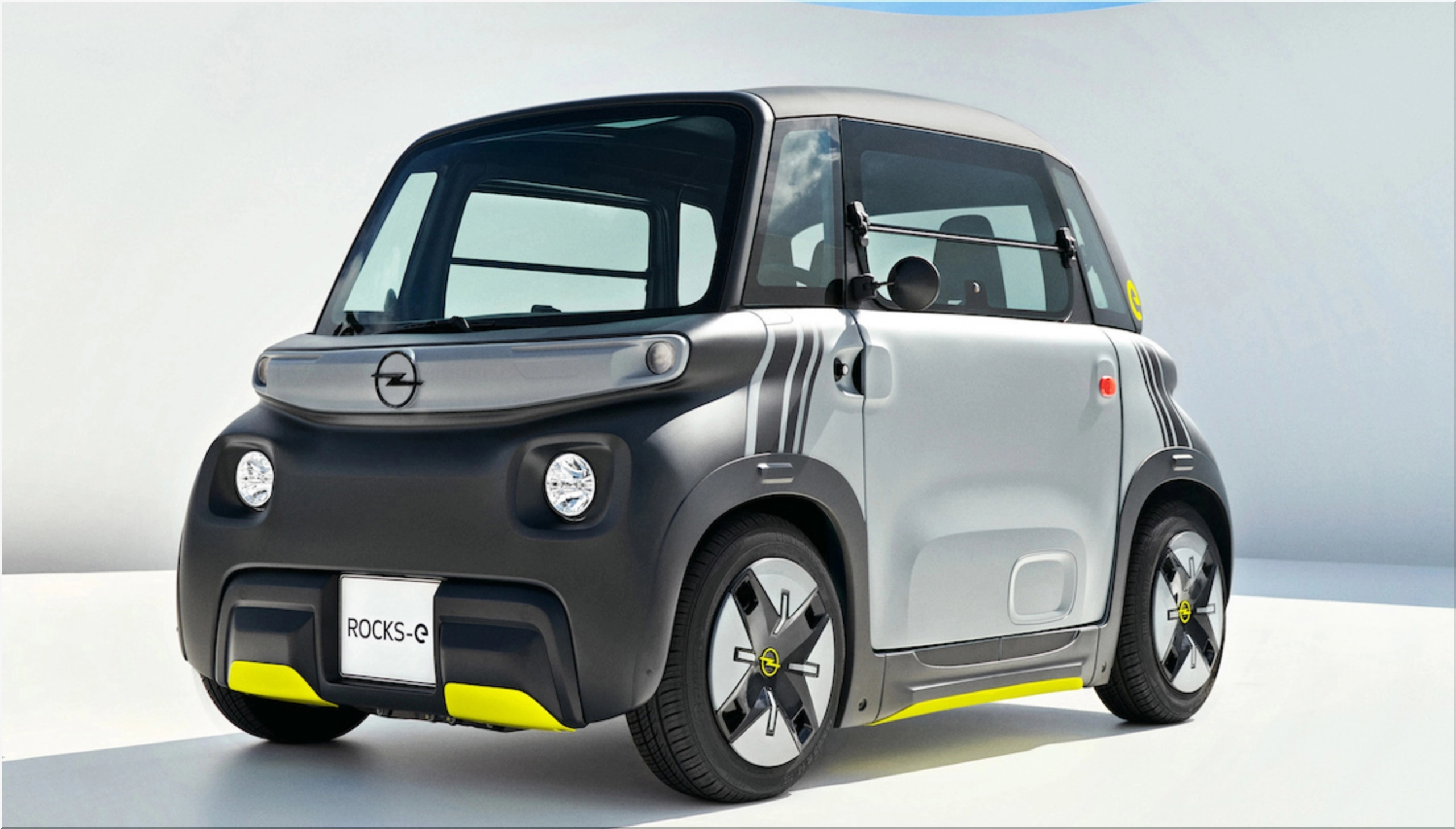
Opel Rocks (also sold as Vauxhall Rocks in some markets)
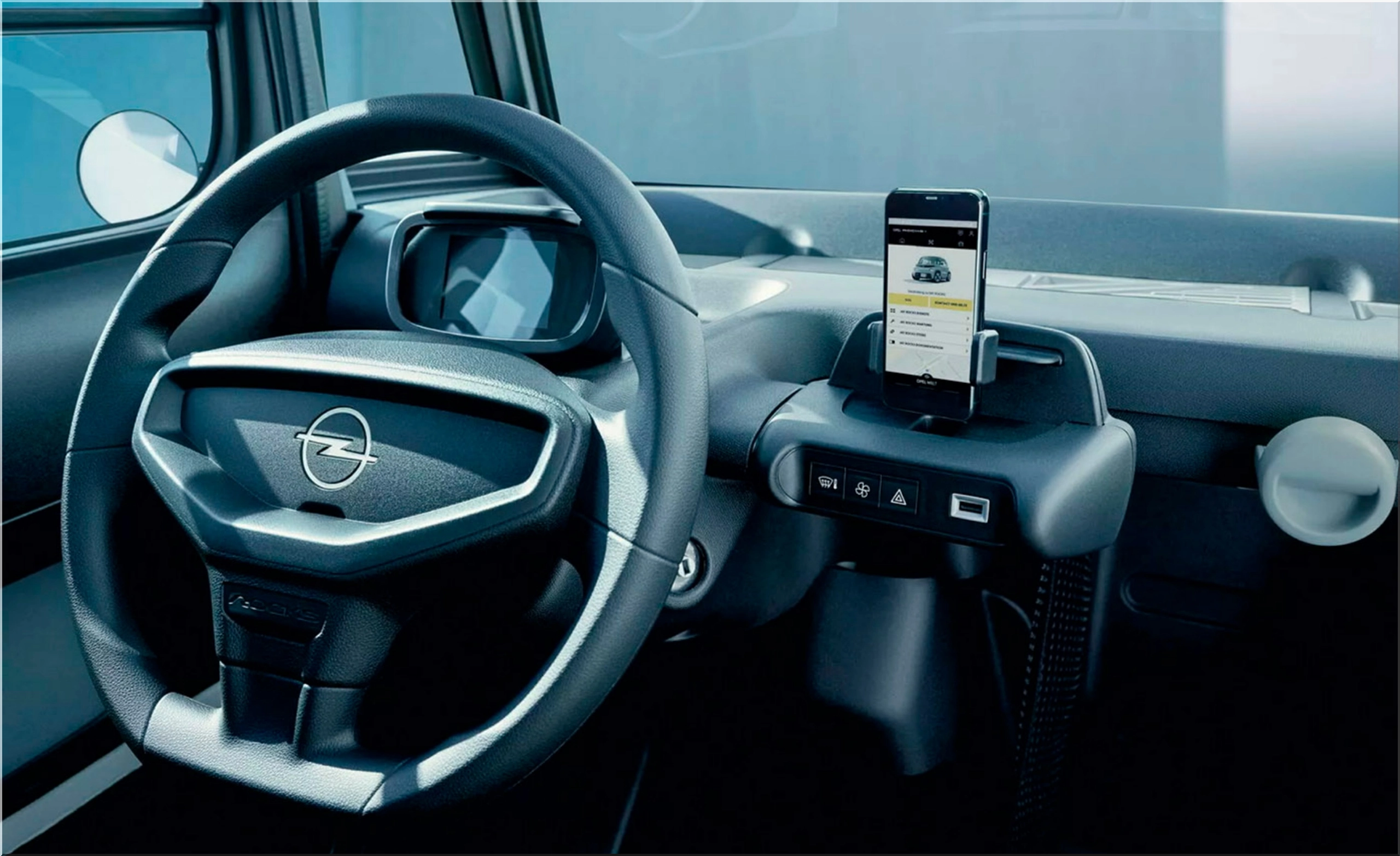
Opel Rocks mirrors the Citroën Ami formula in a different outfit. It works well when local dealer support or brand preference pushes you toward Opel/Vauxhall.
Best used options under tight budgets
Renault Twizy 45
Renault Twizy 45 offers a unique, narrow footprint and fun handling. It can be a great teen option if it has proper weather protection (side windows or equivalent solutions) and clean battery ownership terms.
Estrima Biro
Estrima Biro can be an excellent ultra-city tool for short routes and tight streets. It rewards careful shopping: check battery condition, charging setup, and overall stability feel on a test drive.
Aixam, Ligier, and Microcar (diesel L6e microcars)
These brands dominate the traditional "moped car" space in many EU markets. You get wide used availability and established service networks. You also get combustion maintenance realities and potential city emissions restrictions, depending on where you live.
Quick comparison table for teen buyers
| Model | Class | Speed profile | Best for | Why it fits teens | What to check before buying |
|---|---|---|---|---|---|
| Citroën Ami | L6e | 45 km/h | Simple daily routes | Easy charging, enclosed cabin, predictable limits | Door seals, heater/demist, tyre quality |
| Fiat Topolino | L6e | 45 km/h | Style + city use | Enclosed option, simple controls | Window function, visibility, trim differences |
| Opel/Vauxhall Rocks | L6e | 45 km/h | Brand-dealer preference | Ami-like usability | Local road classification, insurance group |
| Renault Twizy 45 | L6e | 45 km/h | Tiny streets, fun handling | Narrow footprint, agile | Side windows, drafts, battery ownership terms |
| Estrima Biro | L6e | 45 km/h | Ultra-short city trips | Compact and practical | Battery health, stability feel, charger setup |
| Aixam (used) | L6e | 45 km/h | Rural towns and suburbs | Huge used supply, known category | CVT behavior, service history, rust, tyres |
| Ligier JS50 (used) | L6e | 45 km/h | Teen-friendly styling | Active dealer ecosystem | Prior repairs, panel fit, brake condition |
| Microcar M.Go/Due (used) | L6e | 45 km/h | Value shopping | Strong used availability | Limiter behavior, suspension noise, tyres |
Pro-Tip: Pay extra for the best tyres you can fit. Tyres change stopping distance, wet grip, and confidence more than any accessory.
Insurance tips that actually lower premiums
Insurance pricing depends heavily on driver age, postcode, and claims history. Still, you can influence the quote.
10 practical moves to reduce teen quadricycle insurance costs
- Choose L6e over L7e when your routes allow it.
- Keep it stock: avoid power changes, wheels, and loud visual mods.
- Limit annual mileage on the policy to match reality.
- Add telematics if it saves meaningful money and your teen accepts the rules.
- Park off-street (garage or driveway) and declare it accurately.
- Raise the deductible only if you can cover it in an emergency.
- Take a certified training course if your insurer recognises it.
- Install basic security (steering lock, tracker if it meaningfully reduces premium).
- Bundle policies with household insurance where discounts apply.
- Insure the correct main driver. Never "front" a policy. Insurers investigate this and can refuse claims.
How to shop for quotes without wasting time
- Quote two models side by side (for example, Ami vs Topolino).
- Use the same mileage and storage details to get a clean comparison.
- Ask if the insurer prices L6e differently from L7e for the same driver.
Pro-Tip: Ask insurers which safety features they reward. Some care about garaging and mileage more than brand.
Teen driver setup: the safety plan that works
Set rules before the first drive
- No passengers for the first 4 to 6 weeks
- Daylight driving first, night driving later
- Fixed routes only until skills become automatic
- No fast connectors, no exceptions
Build skills in three phases
- Control phase: parking, emergency braking practice, slow turns, mirror checks
- Traffic phase: roundabouts, junction discipline, lane positioning
- Weather phase: rain driving, demist habits, wet braking distances
Stock the vehicle for real life
- Microfibre cloth + anti-fog wipe
- Tyre gauge and compact inflator
- Reflective vest and warning triangle (where required)
- Phone mount that does not block visibility
What now?
- Choose the class: If 45 km/h covers your routes, start with L6e.
- Pick the body style: Enclosed cabin and effective demist come first.
- Shortlist 2 to 3 models: Use the table above and shop local availability.
- Get insurance quotes early: Quote before you fall in love with a listing.
- Inspect like a parent, drive like an instructor: tyres, brakes, visibility, seals, and paperwork decide whether a "deal" stays a deal.
- 195 views