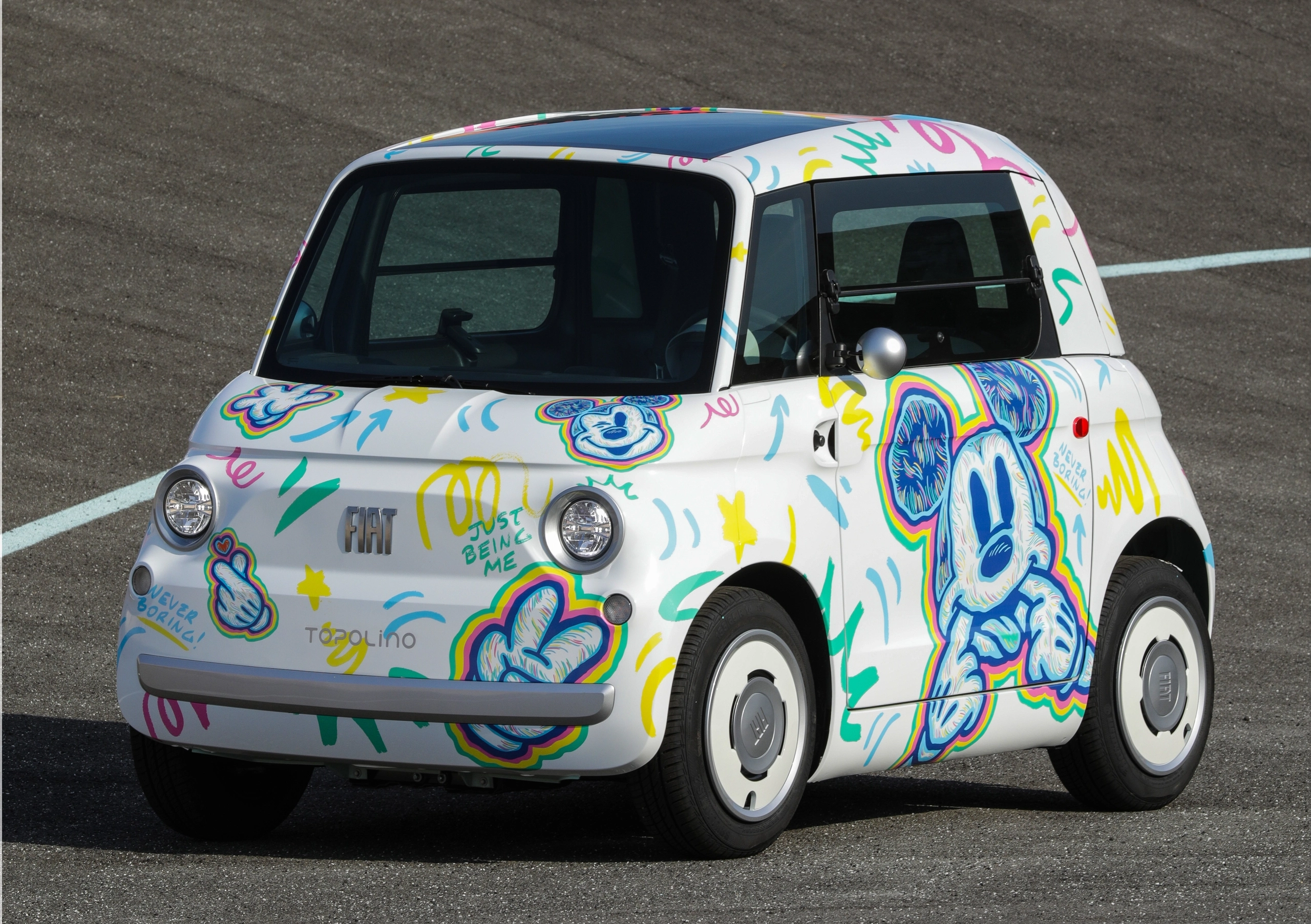
Stellantis says it will bring the Fiat Topolino EV to the United States. The move targets short trips and dense streets. It also clashes with how Americans drive.
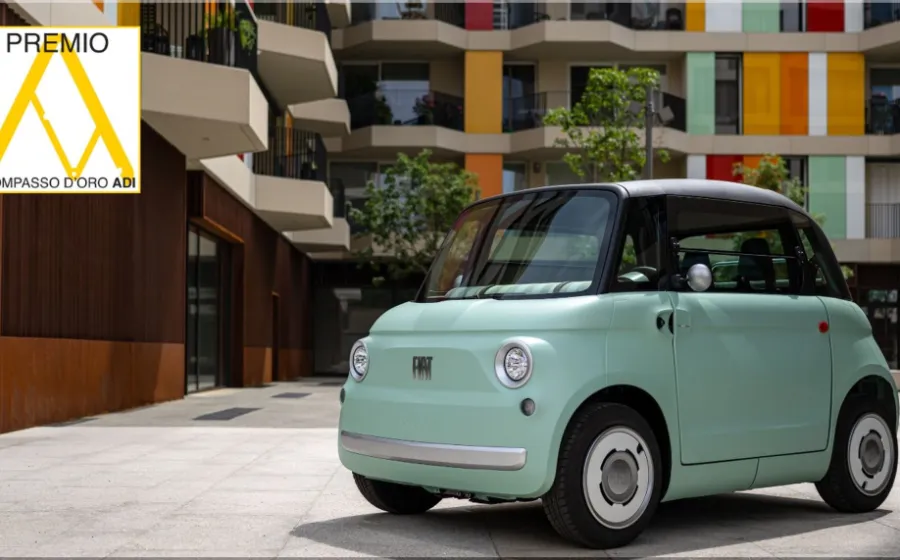
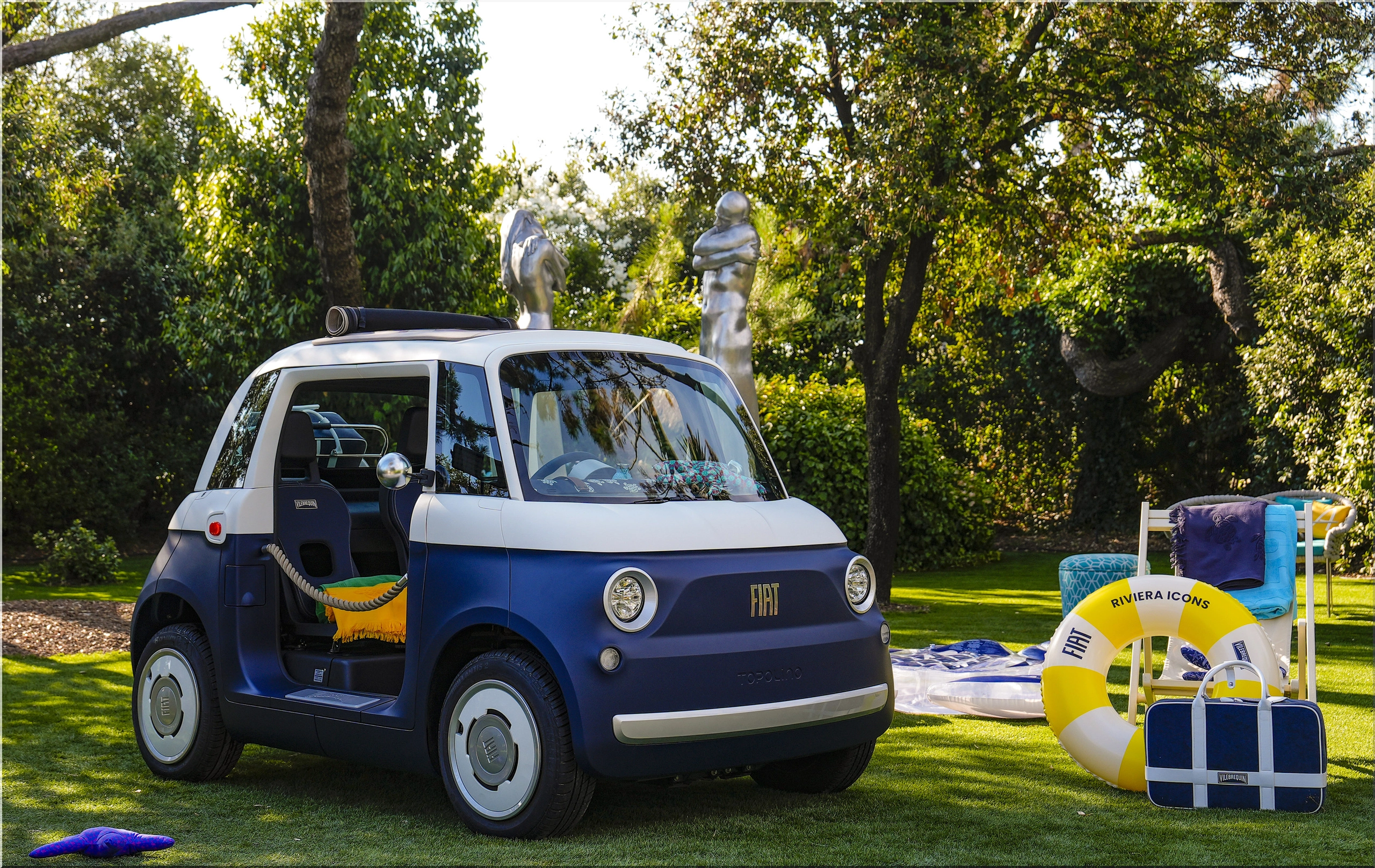
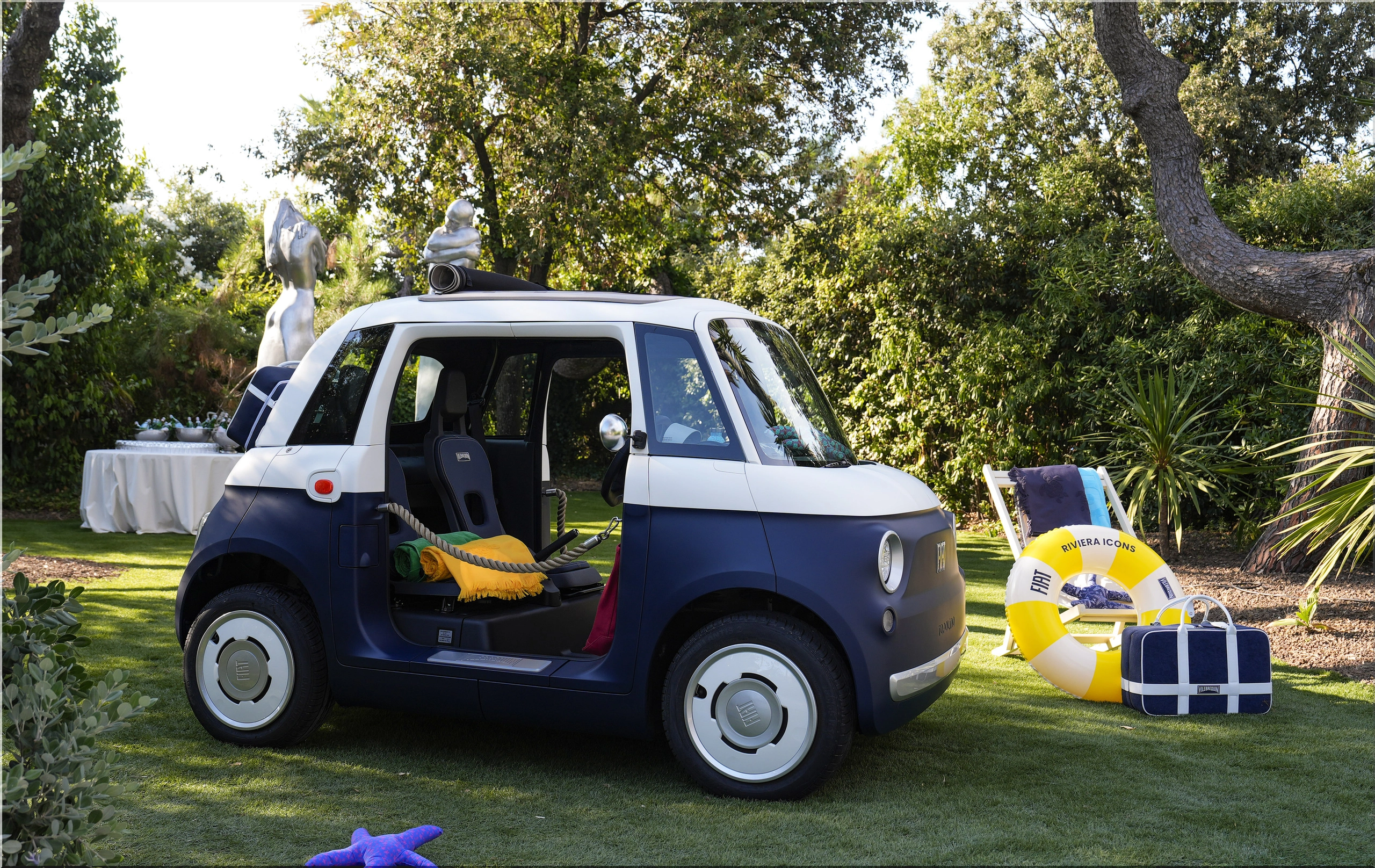
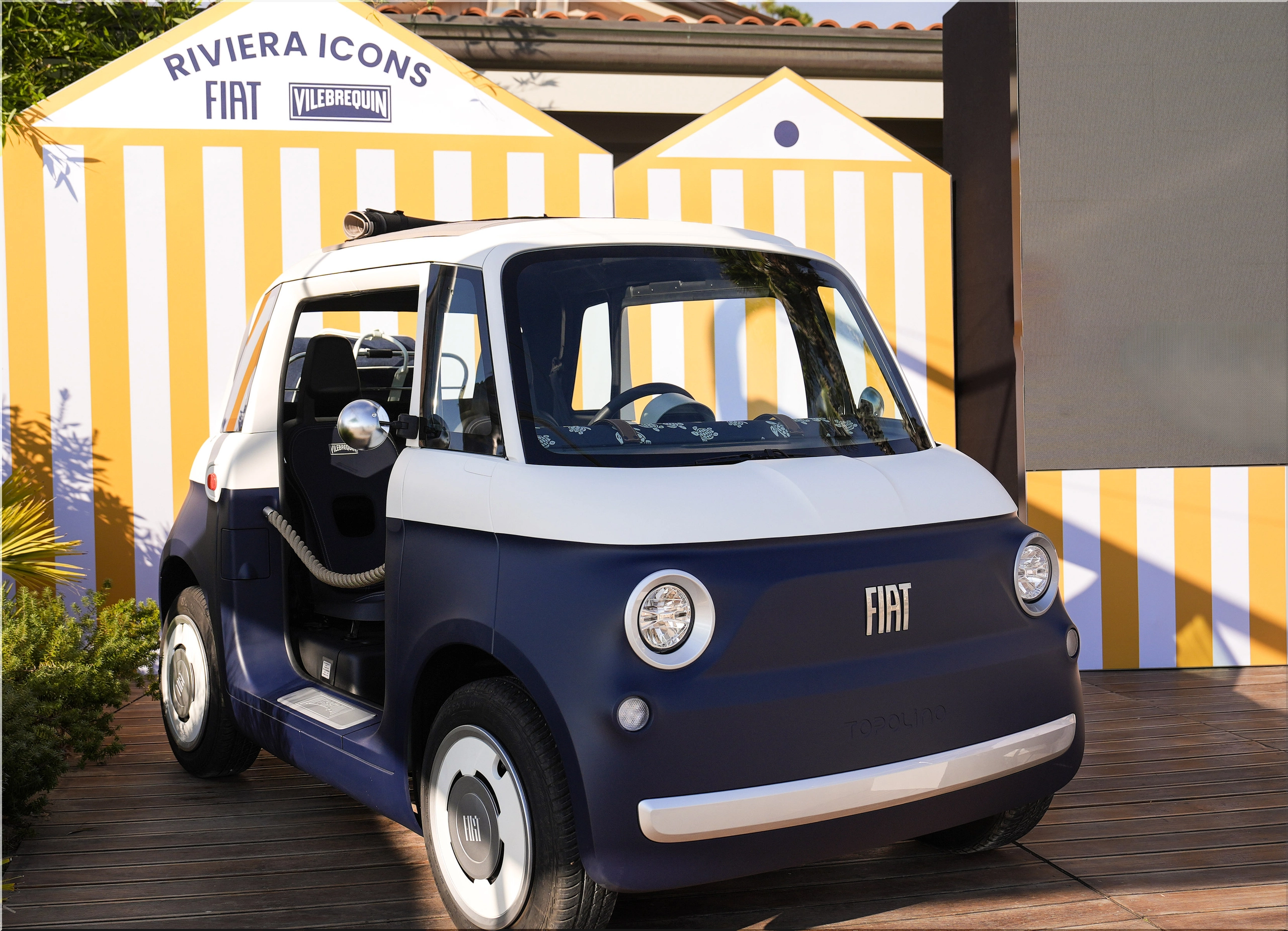
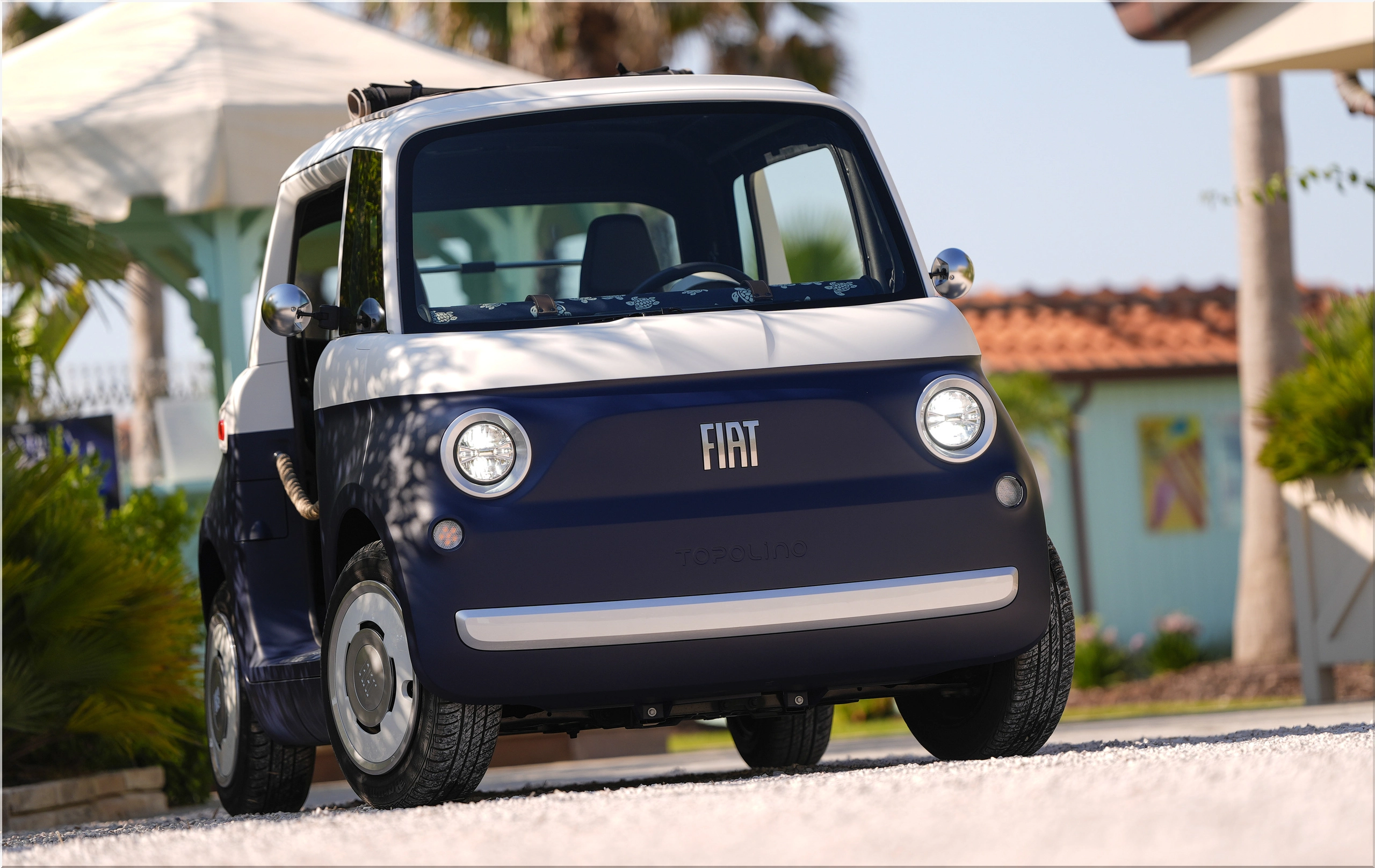
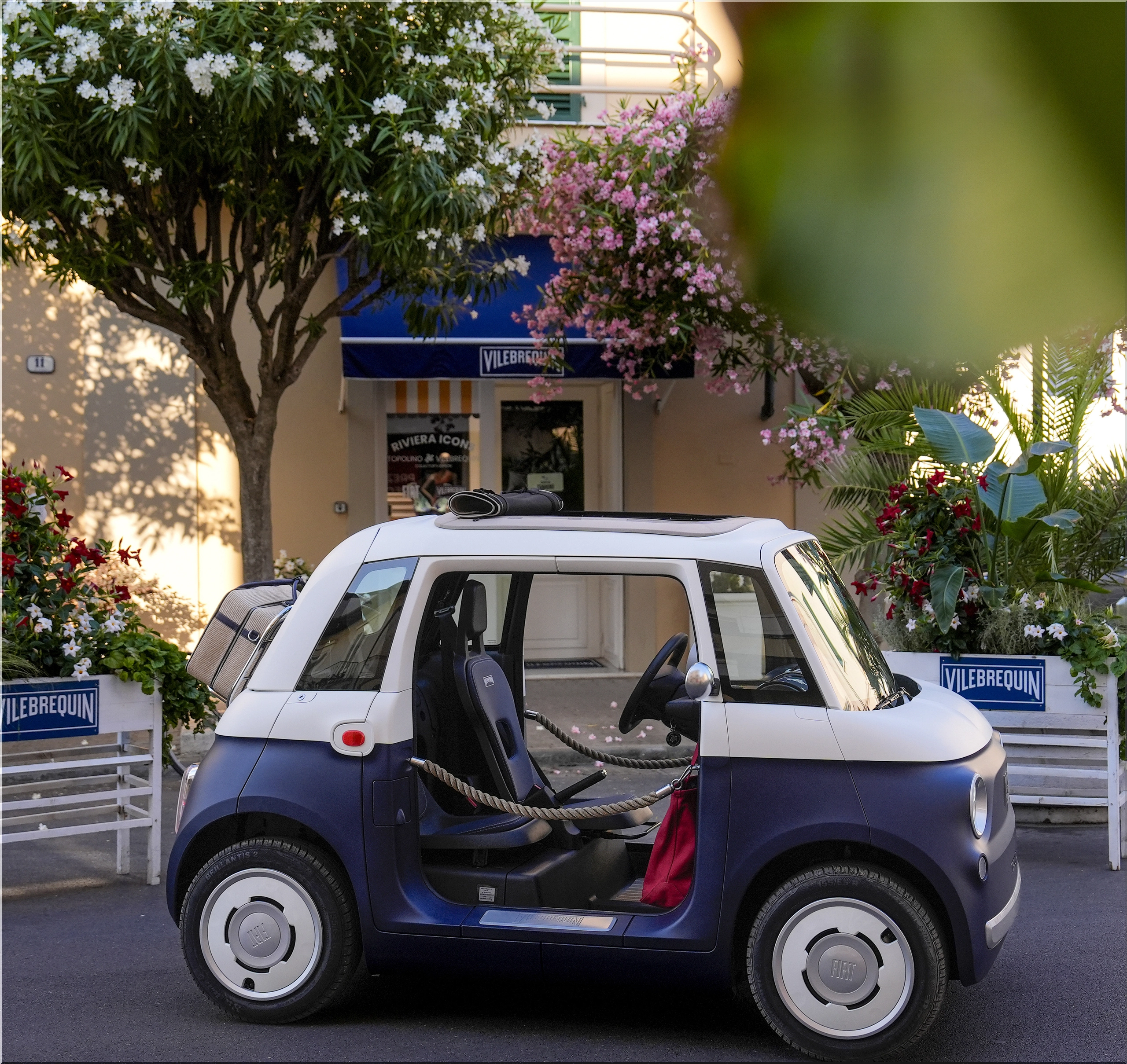
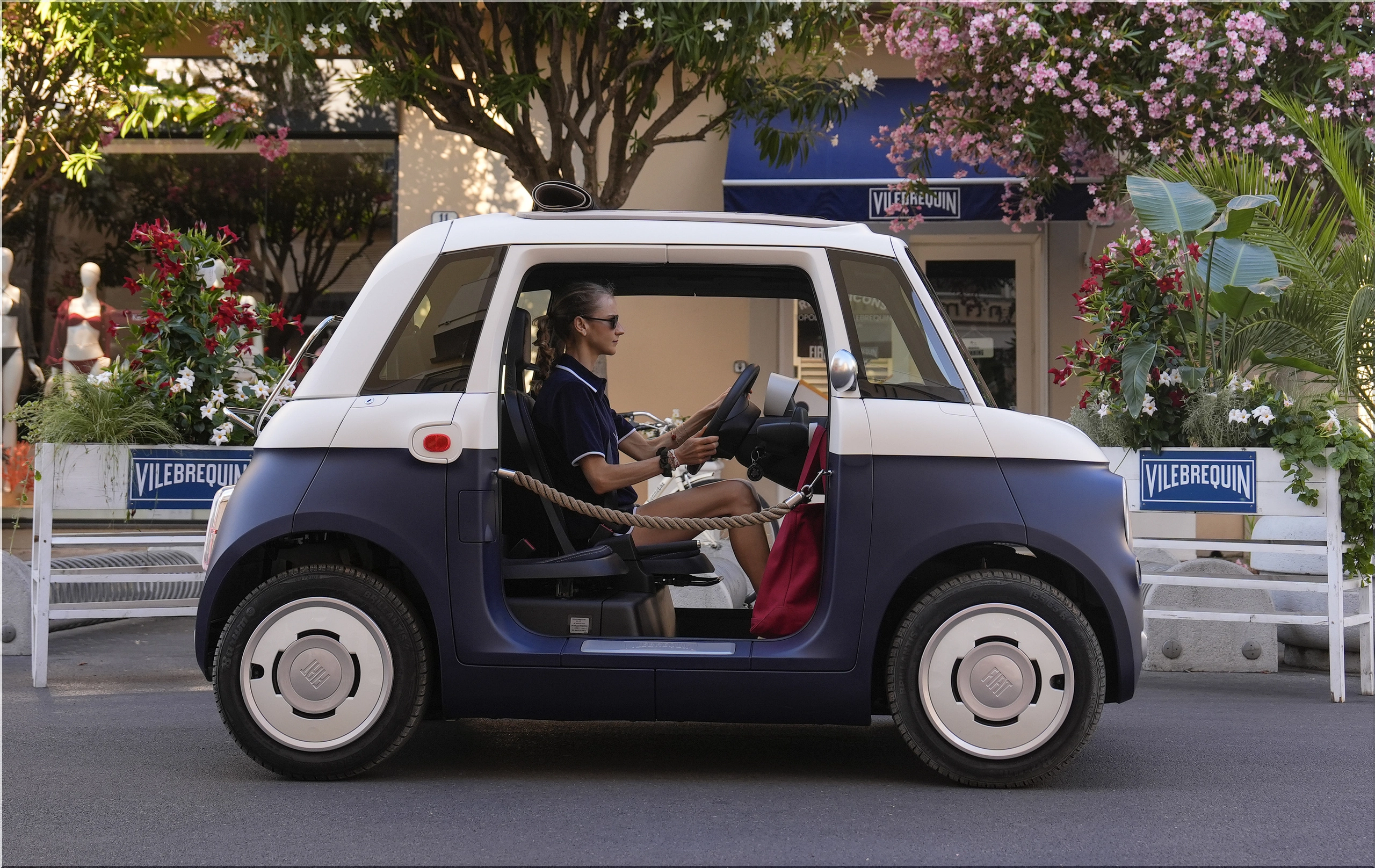
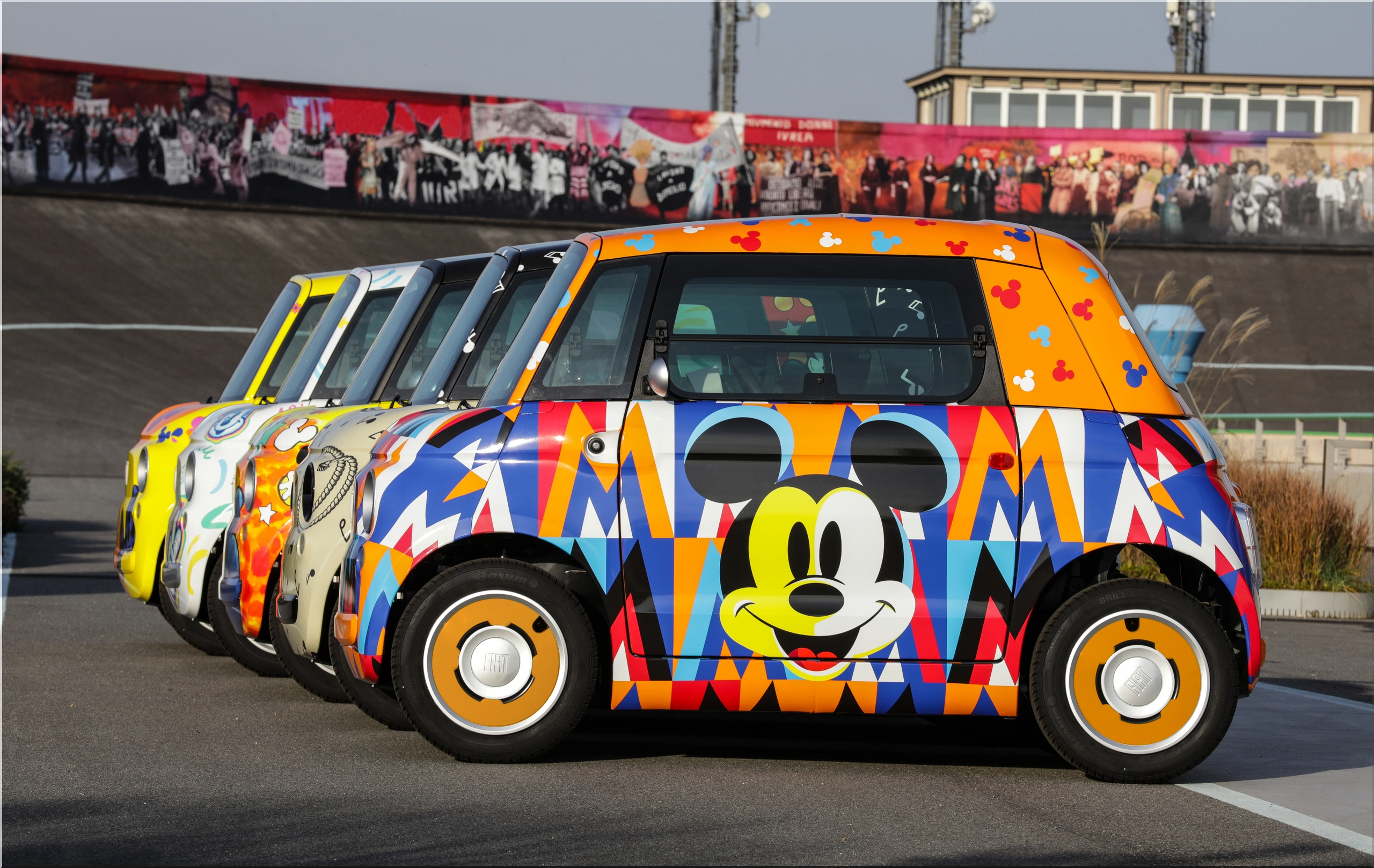
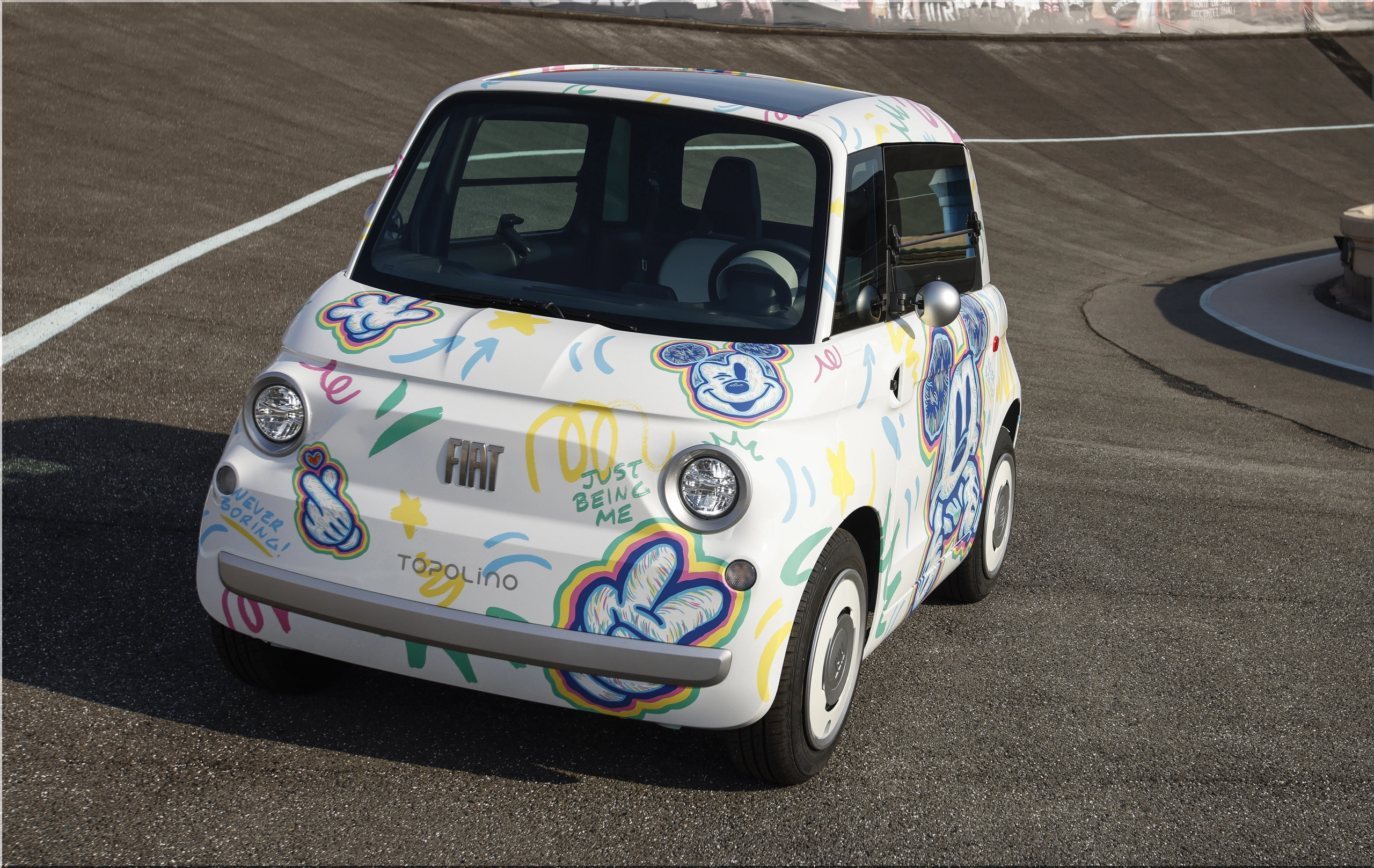
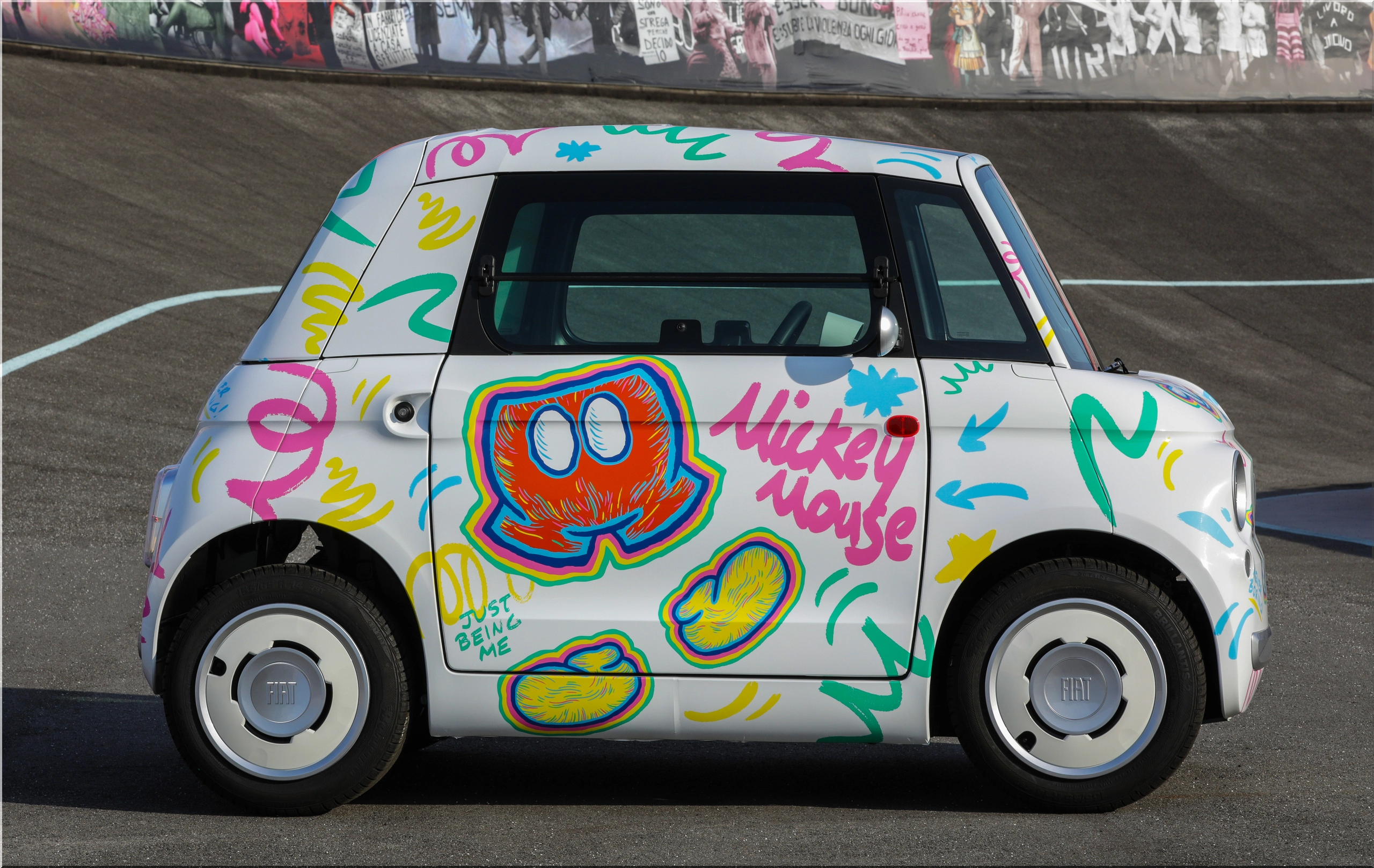
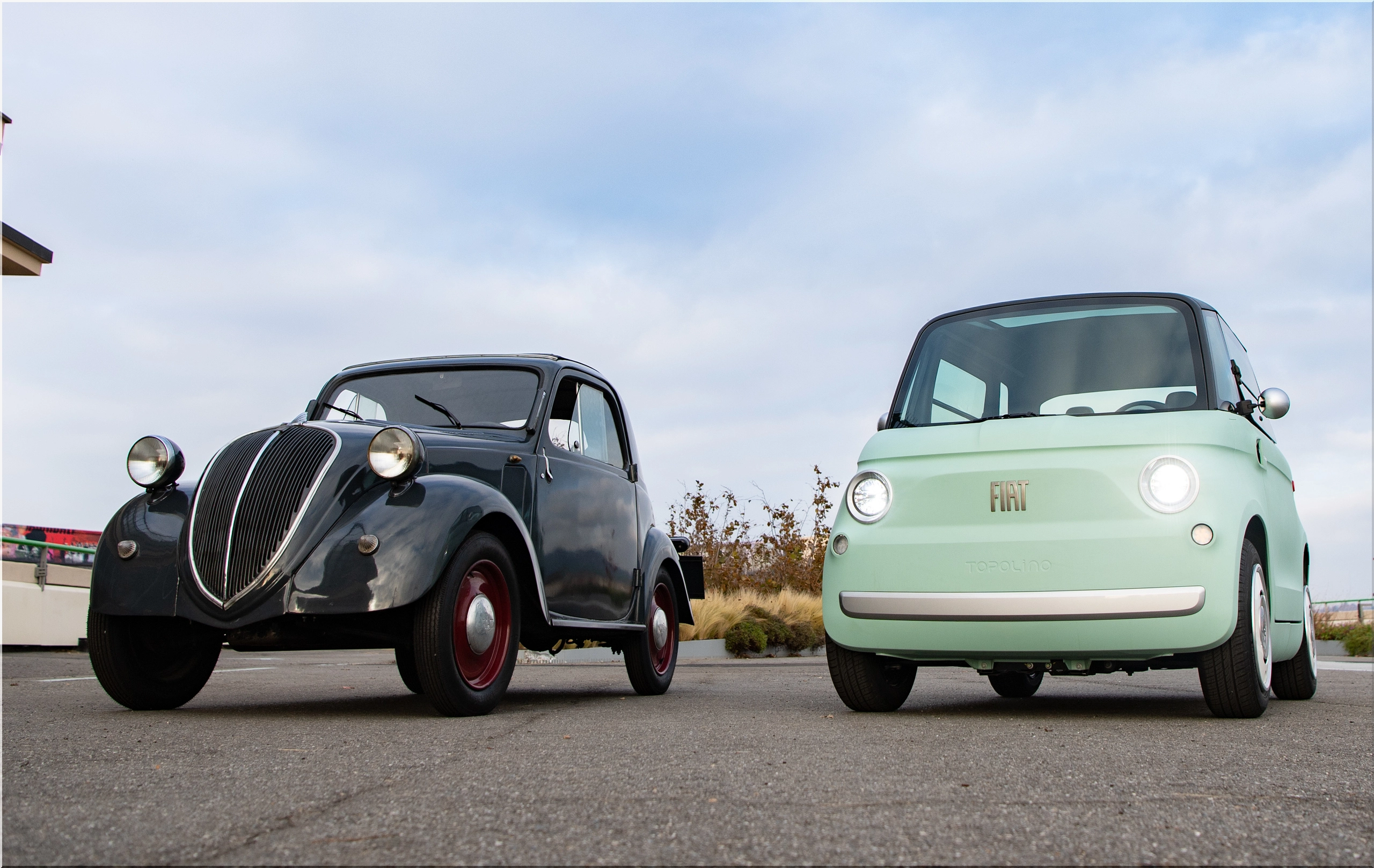
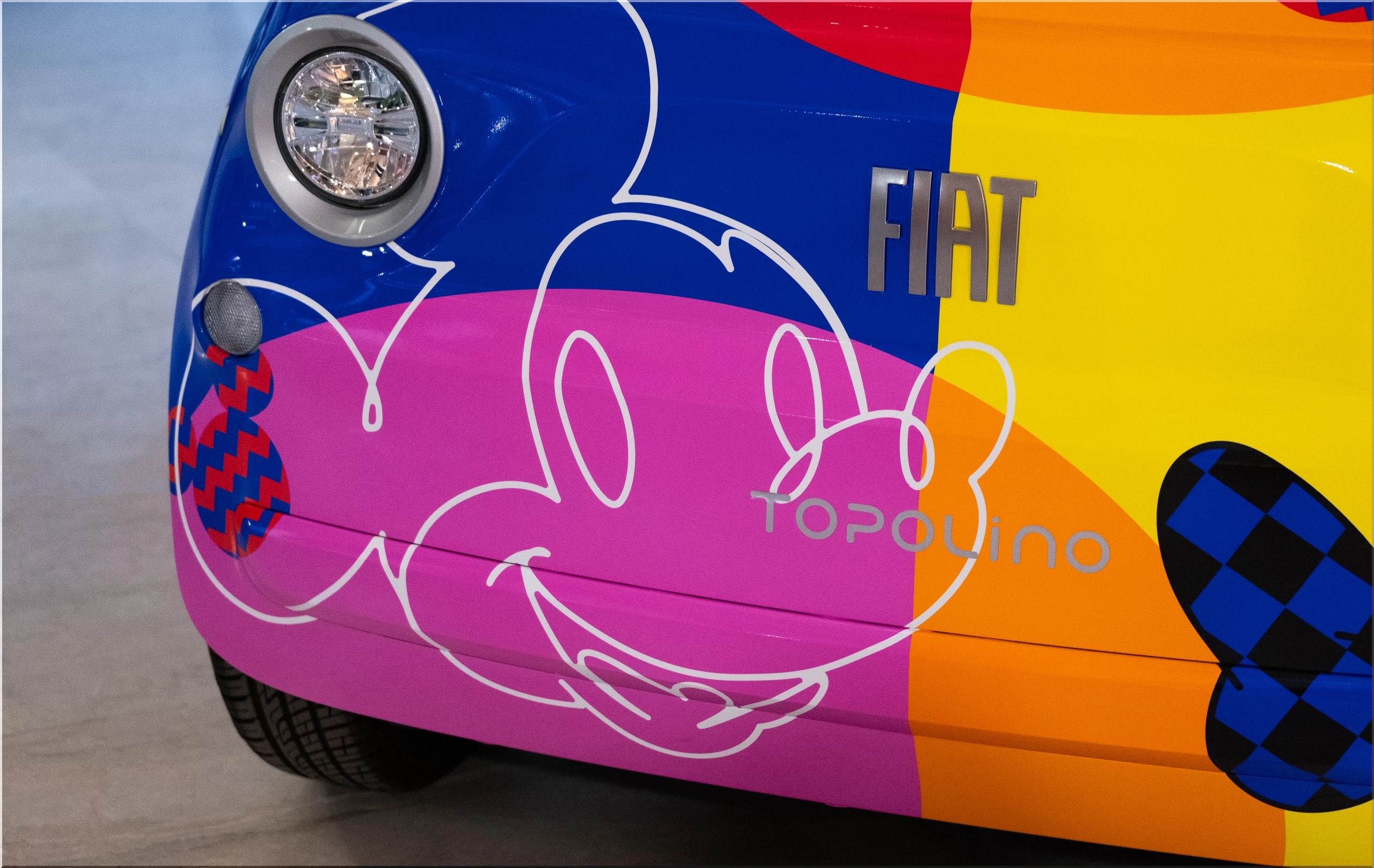
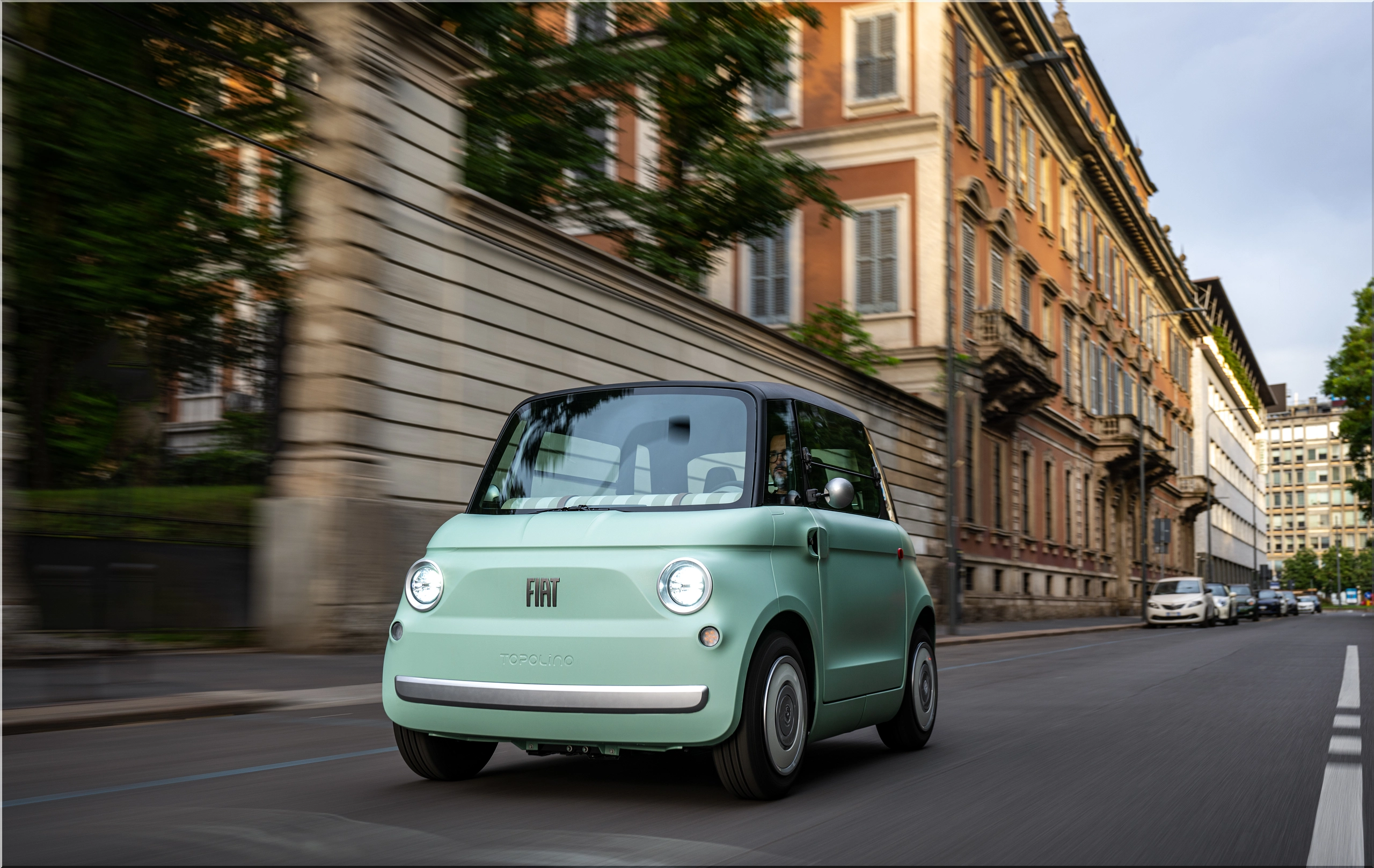
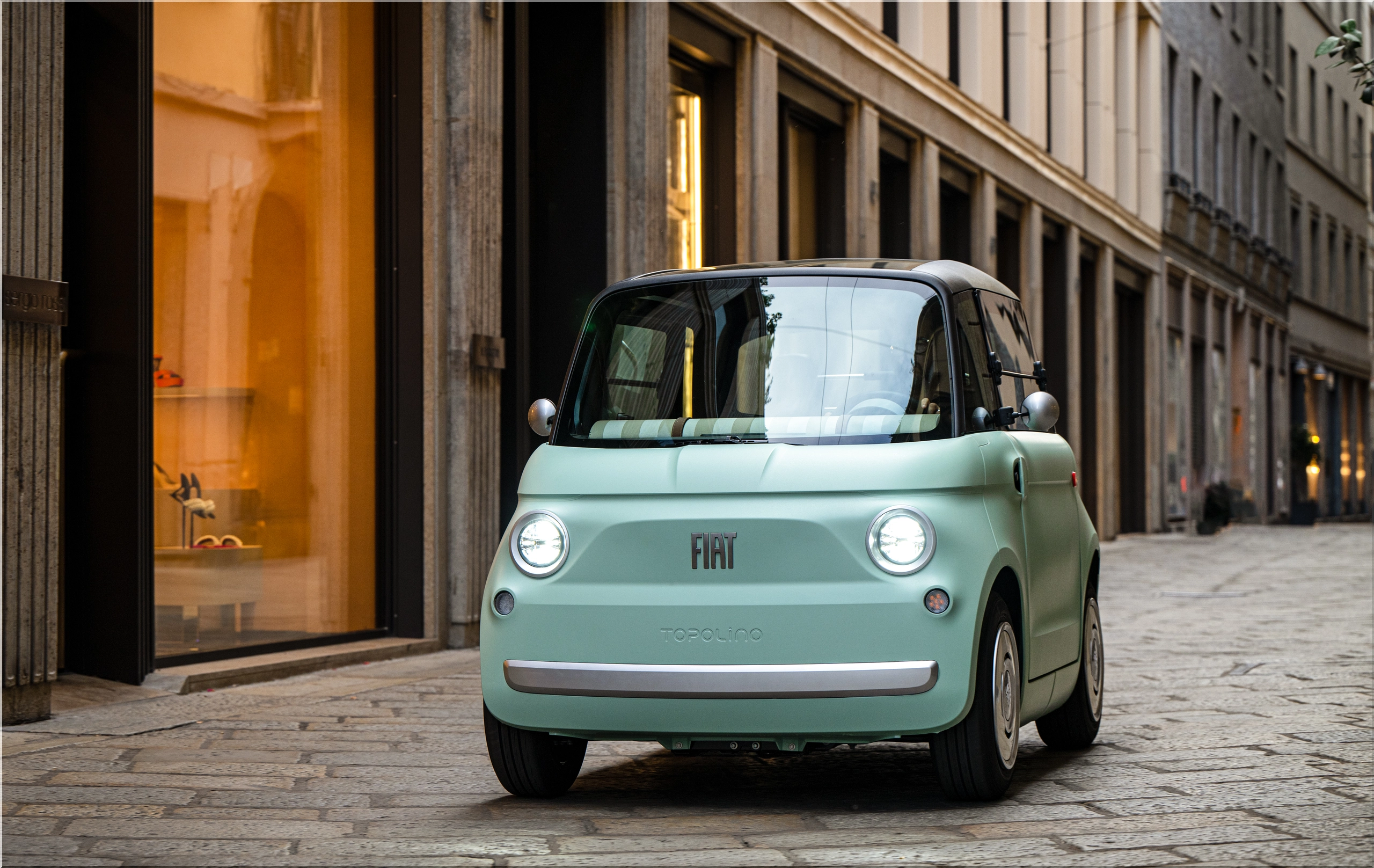
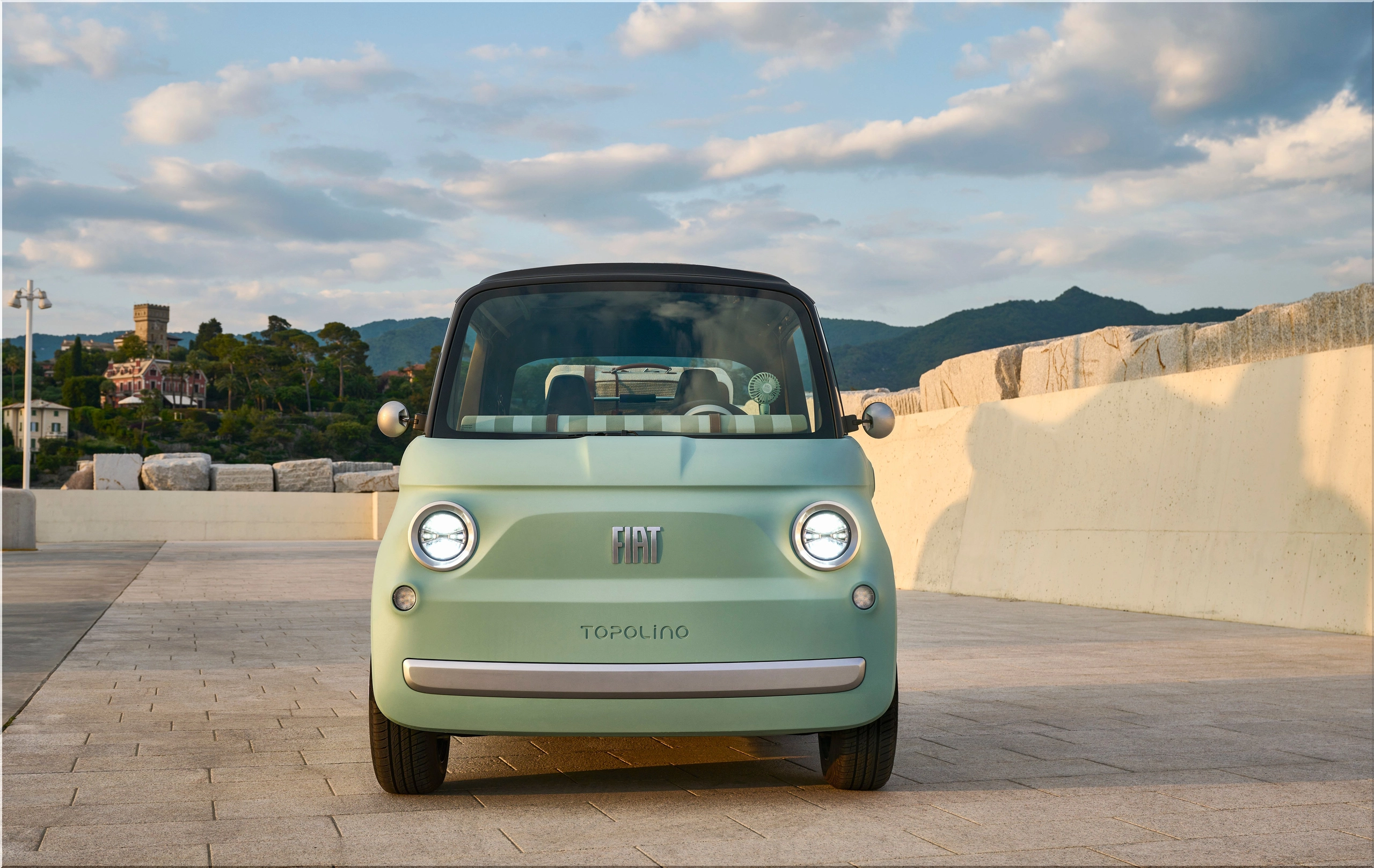
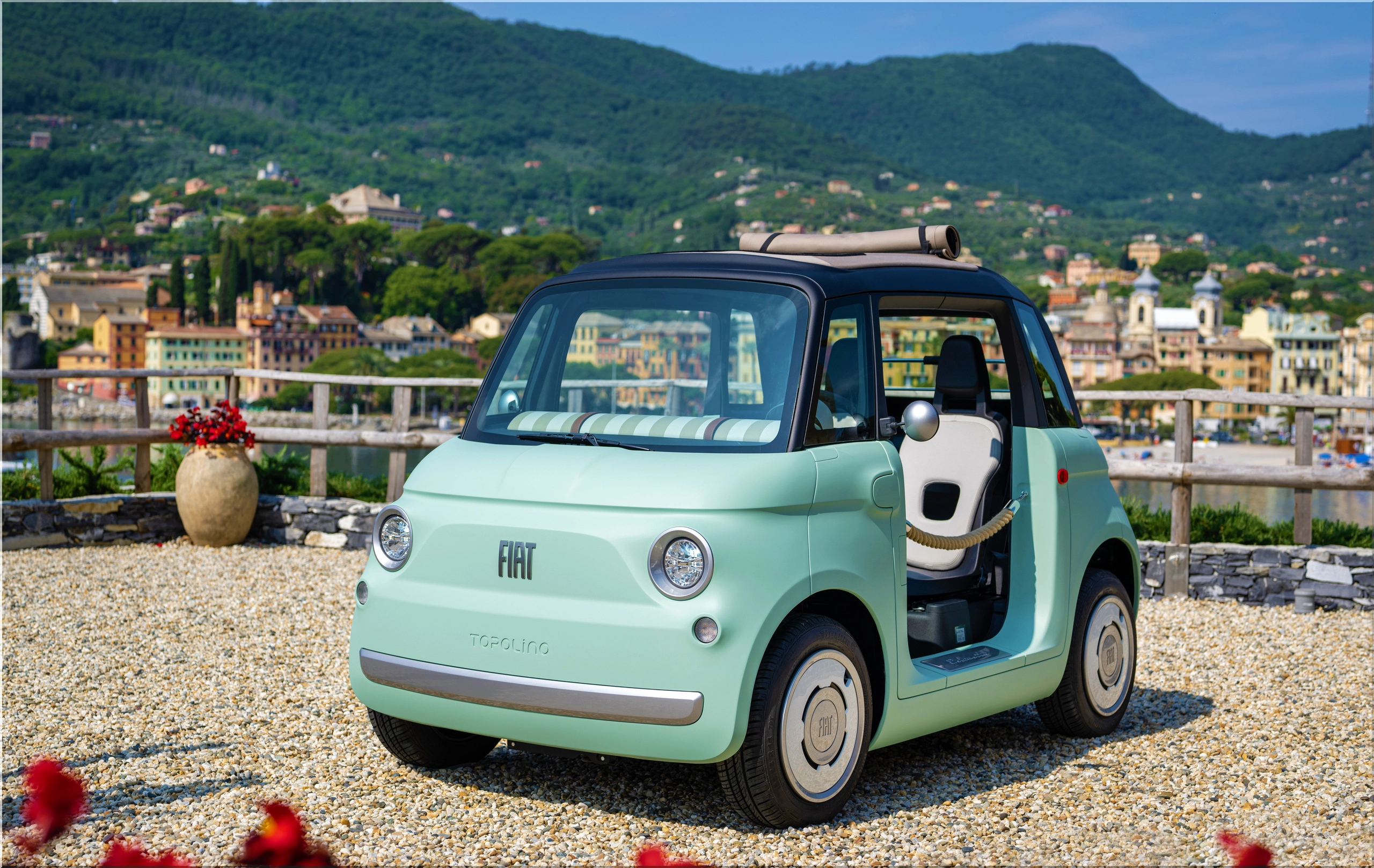
The Topolino looks like a toy. It behaves like a tool. Fiat built it for tight cities, slow lanes, and parking spots that hate SUVs.
Fiat showed the Topolino in the U.S. during recent events. Fiat CEO Olivier Francois said buyers reacted fast. He also said details will come next year.
What the Fiat Topolino EV is
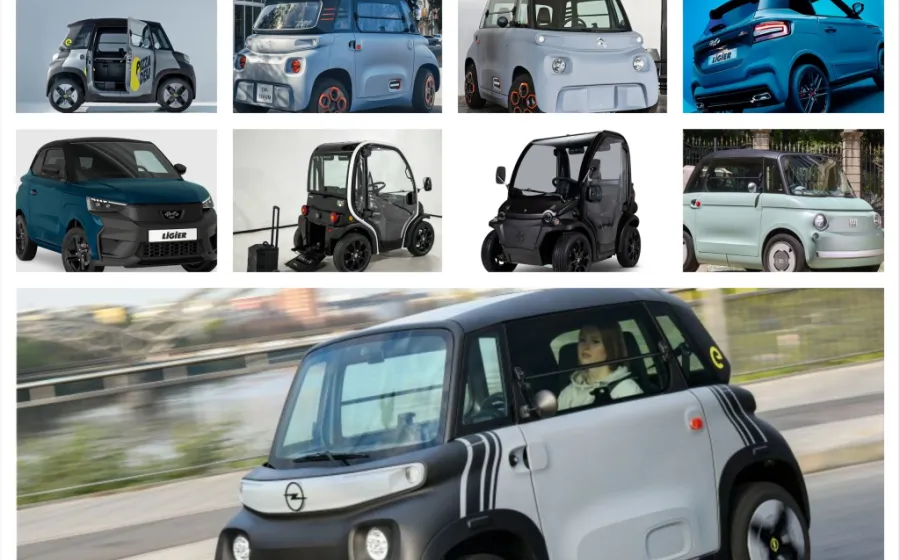
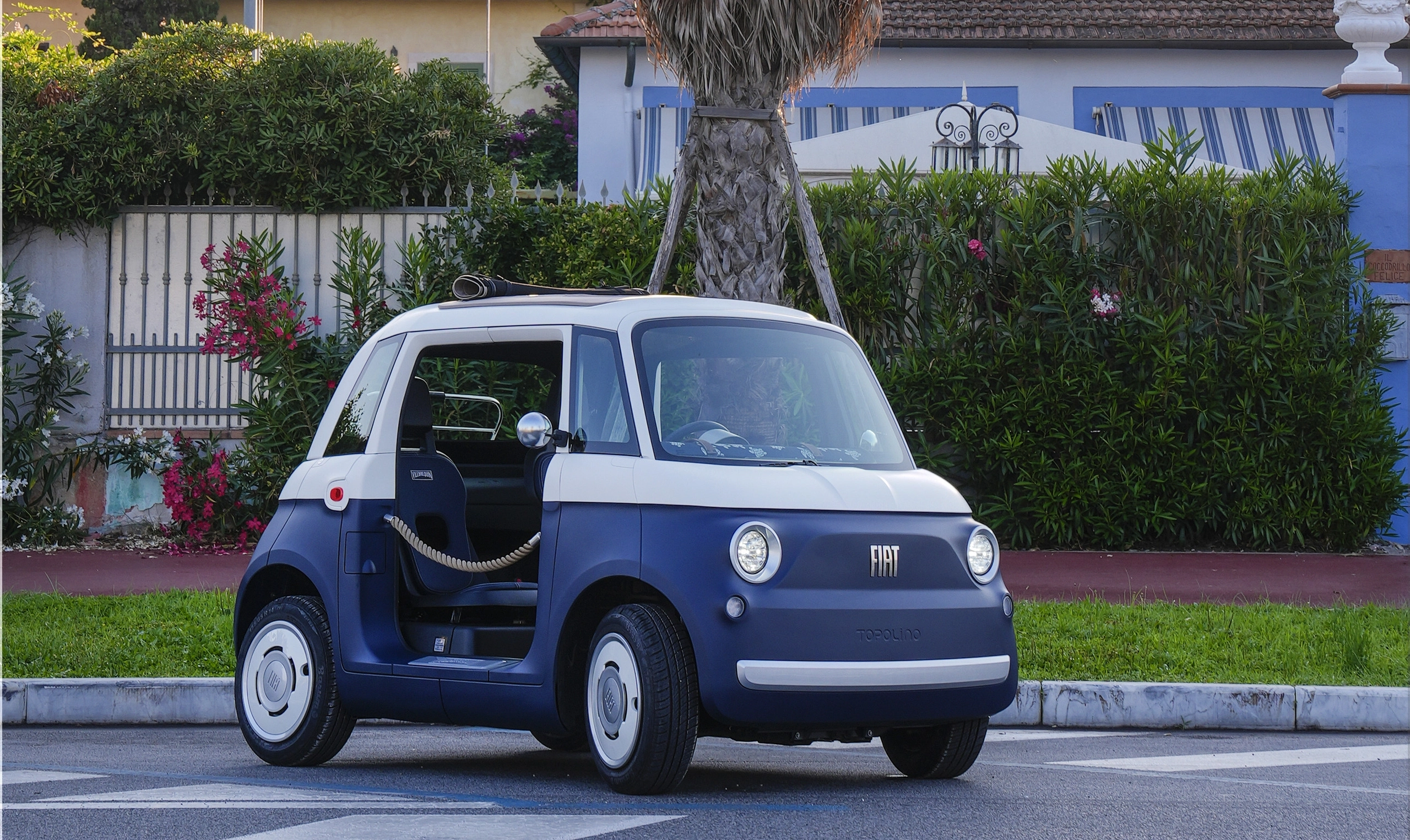
The Topolino fits the European quadricycle class. Fiat built it on the same base as the Citroen Ami and Opel Rocks Electric.
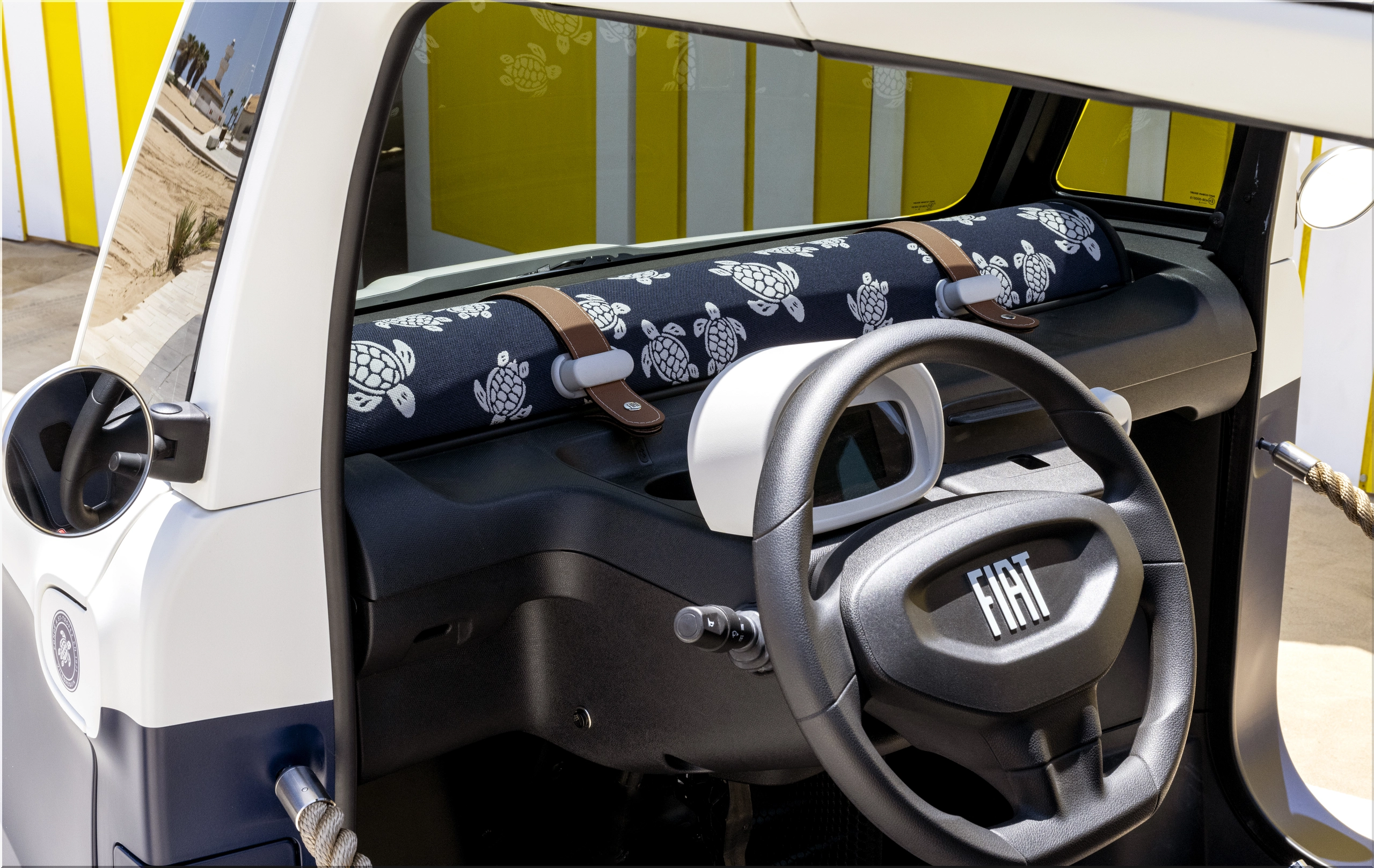
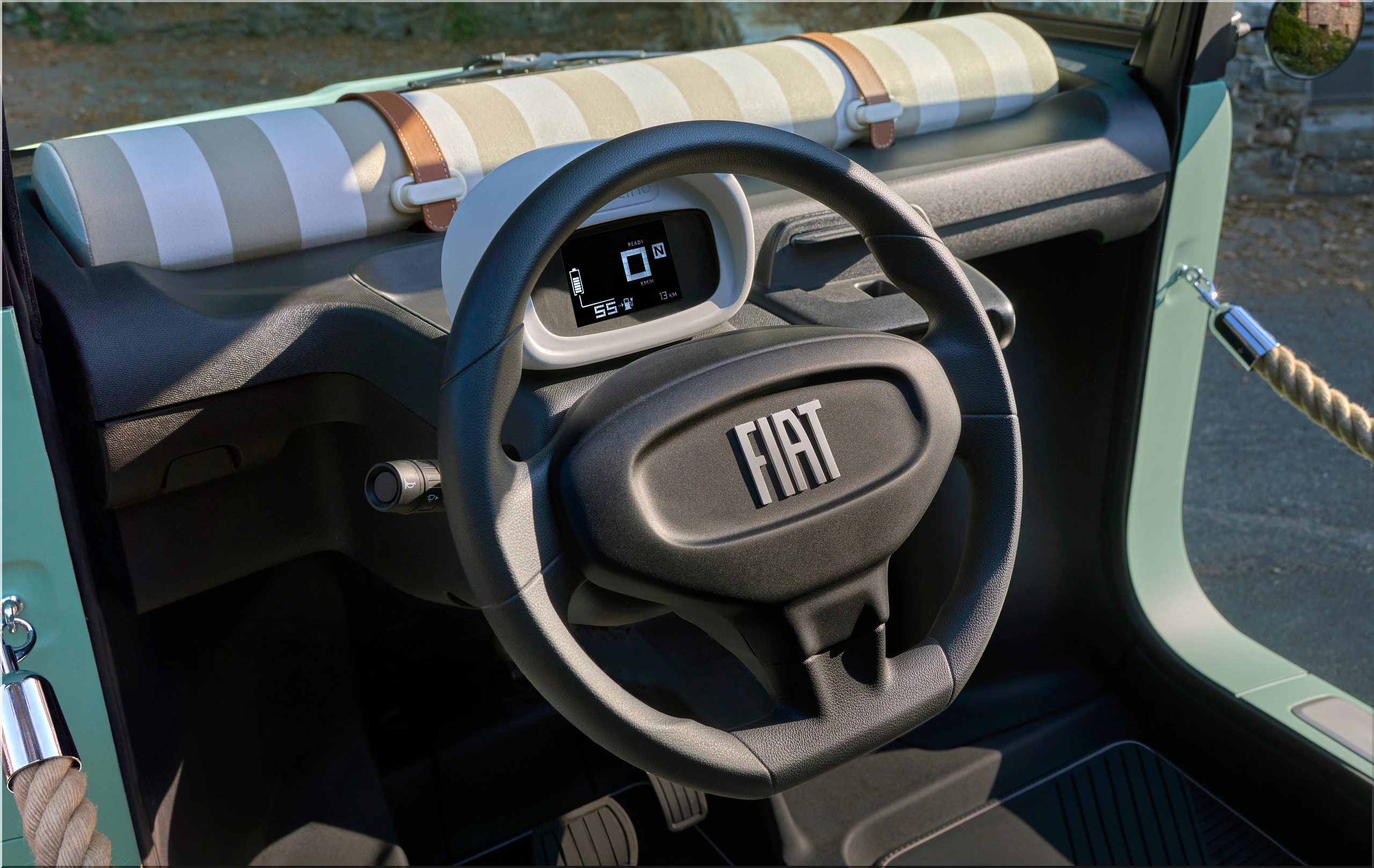
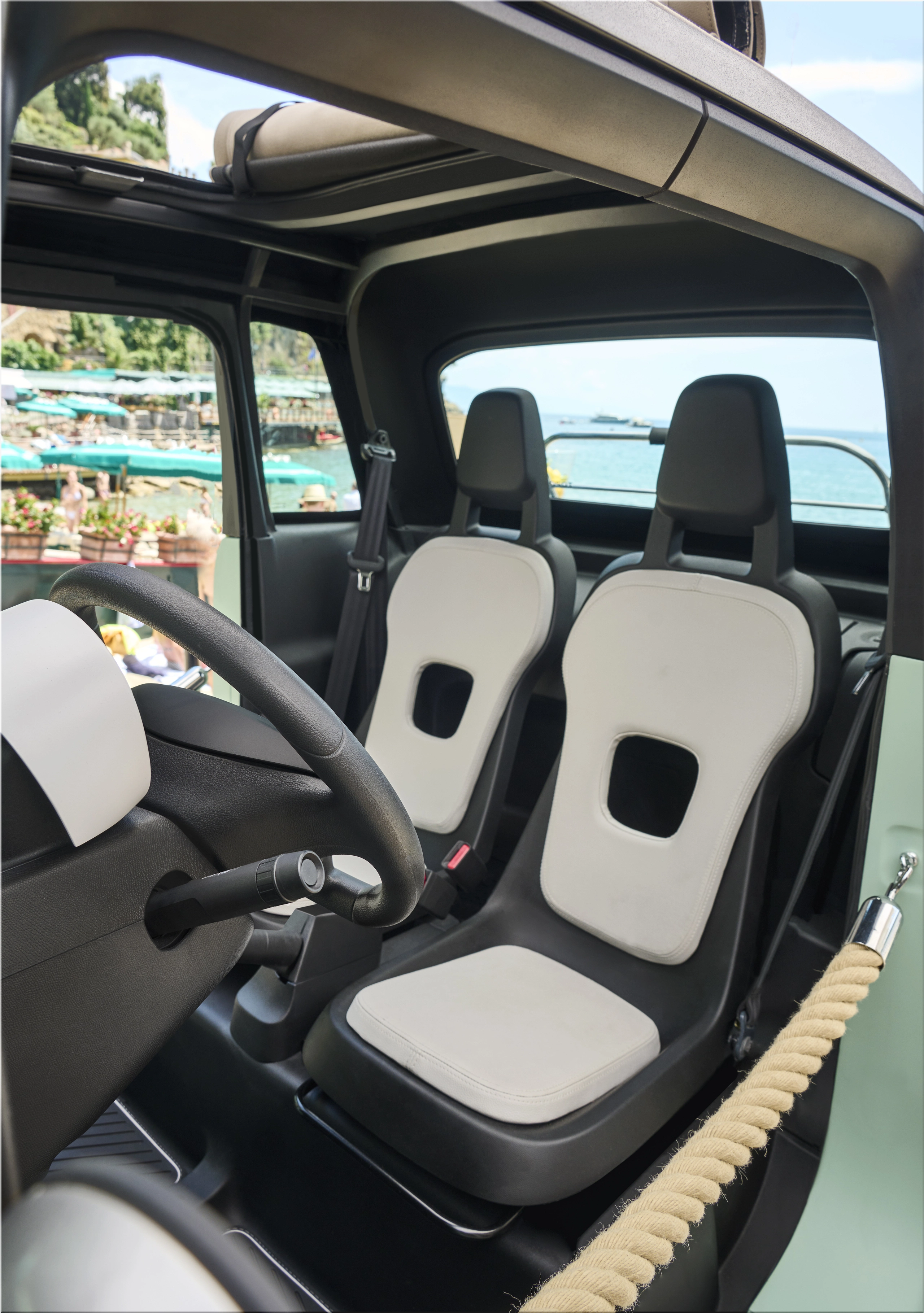
Fiat builds the car in Morocco. It carries two people. It uses a small motor and a small battery.
You buy this car for trips under ten miles. You do not buy it for speed. You also do not buy it for crash protection.
Core specs that shape real use
- Top speed: about 28 mph
- Range: up to 75 km, about 47 miles
- Battery: about 5.5 kWh
- Seats: 2
- Length: under 100 inches
- Charging: standard outlet, about 4 hours
Those numbers scream one message. The Topolino runs errands. It avoids fast roads.
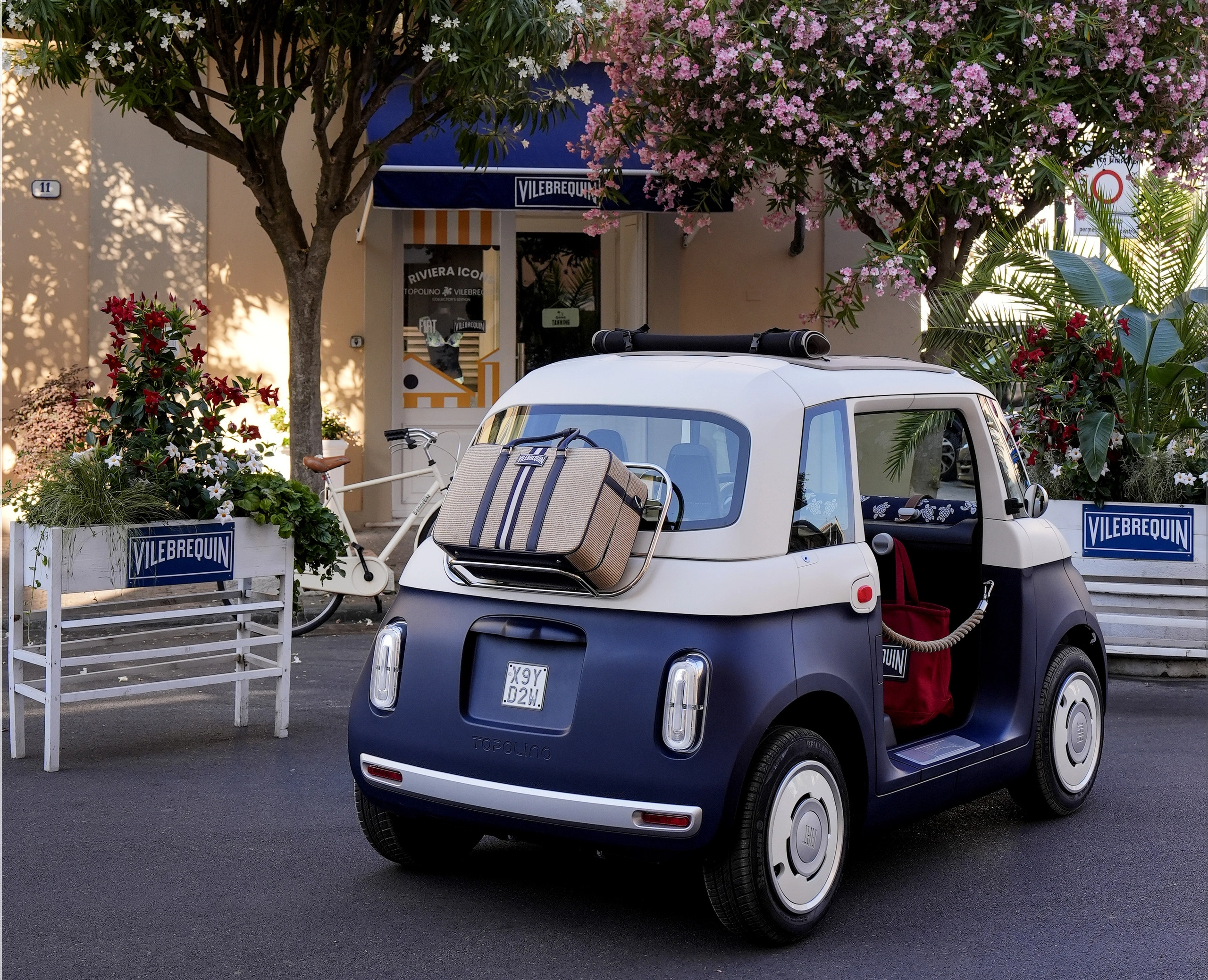
The U.S. rule problem: LSV speed caps collide with Topolino speed
U.S. regulators already allow small street vehicles. They use the low-speed vehicle category. People also call it an LSV. Many buyers also use neighborhood electric vehicle as a catch-all label.
Federal LSV rules set a tight speed band. An LSV must reach over 20 mph. It must stay at or below 25 mph.
The Topolino hits about 28 mph. That three-mph gap looks small. It can turn into a major legal and cost issue.
Stellantis has two clear paths.
- Limit Topolino top speed to 25 mph and sell it as an LSV.
- Chase full passenger-vehicle compliance and raise cost and weight.
The second path destroys the point of a micro EV. Expect the first path.
That choice also sets buyer limits. Many states restrict LSV use to roads with lower posted speeds.
Safety in mixed traffic: size sets the odds
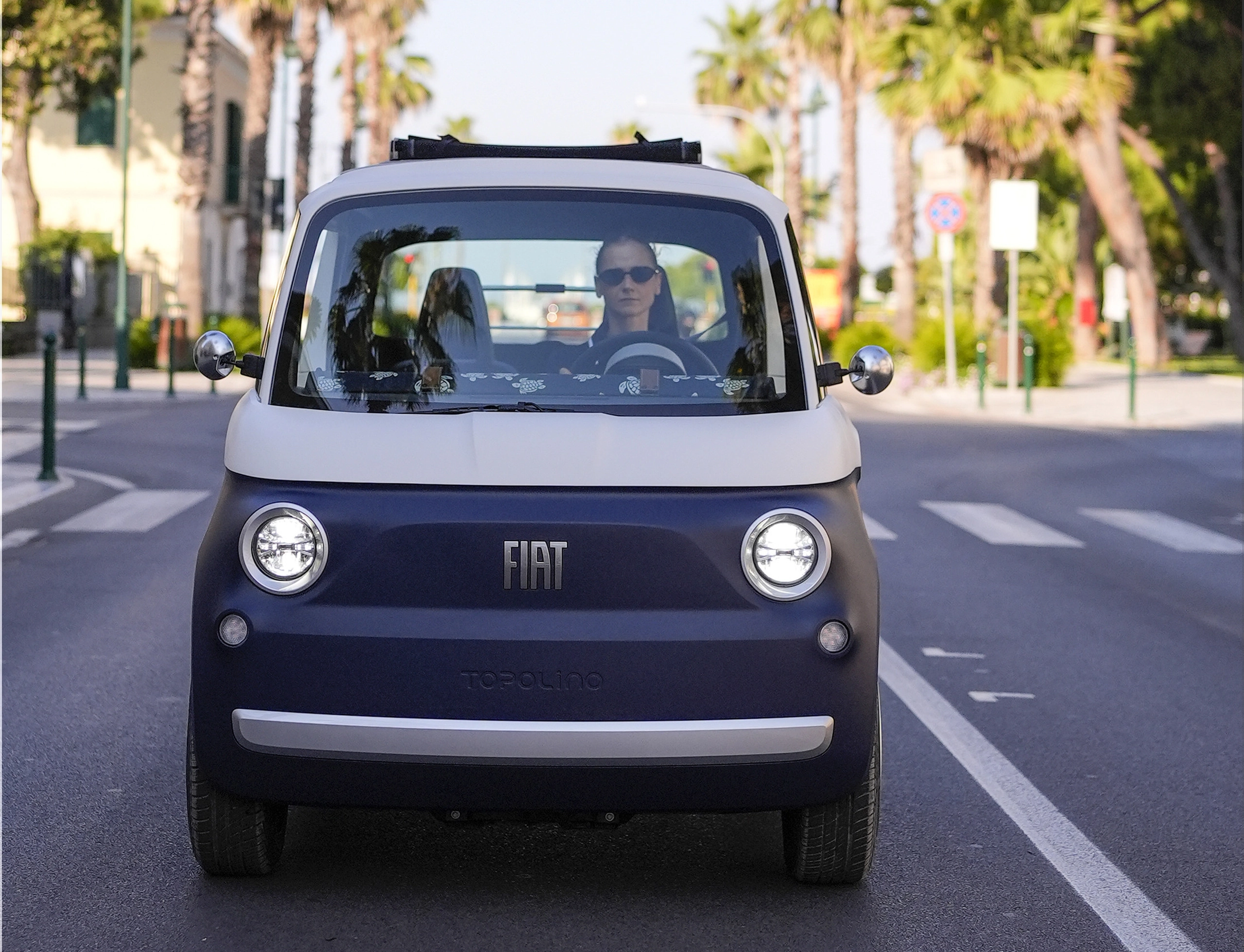
Physics plays no favorites. A tiny vehicle loses against a tall pickup. The Topolino stays tiny by design.
Fiat can add lights, belts, and a few safety items. Fiat can not change mass. Fiat can not change bumper height gaps.
This does not make the car unusable. It makes route choice a daily task.
A practical safety filter for micro EV buyers
Use this quick screen before you even think about a Topolino.
- Your common roads run 35 mph or less.
- You can reach stores without crossing multi-lane arterials.
- You park in tight spots where a big car wastes time.
- You accept low-speed driving as normal, not as a penalty.
If you fail two items, skip a micro EV. You will hate it. Other drivers will hate you too.
Price pressure makes tiny cars look sane
New cars cost a lot. Recent U.S. averages hover near $50,000. That number turns many shoppers into math people.
In Europe, Fiat lists the Topolino around 9,900 euros, about $11,500. Fiat has not shared a U.S. price.
Do not expect a straight currency swap. Shipping, compliance, dealer margins, and state rules will move the number.
Still, the concept lands well. An urban EV that costs near a used compact sounds practical. It also sounds like a dare.
The market signal: kei-car talk and microcar demand data
Public talk around kei cars helped push micro vehicles back into the news. Small cars have also struggled in the U.S. for decades.
S&P Global Mobility data showed a strong microcar year in 2014. The segment hit about 114,000 sales that year.
That number still looks tiny beside mainstream segments. Stellantis knows that. Stellantis also sees a gap in city transport.
Comparison table: Topolino vs similar low-speed micro EV options
This table compares the Topolino with close peers and U.S.-market LSV-style options. Specs and pricing can vary by trim.
| Vehicle | Approx price (USD) | Top speed | Seats | Use pattern |
|---|---|---|---|---|
| Fiat Topolino EV | $11,500 (Europe list) | About 28 mph | 2 | Errands on slow streets |
| Citroen Ami | About $9,900 (from 8,490 euros) | About 28 mph | 2 | Same mission, different badge |
| Opel Rocks Electric | Varies by market | About 28 mph | 2 | Same base, youth focus |
| Neighborhood LSV class | Often $10,000 to $25,000 | 25 mph cap | 2 to 4 | Community roads and local errands |
| Open-air beach LSV class | Often $20,000 to $30,000 | 25 mph cap | 4 | Resort zones and short loops |
The table shows the key friction point. U.S. street-legal small EVs live at 25 mph.

What to ask before you buy one
Micro EV hype dies fast when paperwork shows up. Ask these questions early.
- Will my state register the Topolino as an LSV?
- Which roads near my home allow LSV travel?
- Will Stellantis cap U.S. top speed at 25 mph?
- What safety items come standard on the U.S. car?
- What warranty covers the battery and drive unit?
- Which dealers will stock parts and service tools?
Buyers often skip question six. Then they wait weeks for a mirror or a door latch. Small cars still need support.
Who will like the Fiat Topolino EV
The Topolino fits a narrow group. That group can love it.
- City drivers with short, slow routes
- Campus users who want an enclosed ride
- Two-vehicle households that want a cheap local runner
- Retirement communities with LSV-friendly streets
The Topolino fits poorly in most suburbs. Suburbs push drivers onto faster roads. Faster roads punish slow vehicles.






What Stellantis should publish for a clean launch
Stellantis can sell this car. Stellantis must speak plainly.
- Final U.S. classification and registration guidance by state
- Final top speed and speed-limiter details
- Clear road-use limits with real examples
- Target price range in USD with common fees
- Service plan that covers parts, training, and wait times
If Stellantis avoids plain answers, buyers will walk. They will also mock it online. They will then keep buying used crossovers.
The Fiat Topolino works when a buyer uses it like an urban tool. If a buyer uses it like a normal car, trouble follows.
- Add new comment
- 193 views