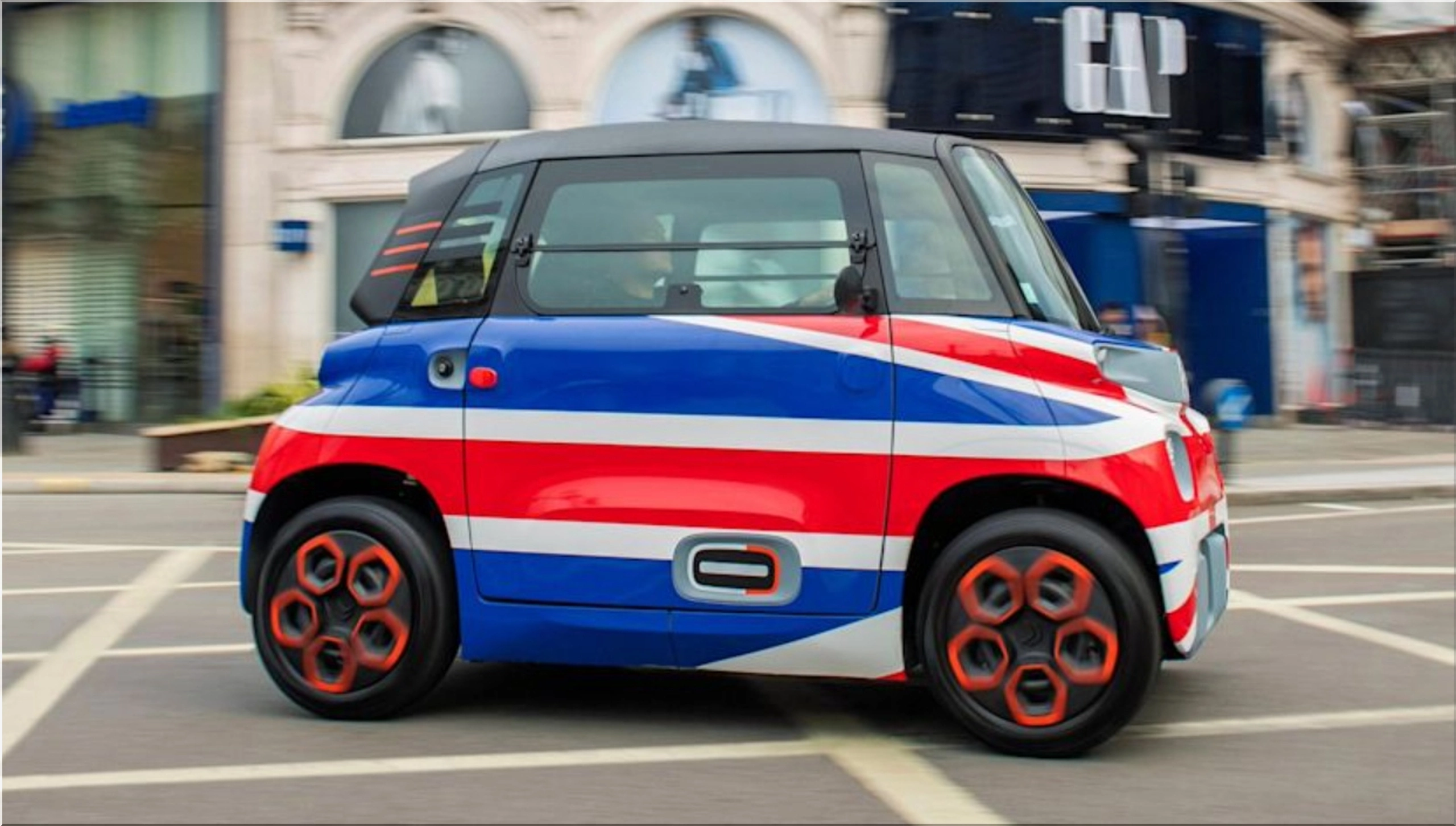
Choosing your first quadricycle is easier when you break it into clear steps. Use this practical checklist to match your routes, licence, budget, and comfort needs to the right model—whether that is an L6e 45 km/h city runabout or a more capable L7e microcar.
Who this guide is for
- First-time buyers comparing L6e vs L7e.
- Parents evaluating options for teen drivers (where legal).
- City commuters, campuses, and small businesses needing low-cost urban mobility.
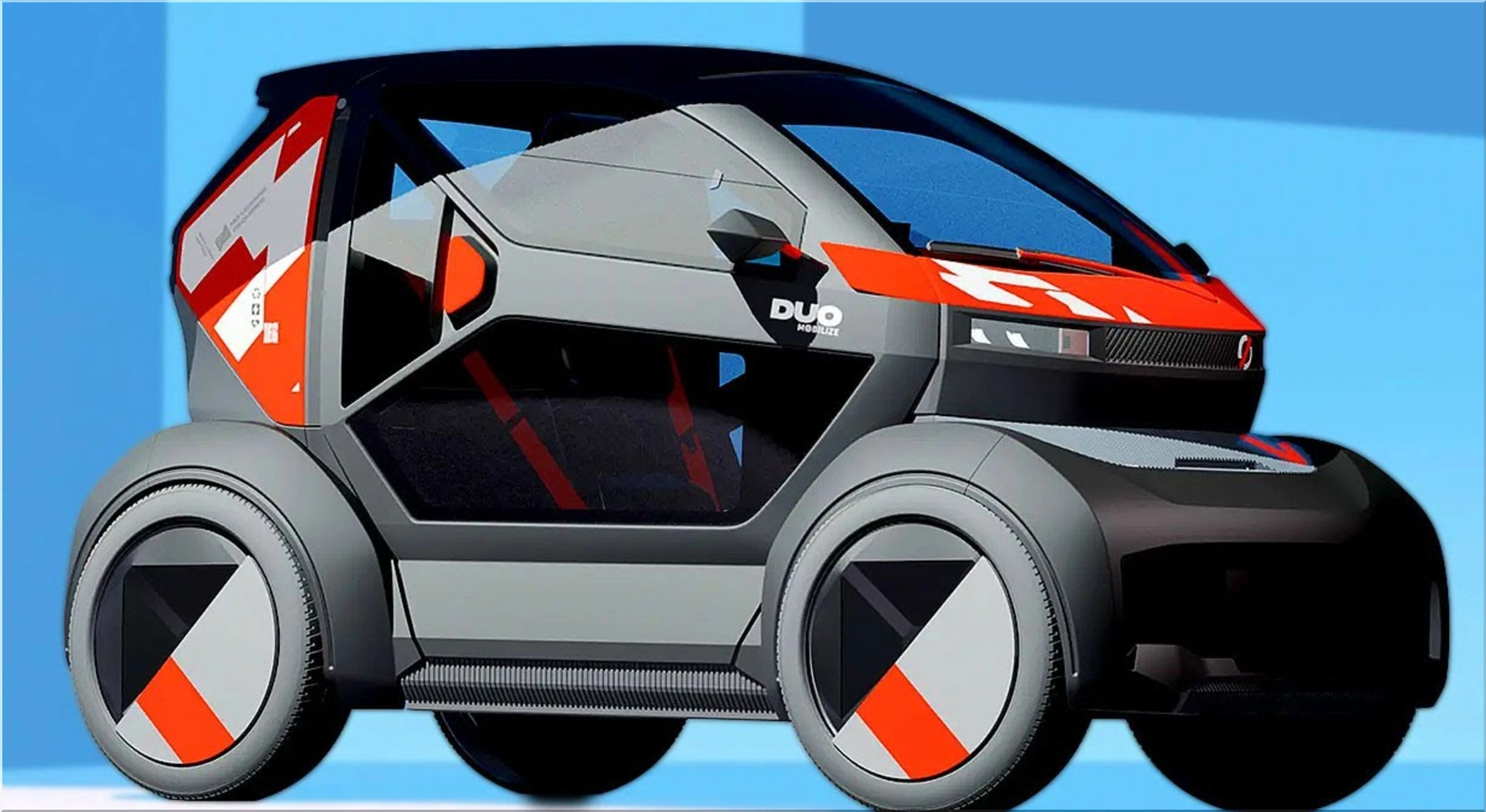
Step 1: Confirm your routes and speeds
- Map your daily trips: note distance, hills, average speed, and any 60–80 km/h links.
- Match class to roads:
- Mostly 30–50 km/h streets → shortlist L6e.
- Regular 60–80 km/h connectors (where permitted) → shortlist L7e.
- Check access rules: note any motorway bans, low-emission zones, or minimum-speed roads.
Step 2: Check licensing and age rules early
- Identify the licence category you need for L6e vs L7e in your country.
- Verify minimum age, theory/practical requirements, and restrictions for passengers.
- If buying for a teen, collect insurance quotes before test drives.
Step 3: Set a realistic range target
- Daily round trip + 30% buffer is a good rule of thumb.
- Cold weather, steep climbs, extra weight, and constant 45 km/h reduce range.
- If your day regularly exceeds 50–70 km, plan a midday top-up or consider L7e options with larger batteries.
Step 4: Pick the right body style and weather protection
- Open vs enclosed: doors, windows, and heater/defogger matter in wet or cold climates.
- Seat layout: tandem vs side-by-side; confirm head and knee room.
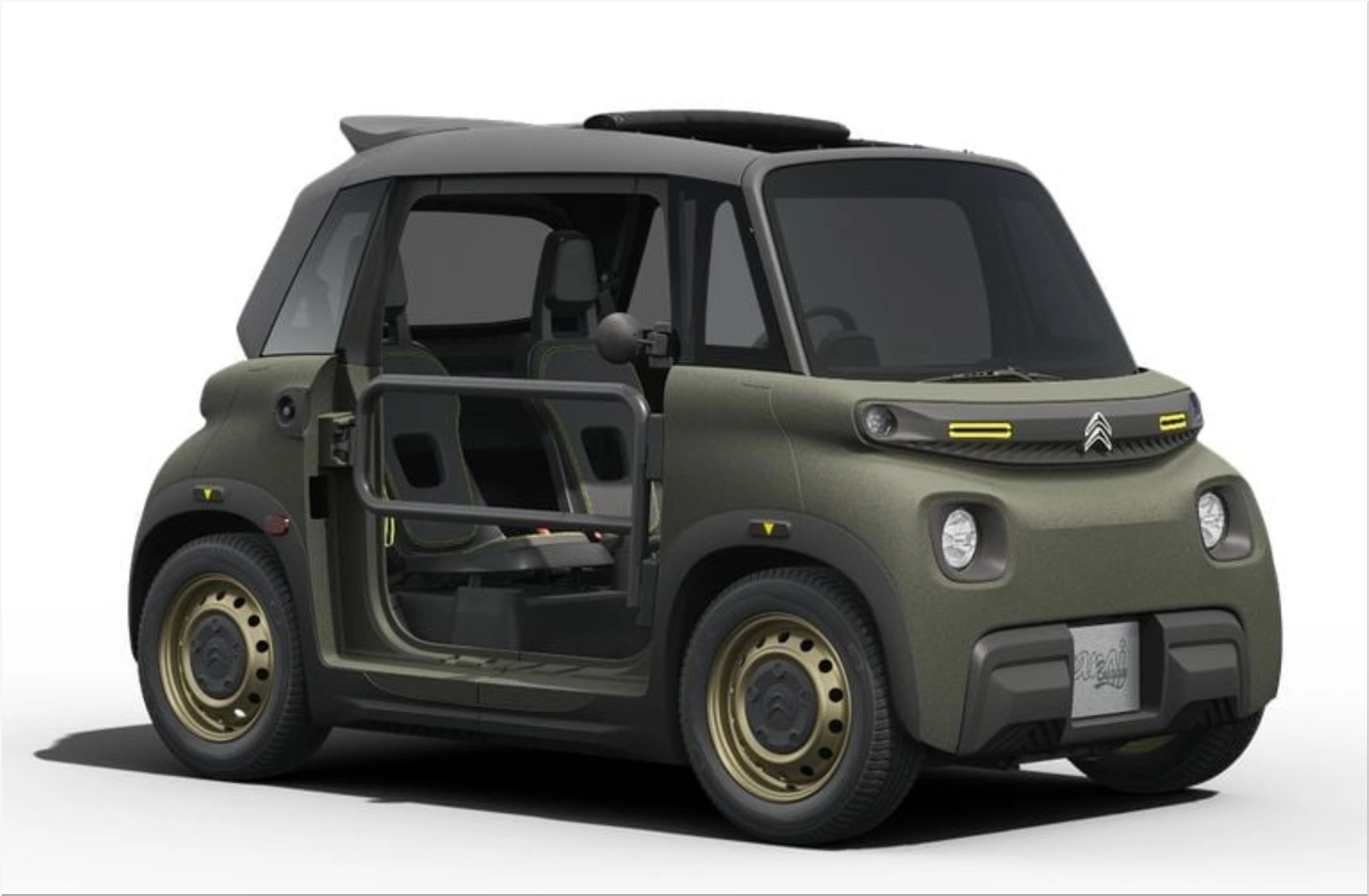
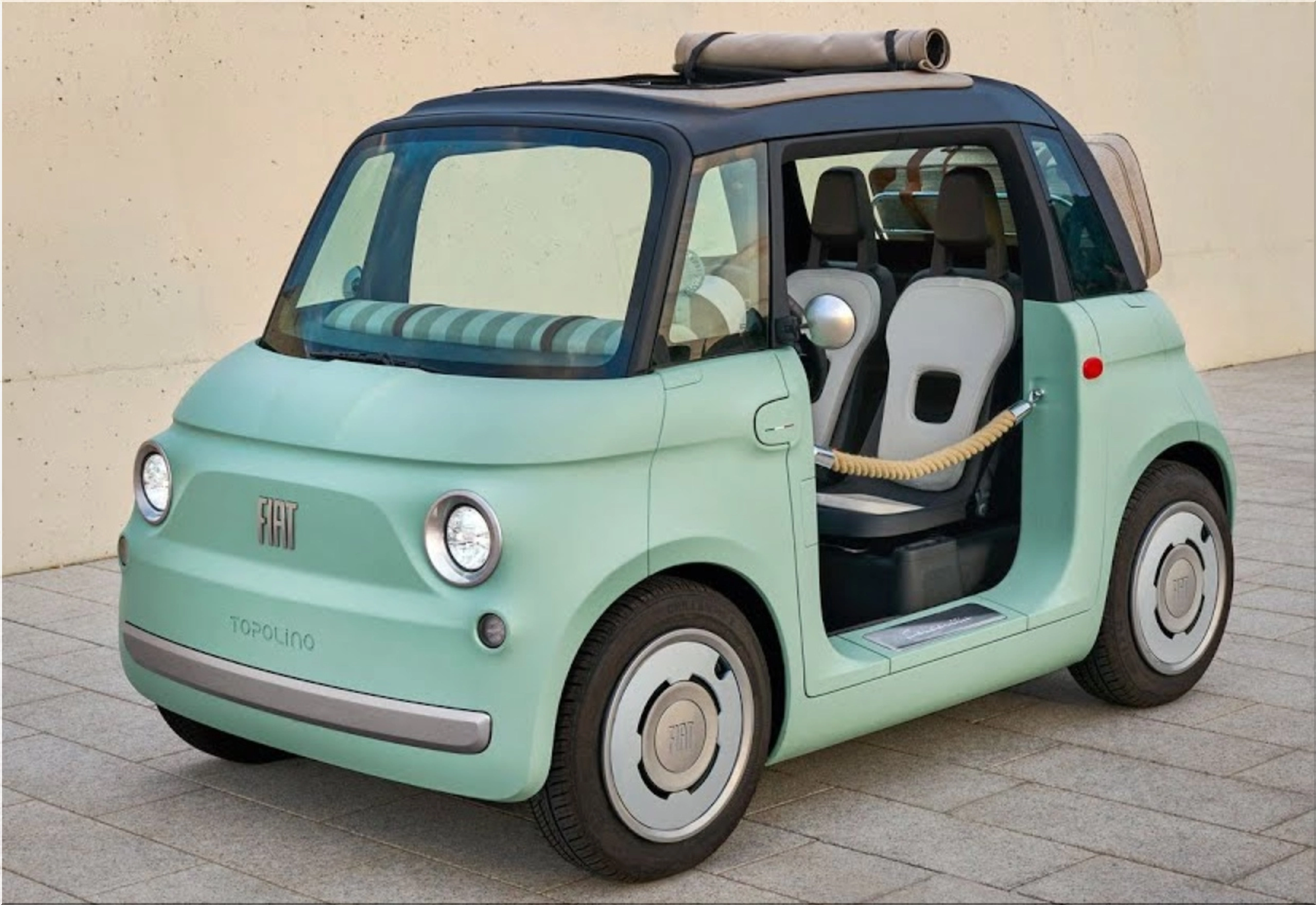
- Cargo: some models offer cargo variants that swap the second seat for a load area.
Step 5: Plan your charging
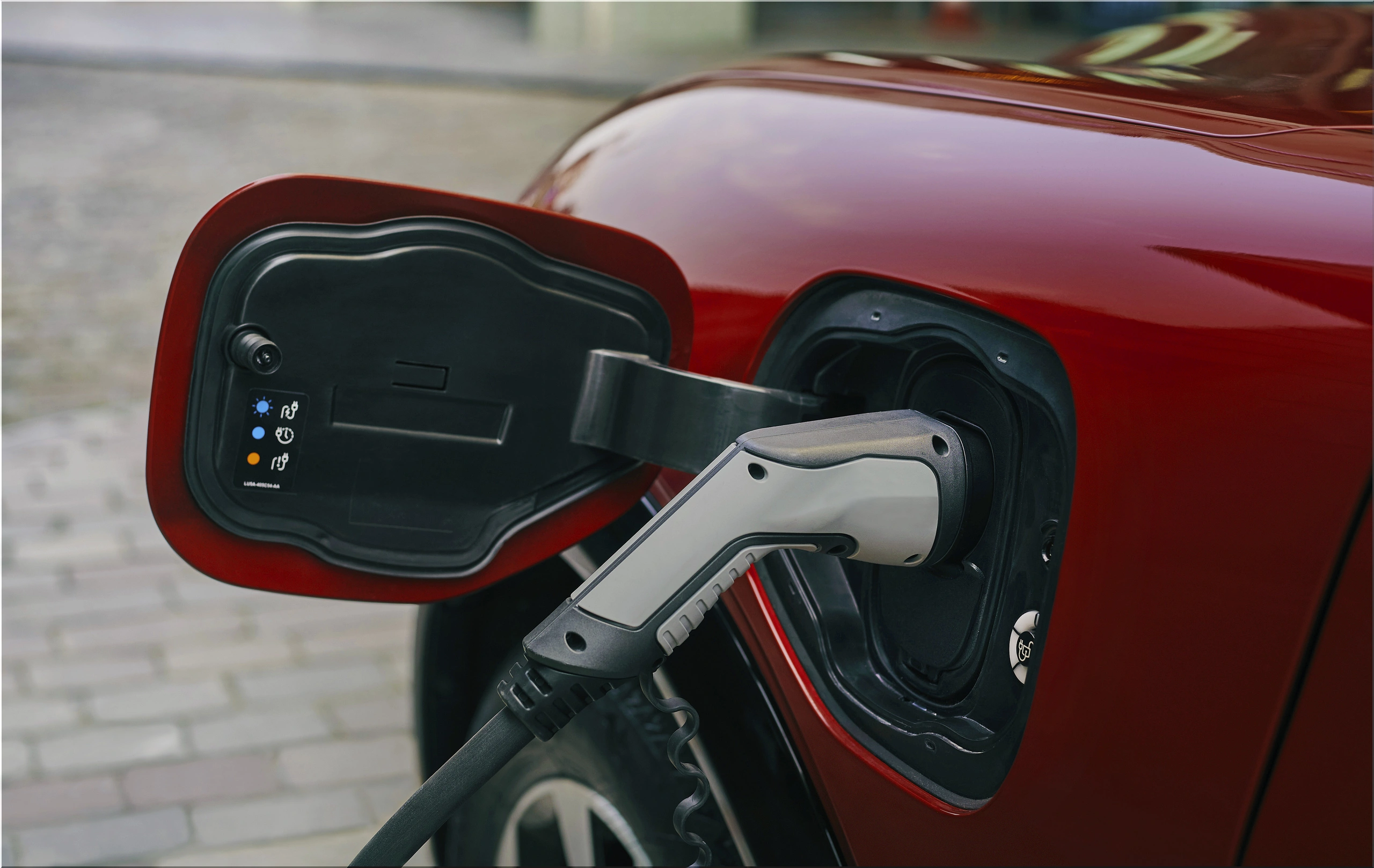
- Home socket readiness: many quadricycles charge from a standard household outlet; confirm cable length and plug type.
- Charging time: typical full charge is a few hours—match this to your daily rhythm.
- Workplace/community charging: check availability and rules for long-stay parking.
Step 6: Prioritise safety essentials
- Core items: seatbelts, lighting, mirrors, wipers/washer, demist/defog.
- Visibility: big windscreens help; add rear parking aids if offered.
- Tyres: choose reputable all-season or winter tyres for your climate.
- Drive defensively: remember quadricycles follow lighter standards than passenger cars.
Step 7: Test drive with a comfort checklist
- Ergonomics: seat padding, posture, steering reach, pedal spacing.
- Ride and noise: evaluate cobbles, speed humps, and wind noise near top speed.
- Controls: heater effectiveness, window operation, phone mount, and storage.
- Turning circle: practice U-turns and tight parallel parks.
Step 8: Add up ownership costs (TCO)
Consider a 3–5 year view:
- Energy: kWh per 100 km × local price.
- Insurance: varies by age/licence and vehicle class.
- Maintenance: tyres, brakes, wiper blades, cabin filter, brake fluid.
- Depreciation: compare new vs used vs subscription offers.
- Parking/permits: resident or workplace fees.
Quick TCO sketch:
Monthly cost ≈ Energy + Insurance + Maintenance reserve + Depreciation + Parking.
Step 9: New vs used vs subscription
- New: warranty, latest battery, predictable costs.
- Used: lower price; check battery health, tyres, brake wear, window kits.
- Subscription/sharing: fixed monthly fee; good for trial periods or seasonal use.
Step 10: Paperwork to request from the seller
- EU type-approval info and Certificate of Conformity (CoC).
- Service history and tyre date codes.
- Charging accessories and any software/firmware notes.
- For used EVs: battery state-of-health documentation if available.
Step 11: Insurance tips for young or new drivers
- Compare L6e vs L7e premiums; sometimes the slower class is cheaper.
- Ask about telematics or driver training discounts.
- Add security devices or off-street parking details if they lower the quote.
Step 12: Seasonal prep and must-have accessories
- Winter: quality winter or all-season tyres, anti-fog wipes, scraper, gloves.
- Summer: sunshade, extra ventilation/window kit where available.
- All year: compact compressor, tyre gauge, microfibre cloths, charging cable bag.
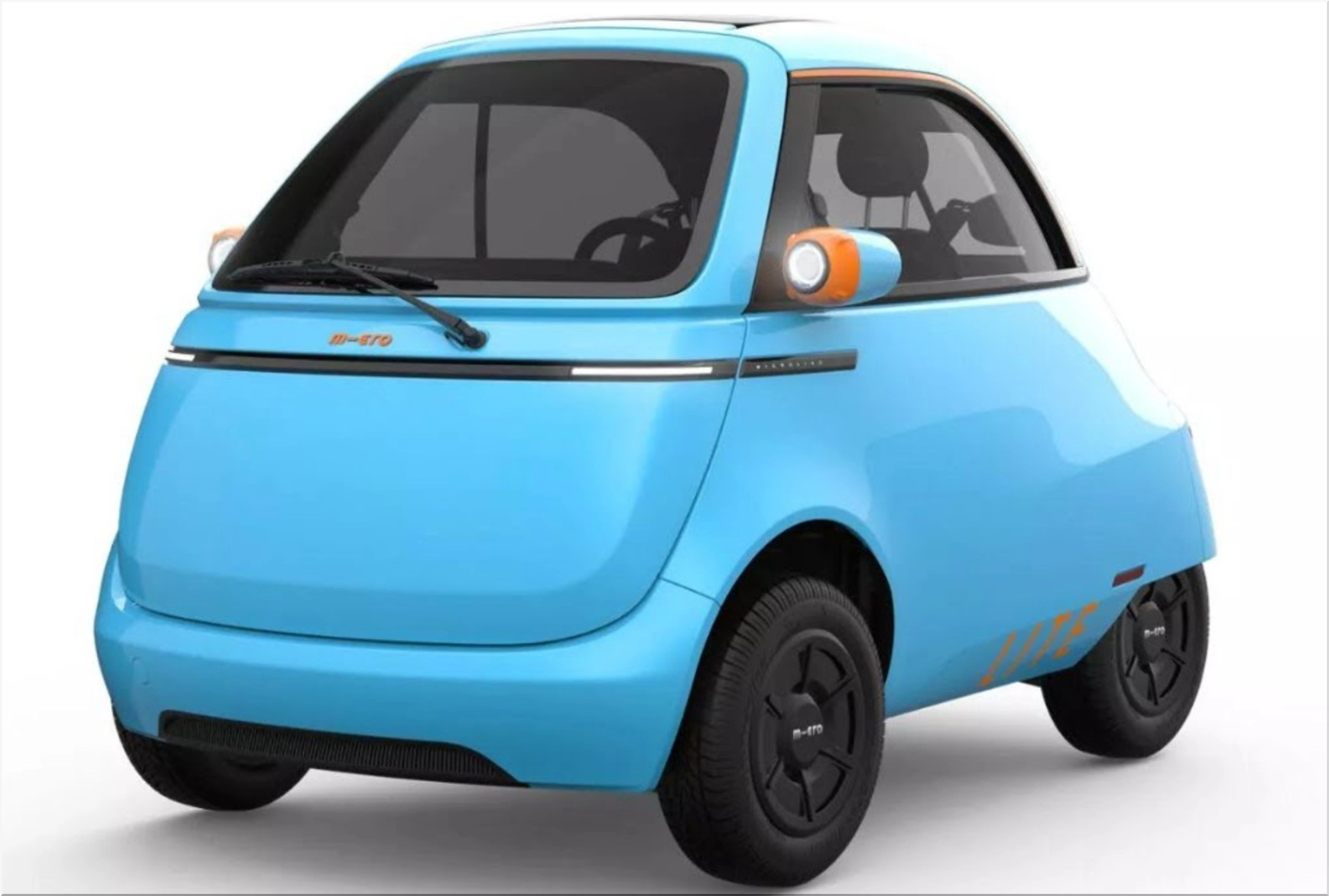
Step 13: Your five-minute shortlist worksheet
Use this to narrow to two finalists.
Routes & rules
- [ ] Daily round trip: ____ km (+30% buffer)
- [ ] Fast-road sections required? Yes / No → If Yes, which speed: ____ km/h
- [ ] Local access/licence confirmed for L6e / L7e
Charging
- [ ] Home socket available (___ m from parking)
- [ ] Workplace/community top-up options
Comfort & safety
- [ ] Doors/windows/heater adequate for climate
- [ ] Visibility and demist acceptable
- [ ] Tyres fit for season
Budget & TCO
- [ ] Monthly energy estimate: €____
- [ ] Insurance quote (L6e): €____ / (L7e): €____
- [ ] Maintenance reserve: €____/month
- [ ] Depreciation or subscription fee: €____/month
Finalists
- _________________________ (L6e/L7e)
- _________________________ (L6e/L7e)
FAQs
Is 45 km/h too slow for daily commuting?
Not if your roads are mostly 30–50 km/h. For regular 60–80 km/h links, consider L7e or rethink the route.
Can a 16-year-old drive a quadricycle?
Often yes for L6e, depending on national rules. L7e usually needs a higher licence category. Always verify locally.
Do quadricycles require special chargers?
Many plug into a household socket. Public posts can help, but home/work outlets cover most daily needs.
What wears out first?
Tyres and wiper blades on city vehicles; budget for periodic brake pads and fluid changes.
- 175 views












Comments