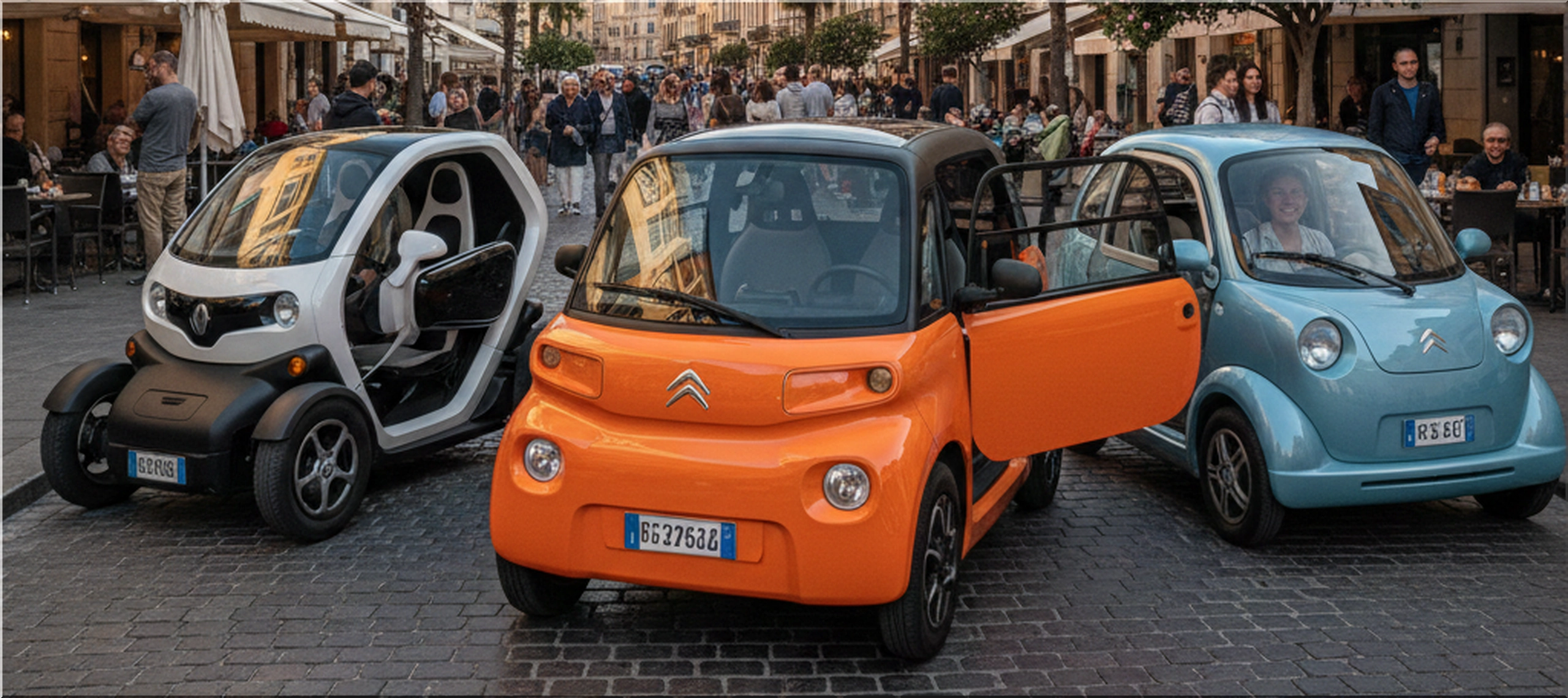
Quadricycles fall into two main EU sub-classes: L6e (light quadricycles) and L7e (heavy quadricycles). Knowing how they differ on power, weight, and speed will help you pick the right vehicle for your routes, licence, and budget.
Quick definitions
- L6e — Light quadricycle: Four wheels, capped for city use with strict limits on speed, power, and mass in running order. Often eligible for moped-style licensing in some countries.
- L7e — Heavy quadricycle: Four wheels with higher power and mass thresholds and greater speed potential. Feels closer to a microcar but is still regulated under L-category rules.
Power limits (what the law allows)
- L6e:
- L6e-A (light on-road quad): max continuous rated power up to 4 kW.
- L6e-B (light quadri-mobile): max continuous rated power up to 6 kW (typically the enclosed-cabin “microcar” style).
- L7e:
- Max continuous rated power up to 15 kW across the L7e subcategories (on-road quads, all-terrain quads, and enclosed quadri-mobiles).
What it means for you: L6e is tuned for short, low-speed urban trips; L7e offers stronger acceleration and more flexible routing where higher speeds are permitted.
Speed limits (design caps vs road access)
- L6e: 45 km/h maximum design speed.
- L7e: Higher than 45 km/h. For enclosed heavy quadri-mobiles (L7e-C), the regulation sets a maximum design speed up to 90 km/h. (Other L7e sub-classes have their own criteria; real-world top speeds vary by model.)
Important: Even if the vehicle’s design allows higher speeds, road access is decided nationally. Many countries restrict quadricycles from motorways and other high-speed roads. Always check your local highway code.
Weight limits (measurement basis matters)
- L6e: Mass in running order ≤ 425 kg.
- L7e: Mass in running order ≤ 450 kg (passenger) or ≤ 600 kg (goods).
Mass in running order is the vehicle ready for normal use with standard equipment and fluids. Manufacturers publish this figure on the type-approval data; it’s the number to compare when shopping.
Use-case fit: which class matches your day?
L6e (light)
- Dense 30–50 km/h city grids
- Short, repeatable commutes and errands
- Teen drivers (where licensing allows)
- Lowest purchase and insurance costs in the segment
L7e (heavy)
- Mixed urban/suburban routes with occasional faster connectors
- Need for stronger acceleration or higher cruising speeds (where legal)
- More cabin options and comfort features than most L6e models
Model examples (to anchor the limits)
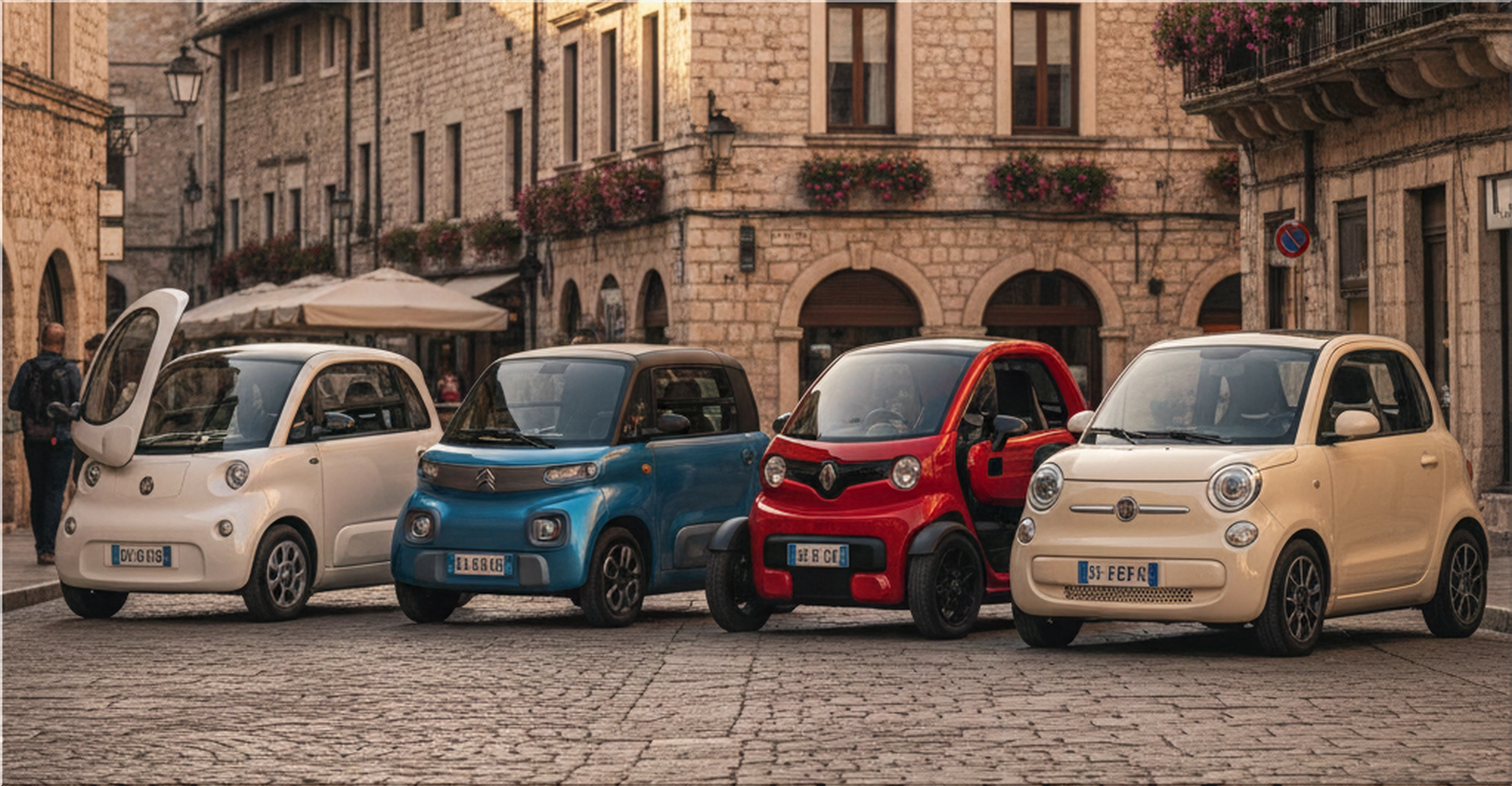
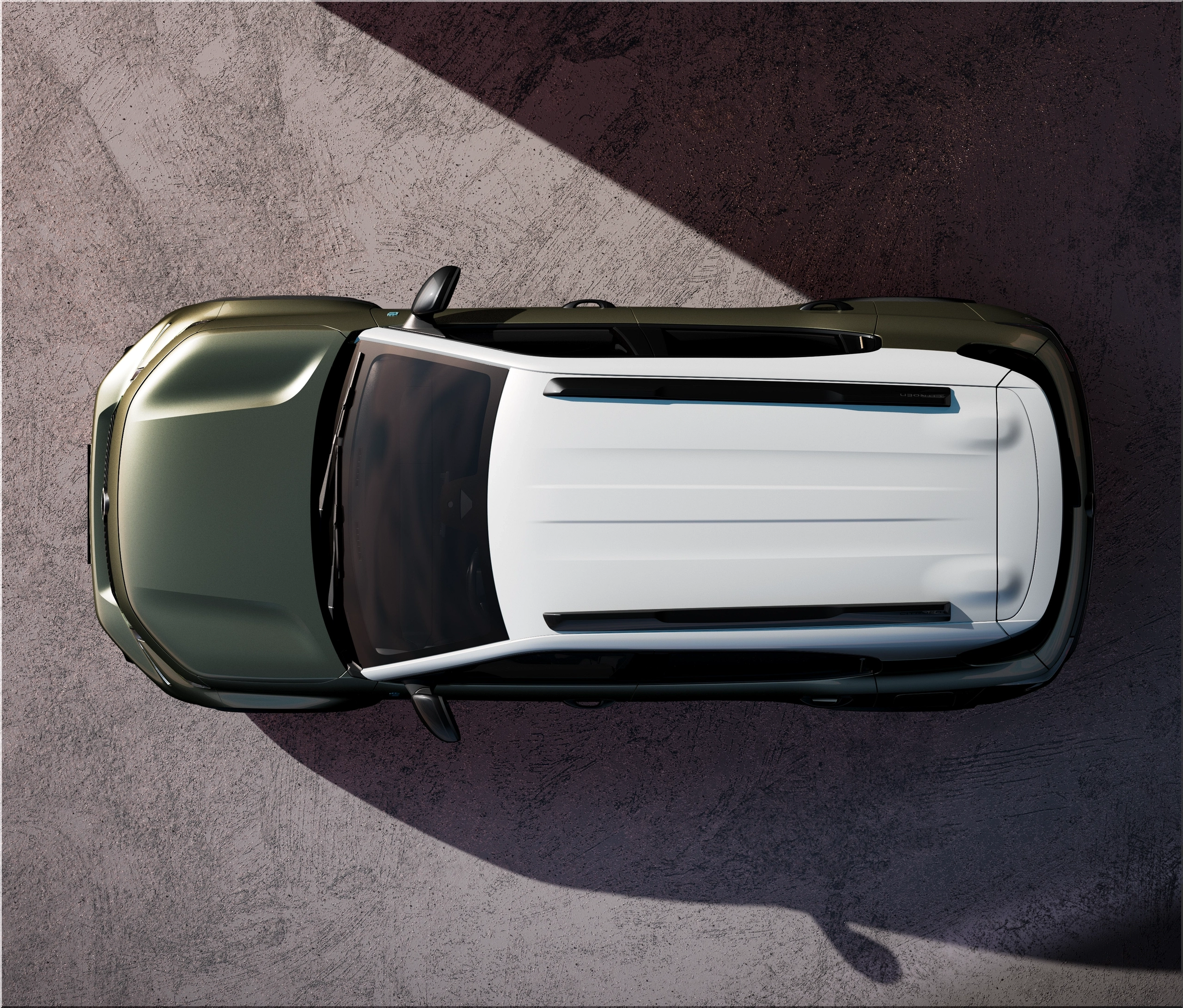
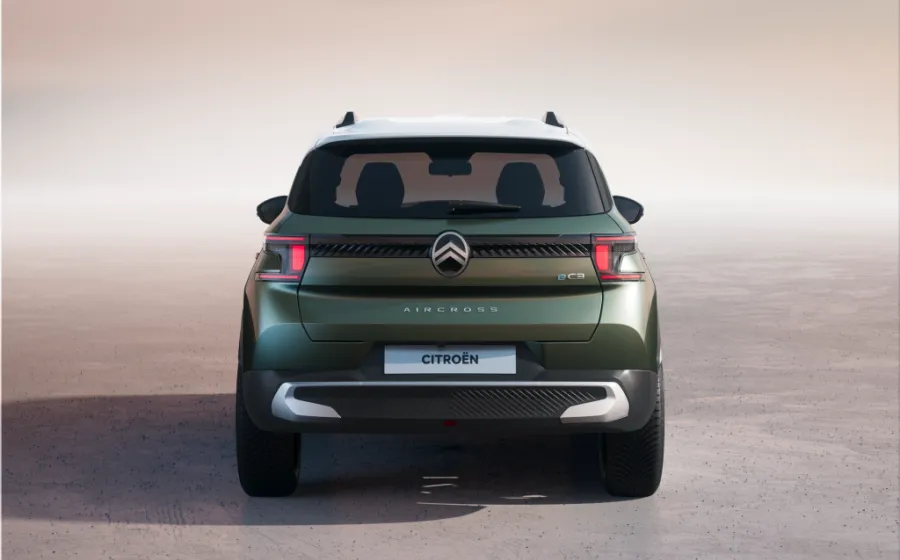
- L6e: Citroën Ami; Renault Twizy 45
- L7e: Renault Twizy 80; Microlino
At-a-glance comparison table
| Criterion | L6e (Light quadricycle) | L7e (Heavy quadricycle) |
|---|---|---|
| Max continuous rated power | Up to 4 kW (L6e-A) or 6 kW (L6e-B) | Up to 15 kW |
| Max design speed | 45 km/h | >45 km/h; up to 90 km/h for L7e-C |
| Mass limit (basis) | ≤ 425 kg (mass in running order) | ≤ 450 kg passenger / ≤ 600 kg goods (mass in running order) |
| Typical body styles | Open quad or enclosed microcabins | On-road quad, all-terrain quad, enclosed quadri-mobile |
| Best for | Short city trips, low TCO | Urban + suburban routes, more flexibility |
| Example models | Ami, Twizy 45 | Twizy 80, Microlino |
A simple decision path
- Map your roads: If your daily routes are entirely 30–50 km/h, L6e usually fits. If you need faster connectors and they’re legal for quadricycles, consider L7e.
- Check licensing/insurance: Requirements and premiums differ between L6e and L7e, and by driver age.
- Match comfort to climate: Doors, windows, and heating/defogging matter if you live in a cold or wet region.
- Plan charging: Most electric quadricycles charge from a standard household socket; verify cable length and parking access.
- Verify the numbers: Look for the type-approval sheet or CoC to confirm power, speed, and mass in running order for the exact variant you’re buying.
FAQs
Is 45 km/h too slow for commuting?
Not on 30–50 km/h city streets. For frequent 60–80 km/h links (where allowed), short-list L7e.
Can L7e quadricycles use motorways?
Often no. Access rules are national or local. Many motorways ban quadricycles regardless of design speed.
Does the battery count in the weight?
The regulation’s mass in running order measures the vehicle ready for normal use with standard equipment; check the model’s official type-approval data for the exact figure.
- 493 views

Comments