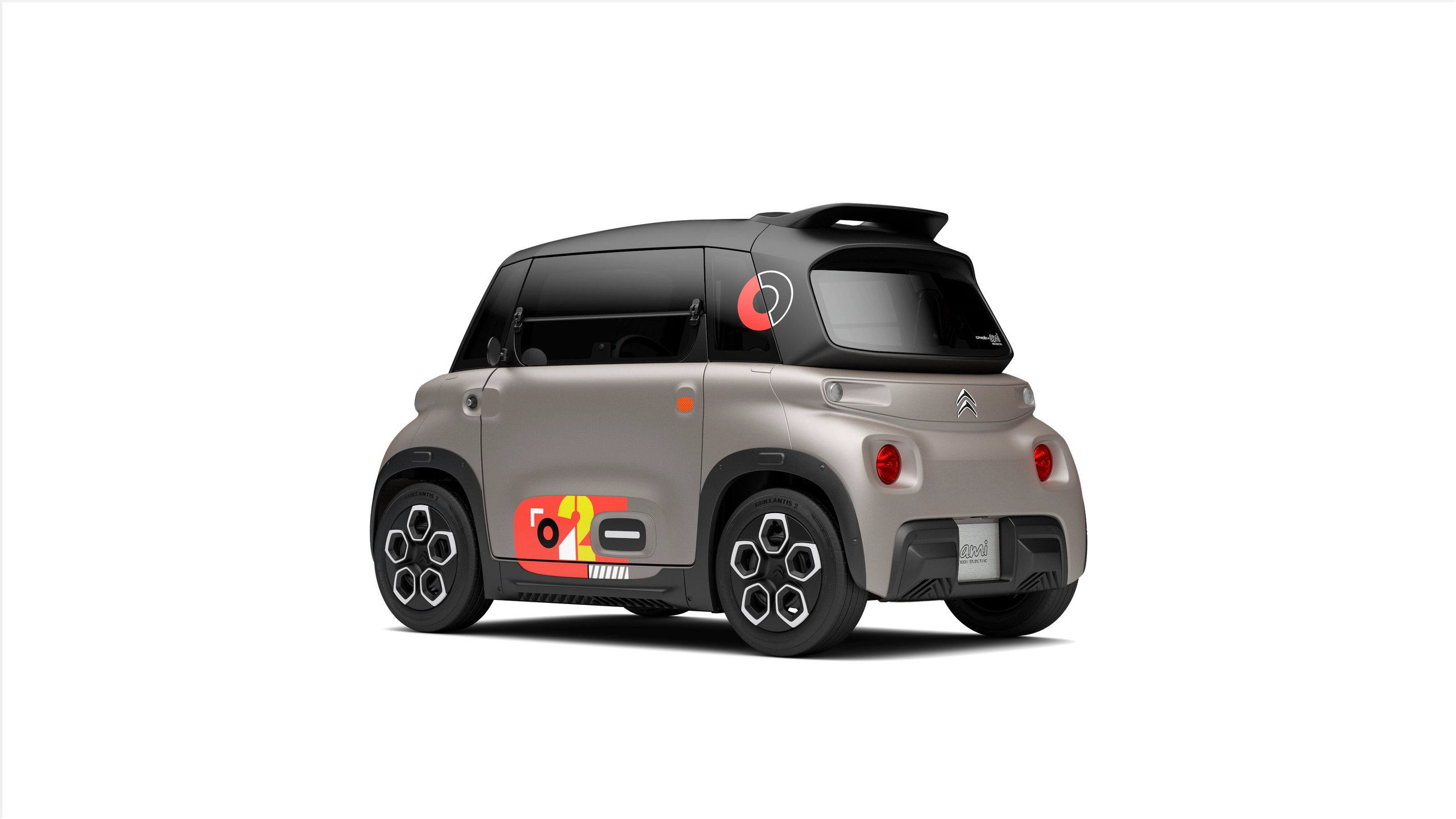
Citroën Ami is a tiny, two-seat urban EV designed for dense cities, short errands, and first-time drivers. It sits in the L6e light-quadricycle class, which caps speed at 45 km/h and keeps costs, weight, and complexity low. This review focuses on what most buyers actually care about: range in the real world, day-to-day comfort, and whether living with an Ami makes sense.
Summary verdict
Ami is brilliant for short, predictable city routes. It is cheap to run, easy to park, and charges from a household socket. The compromises—45 km/h top speed, basic cabin, limited weather refinement—are obvious but acceptable if your daily life fits inside a compact urban grid.
- Best for: dense-city commuters, teen drivers where legal, car-light households, businesses doing short deliveries.
- Skip if: you regularly need faster connectors, carry more than one passenger plus luggage, or expect car-grade comfort features.
Real-world range: what to expect
Official figure: up to ~75 km per charge under gentle, warm-weather use.
Everyday reality: plan around 50–70 km depending on temperature, terrain, passenger/cargo load, and how much time you spend at full 45 km/h.
Typical scenarios (estimates)
- Warm city (20–25°C): 60–70 km with light throttle, stop-start traffic.
- Mild (10–15°C): 50–60 km, occasional heater use.
- Cold (0–5°C): 40–50 km; heater/defogging reduces range.
- Sub-zero (−5–0°C): 35–45 km; pre-conditioning and slower speeds help.
How to hit the top of the range window
- Maintain 30–40 km/h where safe; avoid sustained full-throttle runs.
- Pre-warm/defog while the cable is plugged in.
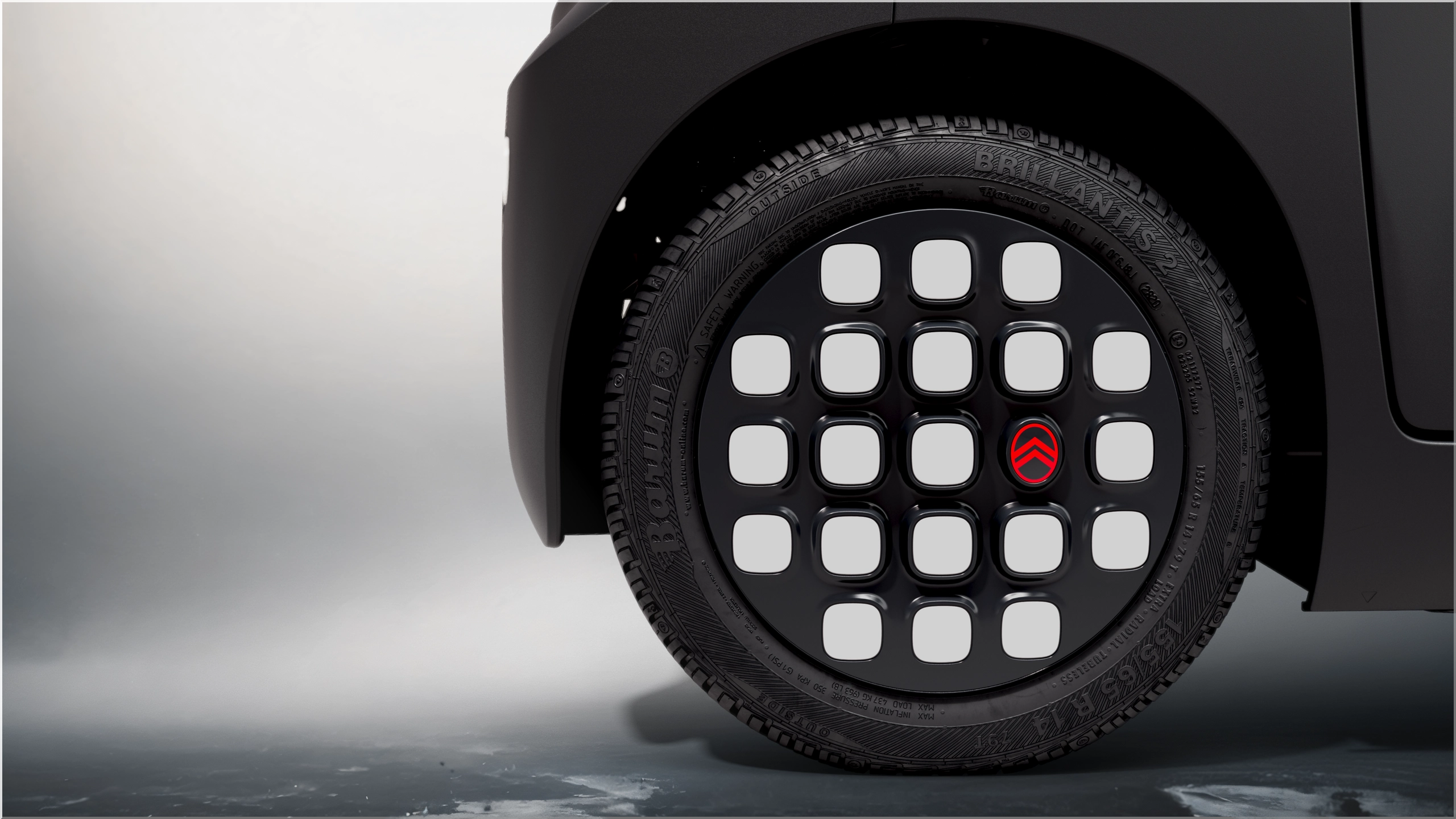
- Keep tyres at recommended pressures; cold tyres cost kilometres.
- Travel light: extra weight and steep hills add up.
Charging and energy use
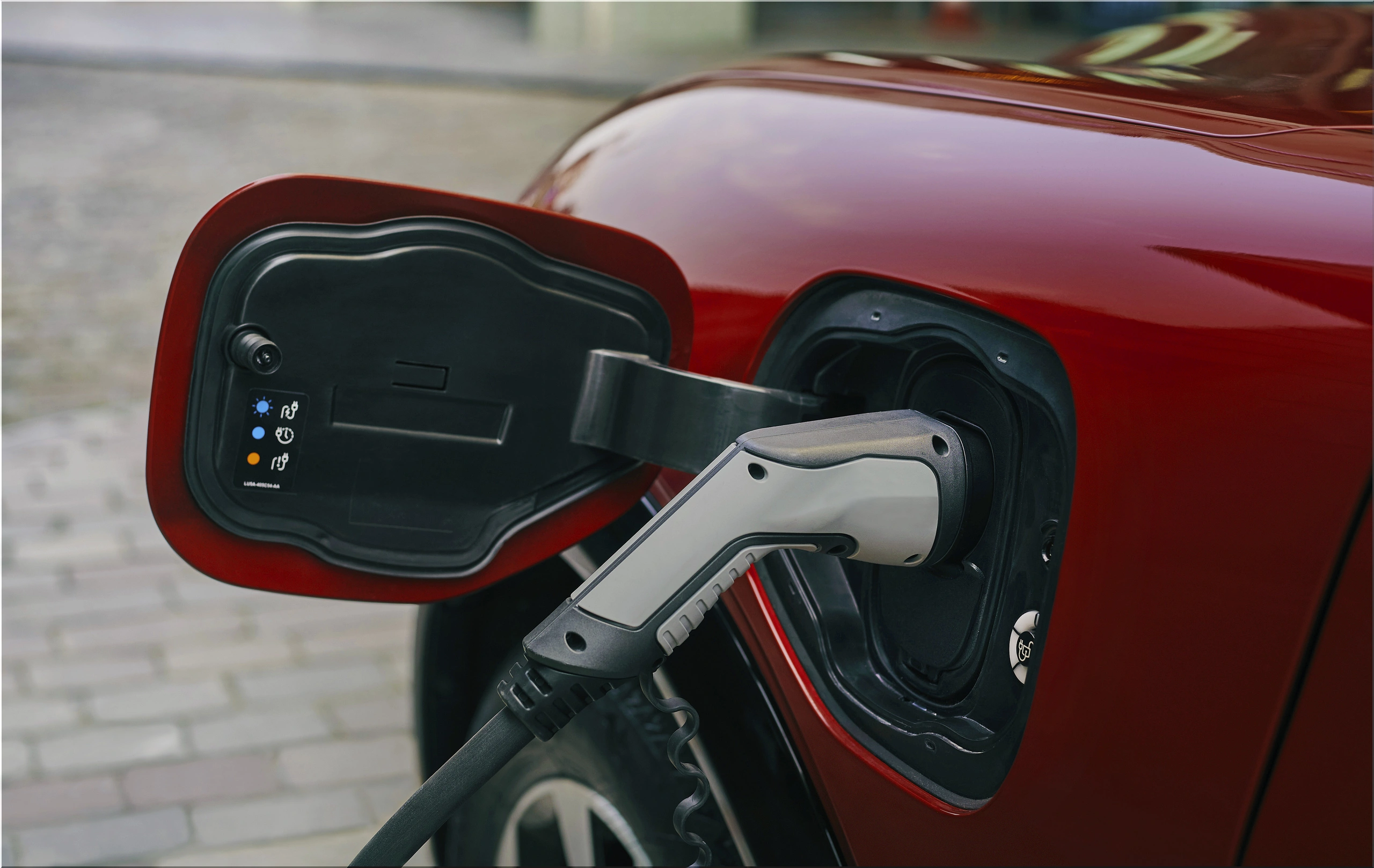
- Where it shines: Ami plugs into a normal household socket; no special wallbox needed.
- Time: roughly 3 hours from low to full on a standard 230 V outlet.
- Top-up pace: about 20–25 km of range per hour of charging in typical conditions.
- Energy costs: tiny battery + city speeds = modest electricity bills, even with frequent top-ups.
Tip: Treat it like charging your phone—plug in at home or work, keep it topped between 40–80% most days.
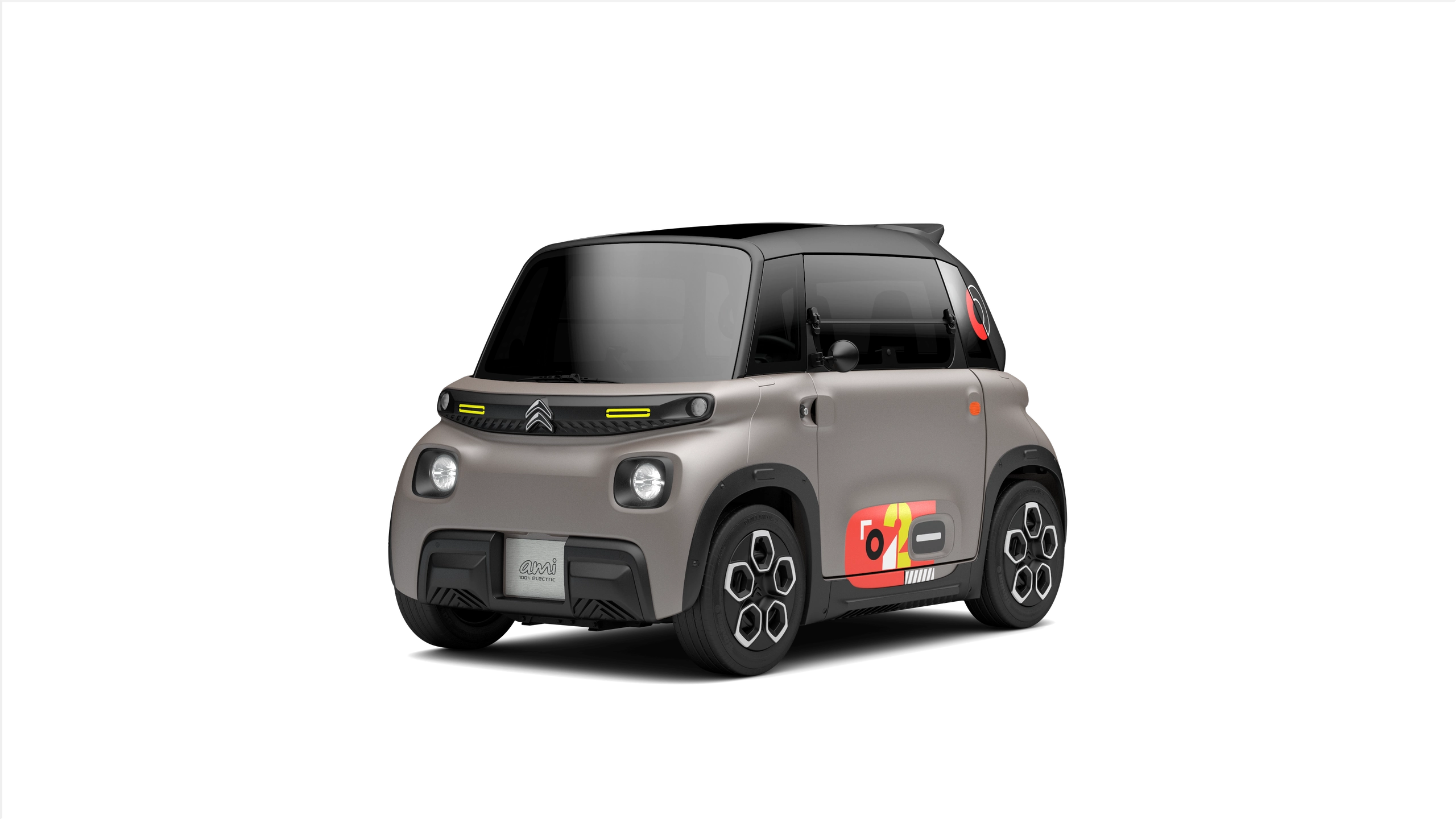
Comfort and cabin experience
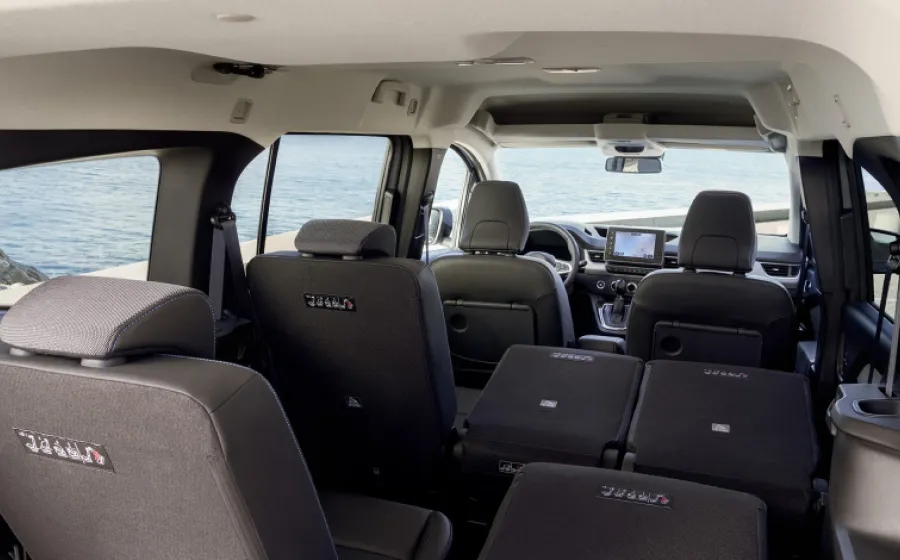
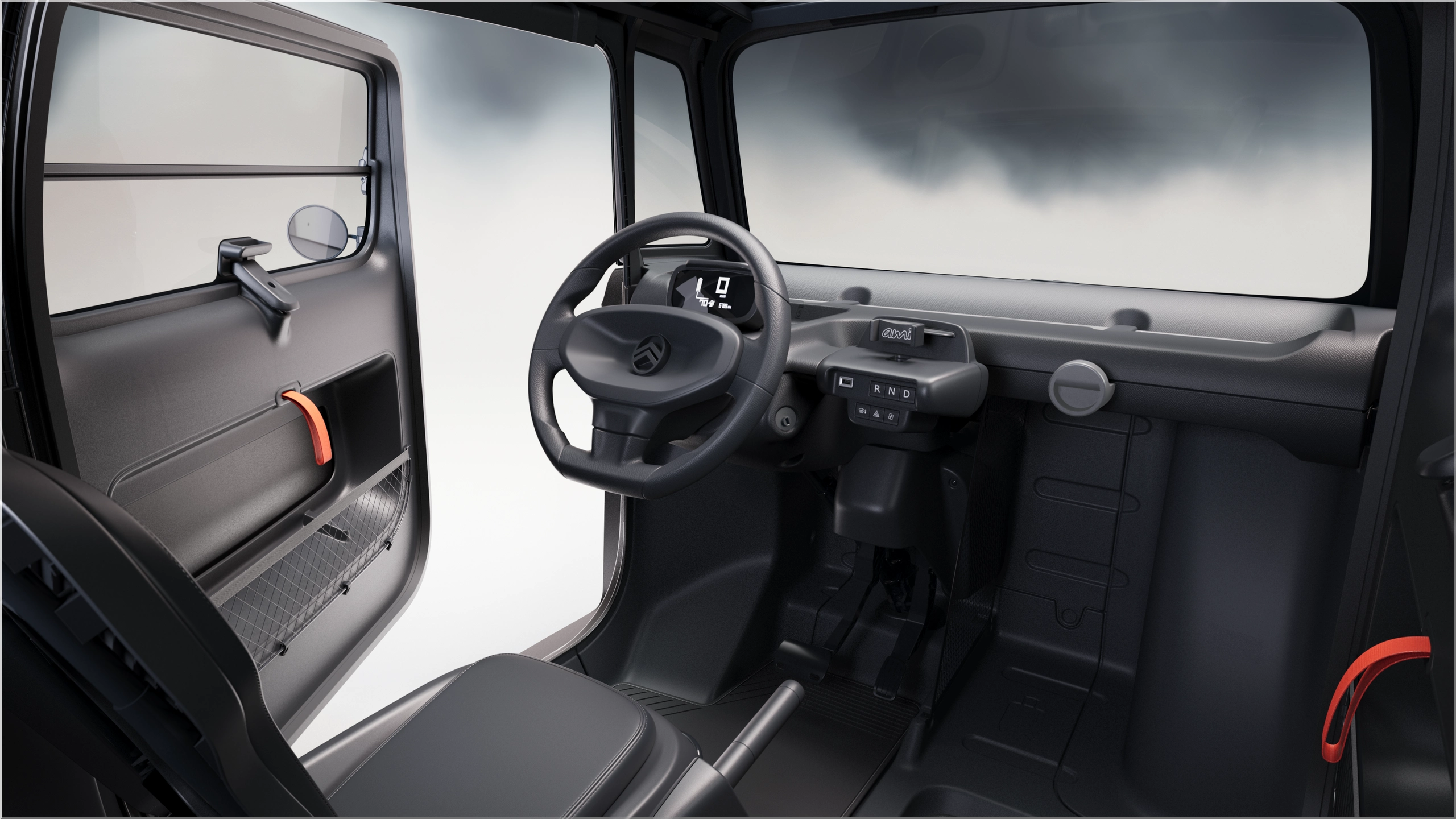
Seating and space. Two seats in a compact, upright cabin. Knee/shoulder room is better than the exterior size suggests, but seat padding is thin. Long legs may want a seat cushion for daily use.
Ride quality. Short wheelbase and low mass mean firm, busy ride over rough surfaces. On smoother streets it feels nimble and stable up to 45 km/h.
Noise. Electric motor whirr is subtle; most noise is tyre and wind at speed. Nothing intrusive for city trips, but this is not a quiet, long-haul cruiser.
Climate. You get heating and ventilation for basic comfort and window clearing. There is no air conditioning; in summer, open windows and vents do the heavy lifting.
Visibility and controls. Large glass area helps in traffic. Controls are simple, with storage trays for small items and an easy phone mount available as an accessory.
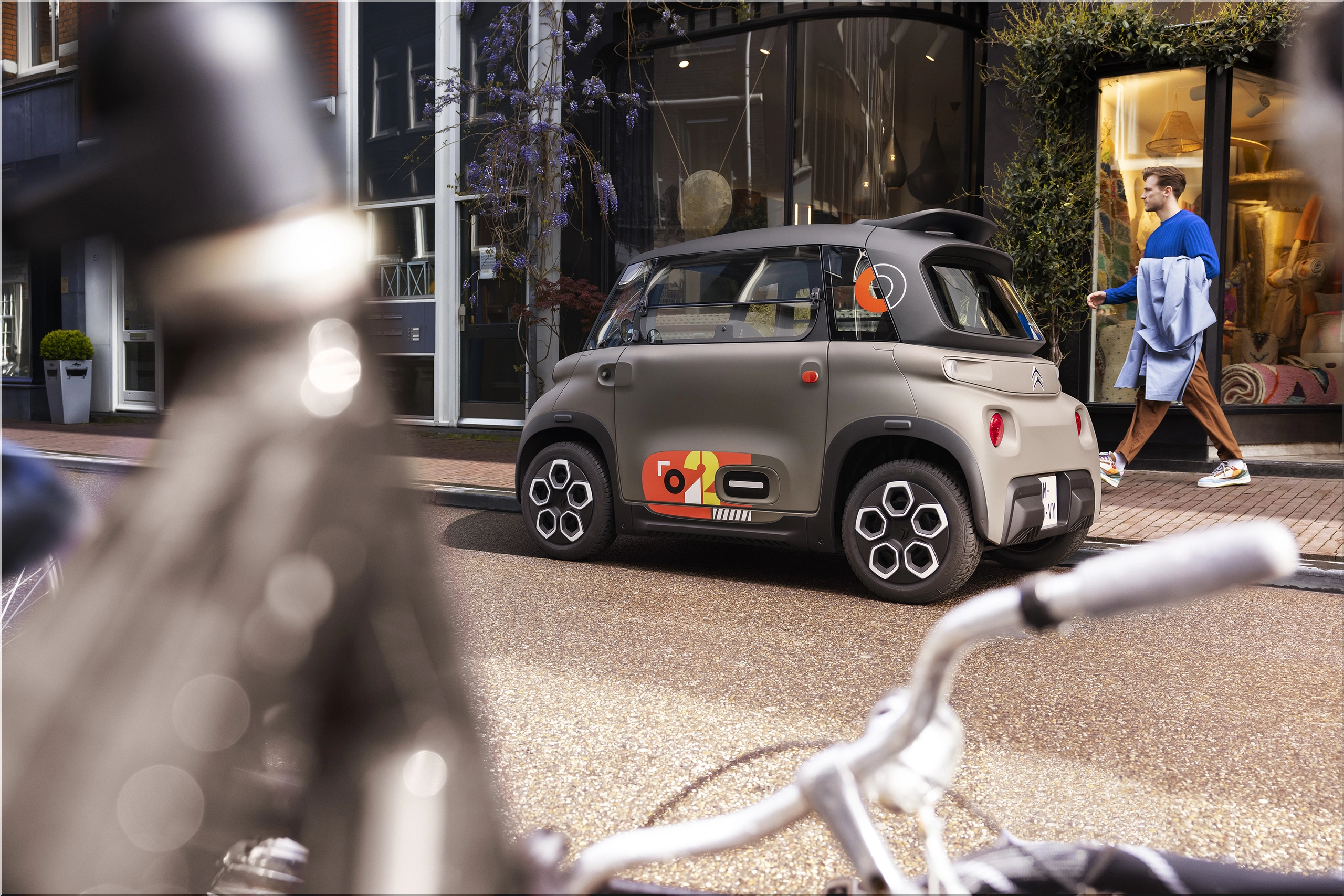
Daily usability
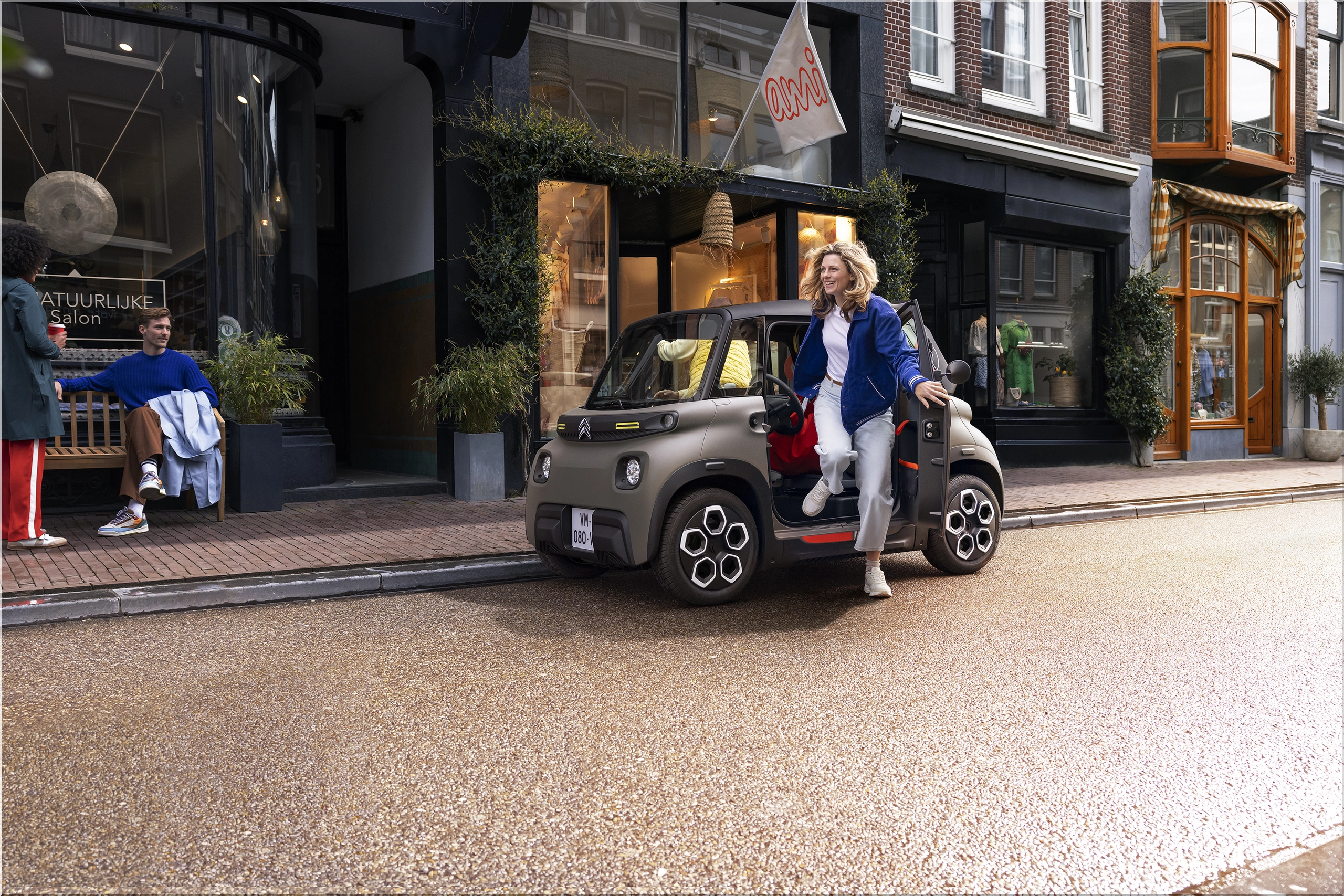
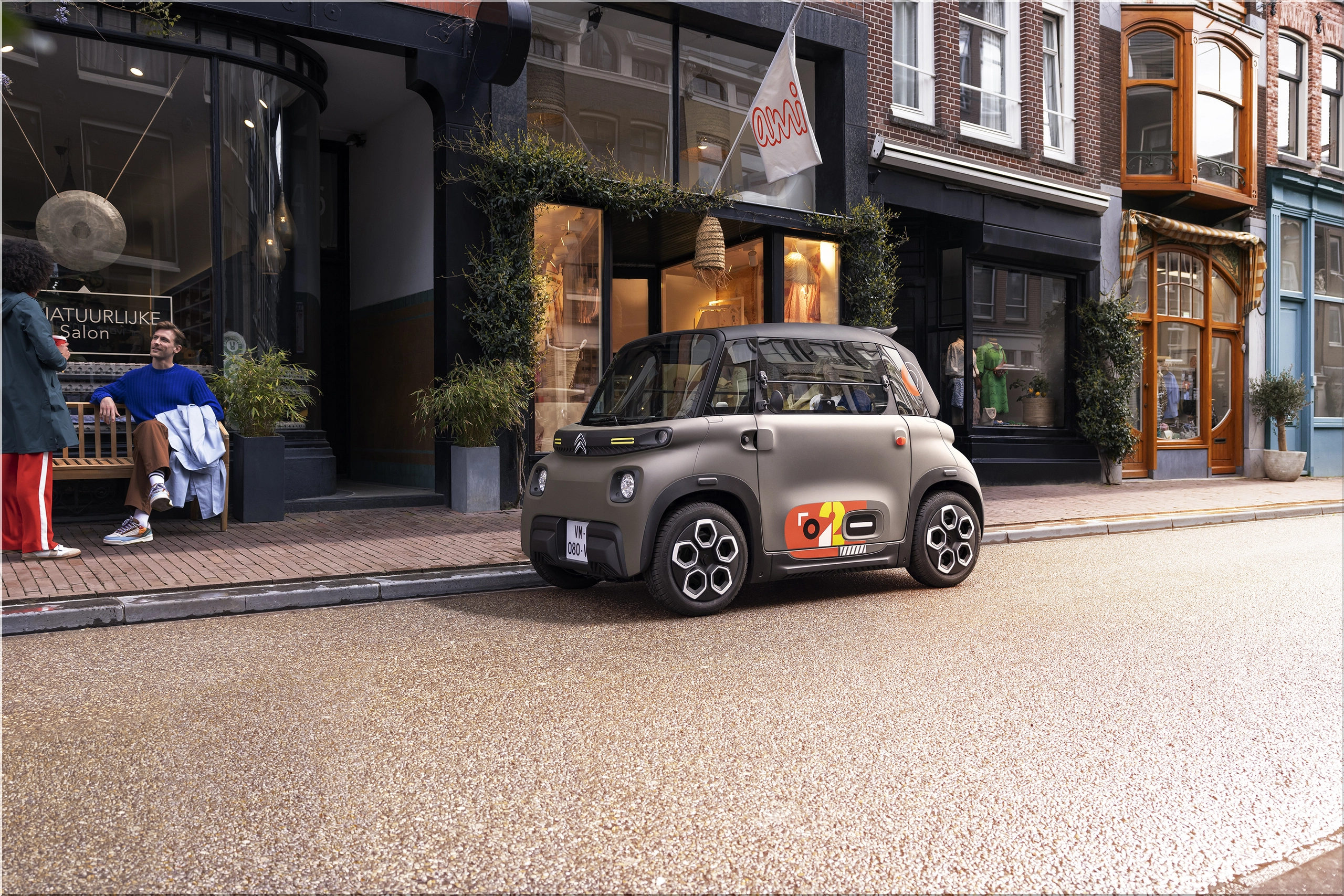
Parking and maneuvering. Tiny footprint (about 2.4 m long) and a tight turning circle make parallel parking and U-turns almost effortless. It thrives in narrow streets, alleys, and crowded car parks.
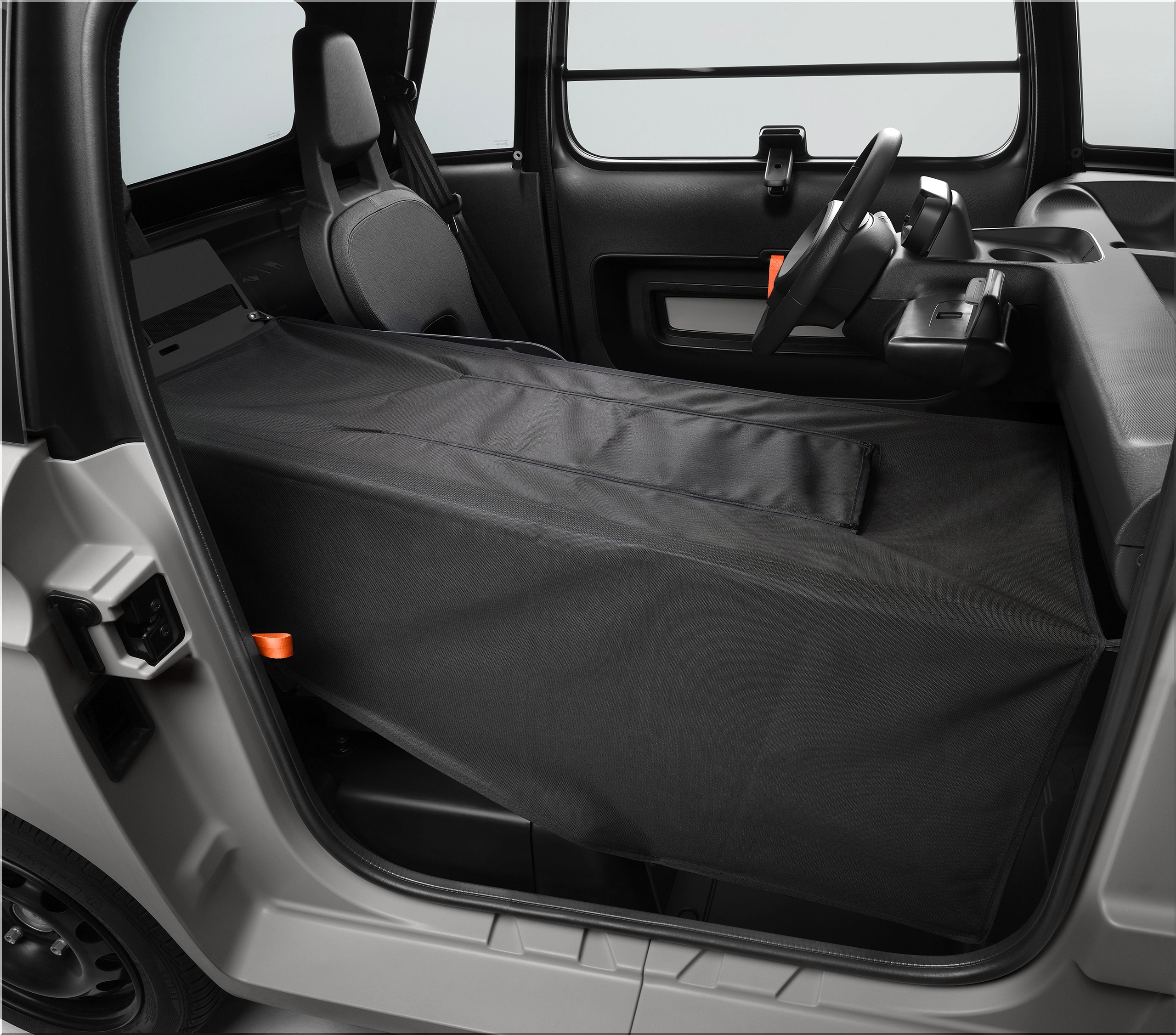
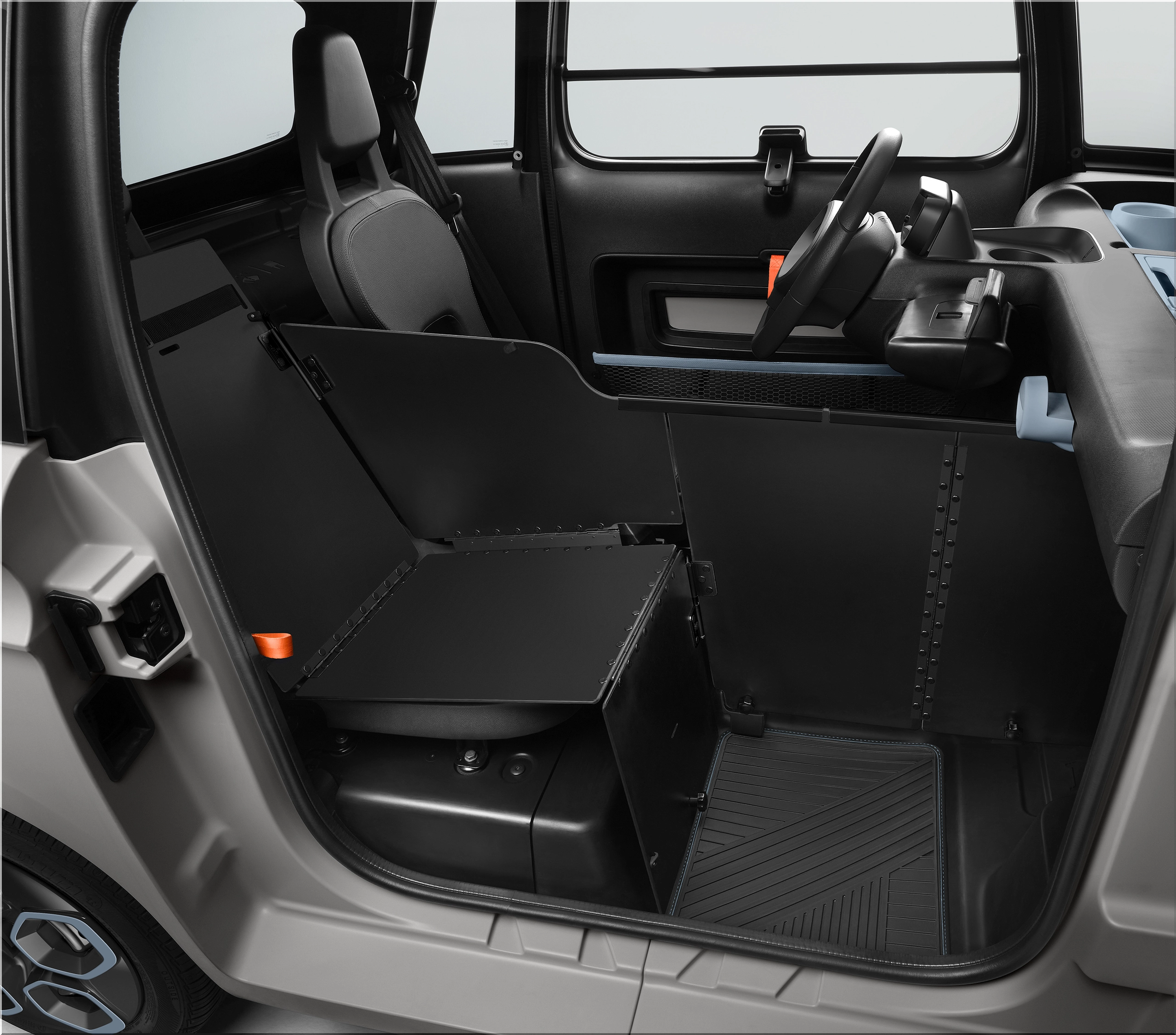
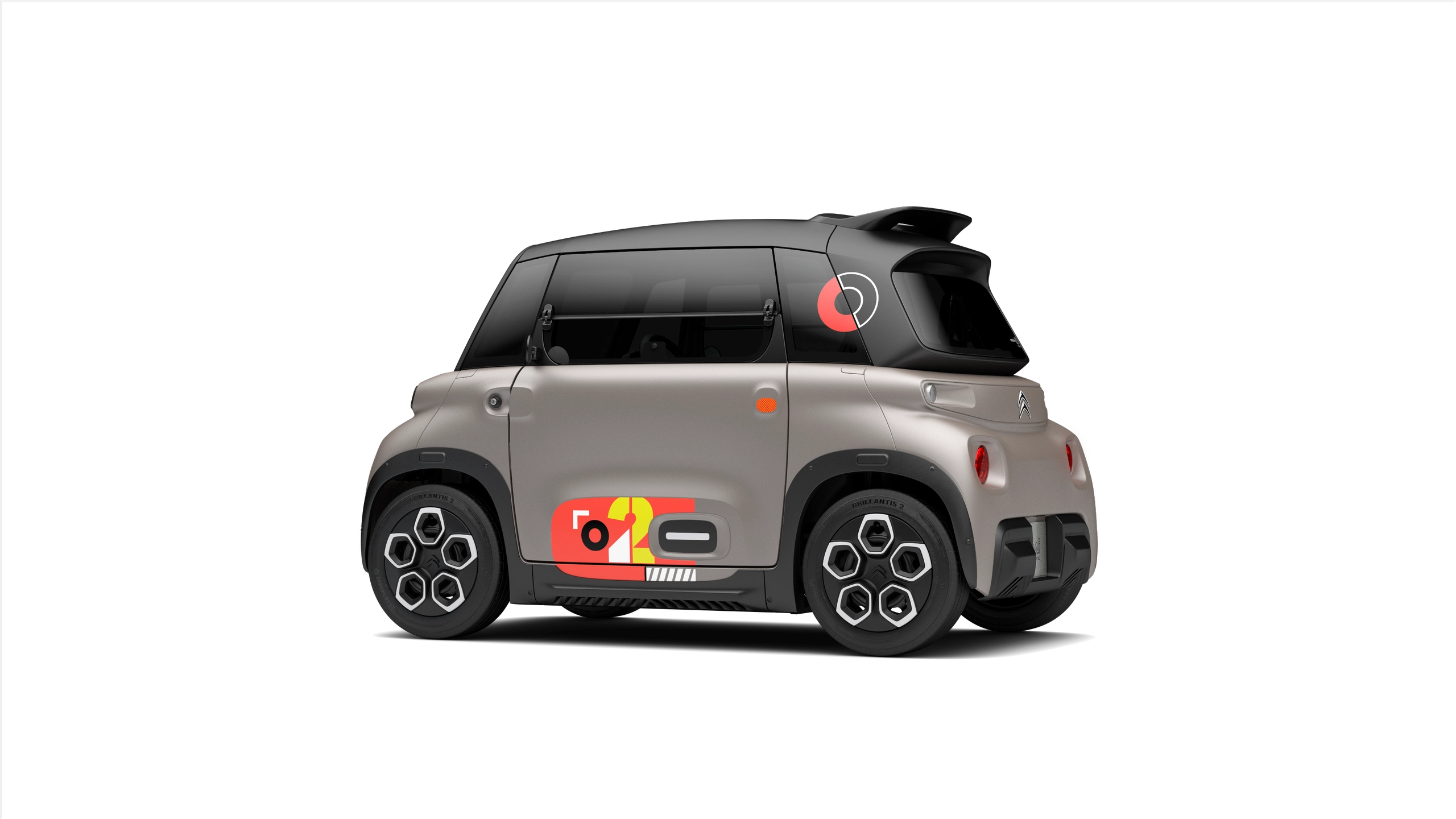
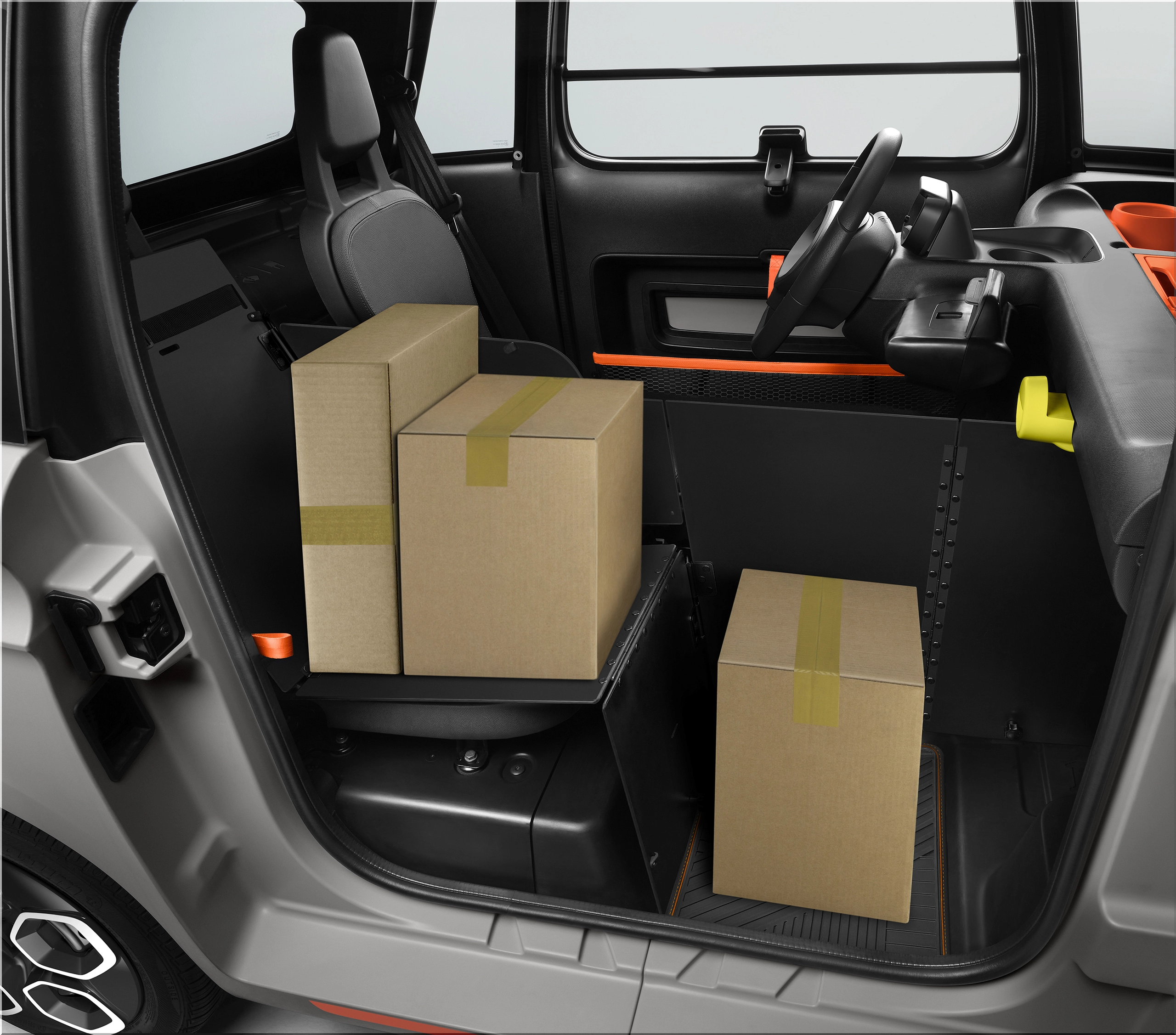
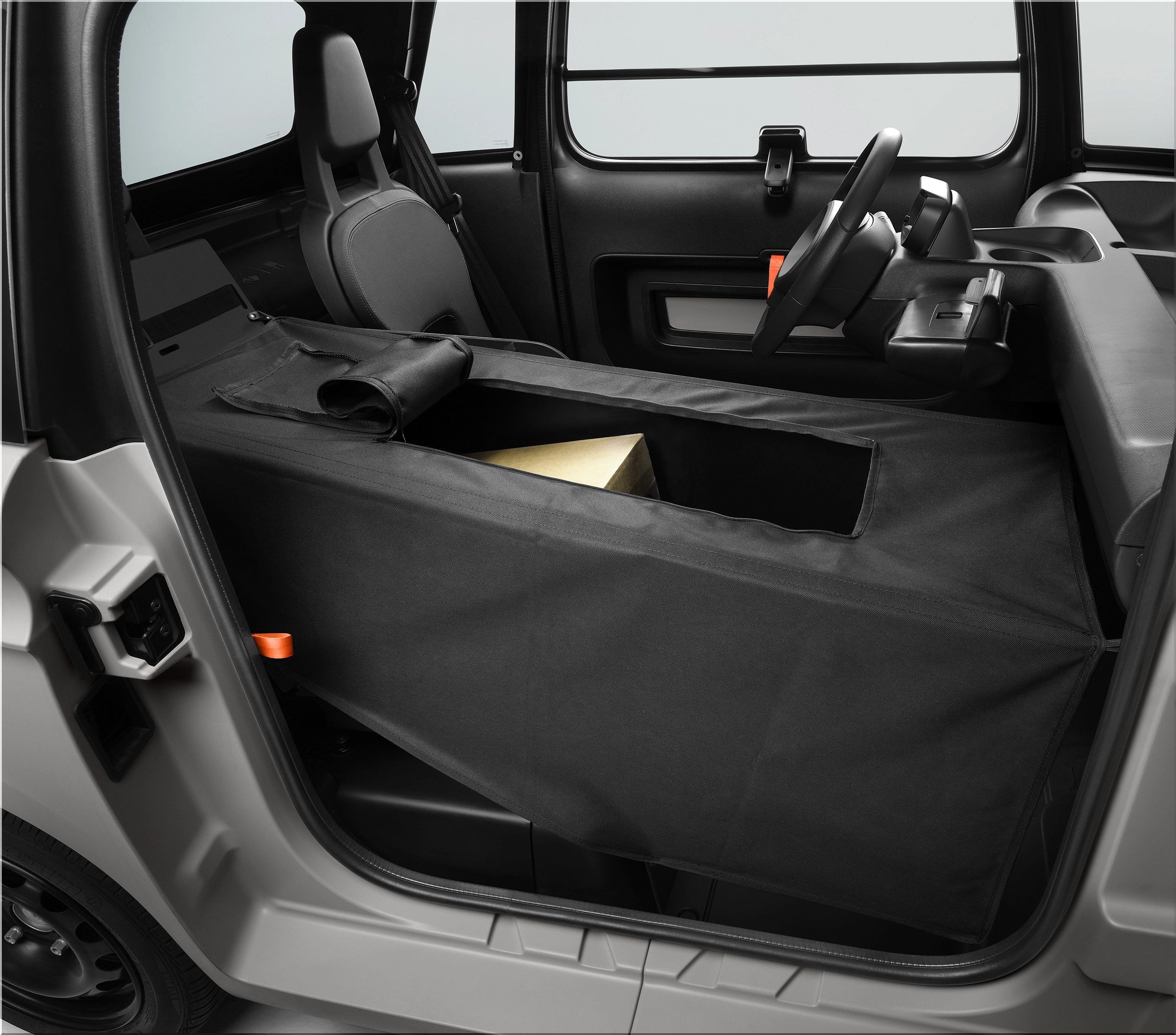
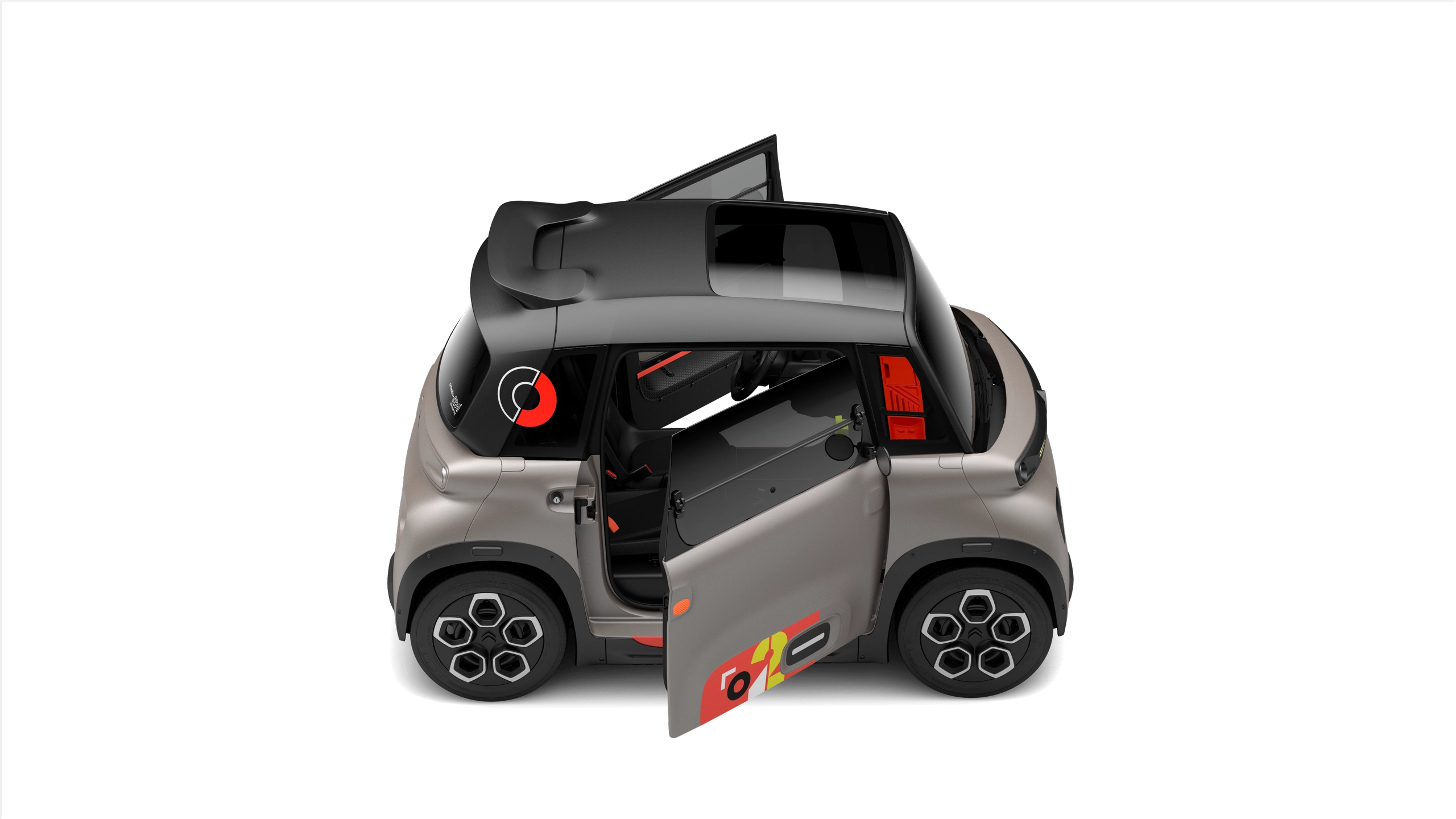
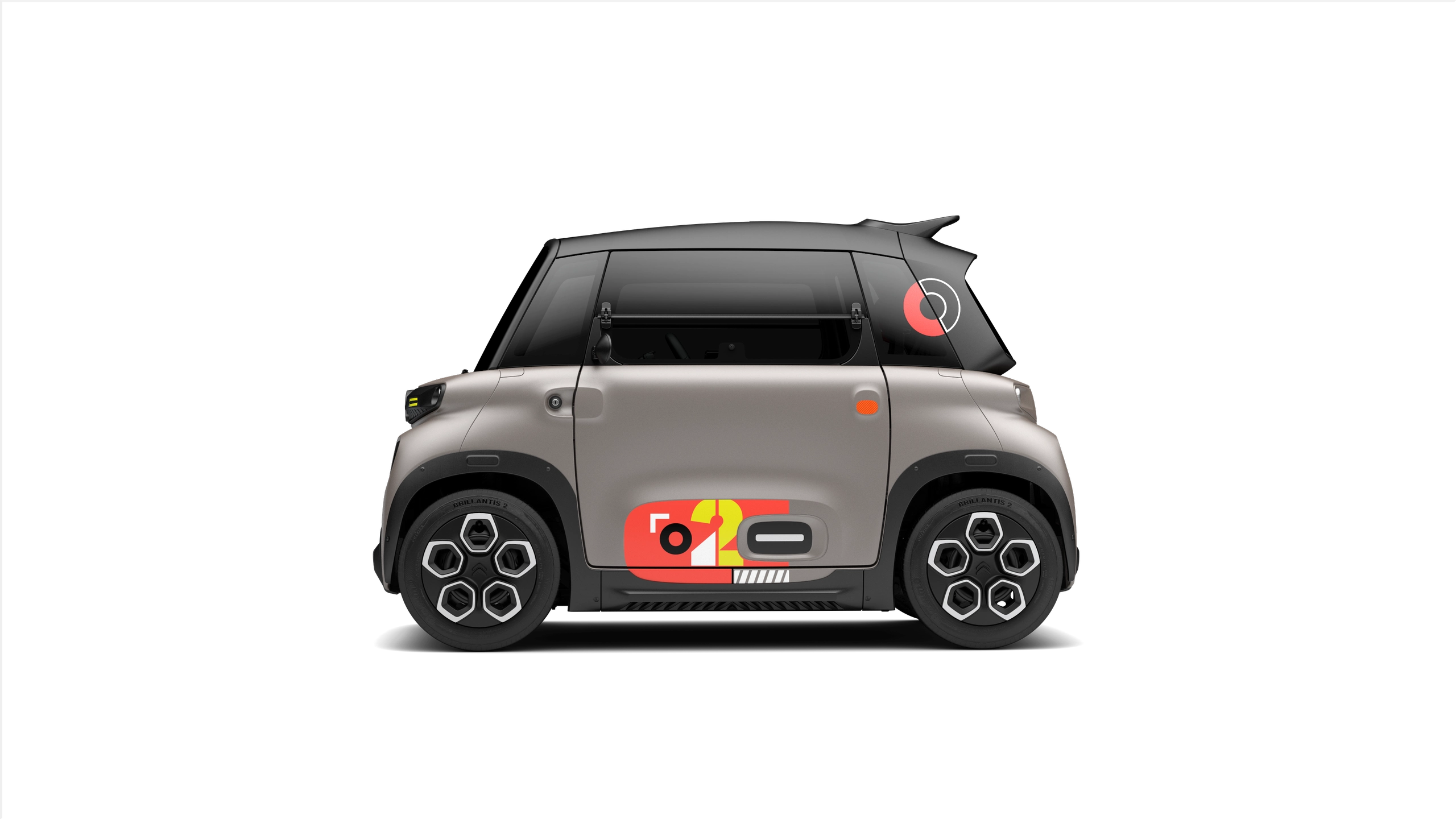
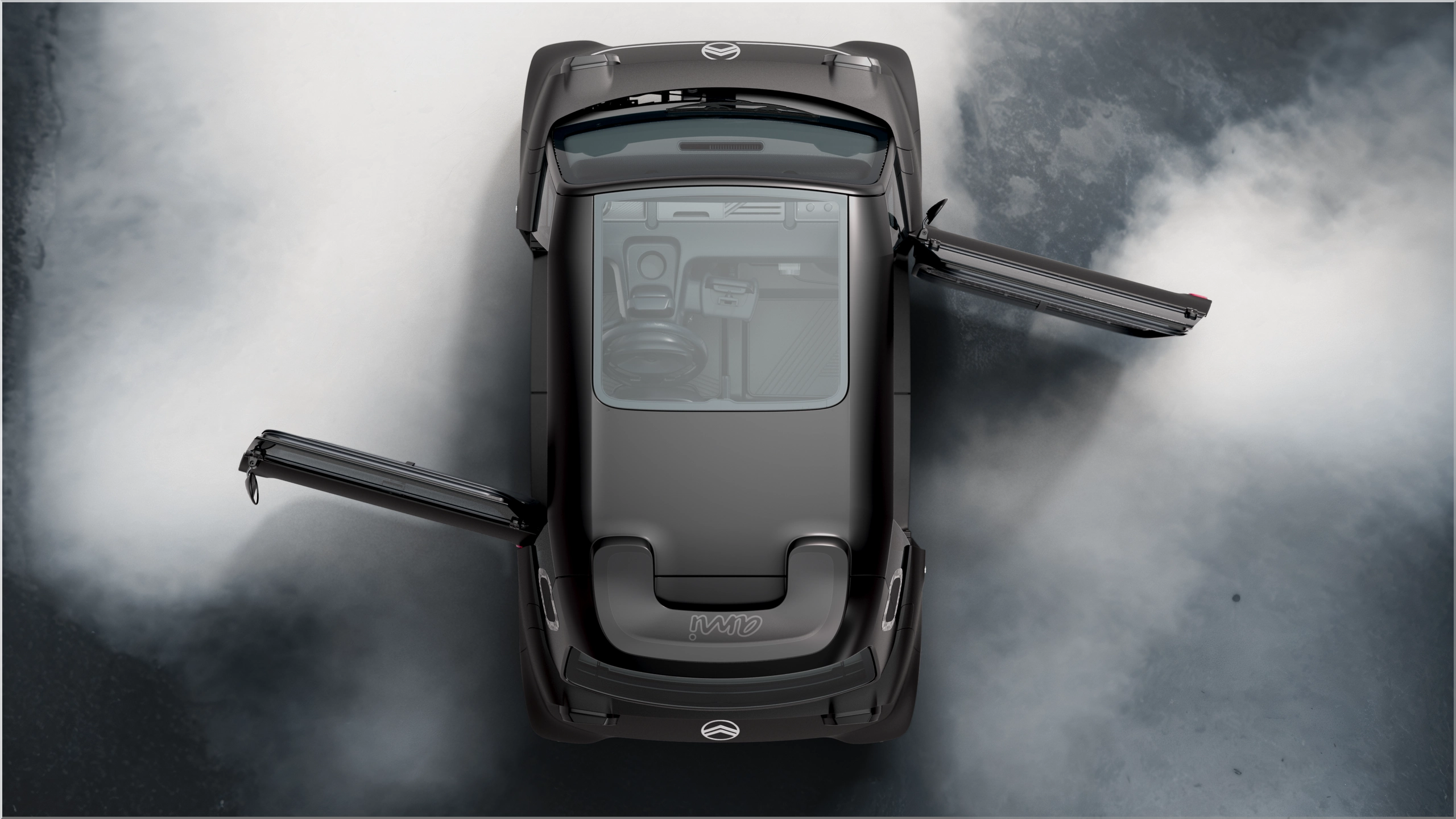
Doors and practicality. Symmetrical doors (driver’s side is rear-hinged) make access unique and surprisingly convenient in tight spaces. Interior cubbies handle groceries and backpacks; for bulky loads, consider the Ami Cargo variant with a reconfigured passenger area.
Weather use. Doors and glazing keep you out of the elements, but remember this is a quadricycle: expect more drafts and condensation than a full city car. Winter tyres and routine window care are worth it if you live in a cold, wet climate.
Safety mindset. Ami follows quadricycle standards, not passenger-car crash rules. It has seatbelts and lighting but no advanced airbags or driver assists. Drive defensively, keep to city streets, and avoid mixing with fast traffic.
Performance and handling
- Top speed: 45 km/h (by design).
- Acceleration: zippy off the line in 0–30 km/h city bursts, then tapers.
- Braking: progressive and predictable; plan extra distance on wet cobbles or steep descents.
- Steering: light at parking speeds, stable enough for urban flows.
Running costs and maintenance
- Energy: ultra-low, thanks to the small battery and city duty cycle.
- Service items: tyres, wiper blades, brake pads, cabin filters; intervals and costs are closer to scooter money than car money.
- Insurance: often favourable for limited-power vehicles; rules vary by country and driver age.
Ownership fit: who should buy the Citroën Ami?
Choose Ami if your life is short, repeatable trips with reliable home or workplace charging. It is an ideal second vehicle for city households, a first “car” for teens where laws allow, or a low-overhead delivery pod for cafes, pharmacies, and campus operations.
Look elsewhere if you need to keep up at 70–90 km/h, carry more than one passenger plus luggage, or demand car-grade refinement in winter and summer extremes.
Pros and cons
Pros
- Plugs into any household socket; quick top-ups
- Incredibly easy to park and maneuver
- Predictable running costs; simple maintenance
- Perfect match for 30–50 km/h city grids
Cons
- 45 km/h cap limits route options
- Basic cabin; thin seat padding; no A/C
- More road/wind noise and drafts than a city car
- Quadricycle safety standards, not car standards
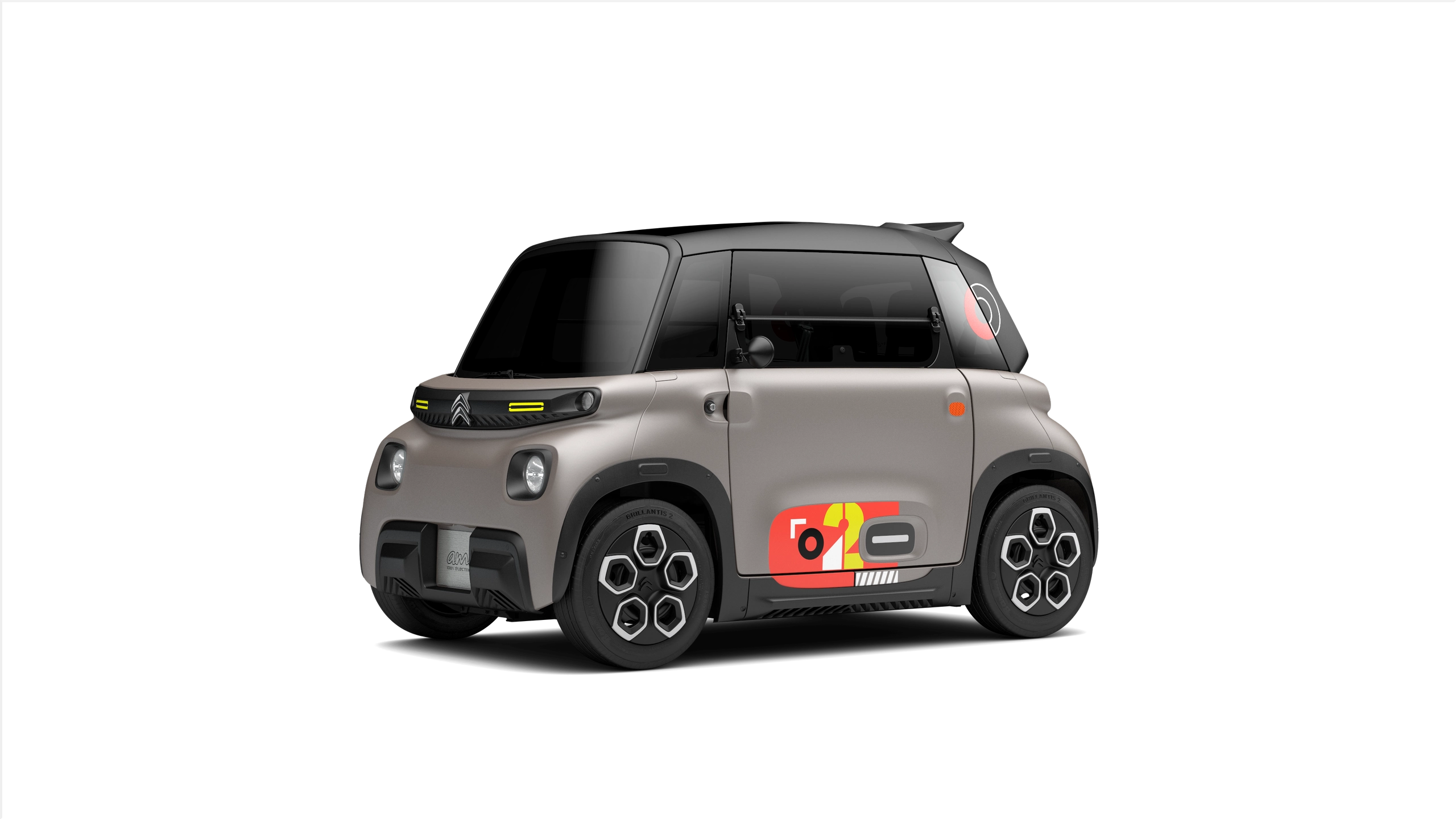

Spec snapshot (buyer quick check)
- Class: L6e light quadricycle
- Seats: 2
- Top speed: 45 km/h
- Battery: small pack suited to ~50–70 km real-world use
- Charging: 230 V household socket, ~3 hours to full
- Length/width (approx): ~2.4 m / ~1.4 m
- Turning circle: very tight; ideal for narrow streets

Bottom line
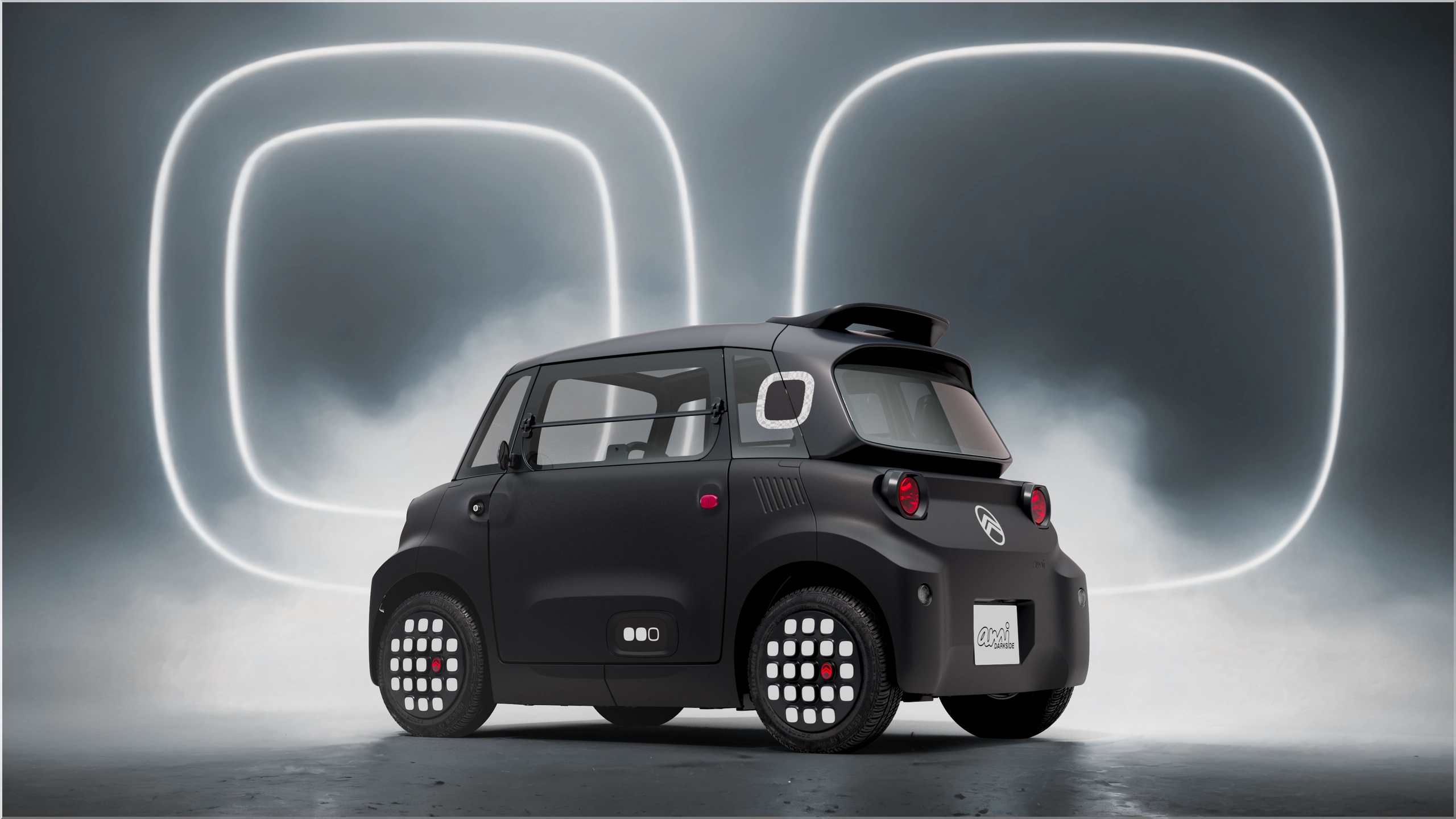
Citroën Ami is a purpose-built city EV: unbeatable in tight spaces, cheap to run, and easy to charge. If your routine rarely leaves low-speed streets, it is hard to beat. If you need more speed, comfort, or cargo space, you will quickly meet its limits. @ Citroën Ami Dark Side Citroën Ami.
- Add new comment
- 299 views