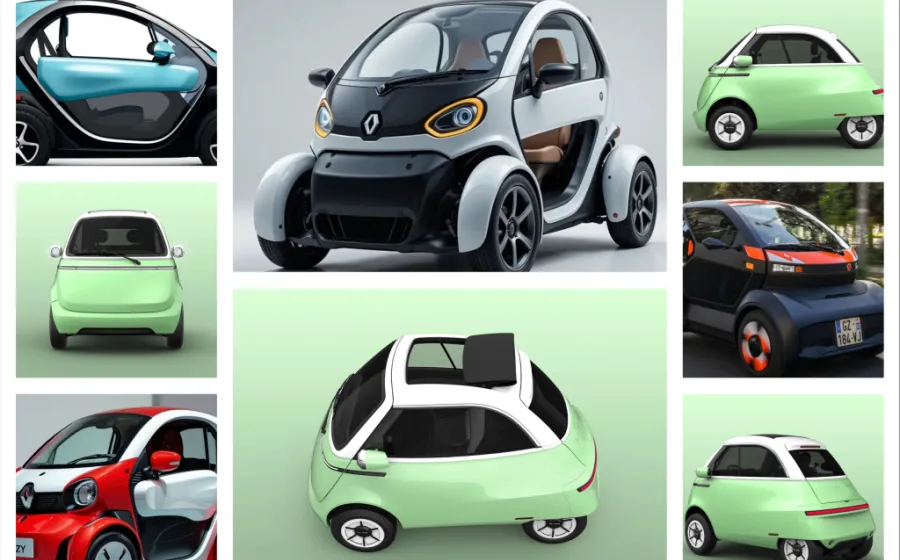
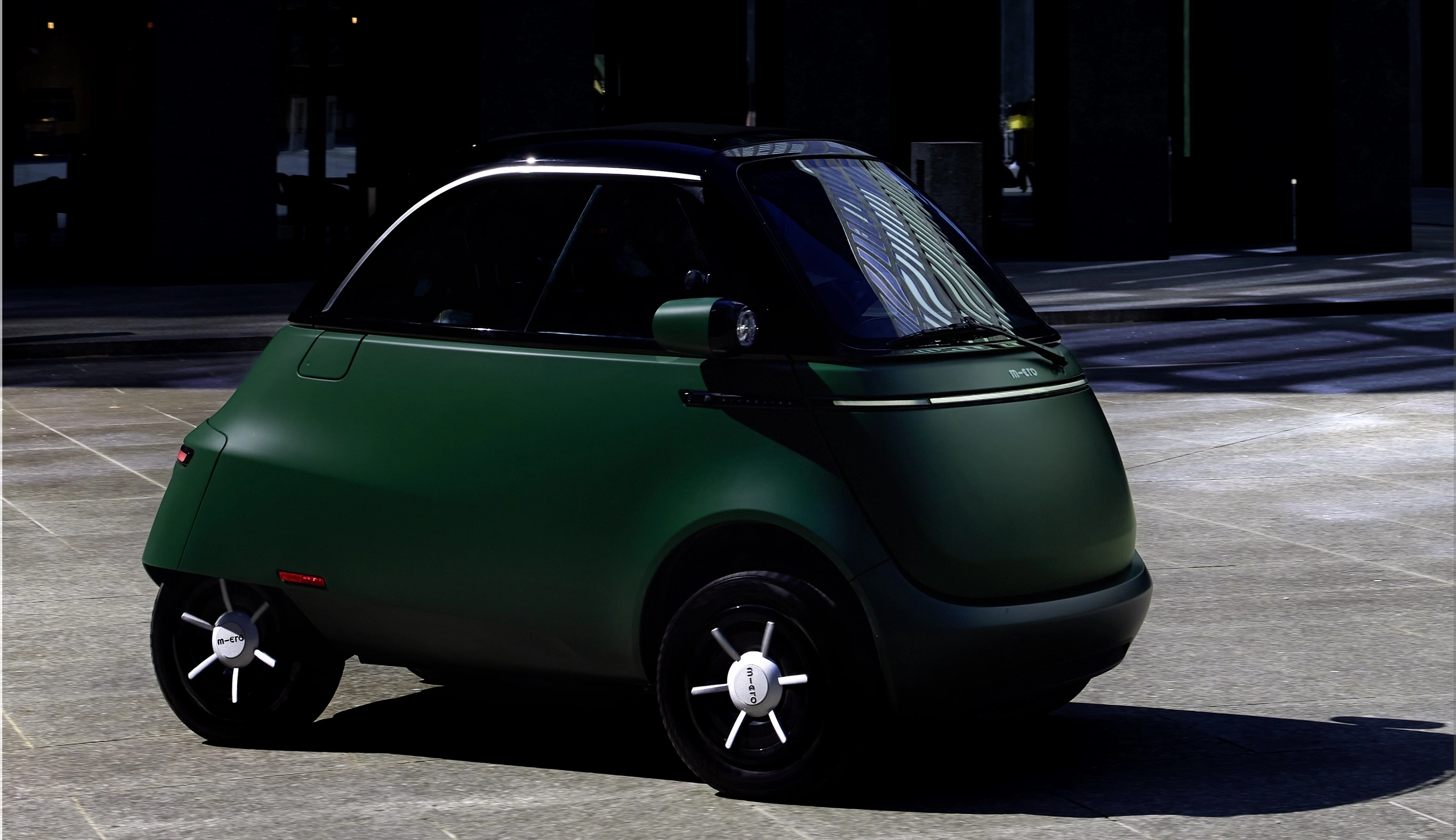
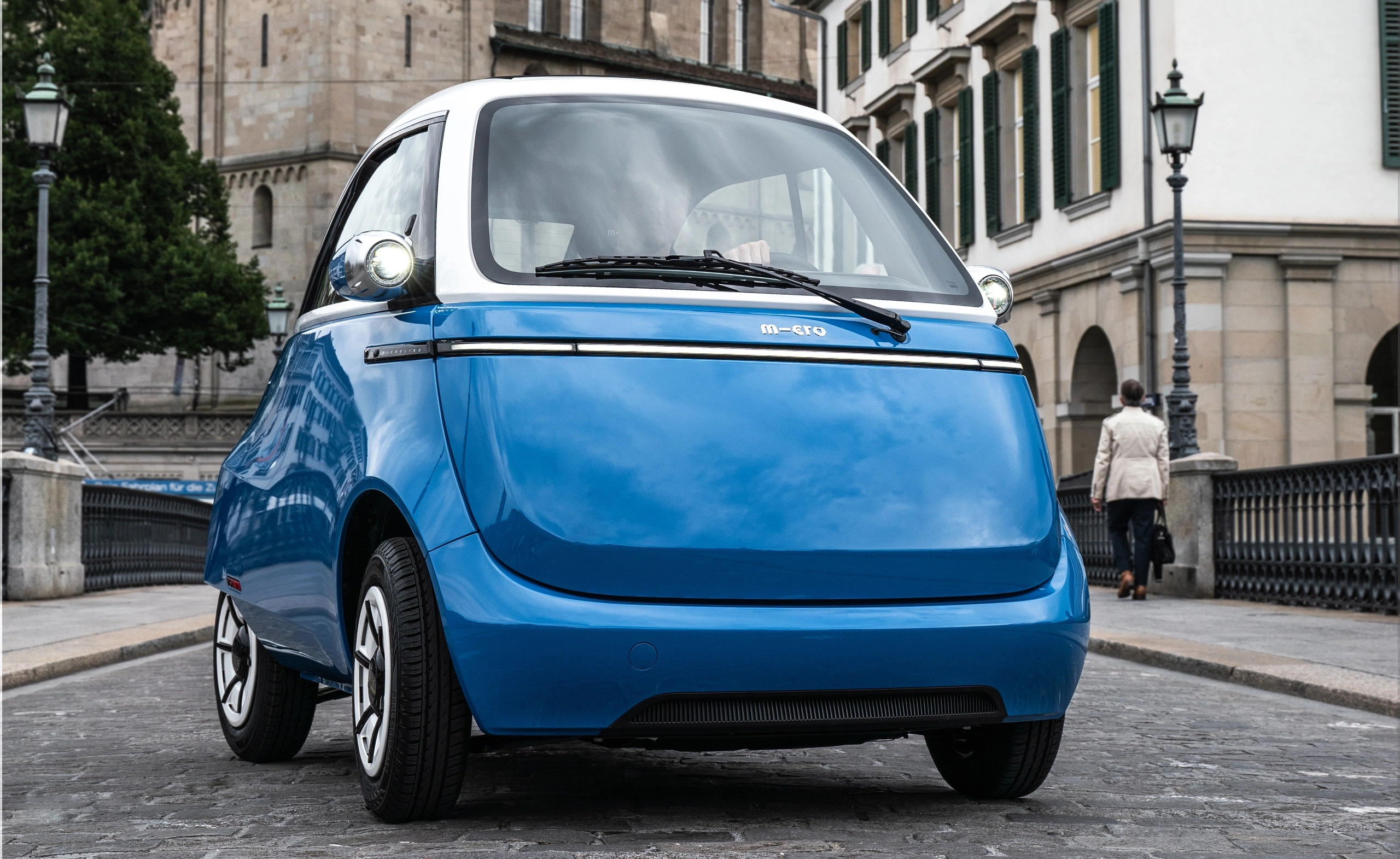
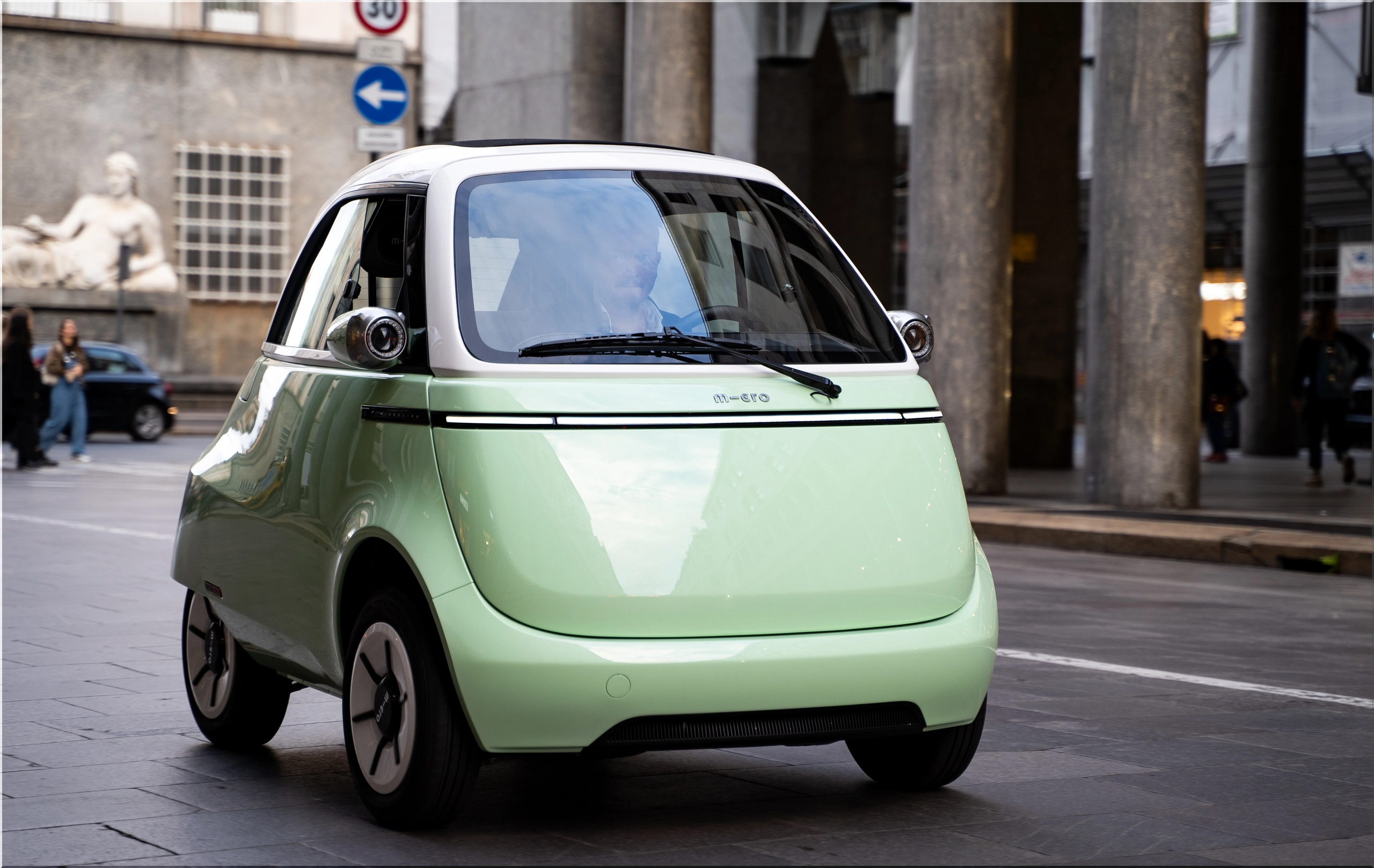
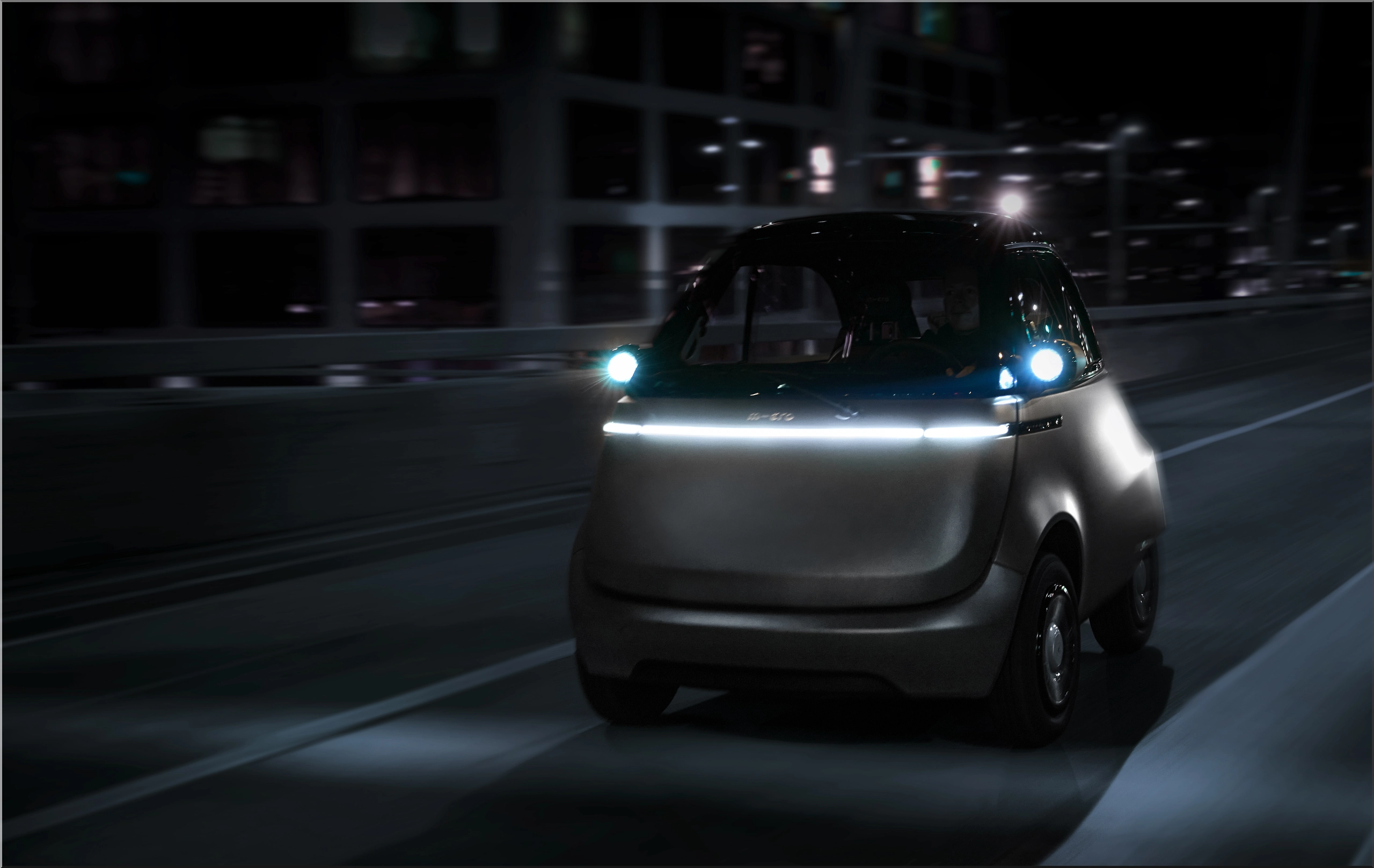
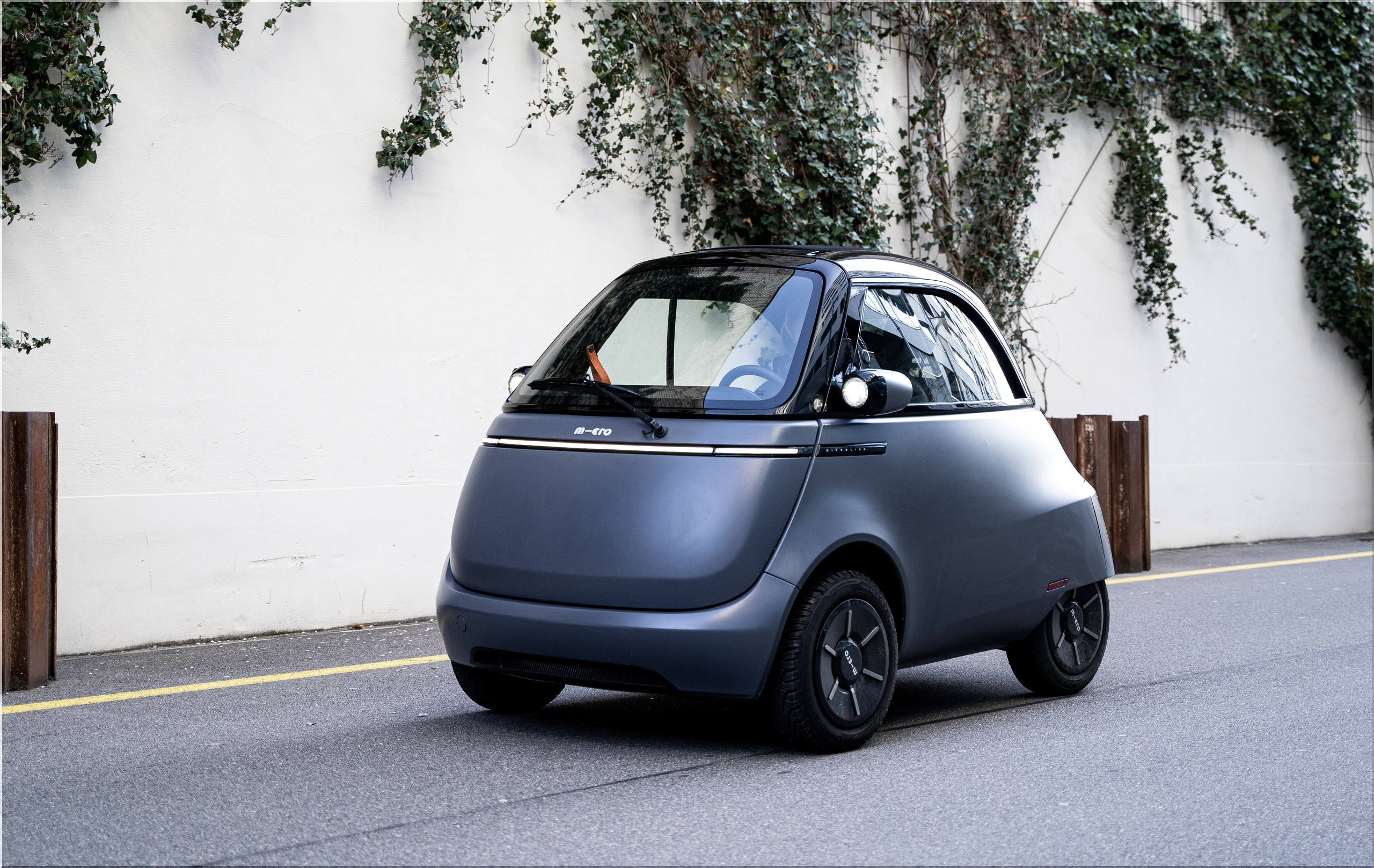
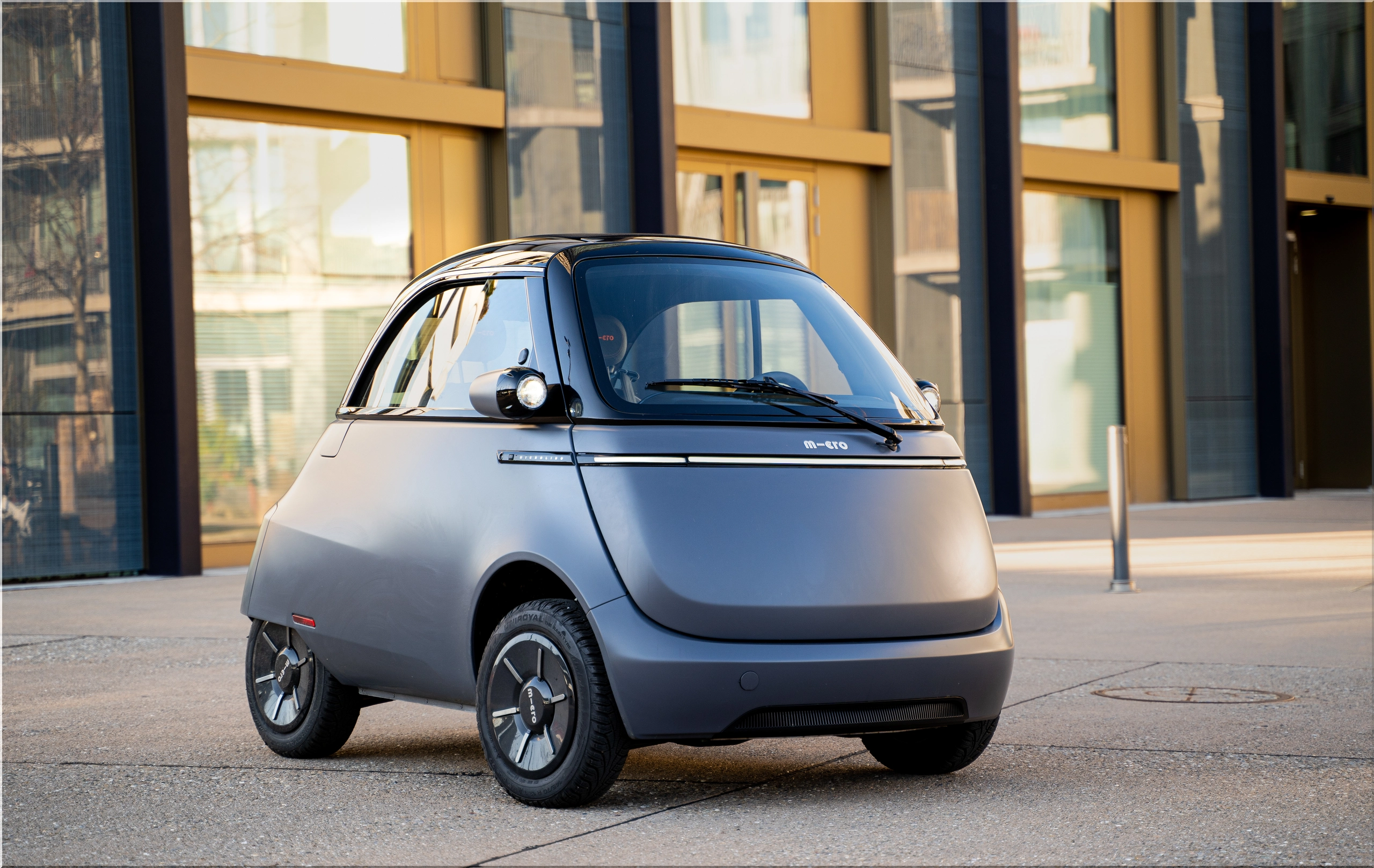
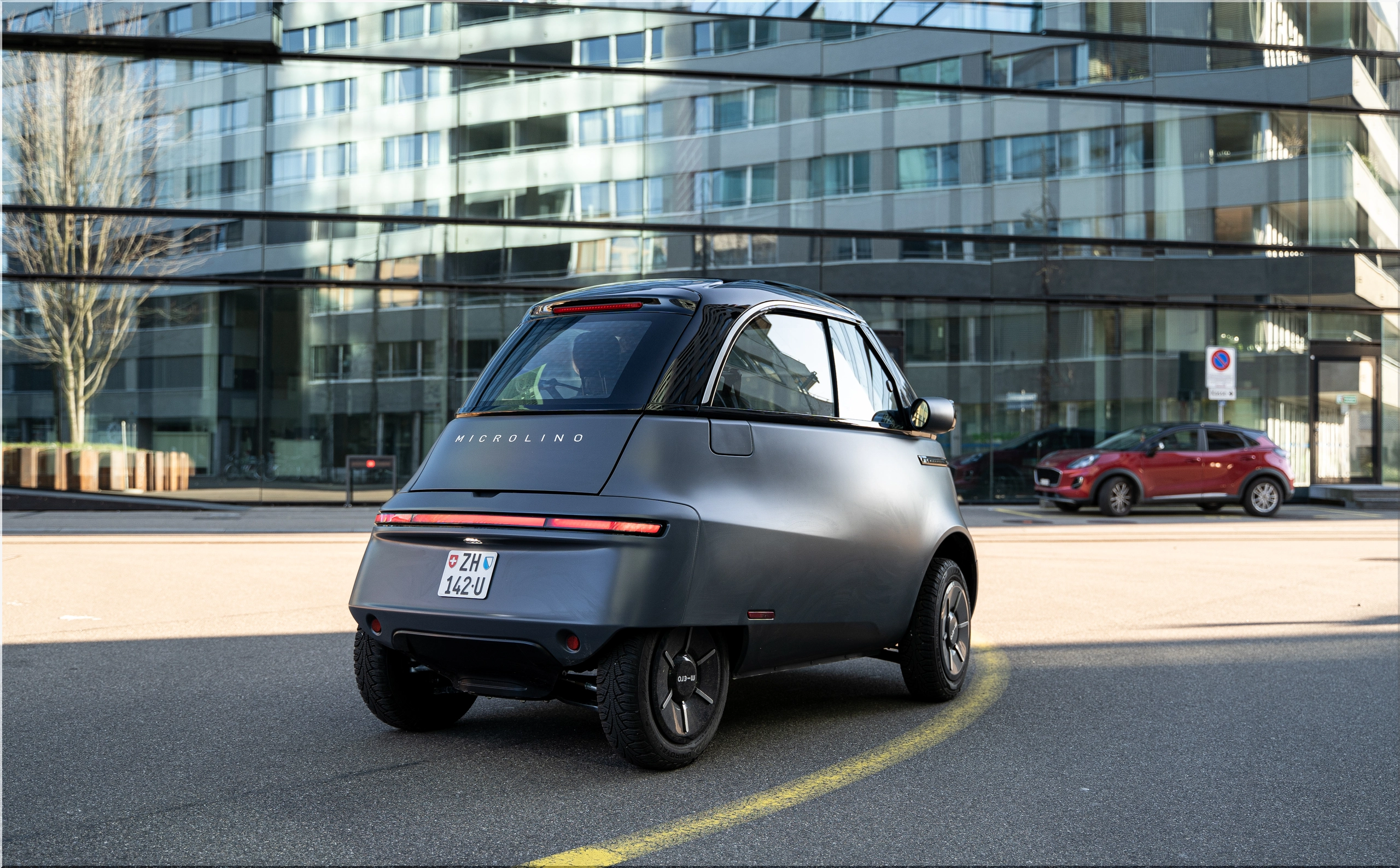
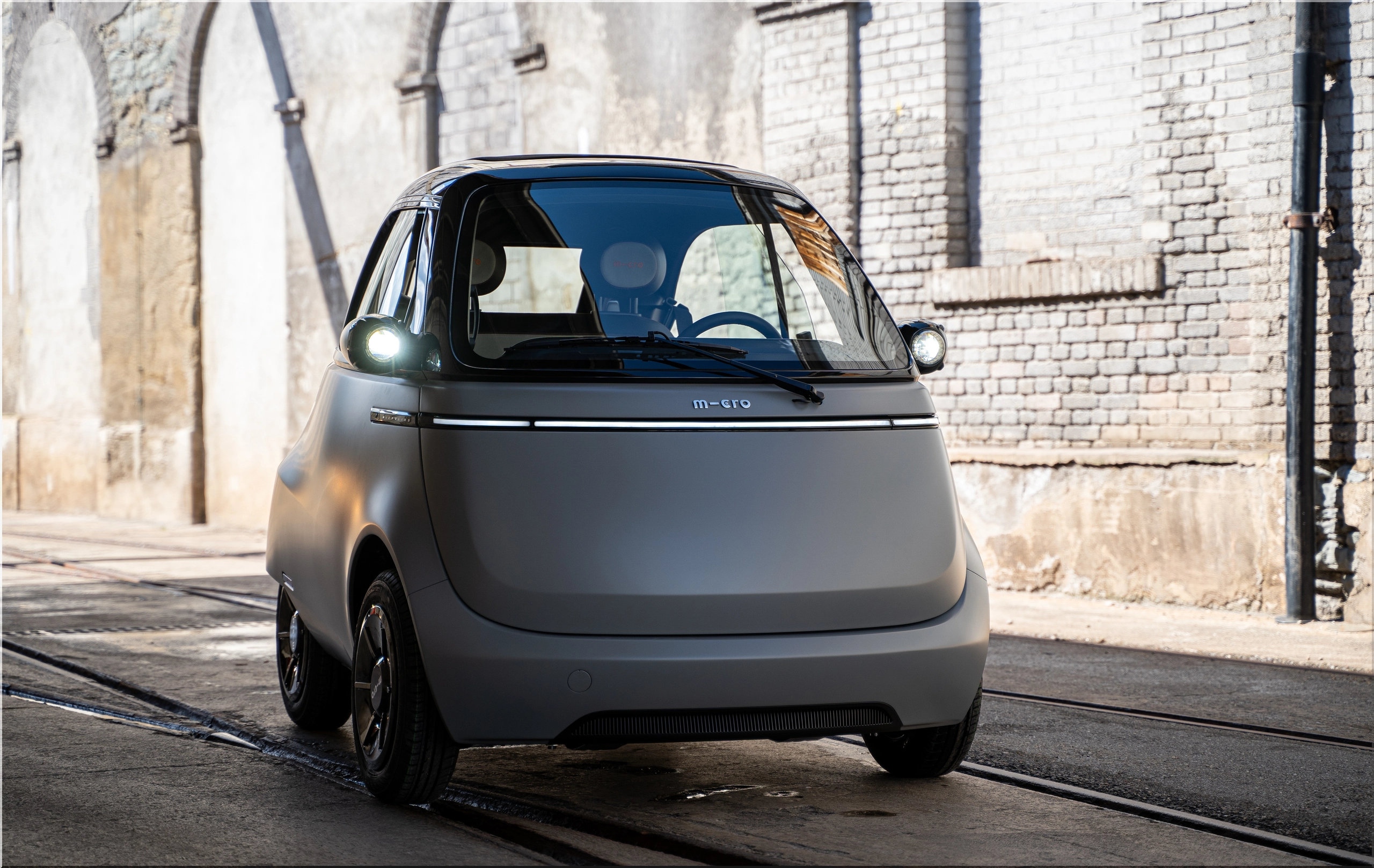
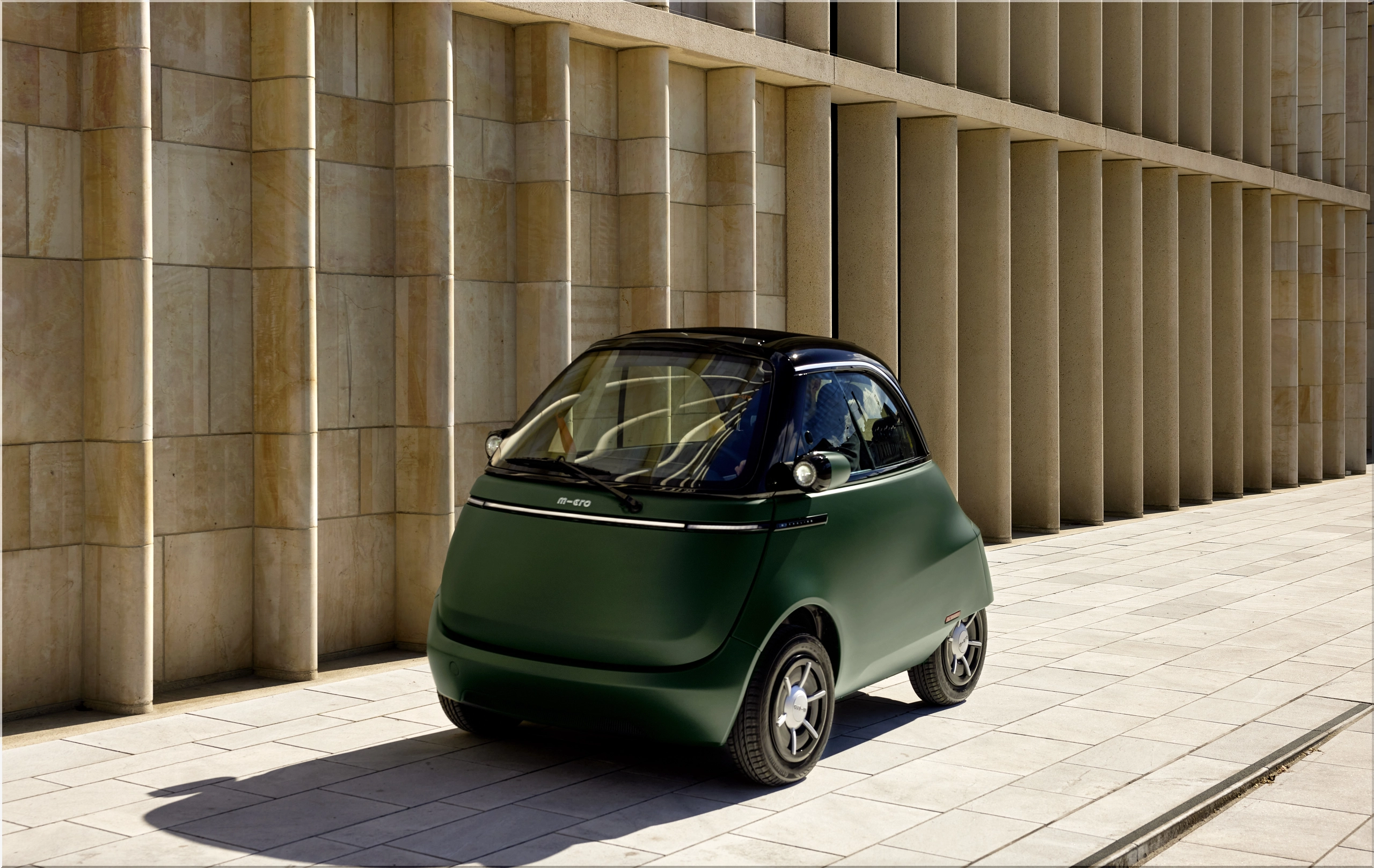
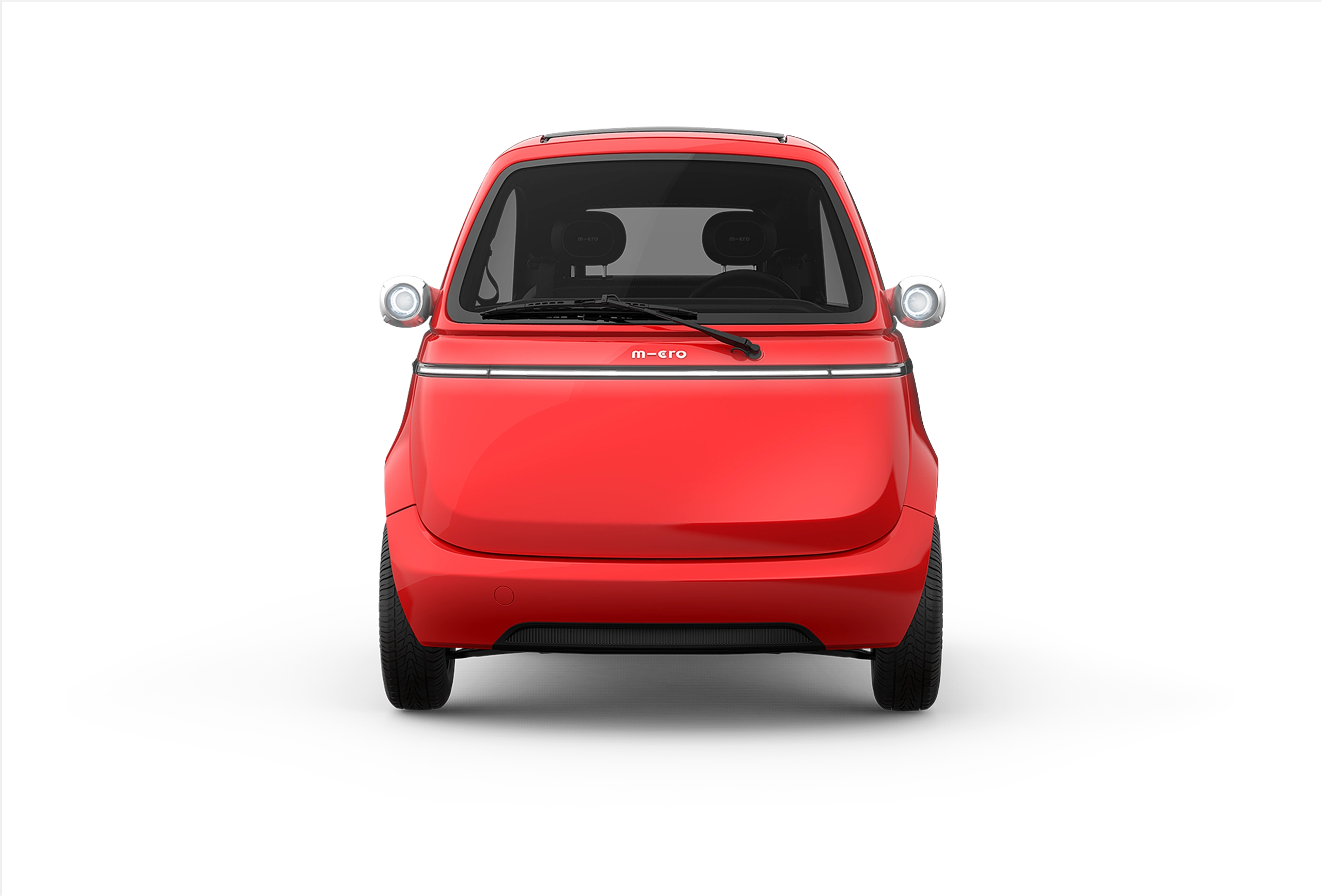
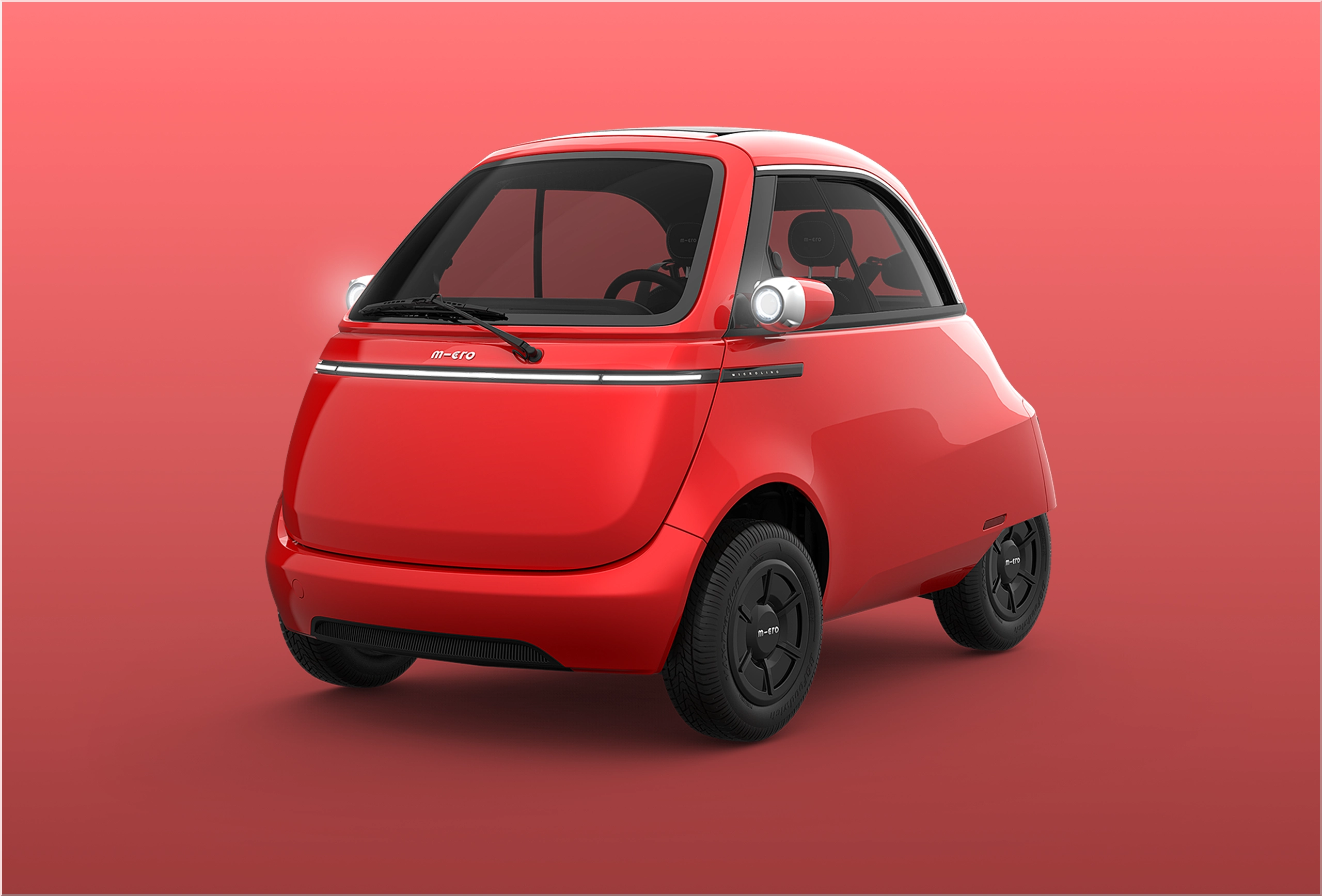
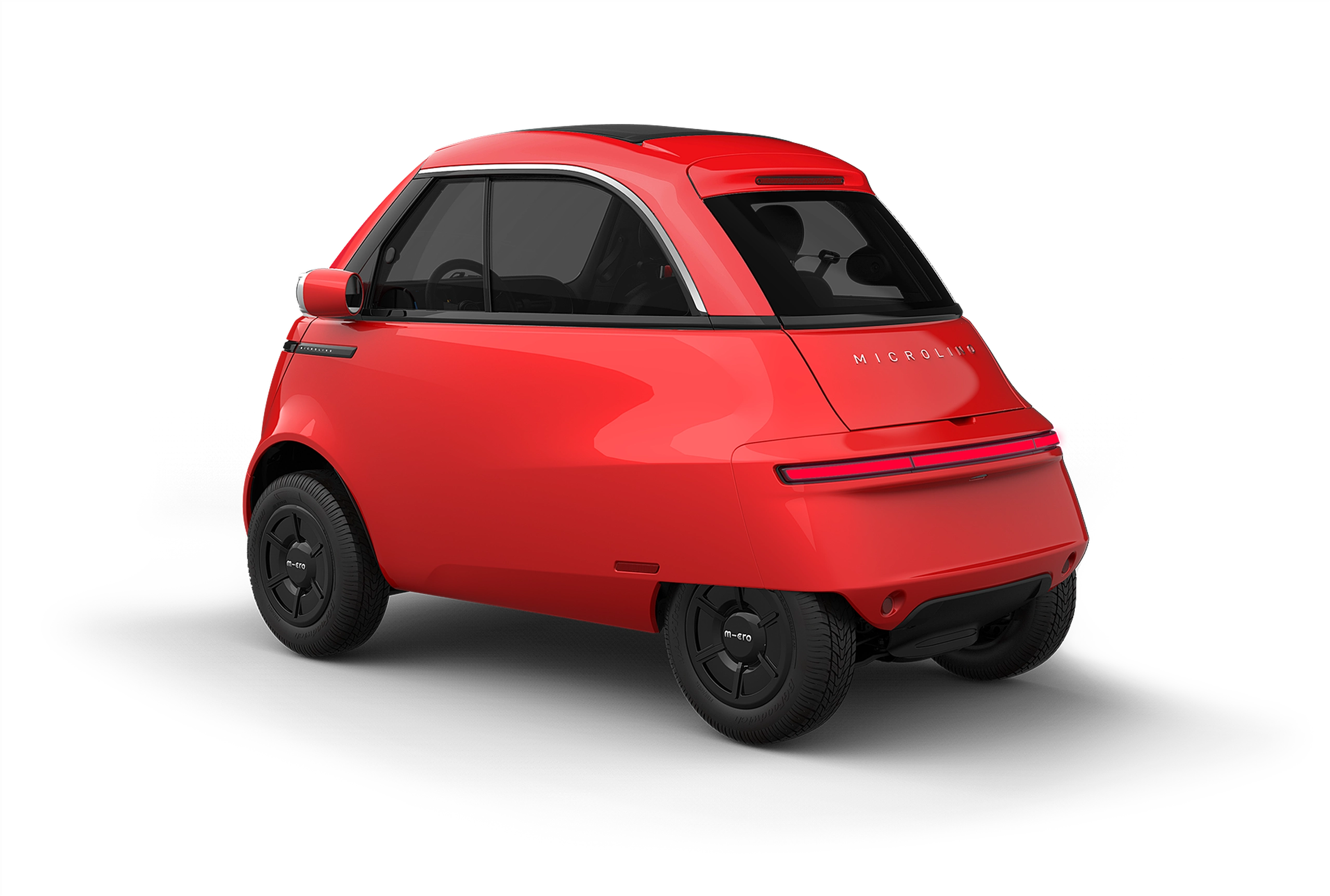
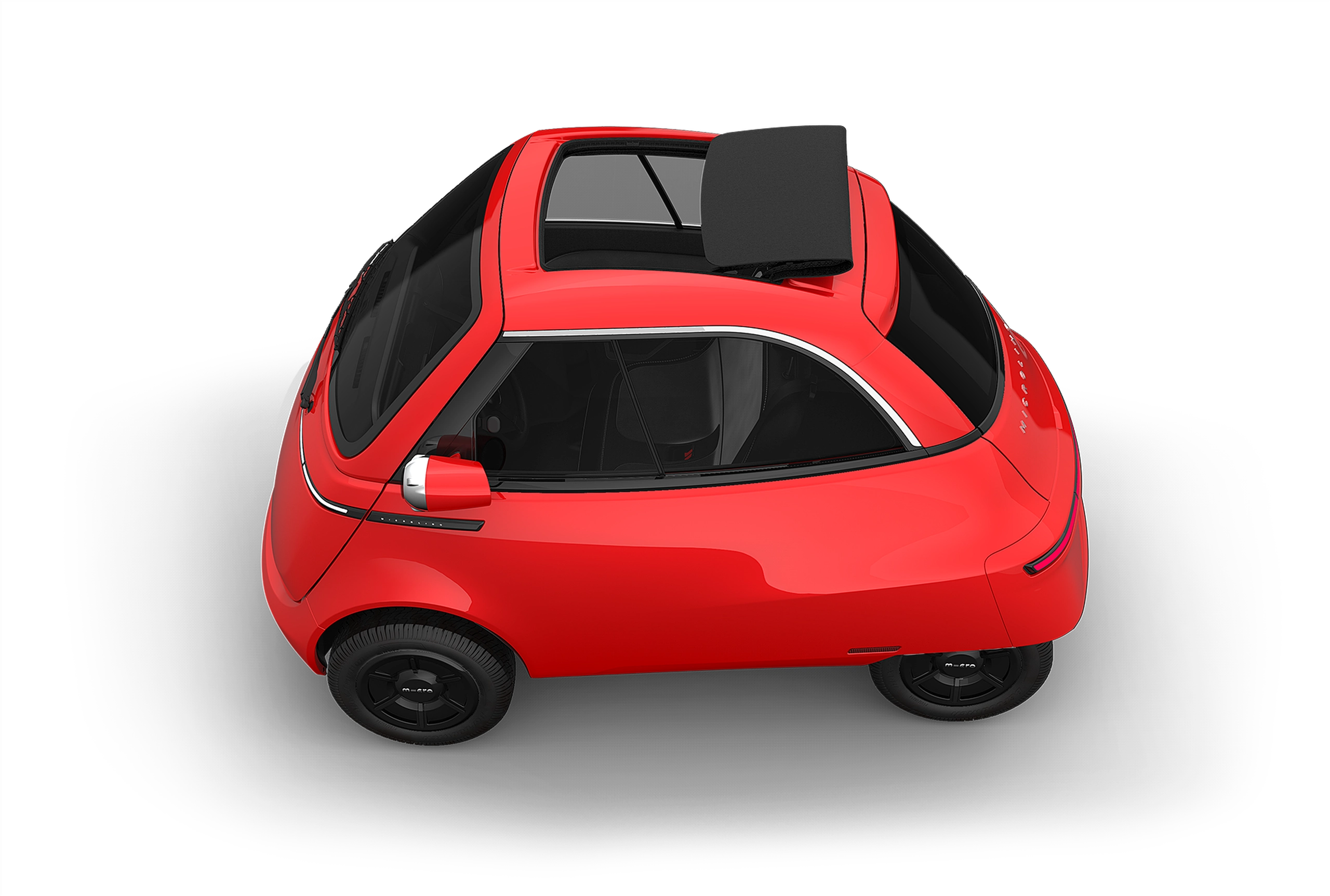
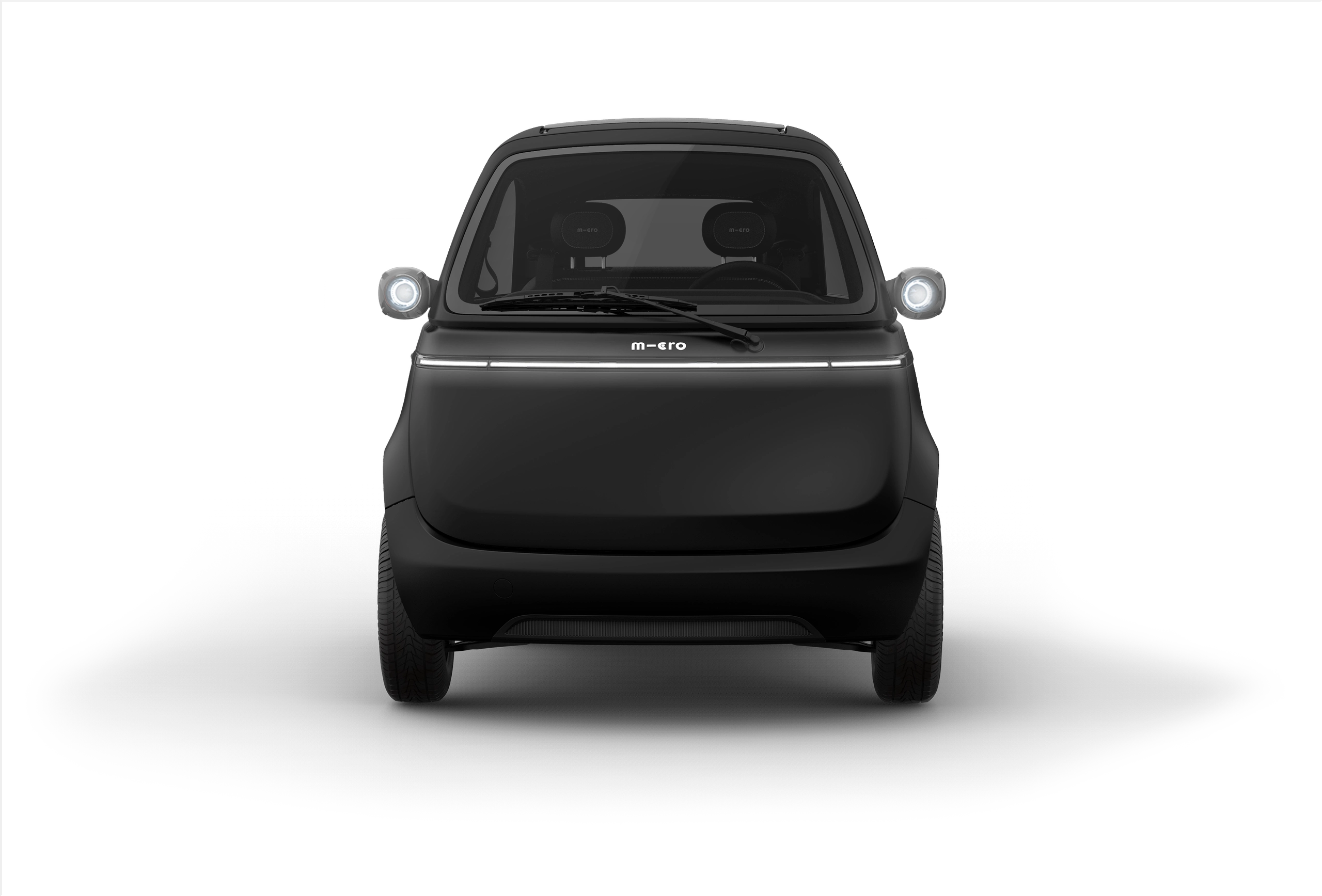
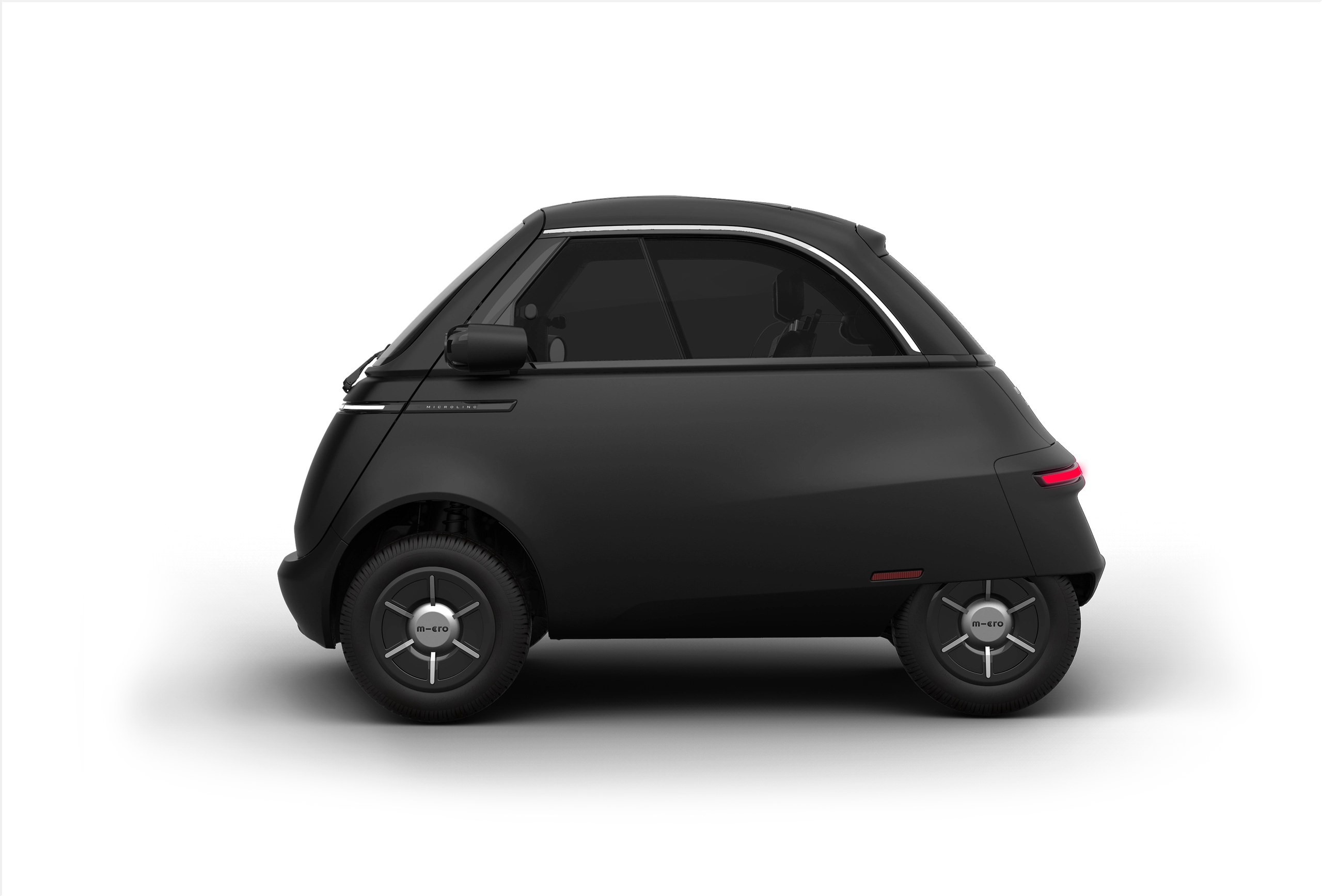
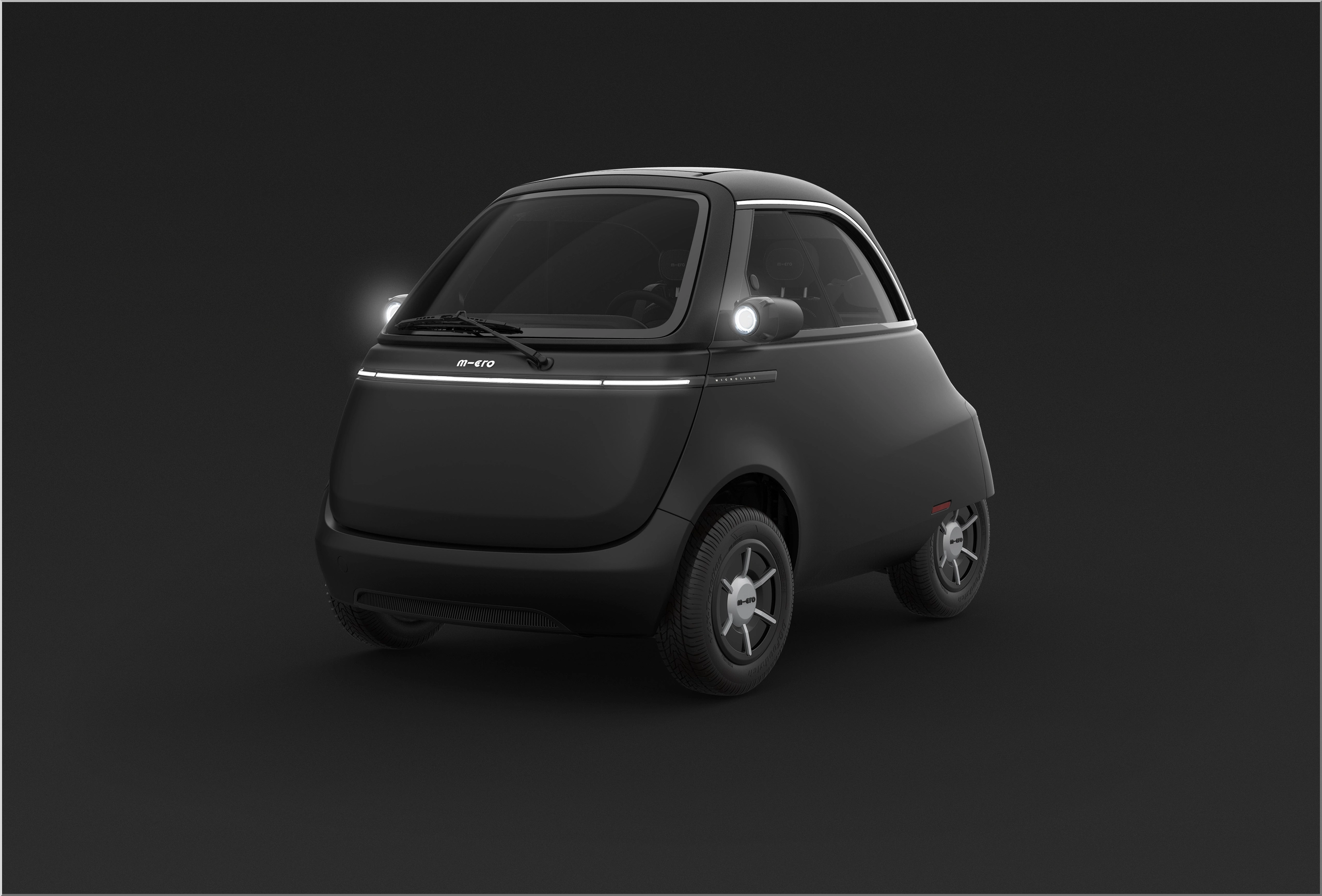
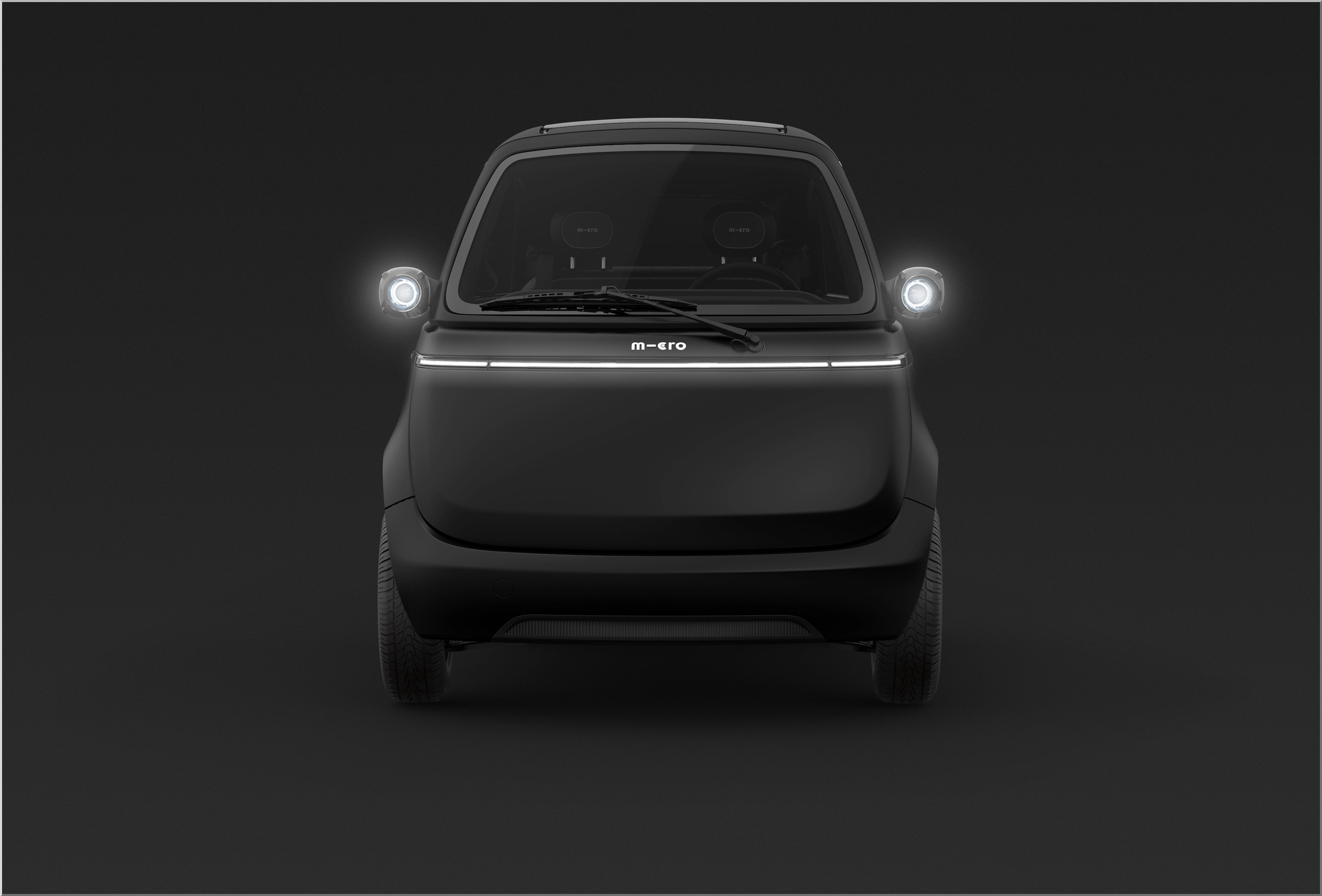
Microlino turns heads with its front door and retro look, but it lives or dies on city usefulness. As an L7e heavy quadricycle, it promises microcar style with real everyday range, simple charging, and enough cabin space for two.
Summary verdict
Microlino makes urban travel both purposeful and stylish. It is quick off the line, easy to park, and charges from ordinary AC. The cabin feels solid for the class, though you trade car-grade refinement and advanced assists. Pick your battery size to match your route and you will enjoy painless city mobility.
- Best for: design-minded city drivers, second-car households, short-commute fleets.
- Skip if: you need long highway stints, air conditioning, or big-car quiet.
Performance and handling
- City punch: 0–50 km/h in about 5 seconds keeps you ahead of traffic lights.
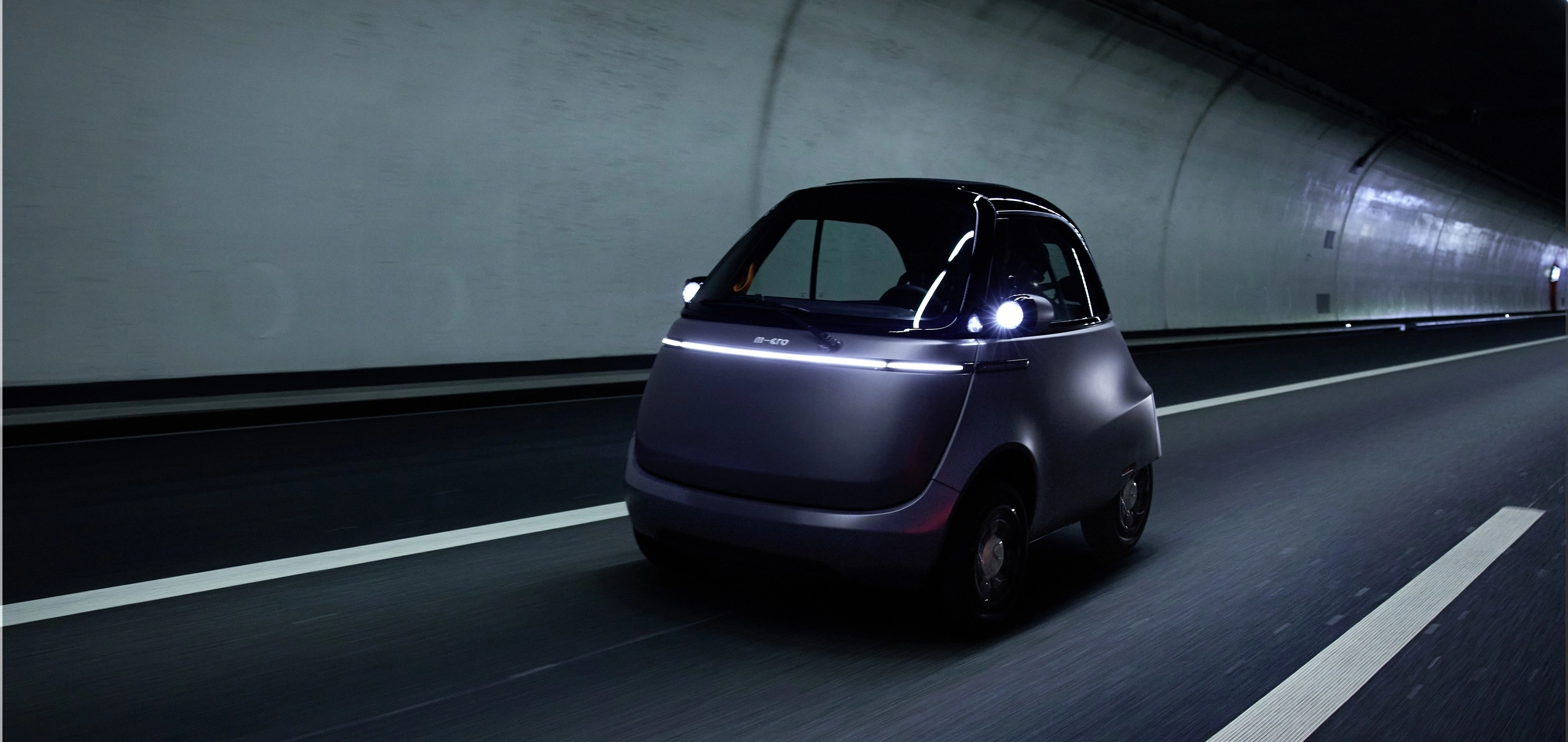
- Top speed: 90 km/h gives headroom on urban ring roads where permitted.
- Motor: around 12.4–12.5 kW continuous, tuned for smooth, linear response.
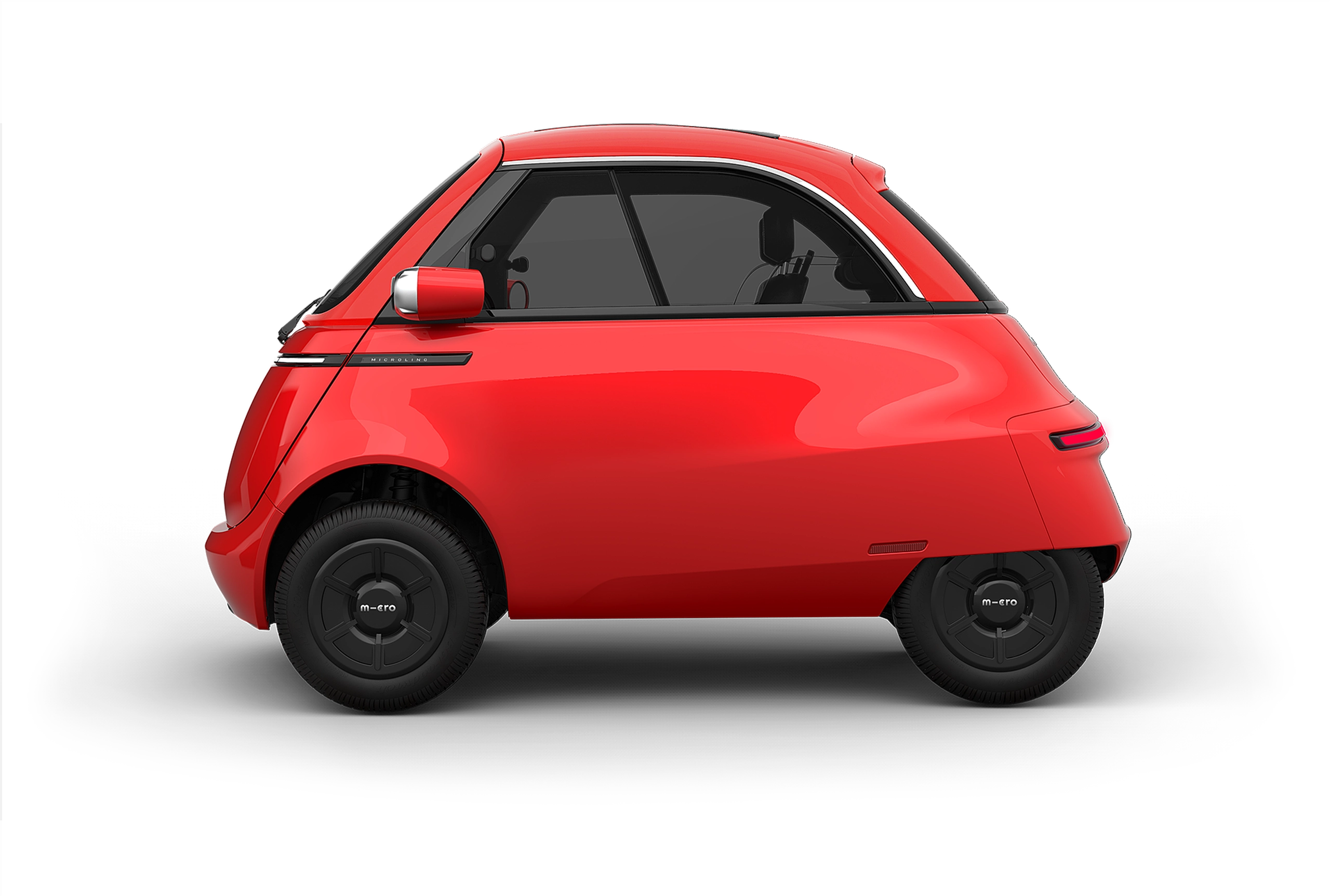
- Feel: short wheelbase and independent suspension deliver a tidy, go-kart vibe.
- Braking: predictable and easy to modulate around town.
L7e heavy quadricycle: up to 15 kW with higher mass limits and design speeds above 45 km/h. Road access still depends on national rules.
Range and charging
- Battery choices: 5.5 kWh, 10.5 kWh, or 15 kWh.
- WLTP ranges: about 93 km, 177 km, or 228 km respectively.
- Daily reality: plan for a comfortable 70–200 km window depending on battery, temperature, hills, and driving style.
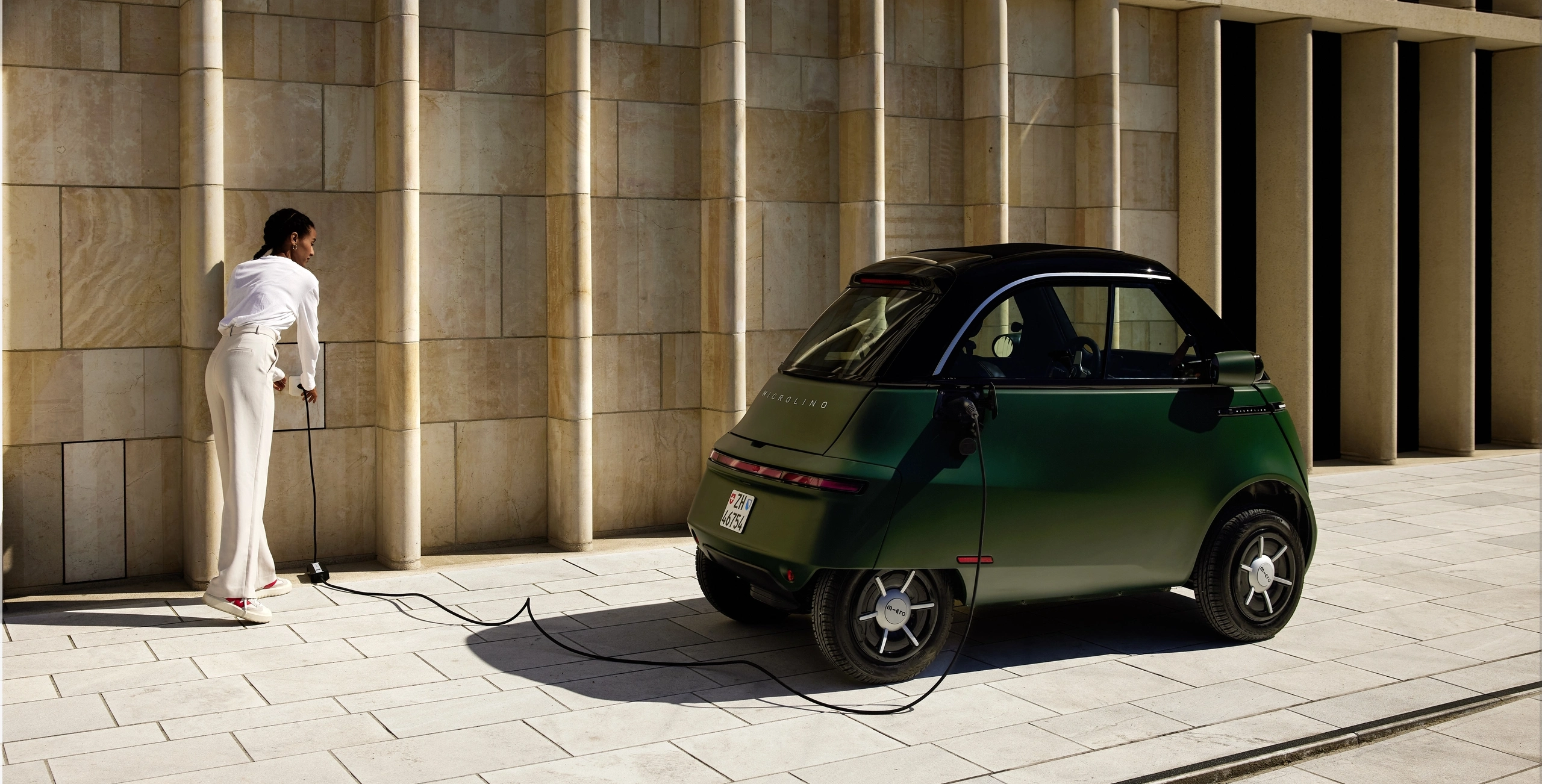
- AC charging: Type 2 at approx 2.2 kW. Typical 0–80 percent times are roughly 2 h, 4 h, and 5.5 h by battery size.
- Household socket: optional cable lets you top up from a normal outlet; think of it like phone charging for your commute.
Pro-Tip
Choose the 10.5 kWh pack if your round trip is 35–60 km with winter margins. Go 15 kWh if you regularly stack errands or carry a passenger on hilly routes.
Comfort and cabin experience
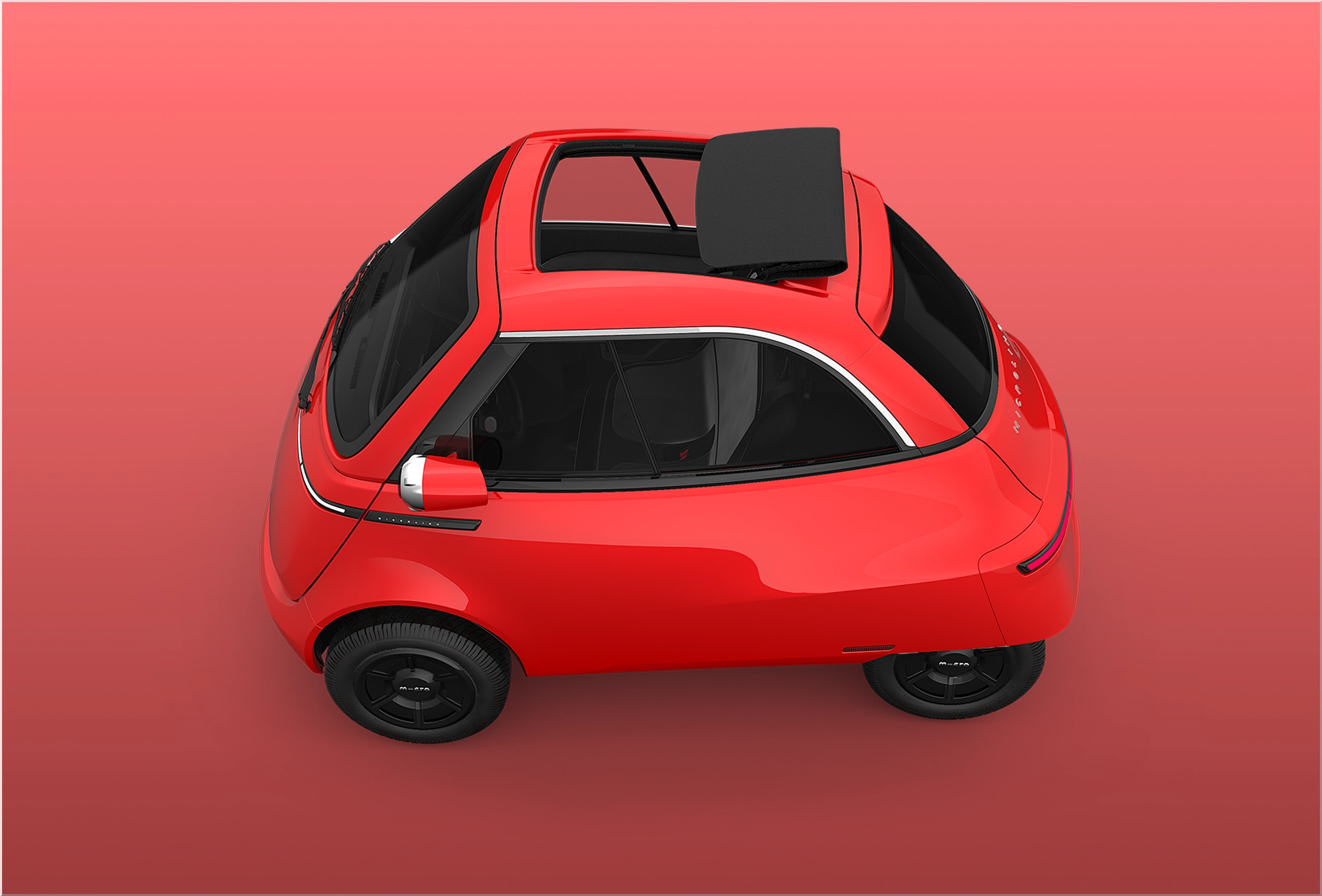
- Seating: two adults sit side by side; upright posture aids visibility.
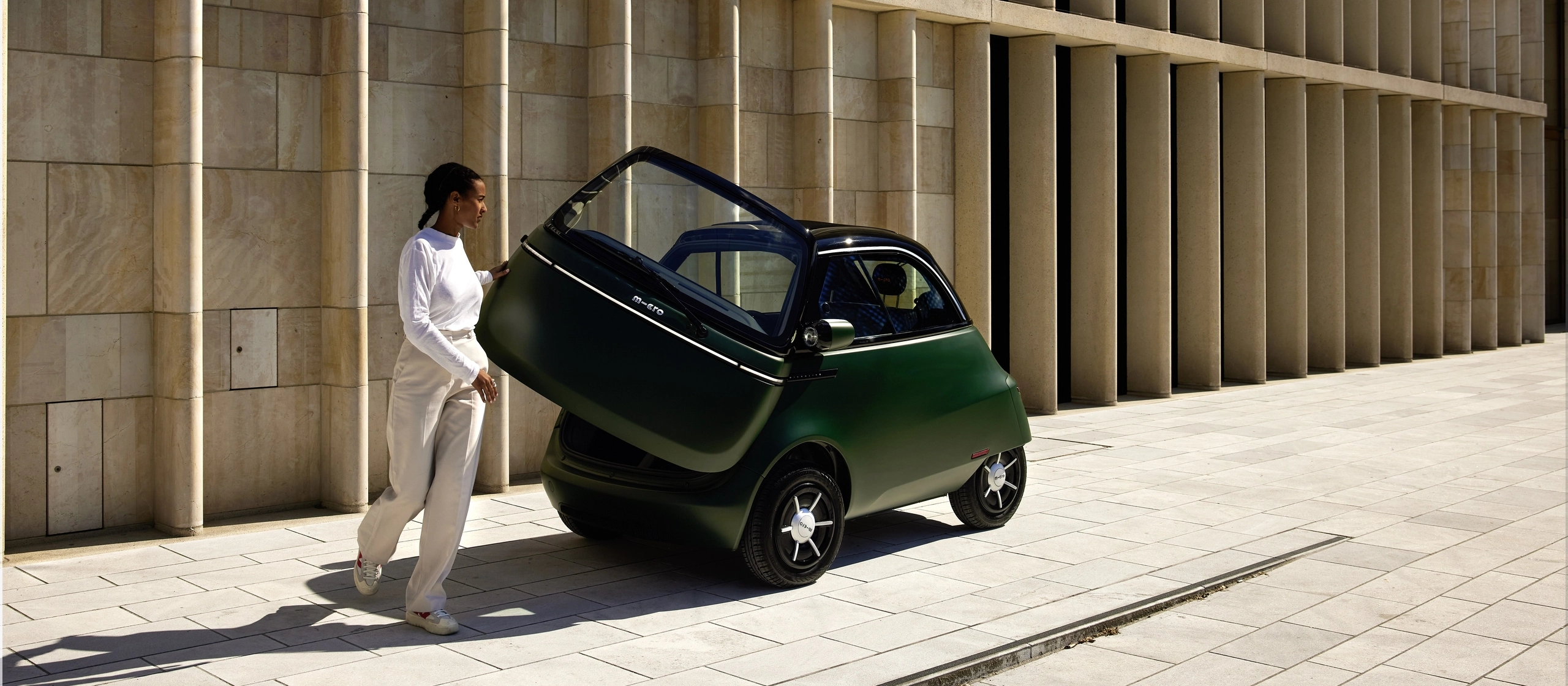
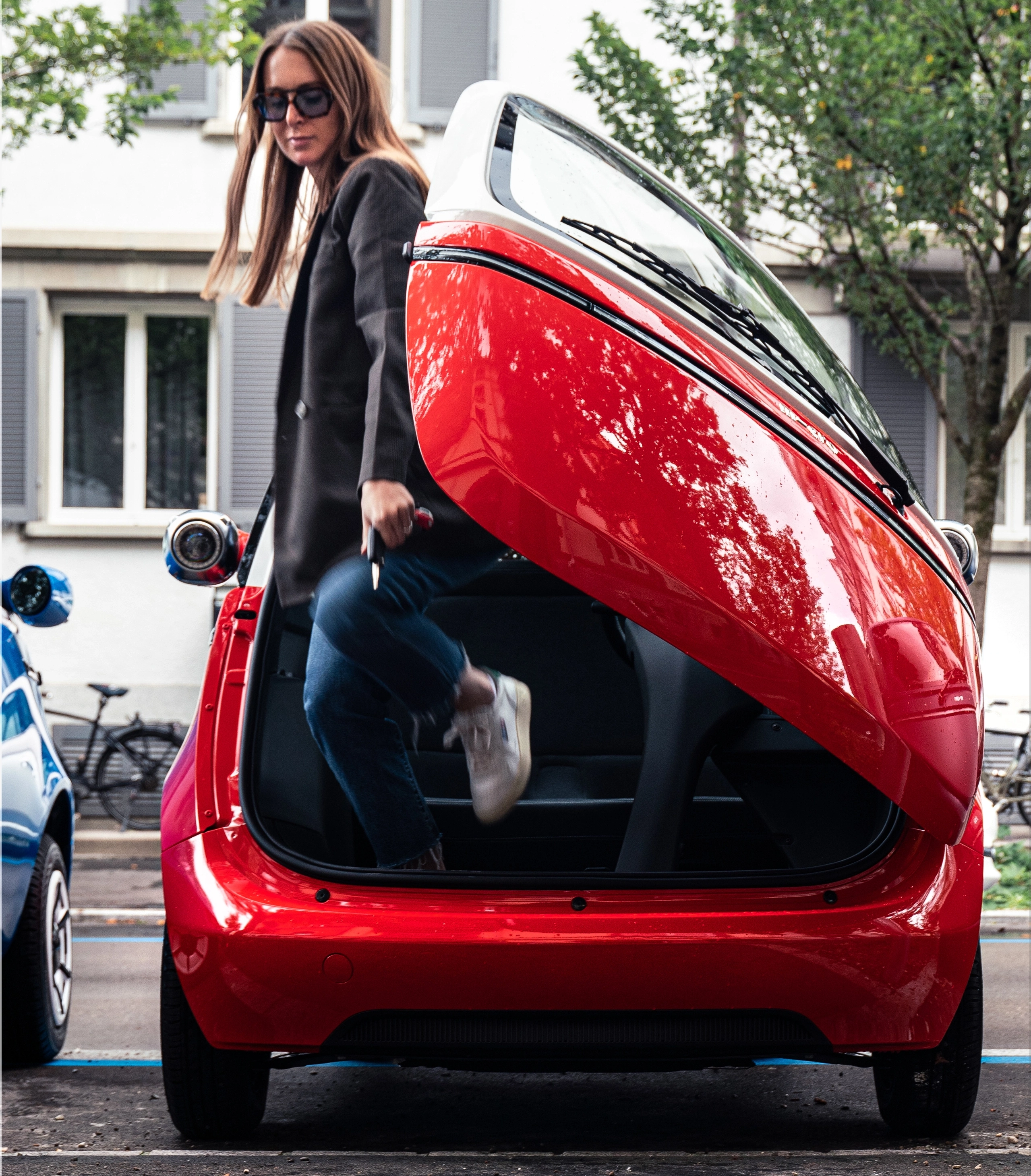
- Ingress: the front door makes tight-bay parking surprisingly easy once you learn the arc.
- Ride and noise: firmer than a city car but settled at urban speeds; expect tyre and wind noise above 60 km/h.
- Climate: compact heater and ventilation handle misting; no traditional A/C.
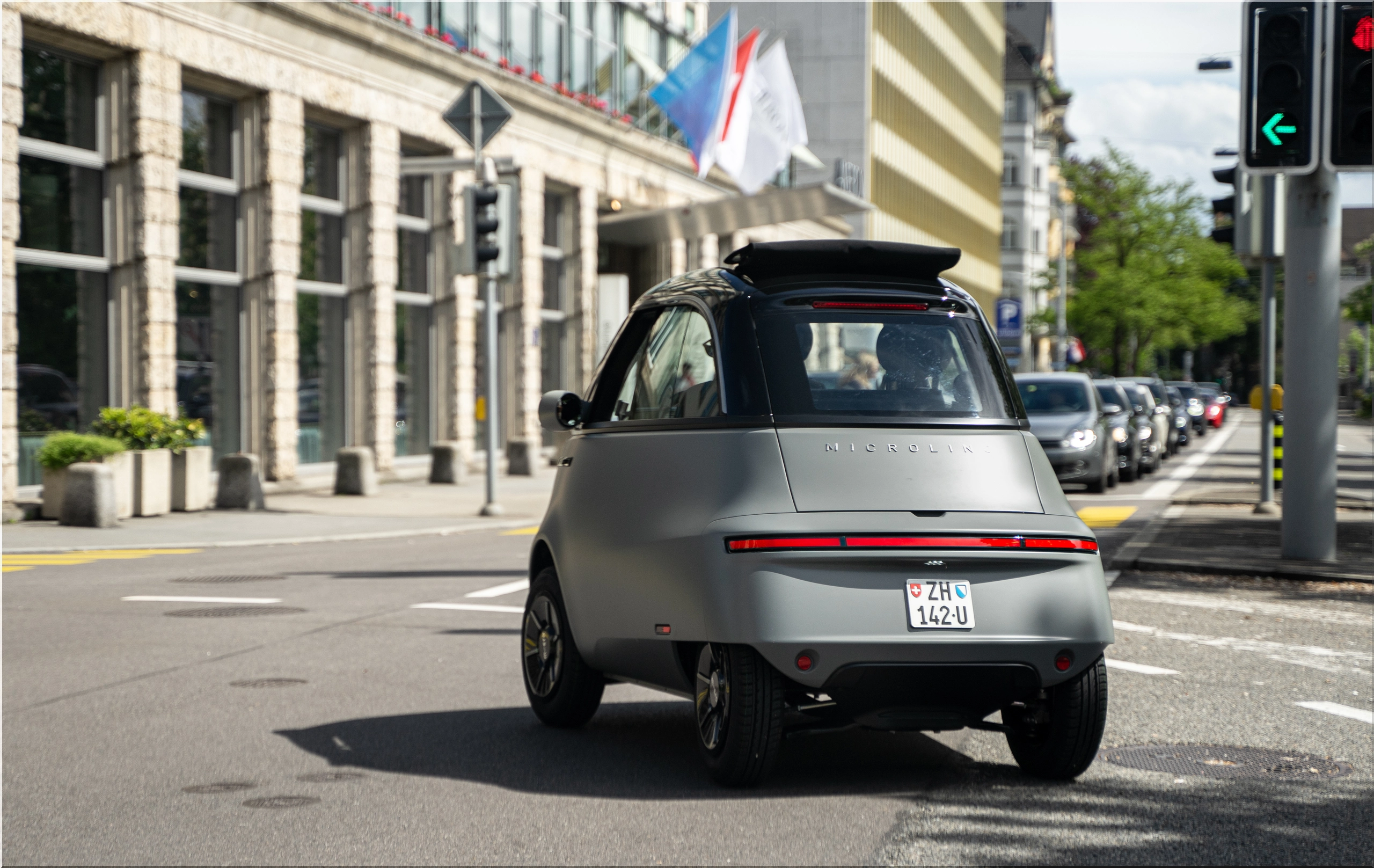
- Storage: a large rear trunk handles daily shopping and backpacks with room to spare.
Pro-Tip
Carry an anti-fog cloth and keep windows clean. Small cabins fog quickly in wet weather; quick demist and cracked windows help.
Practicality in the city
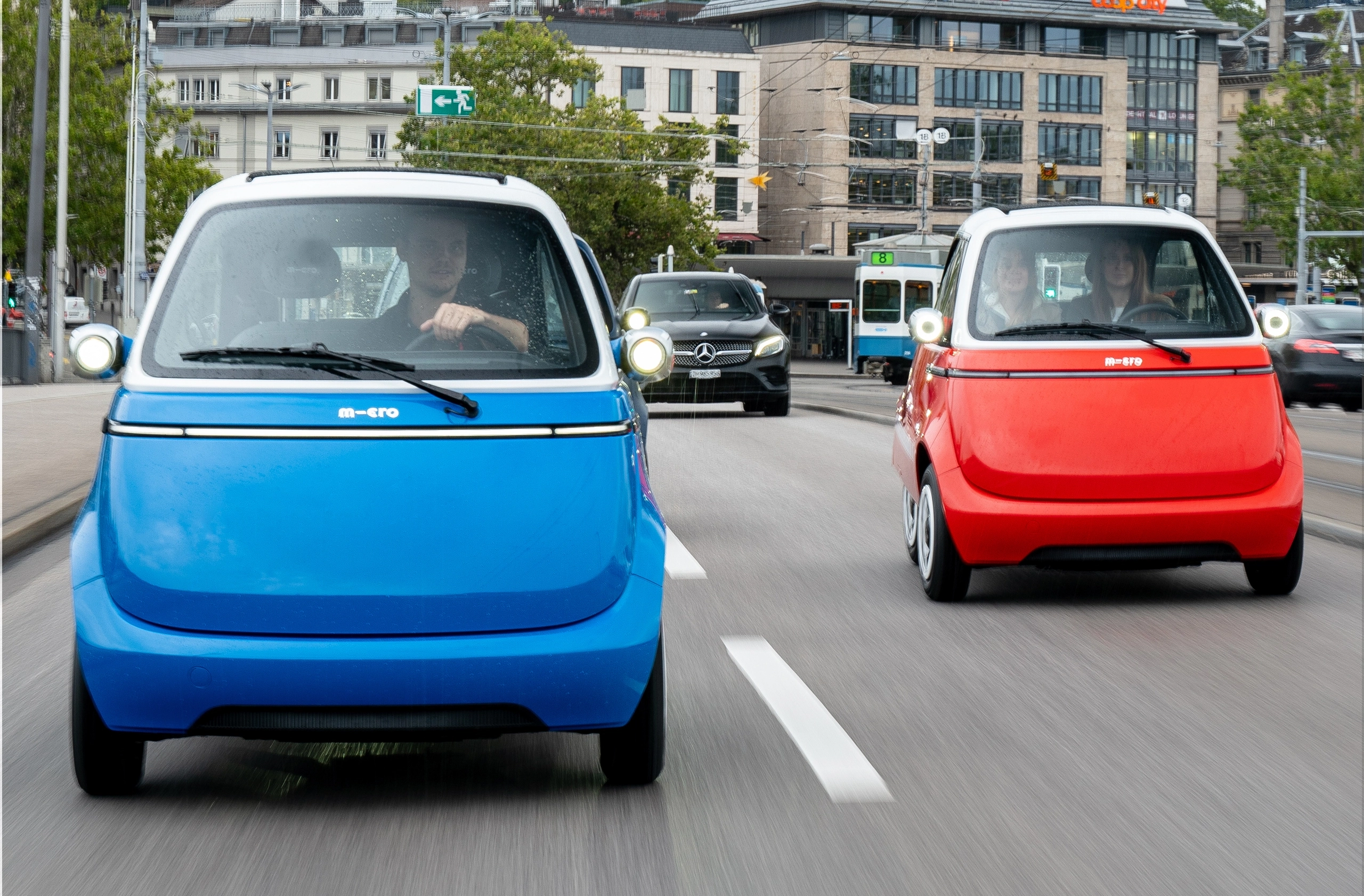
- Footprint: tiny length and width mean stress-free parallel parking.
- Turning: tight low-speed maneuvers make alley shortcuts and U-turns easy.
- Visibility: generous glass area helps in traffic; add rear sensors if offered.
- Errands: the trunk swallows a weekly grocery run; soft bags stack best.
Ownership costs
- Energy: small pack + AC charging = low monthly electricity spend.
- Maintenance: tyres, wipers, brake fluid, and periodic checks; EV drivetrain keeps service simple.
- Insurance: often cheaper than city cars but varies by age, licence class, and location.
- Depreciation: design appeal supports used demand; battery size and condition influence resale.
Which Microlino should you buy?
- 5.5 kWh (short hop specialist): quiet neighborhoods, school runs, last-mile deliveries.
- 10.5 kWh (balanced choice): mixed errands, mild winters, occasional ring-road links.
- 15 kWh (range maximizer): hilly cities, heavier loads, colder climates, fewer charge stops.
- Microlino Lite (45 km/h): consider the Lite if you must meet L6e limits; otherwise the standard 90 km/h model offers more flexibility.










Pros and cons
Pros
- Iconic design with a genuinely usable trunk
- Sprightly city acceleration and secure low-speed handling
- Simple AC charging at home or work
- Side-by-side seating suits daily errands
Cons
- No traditional A/C; heater handles misting but not peak heat
- Road and wind noise above urban speeds
- Quadricycle standards, not car-class crash norms
- Learning curve for the front-door workflow in tight garages













Spec snapshot (buyer quick check)
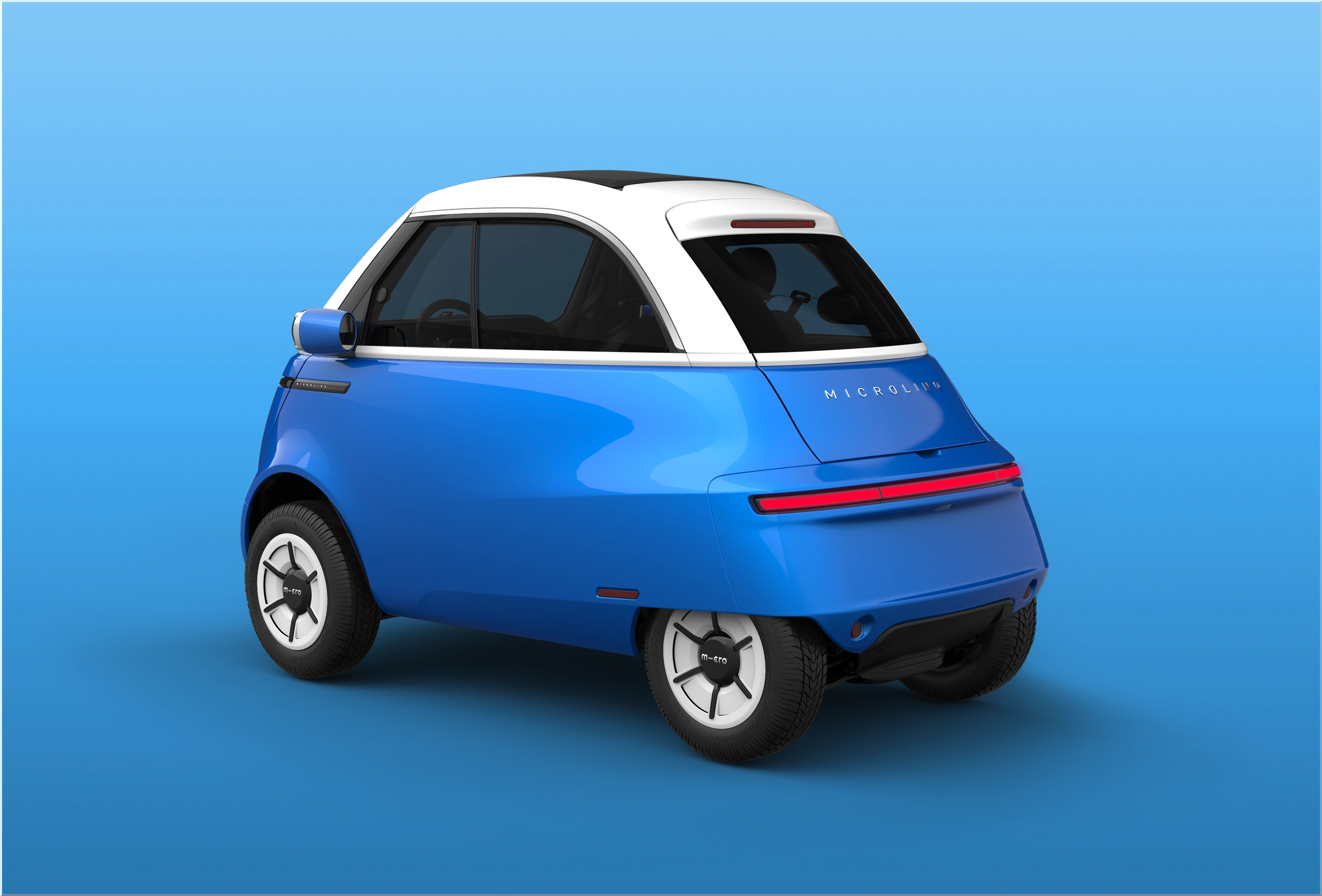
- Class: L7e heavy quadricycle
- Seats: 2, side by side
- Motor: ~12.4–12.5 kW; 0–50 km/h ~5 s
- Top speed: 90 km/h
- Batteries: 5.5 / 10.5 / 15 kWh
- WLTP range: 93 / 177 / 228 km
- Charging: Type 2 AC ~2.2 kW; 0–80 percent ~2 h / 4 h / 5.5 h
- Trunk volume: large rear compartment suitable for weekly shopping
Bottom line
Microlino blends standout style with genuine day-to-day utility. If your life fits inside a compact urban grid and you value easy charging, tidy handling, and a trunk that actually works, it is one of the most charming ways to go electric without the bulk of a car.
- Add new comment
- 217 views