The Environmental Protection Agency has proposed new standards requiring automakers to reduce greenhouse gas emissions from passenger cars and light trucks by 40 percent by 2027 and 55 percent by 2032 compared to 2020 levels. These are the strictest-ever vehicle emissions limits in the U.S. and aim to combat climate change and improve air quality.
While some carmakers may need help to meet these ambitious targets, one brand that is well-positioned to comply is Renault. The French automaker has been a pioneer in electric vehicles (EVs) for over a decade and has a diverse portfolio of models that offer zero-emission driving. In fact, Renault was the best-selling EV brand in Europe in 2020, with a market share of 23.6 percent.
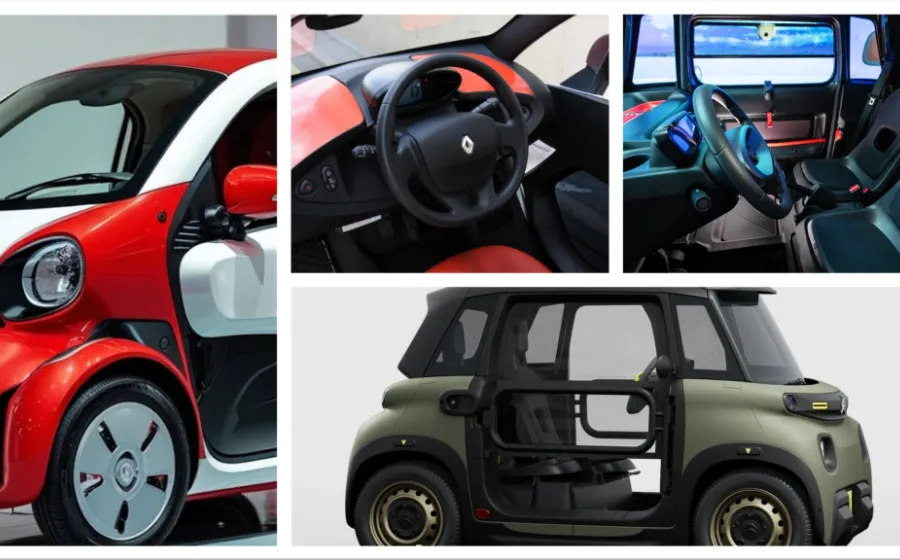
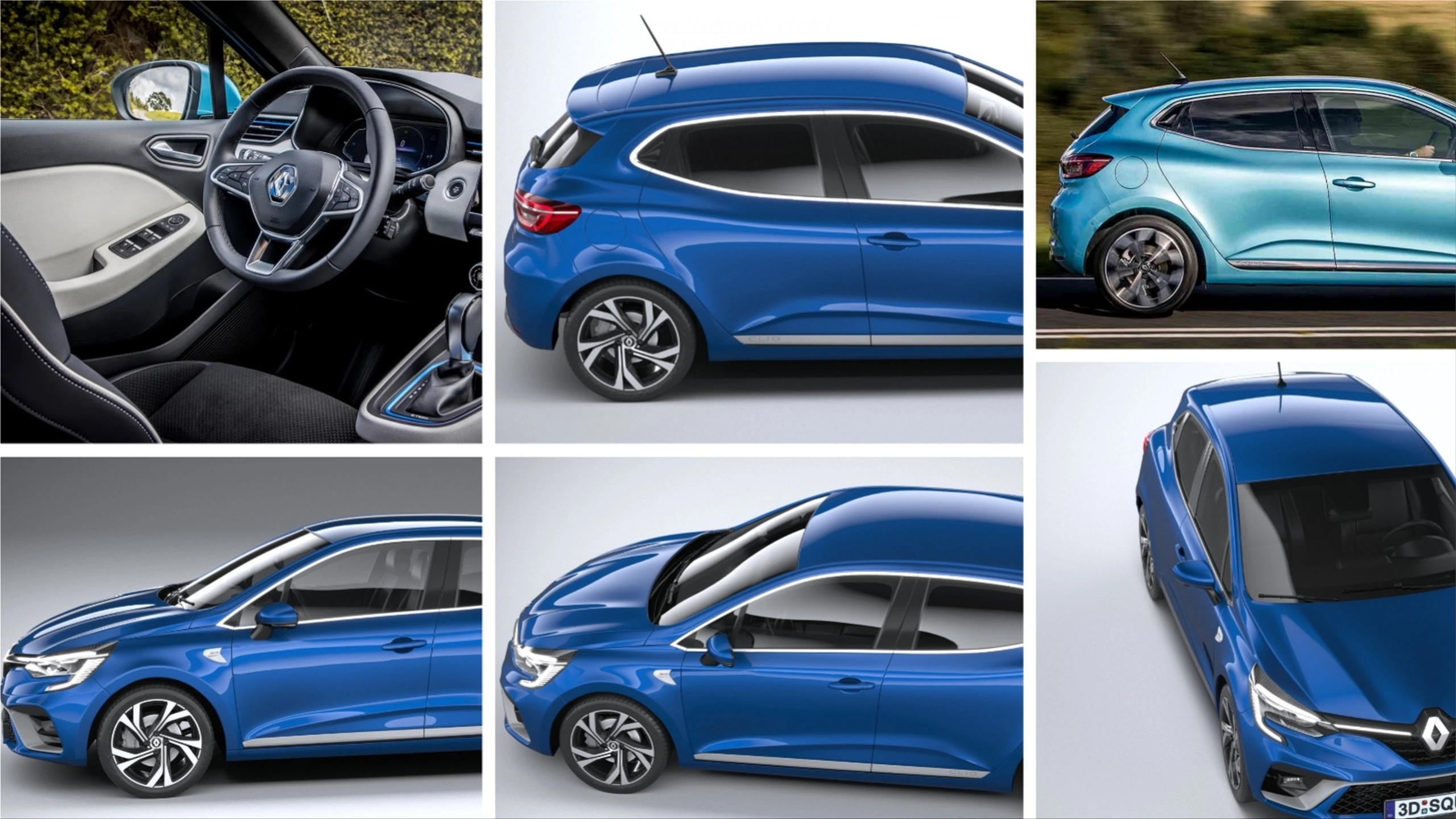
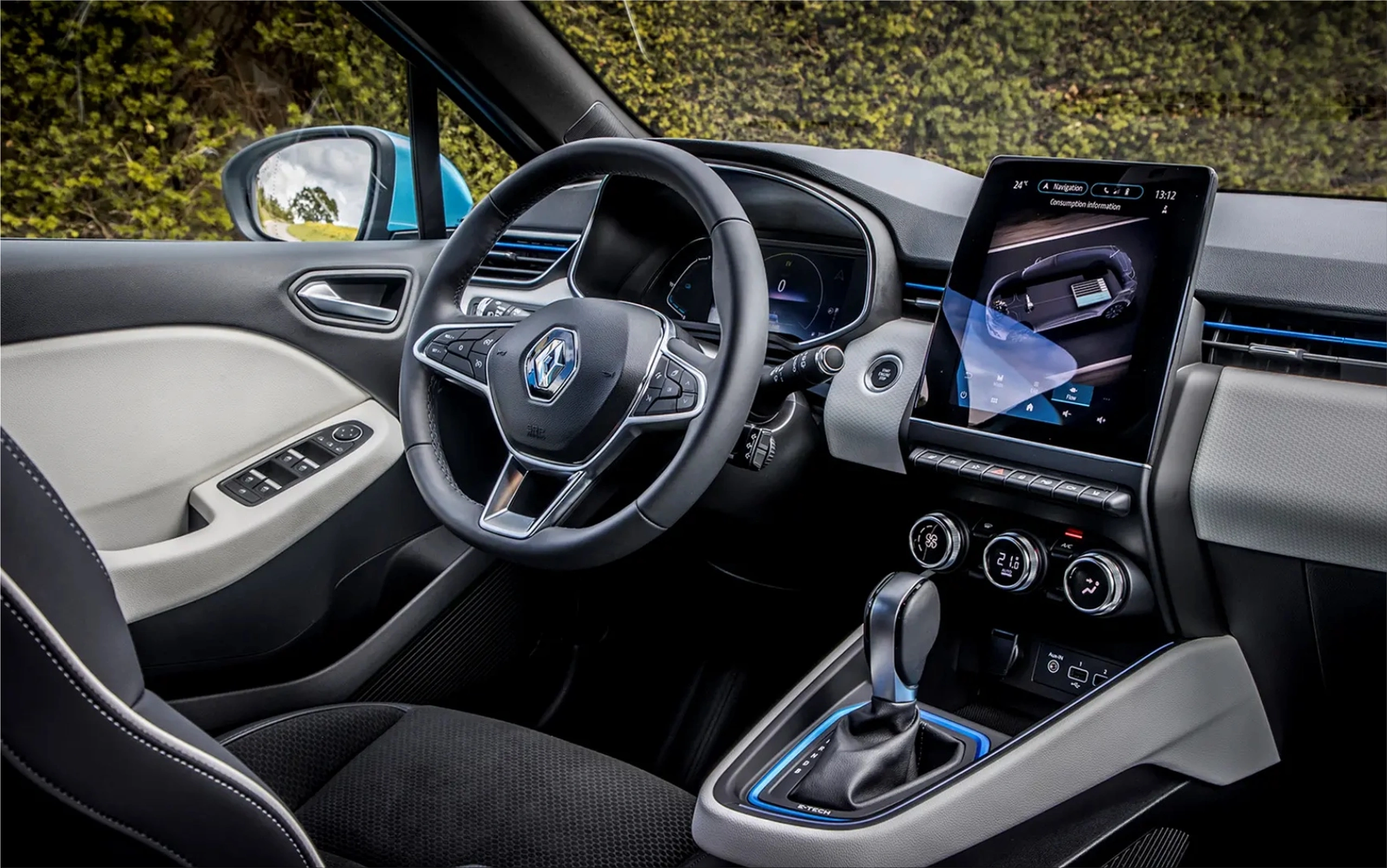
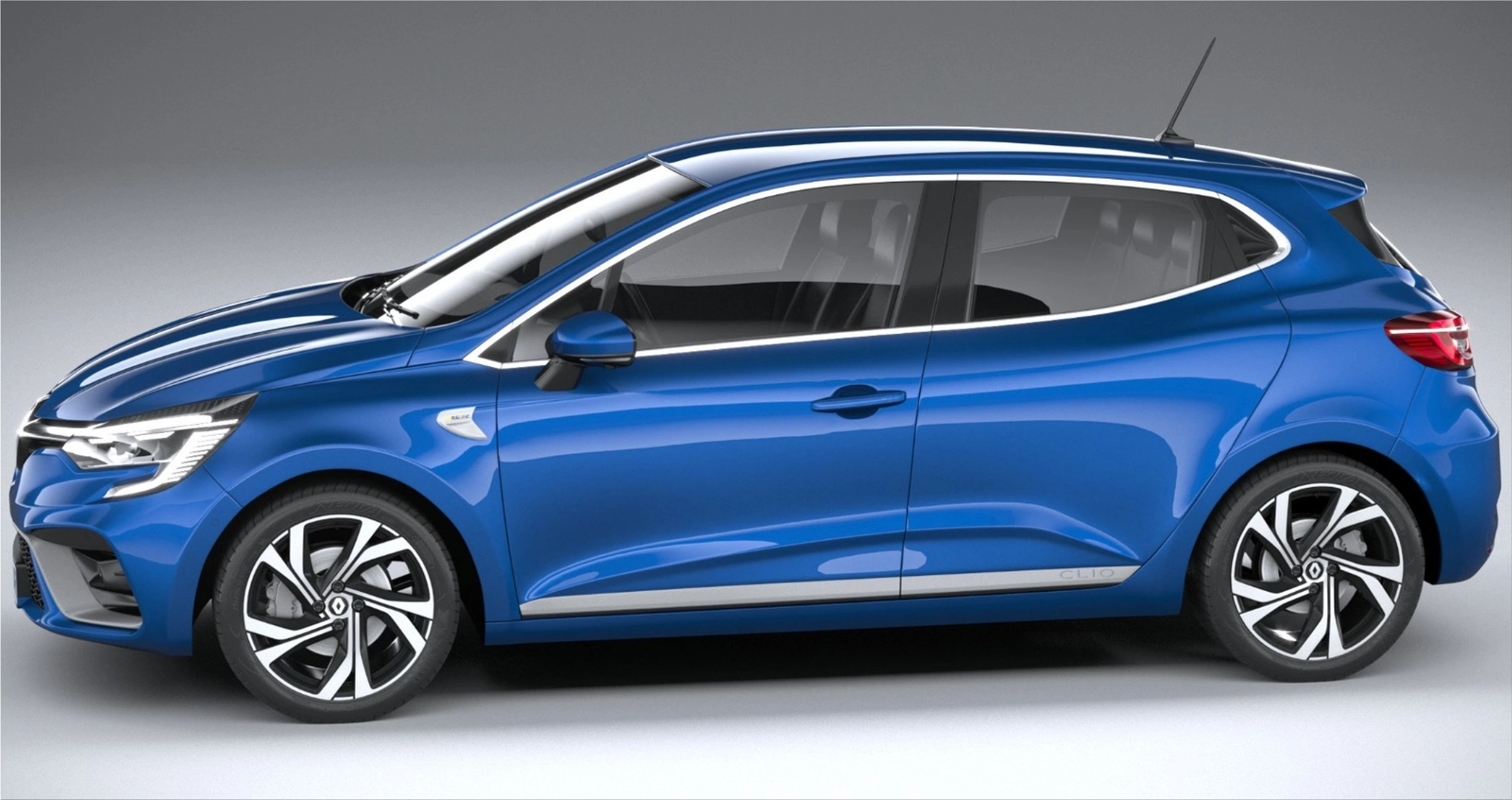
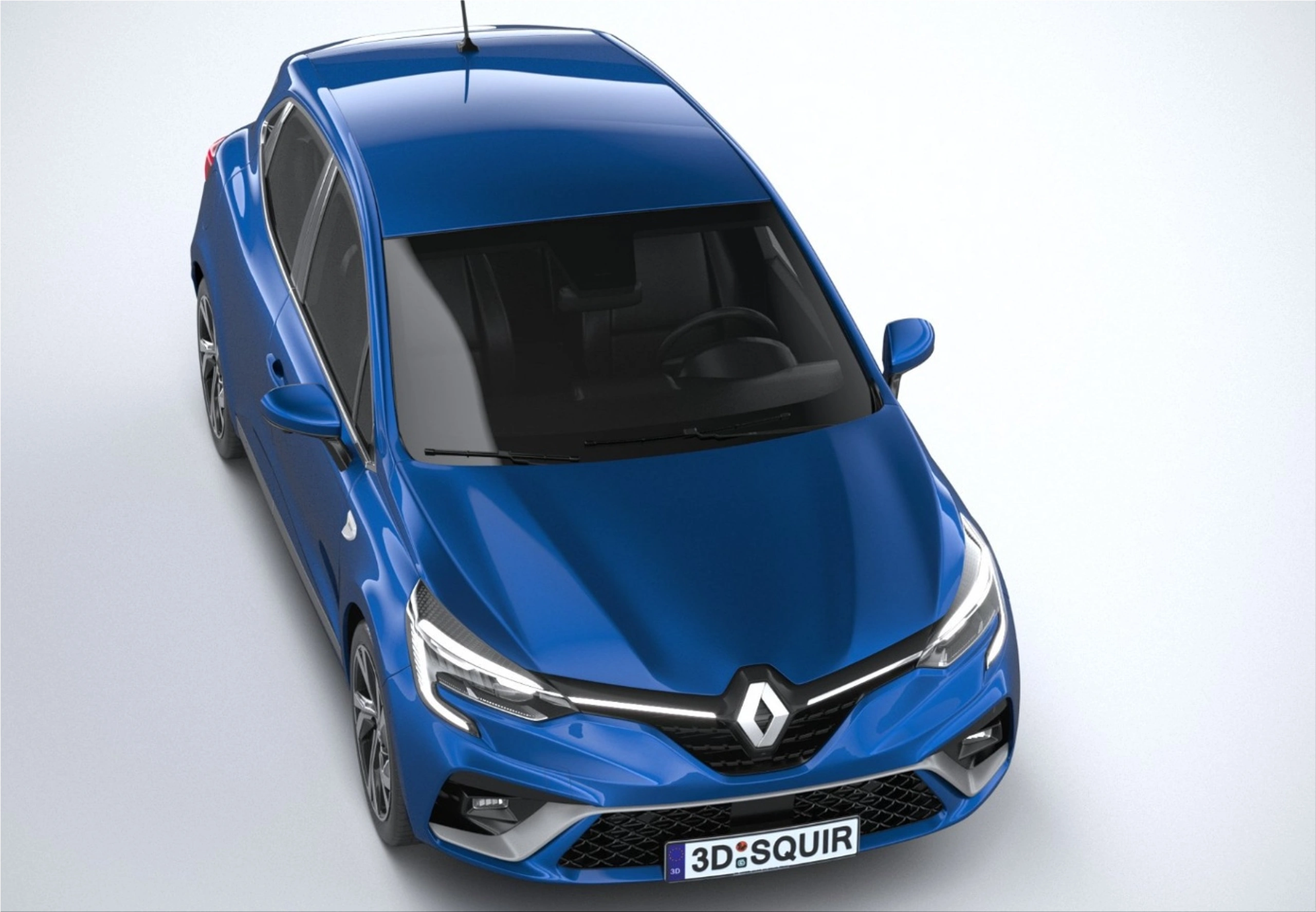
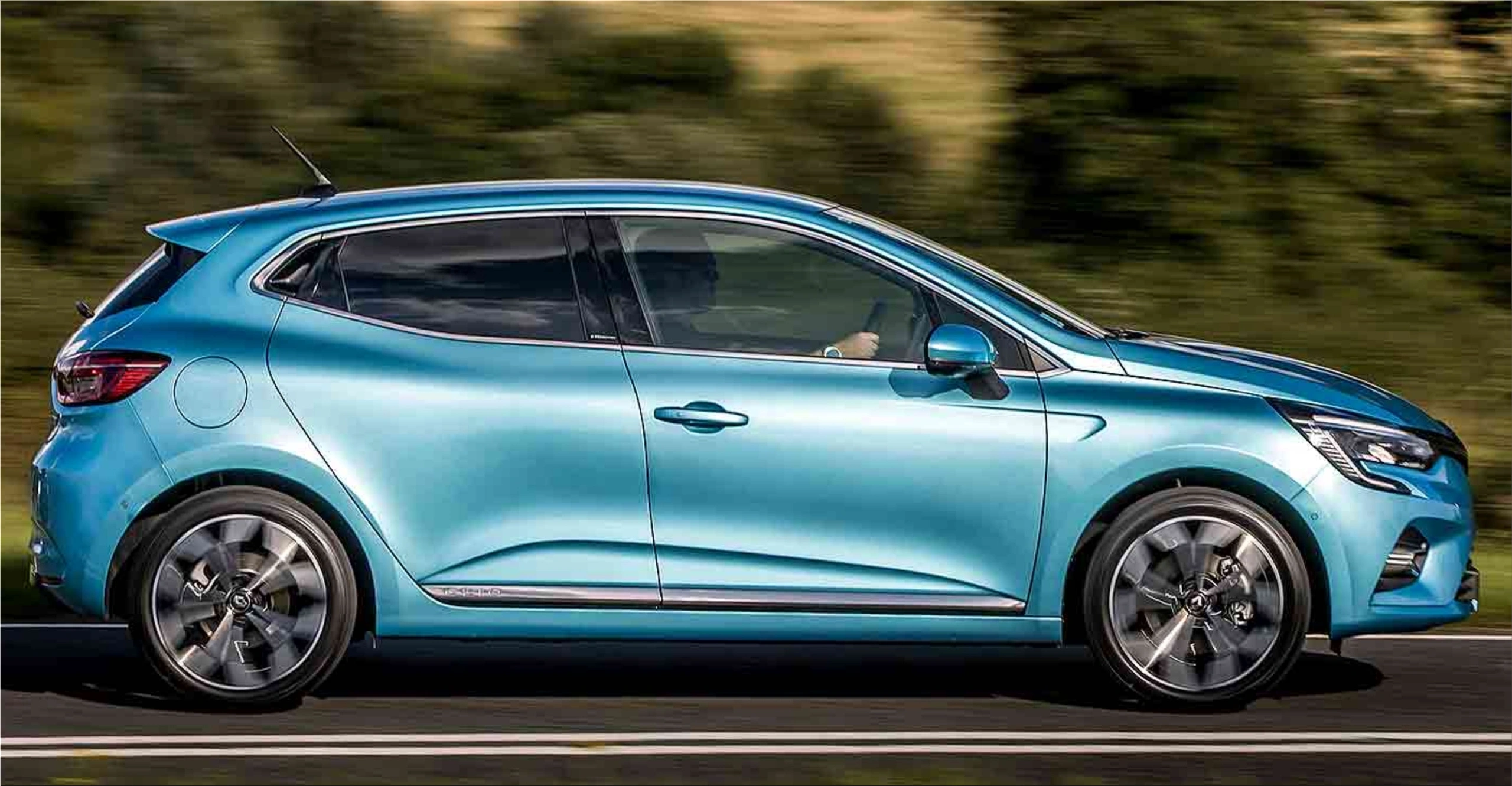
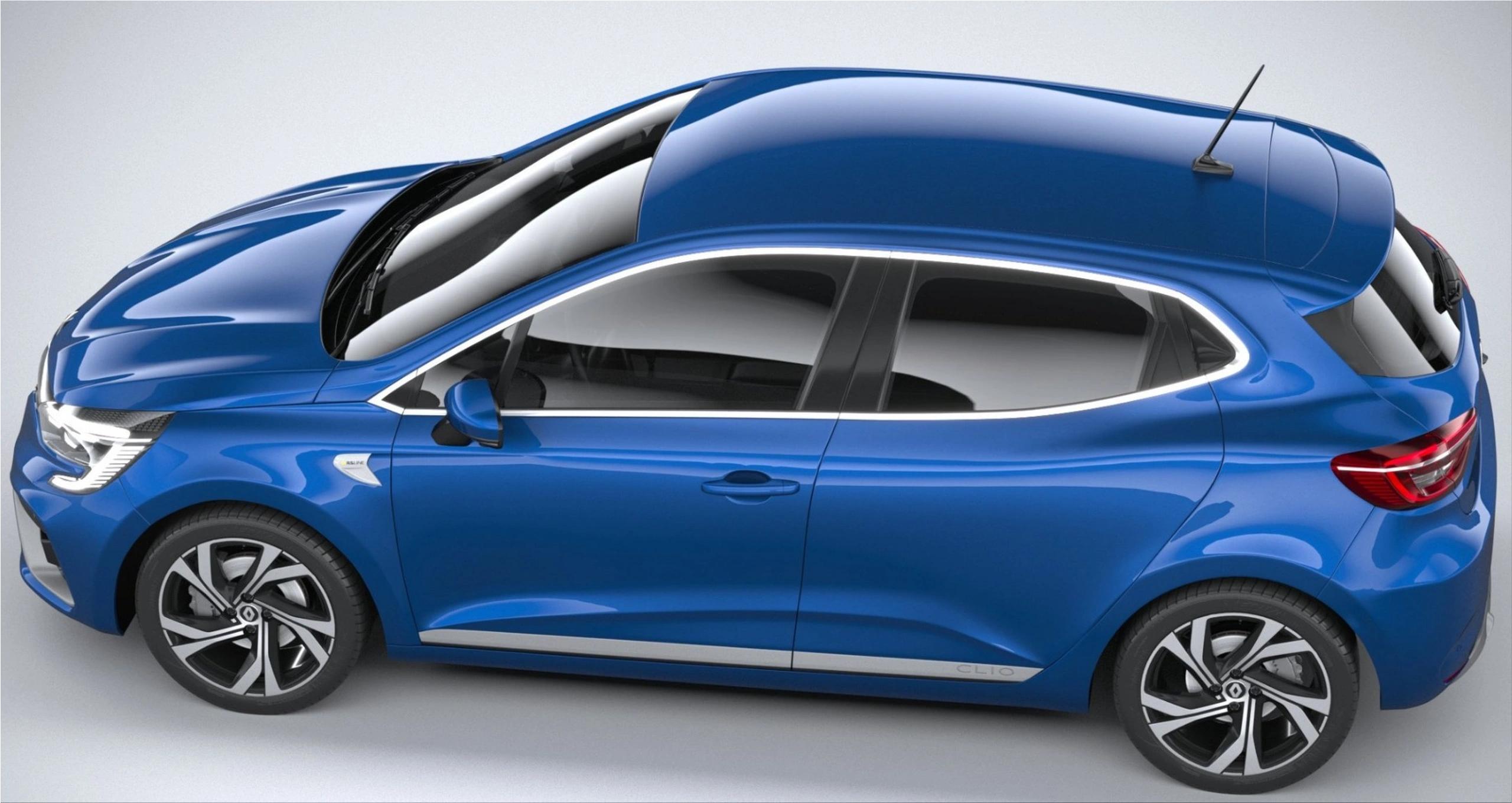
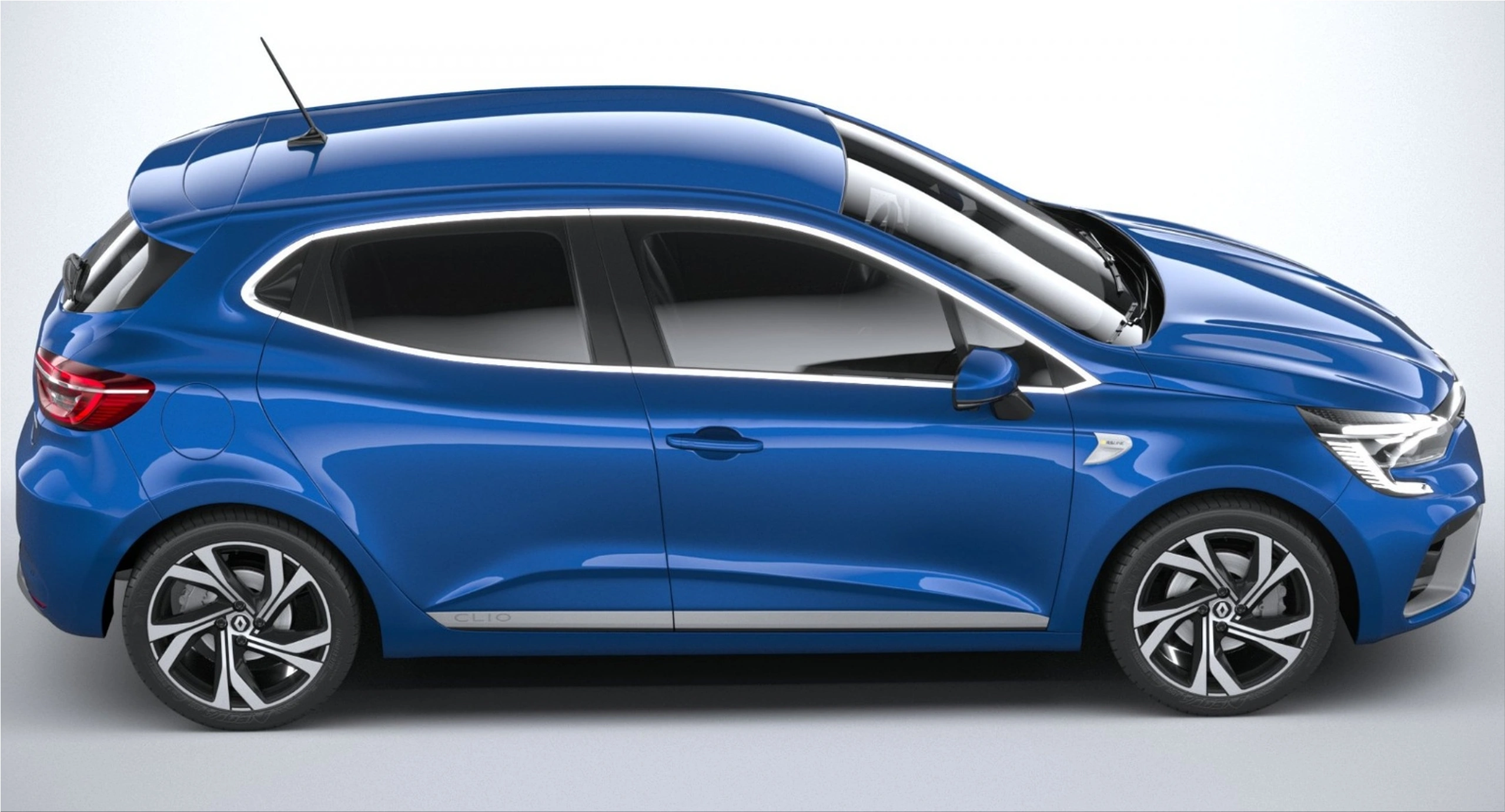
Renault's success in the EV market is largely due to its innovative and affordable products, such as the Renault Zoe, the Twingo Electric, and the Dacia Spring. These vehicles appeal to a wide range of customers, from urban commuters to rural families, and offer competitive features such as long-range, fast charging, and smart connectivity. Renault also offers hybrid and plug-in hybrid versions of its popular models, such as the Renault Clio, the Renault Captur, and the Renault Megane, for those who want to reduce their emissions without compromising on flexibility.
Renault's EV strategy is not only good for the environment but also for its business. The company reported a positive operating margin in 2020 despite the pandemic-induced slump in the global car market. Renault also expects to achieve a 10 percent operating margin by 2023, thanks to its cost-cutting measures and its focus on profitable segments such as EVs and light commercial vehicles.
Renault is not resting on its laurels, however. The company has announced an ambitious plan to become a leader in the circular economy, which aims to reduce waste and reuse resources. Renault plans to extend the life cycle of its vehicles and batteries by offering repair, refurbishment, and recycling services. It also plans to use more recycled materials in its production and reduce its carbon footprint across its operations.
Renault's vision for the future is green, smart, and connected. The company is investing in new technologies such as autonomous driving, artificial intelligence, and cloud computing to enhance its customers' safety, comfort, and convenience. Renault is also developing new mobility solutions such as car-sharing, ride-hailing, and robo-taxi services to meet the changing needs of urban dwellers.
Renault's commitment to innovation and sustainability makes it a strong contender to meet the EPA's new emissions standards and thrive in the competitive global car market. Renault is not just making cars but making a difference for the planet and its people.
- Add new comment
- 128 views