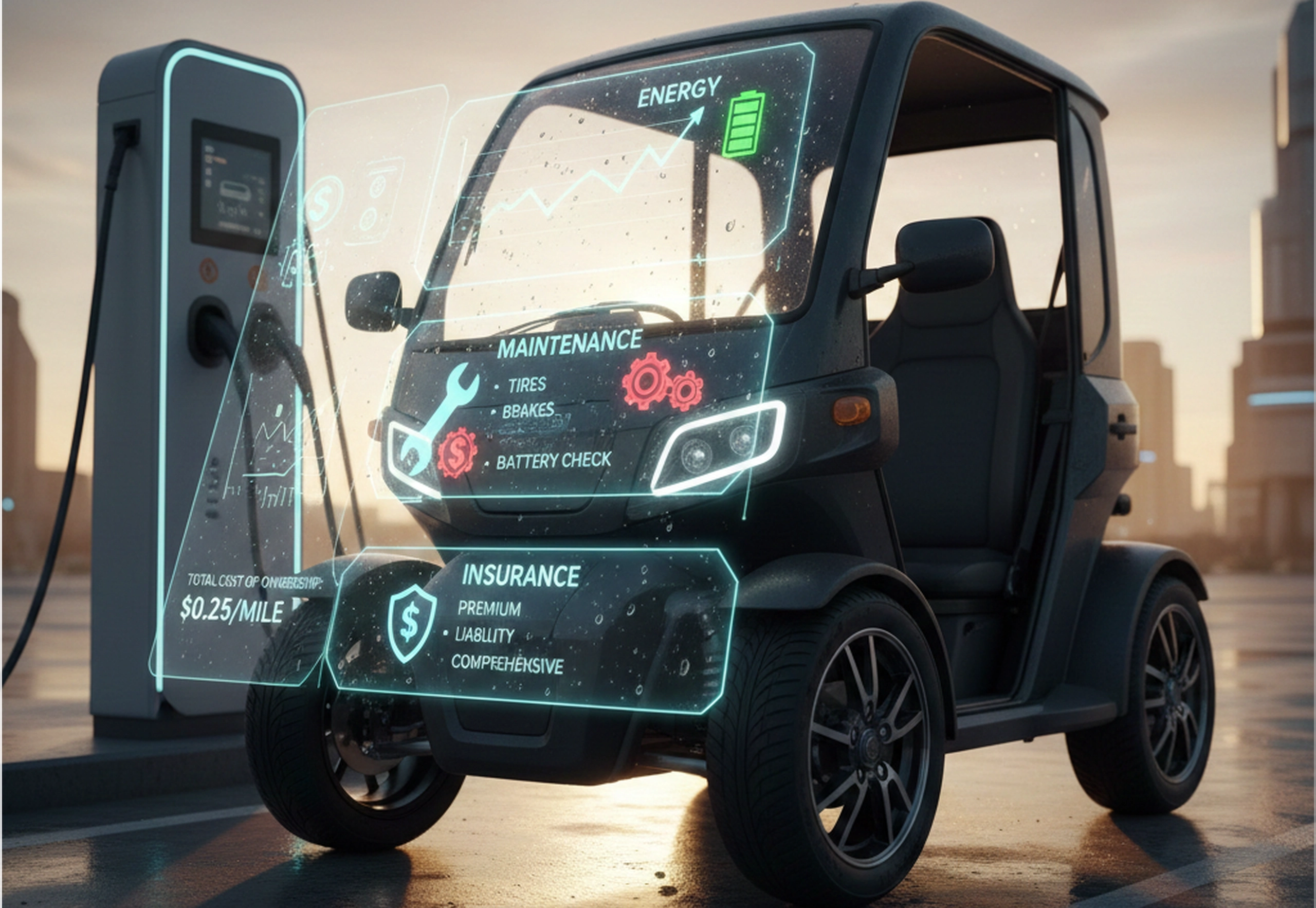
Buying a quadricycle is only half the story. The real question is what it costs you per month to run. This guide breaks total cost of ownership (TCO) into clear buckets you can estimate in minutes.
What TCO covers
- Energy: electricity or fuel per km.
- Maintenance: tyres, brakes, fluids, wipers, checks.
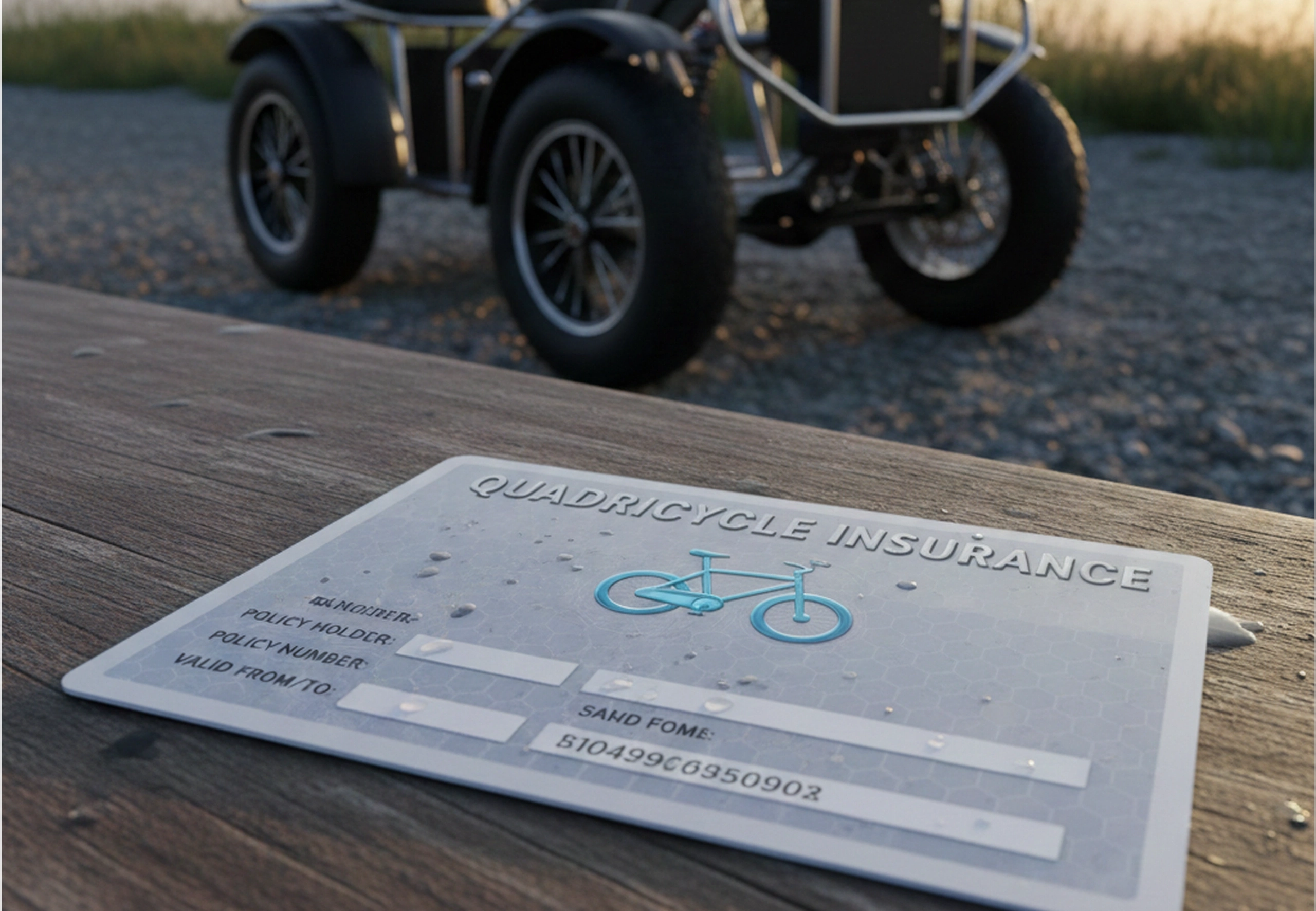
- Insurance: policy costs that vary by driver age and class.
- Depreciation: value you use up while you own it.
- Extras: parking, permits, accessories, and financing.
Definition
TCO (Total Cost of Ownership): the monthly sum of energy + maintenance + insurance + depreciation + extras for as long as you own the vehicle.
Energy costs (EV quadricycles)
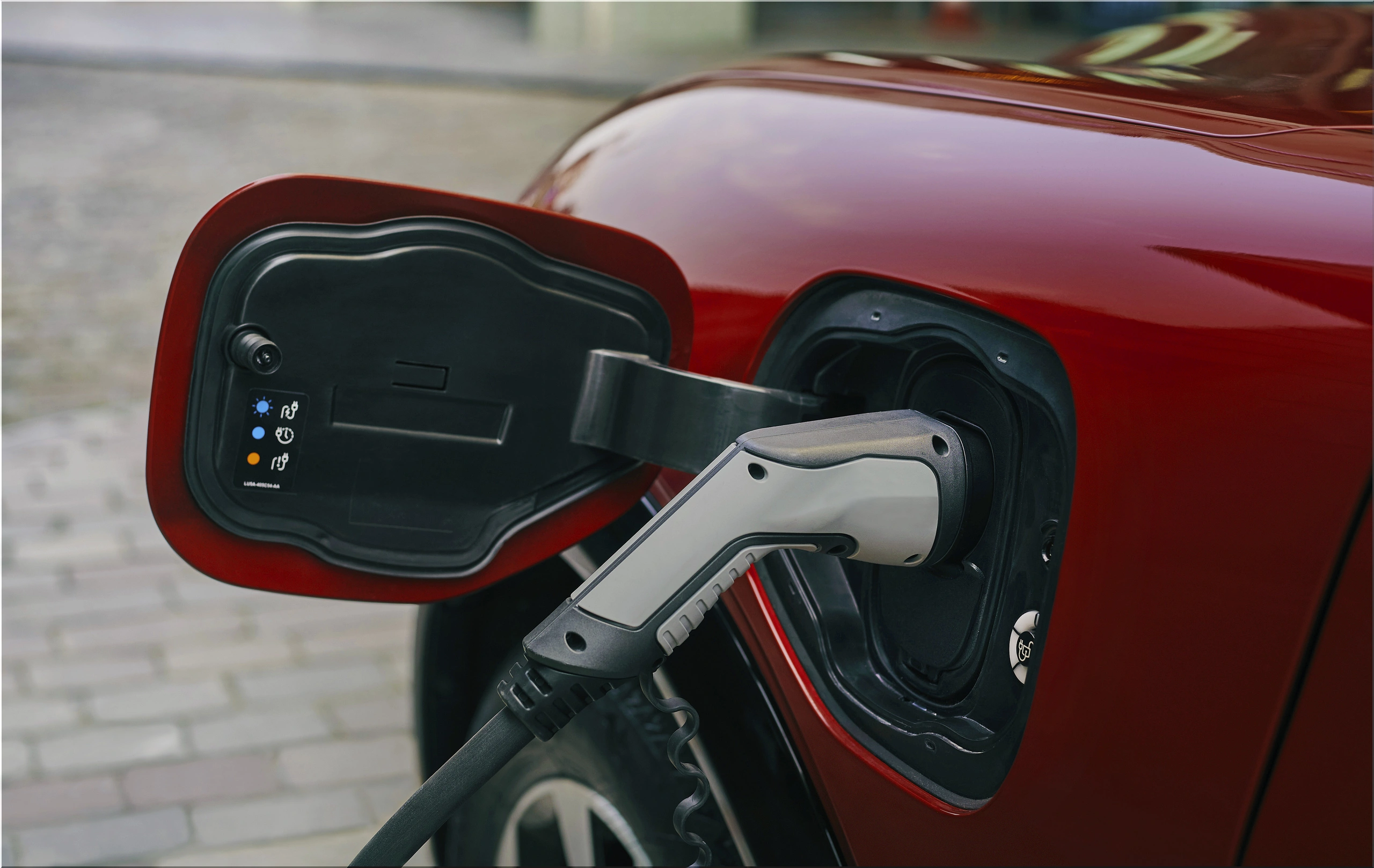
Most quadricycles are electric and charge from a household socket.
- Typical consumption:
- L6e: ~6–8 kWh/100 km.
- L7e: ~8–10 kWh/100 km.
- Quick math:
Energy €/month = (Monthly km × kWh/100 km ÷ 100) × Electricity €/kWh.
Pro-Tips
- Pre-warm/defog while plugged in to save range.
- Cold tyres and low pressures raise consumption; check monthly.
- City speeds favour efficiency; avoid long stints at top speed.
Maintenance (what actually wears)
Quadricycles keep servicing simple. Budget a small monthly reserve.
- Tyres: small sizes, typically replaced every 10–20k km.
- Brakes: pads last longer with regenerative braking on some models.
- Wipers and fluids: low cost but plan annual replacements.
- Checks: brake fluid interval, cabin filter, basic inspections.
Rule of thumb
Set aside €8–20/month depending on your km and tyre prices.
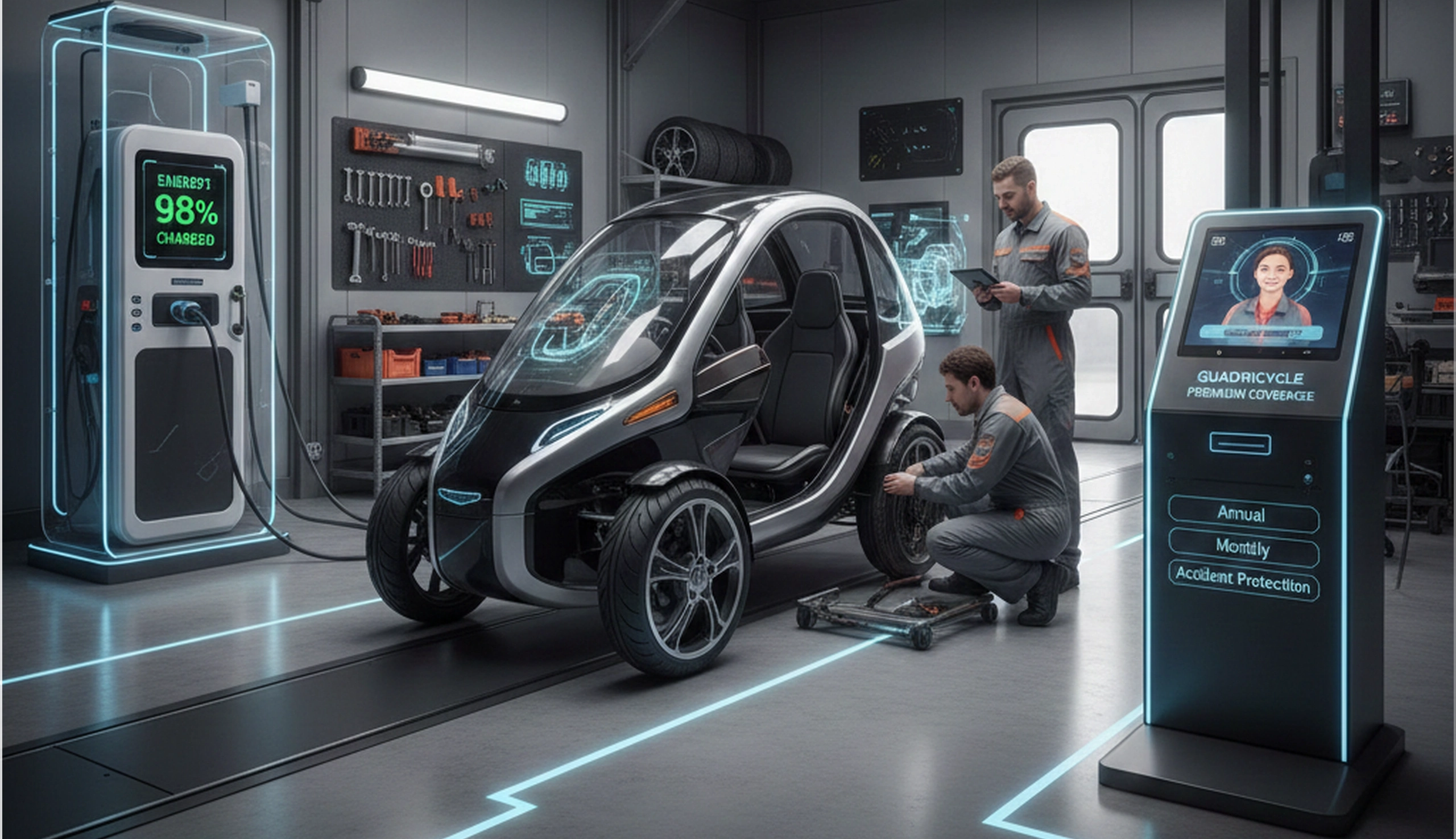
Insurance (what affects your premium)
- Vehicle class: L6e vs L7e.
- Driver profile: age, experience, claims, location.
- Usage: commute vs leisure, annual km, parking situation.
- Security: immobilisers, trackers, and off-street parking can reduce cost.
Pro-Tips
- Get quotes before you shortlist a model.
- Ask about telematics for young drivers.
- Compare L6e and L7e on the same form to see the delta.
Depreciation and financing
Depreciation is usually your largest hidden cost.
- Depreciation €/month = (Purchase price − Expected resale) ÷ Months owned.
- To estimate resale, scan asking prices for 2–4 year old examples of the same model and battery size.
- If financing, add monthly interest (or the full payment if you prefer a cashflow view).
Pro-Tips
- Popular colours and well-documented service history help resale.
- Larger batteries hold value if they unlock real daily range.
Taxes, parking, permits, and accessories
- Local taxes: vary by country and city; many EV quadricycles pay little or nothing, but check.
- Parking: resident permits or workplace fees can add up.
- Accessories: window kits, winter tyres, chargers, storage solutions.
Build your monthly TCO in 5 steps
- Input your monthly km (e.g., 400 km).
- Pick your efficiency (e.g., 7 kWh/100 km for L6e).
- Multiply by your electricity price (e.g., €0.30/kWh).
- Add monthly reserves: maintenance, insurance, parking.
- Add depreciation (and interest if financed).
Formula
Monthly TCO = Energy + Maintenance + Insurance + Depreciation + Parking/Permits + Financing interest.
Worked examples (illustrative only)
Example A: L6e city runabout for a teen driver
- Distance: 400 km/month
- Efficiency: 7 kWh/100 km → 28 kWh/month
- Electricity: €0.30/kWh → €8.40/month
- Maintenance reserve: €10/month
- Insurance: €45/month
- Depreciation: purchase €7,000, resale after 36 months €4,000
- Depreciation (€7,000 − €4,000) ÷ 36 = €83.33/month
- Parking/permits: €10/month
Estimated TCO: €8.40 + €10 + €45 + €83.33 + €10 = €156.73/month
Round to planning figure: €157/month.
Example B: L7e design-forward microcar for an adult commuter
- Distance: 700 km/month
- Efficiency: 9 kWh/100 km → 63 kWh/month
- Electricity: €0.30/kWh → €18.90/month
- Maintenance reserve: €17/month
- Insurance: €35/month
- Depreciation: purchase €14,000, resale after 36 months €8,000
- Depreciation (€14,000 − €8,000) ÷ 36 = €166.67/month
- Parking/permits: €20/month
- Financing interest (optional): €25/month
Estimated TCO (cash): €18.90 + €17 + €35 + €166.67 + €20 = €257.57/month
With interest: €282.57/month.
How to lower TCO fast
- Right-size the battery: buy enough range for your week, not your year.
- Charge smart: use off-peak rates or workplace sockets where permitted.
- Tyre strategy: quality all-season or winter tyres reduce wear and improve safety.
- Protect resale: store service records, keep tyres fresh, fix chips and cracks early.
- Bundle insurance: add telematics or multi-policy discounts if available.
FAQs
Which cost matters most over 3 years?
Depreciation usually dominates. Energy is small; insurance and parking depend on age and location.
Do quadricycles need special chargers?
Most charge from a standard household socket. A Type 2 cable or wall unit can add convenience but is optional for many owners.
How often should I service a quadricycle?
Follow the manual. Expect periodic checks for tyres, brakes, brake fluid, and wipers; intervals are closer to scooter money than car money.
What now? A quick action plan
- Log your current km for two typical weeks and average them.
- Get two insurance quotes per model (L6e and L7e).
- Price tyres and set a maintenance reserve.
- Estimate resale using listings 2–4 years old.
- Build your TCO sheet and pick the model that wins on costs and fit.
- 140 views