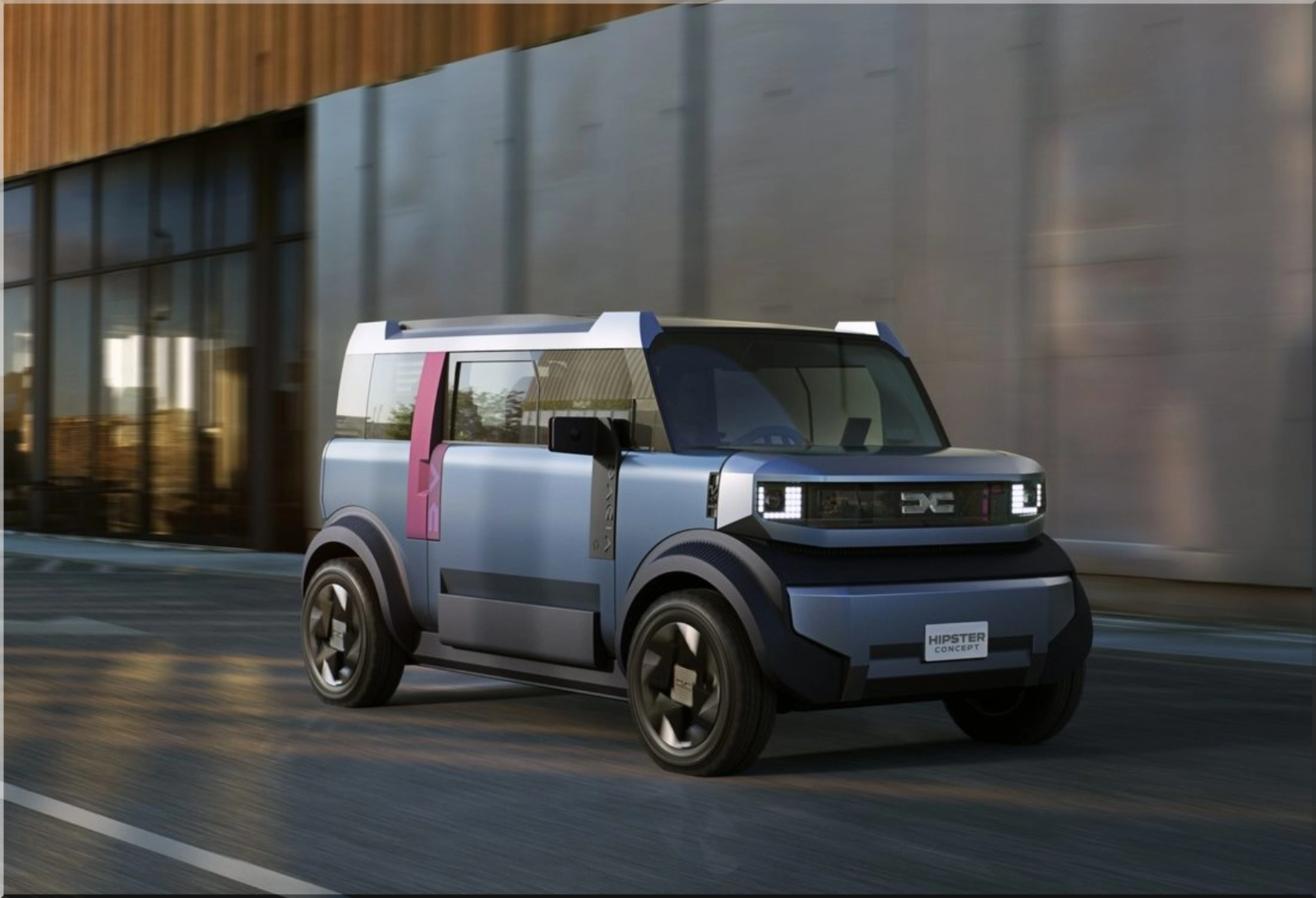
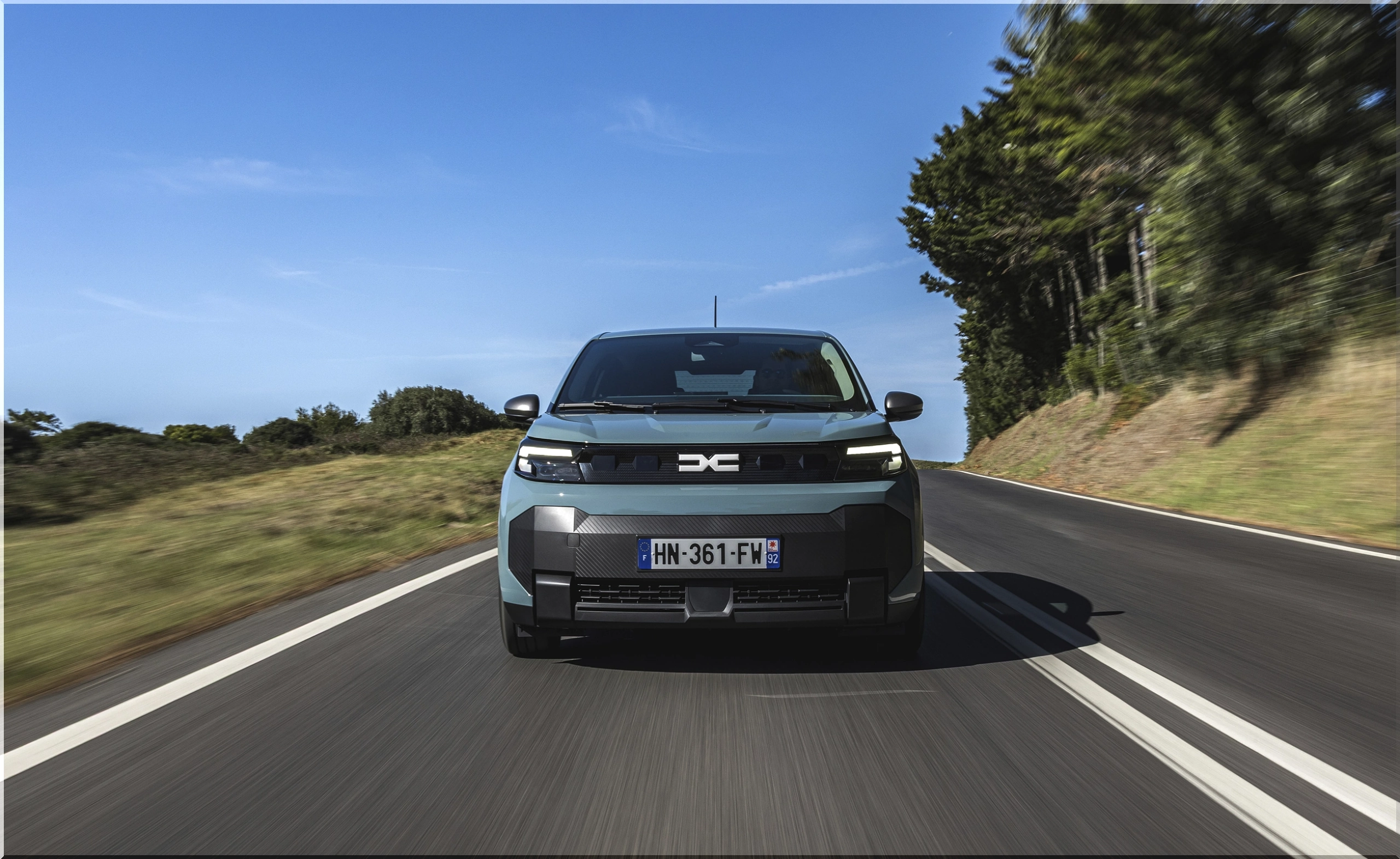
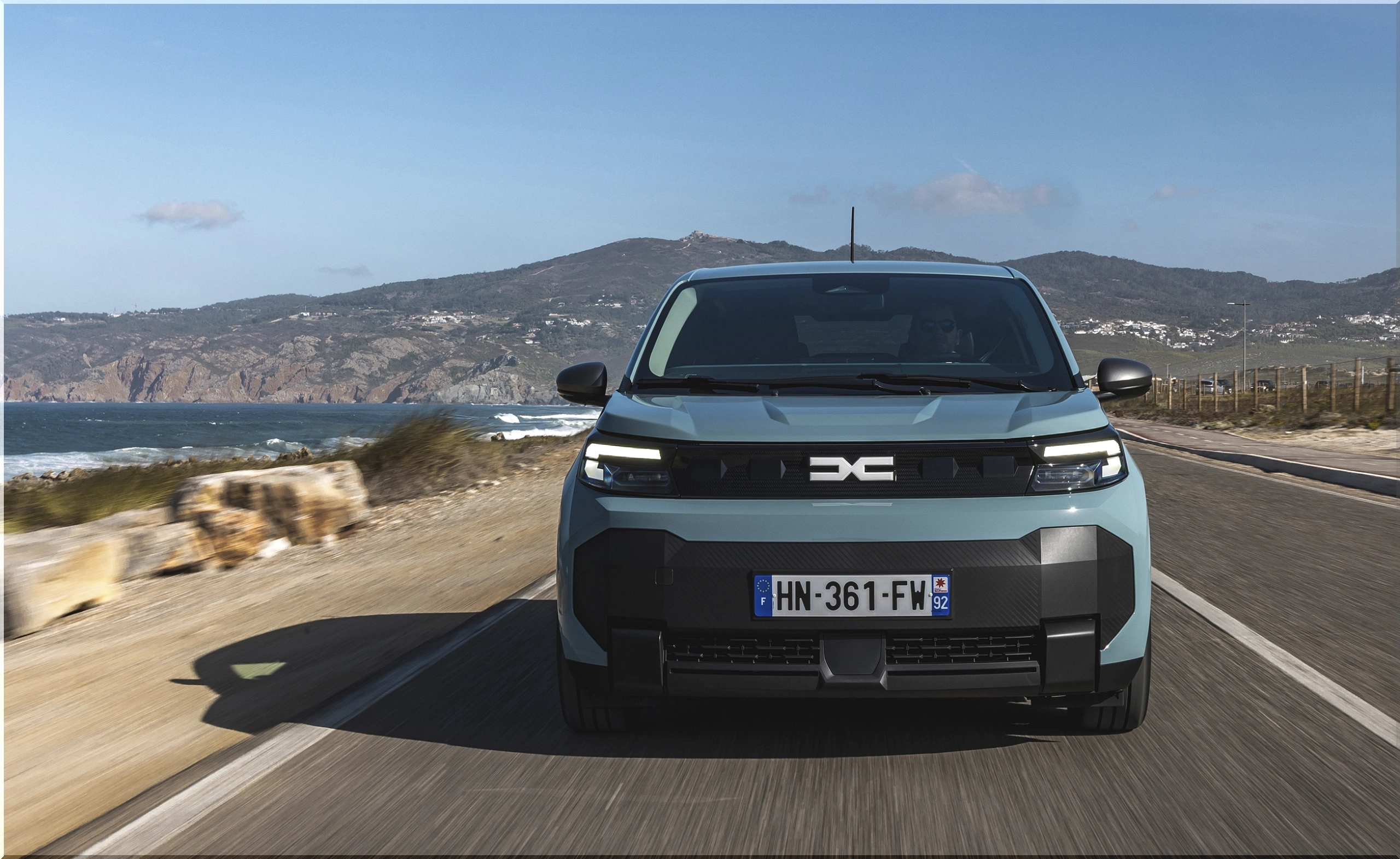
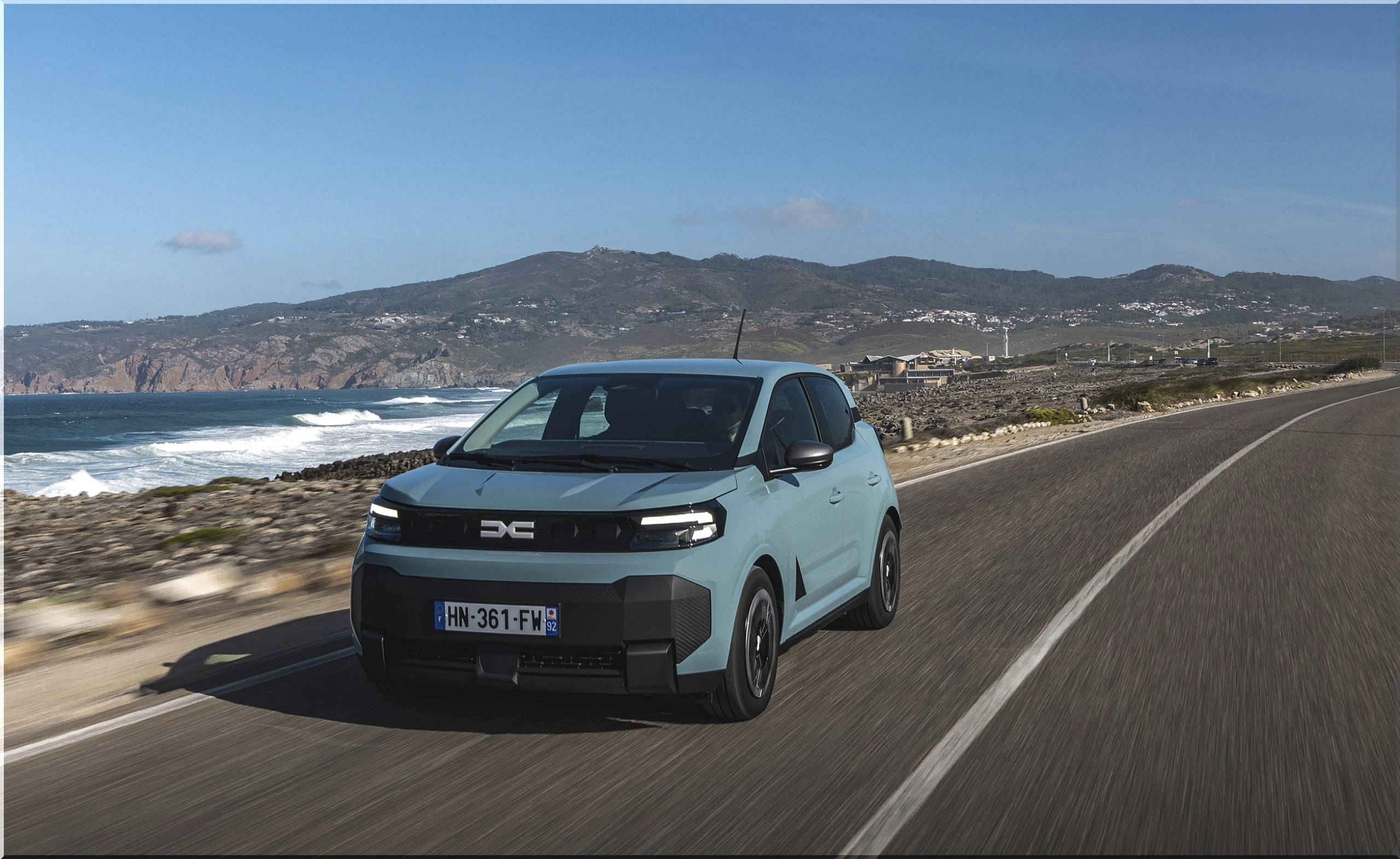
The new Dacia Spring targets a clear brief: four seats, everyday electric range and a low purchase bill. French list prices start at €17,900 for Expression and €19,400 for Journey, before grants. Its appeal depends just as much on your charging tariff as its showroom price.
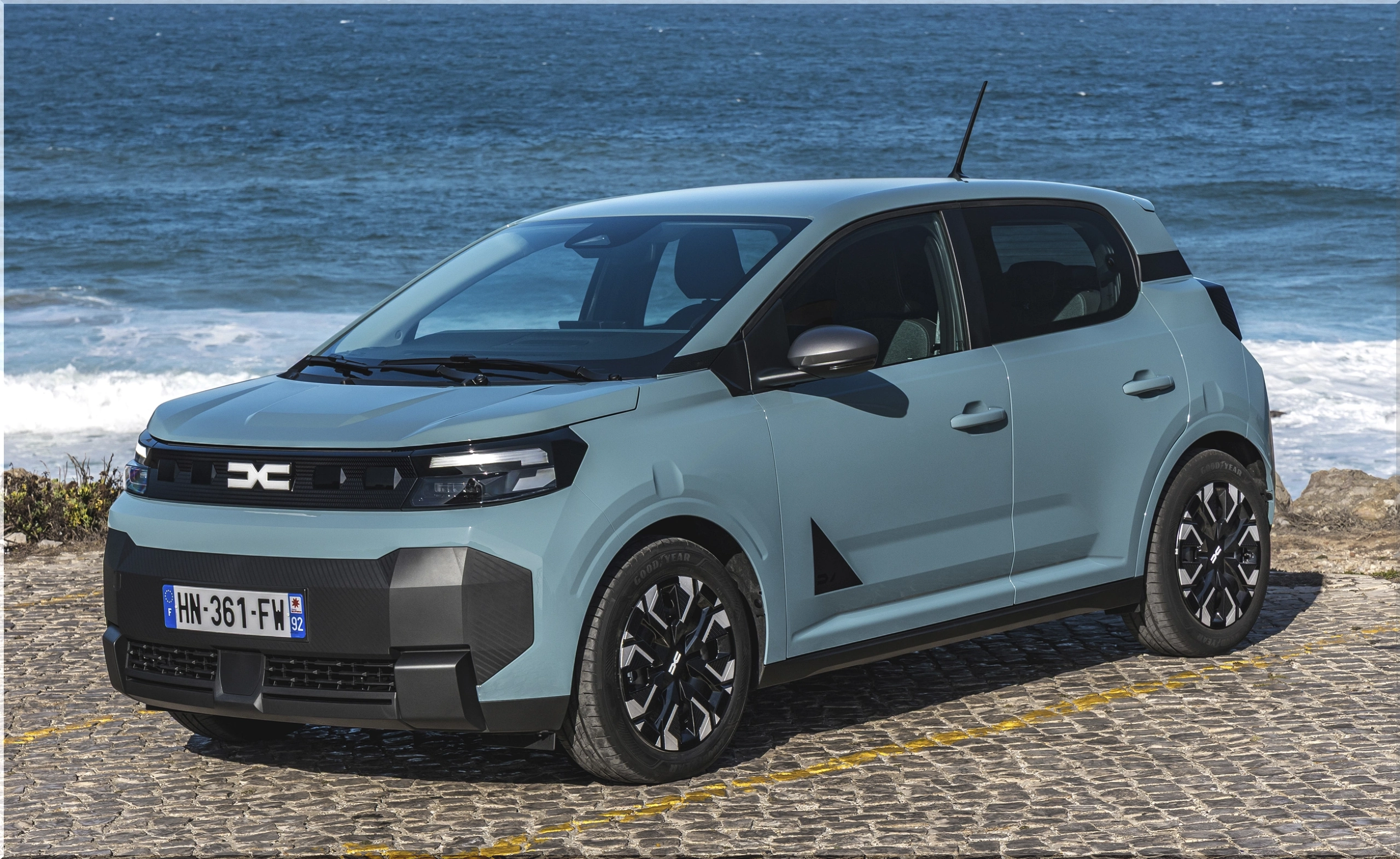
For quadricycle shoppers considering a full passenger car, the Dacia Spring electric car deserves attention. It offers a different proposition from L6e and L7e vehicles, with 60kW of power and a 130km/h maximum speed.
A Bigger Body, with 80hp for Everyday Driving
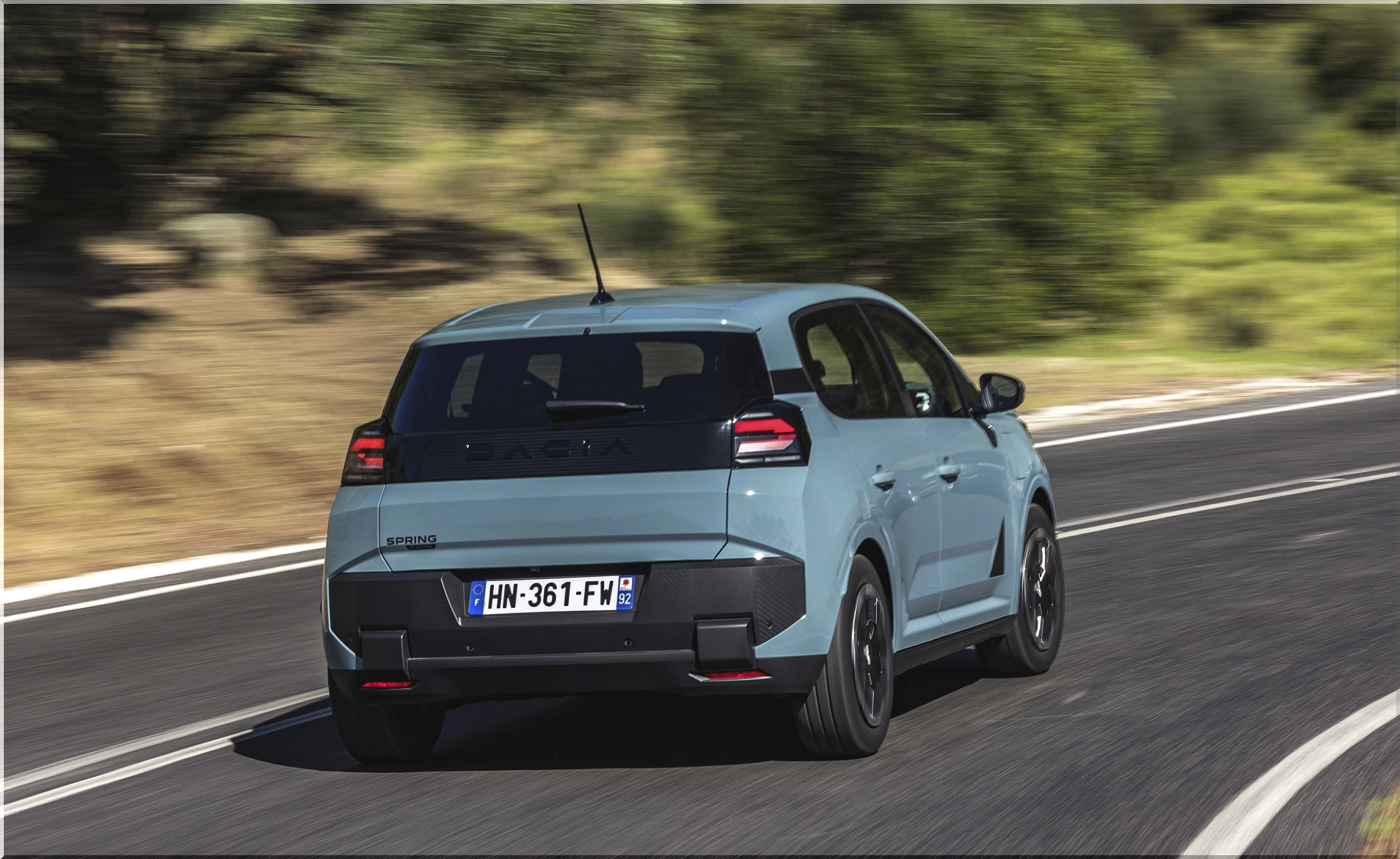
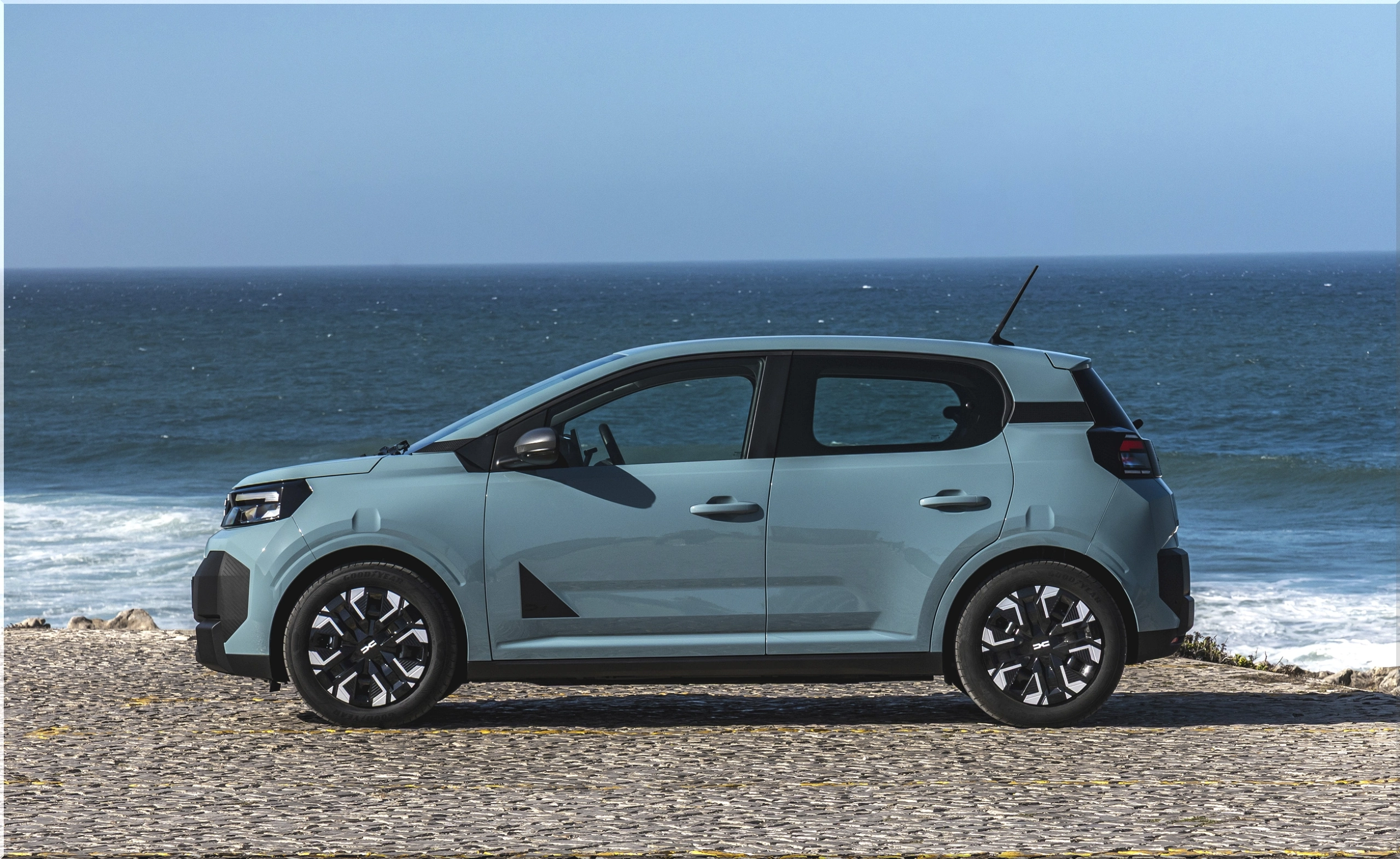
Dacia builds the new generation in Novo Mesto, Slovenia, on Renault Group's RG-EV small platform. The motor develops 80hp and 175Nm, taking the Spring from 0-100km/h in 12.1 seconds. That acceleration suits commuting; loaded motorway overtakes still demand planning.
| Dimension | Metric measurement | Imperial equivalent |
|---|---|---|
| Length | 3,855mm | 151.8 inches |
| Width, excluding mirrors | 1,722mm | 67.8 inches |
| Height | 1,519mm | 59.8 inches |
| Wheelbase | 2,492mm | 98.1 inches |
| Ground clearance | 117mm | 4.6 inches |
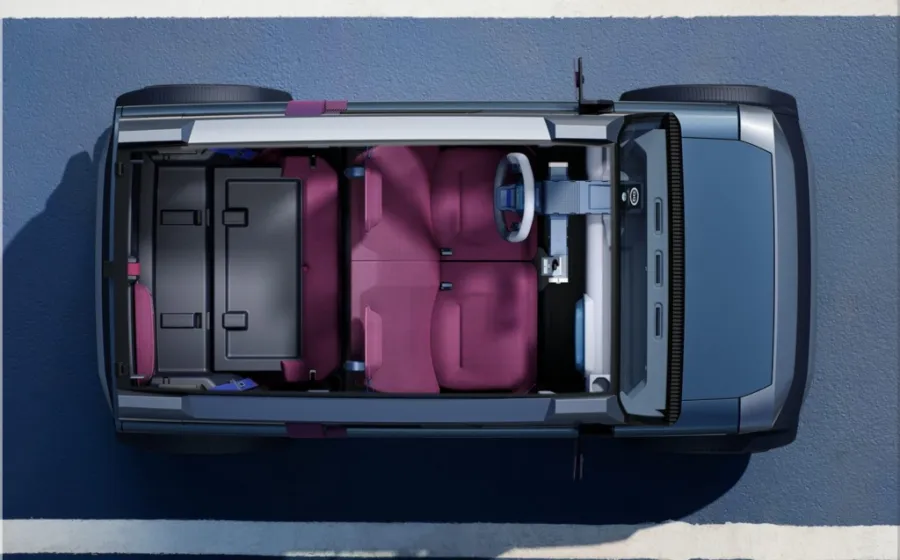
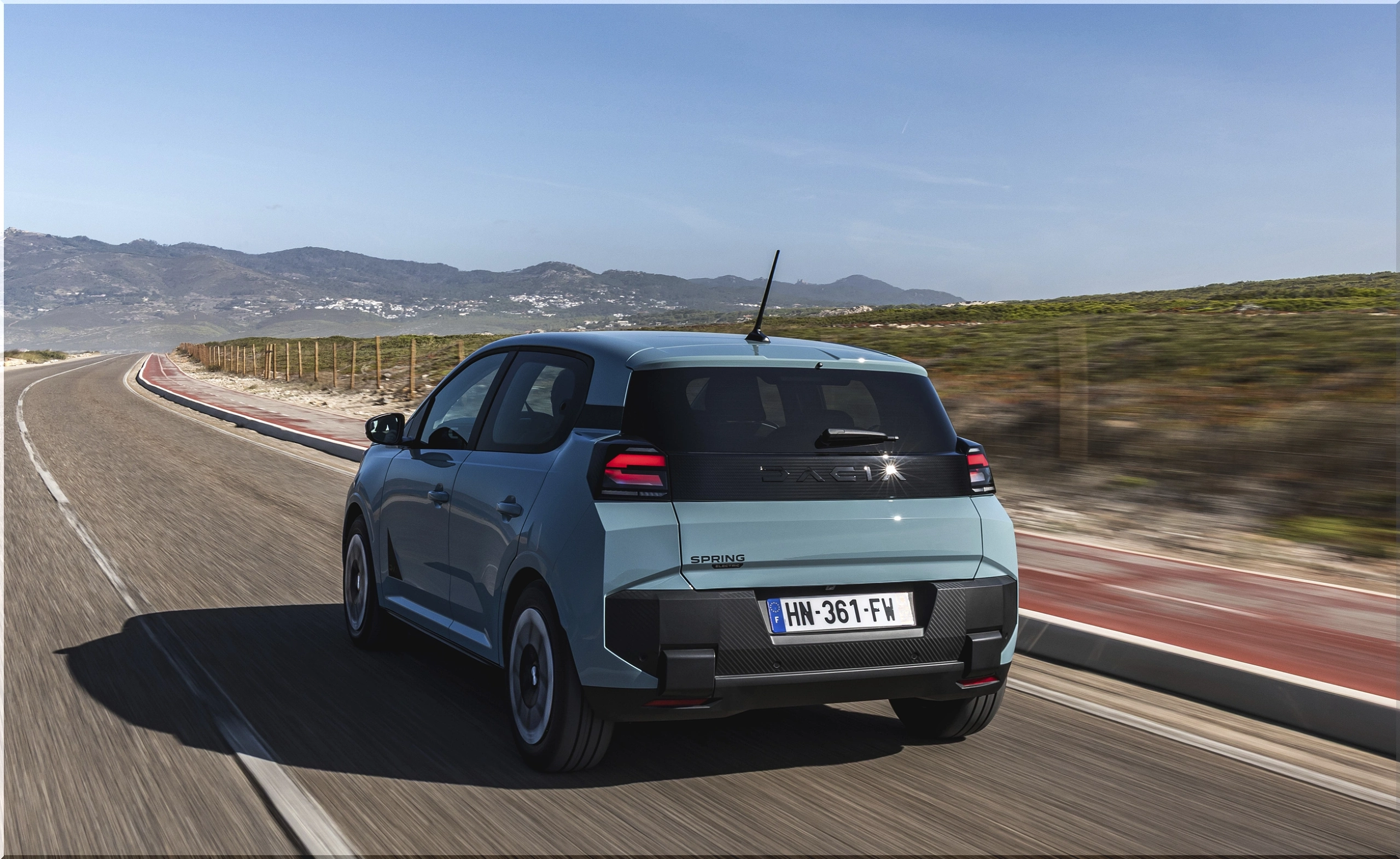
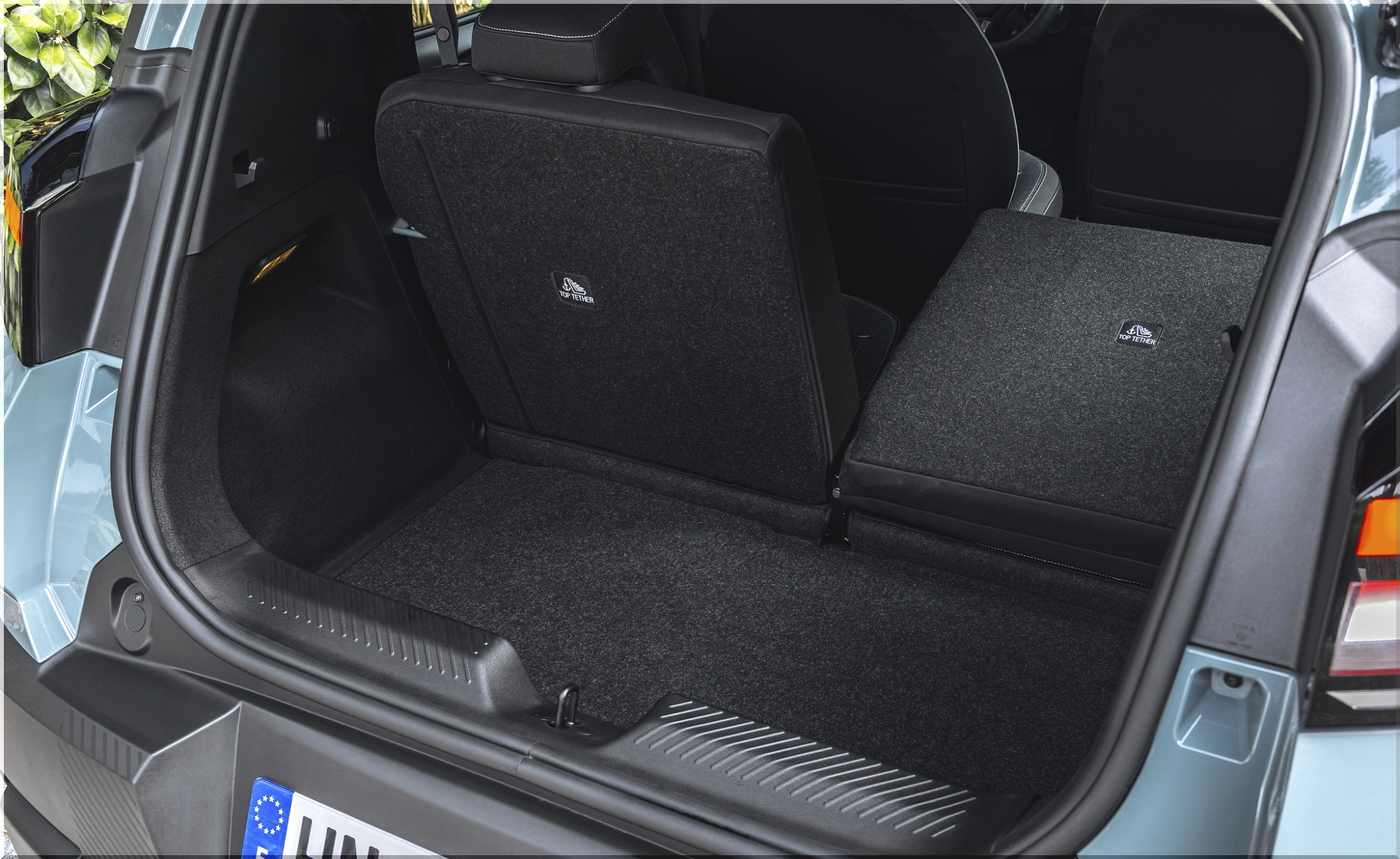
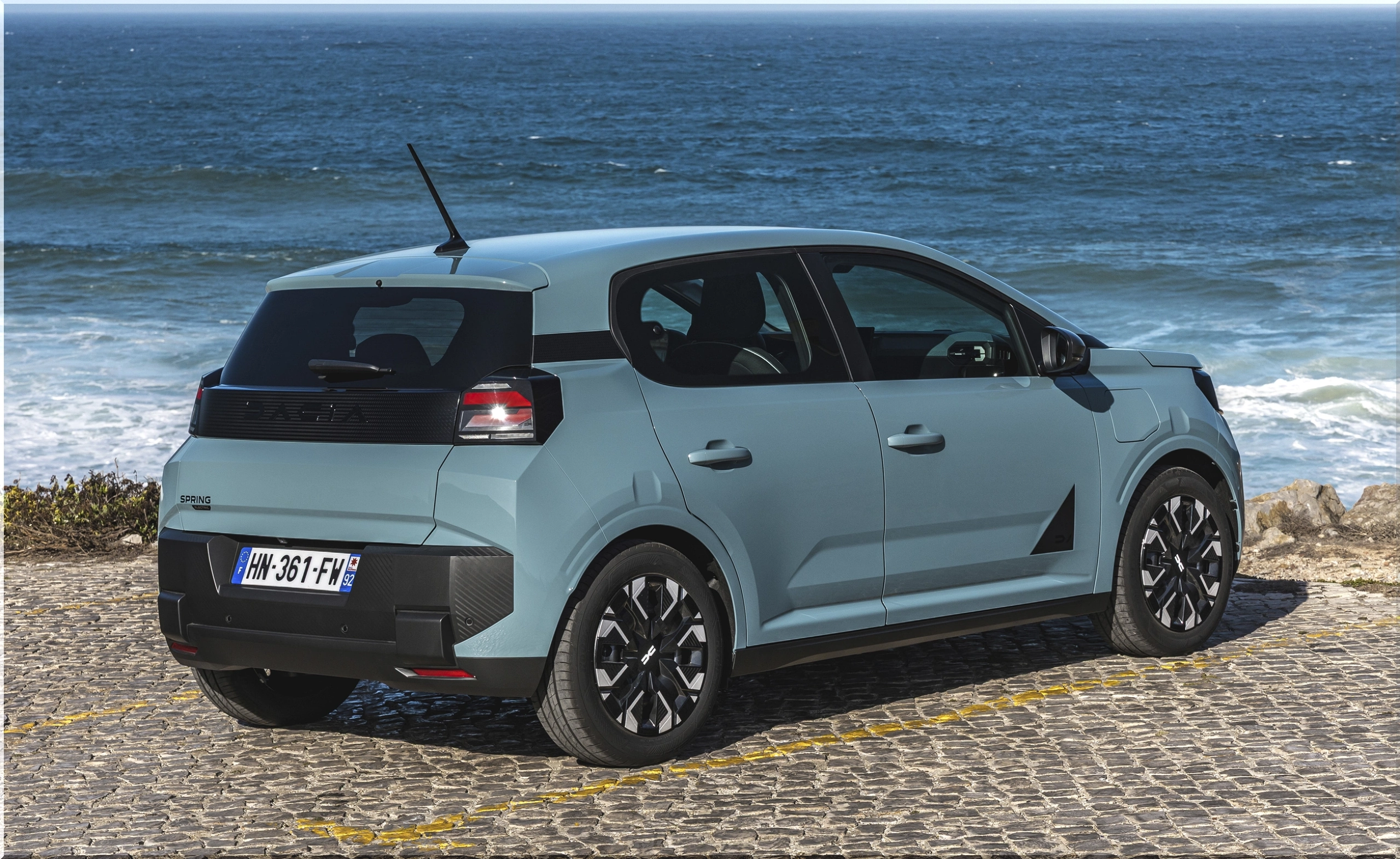
A 9.90m turning diameter helps in tight streets. The rear bench splits 50/50, while Dacia quotes up to 337 litres of luggage space without the parcel shelf. The equivalent VDA block measurement gives 245 litres, so compare boot figures using the same measuring method.
Why Dacia Chooses a 27.5kWh LFP Battery
The 27.5kWh usable battery delivers up to 250km of combined WLTP range. Dacia uses lithium iron phosphate chemistry, prismatic cells and cell-to-pack construction, which removes intermediate modules to use the available space more efficiently. Its integrated six-in-one powertrain groups major functions into one assembly to reduce packaging demands and energy losses.
Keeping the battery small limits weight and cost. The Spring starts at 1,212kg, with consumption reaching as low as 12.7kWh/100km.
Dacia's connected owner data records average daily travel of 34km. Seven days total 238km, leaving just 12km against the maximum laboratory range. Winter heating, faster roads and extra passengers can erase that margin, so weekly charging requires flexibility.
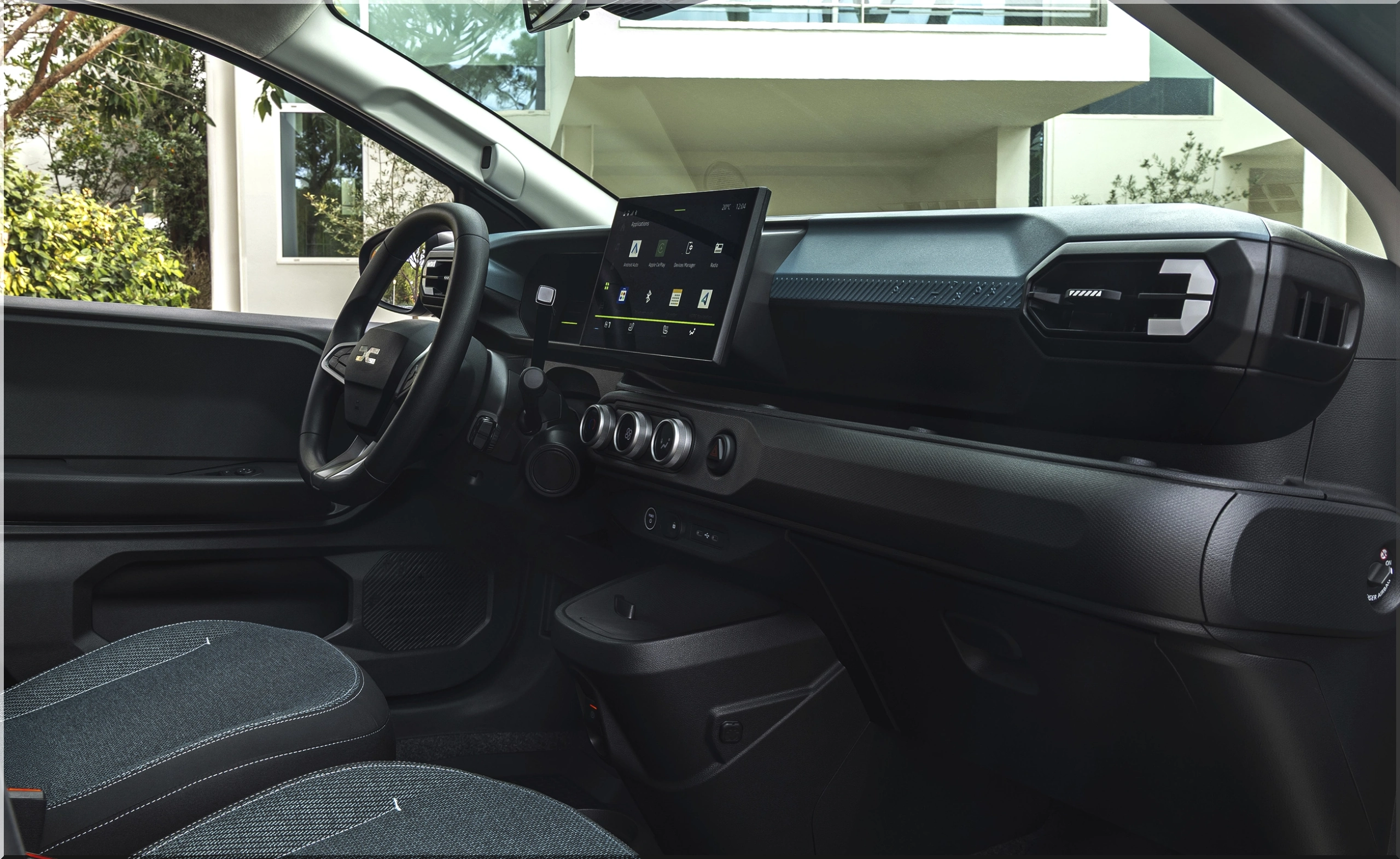
What Does 28-Minute Charging Actually Mean?
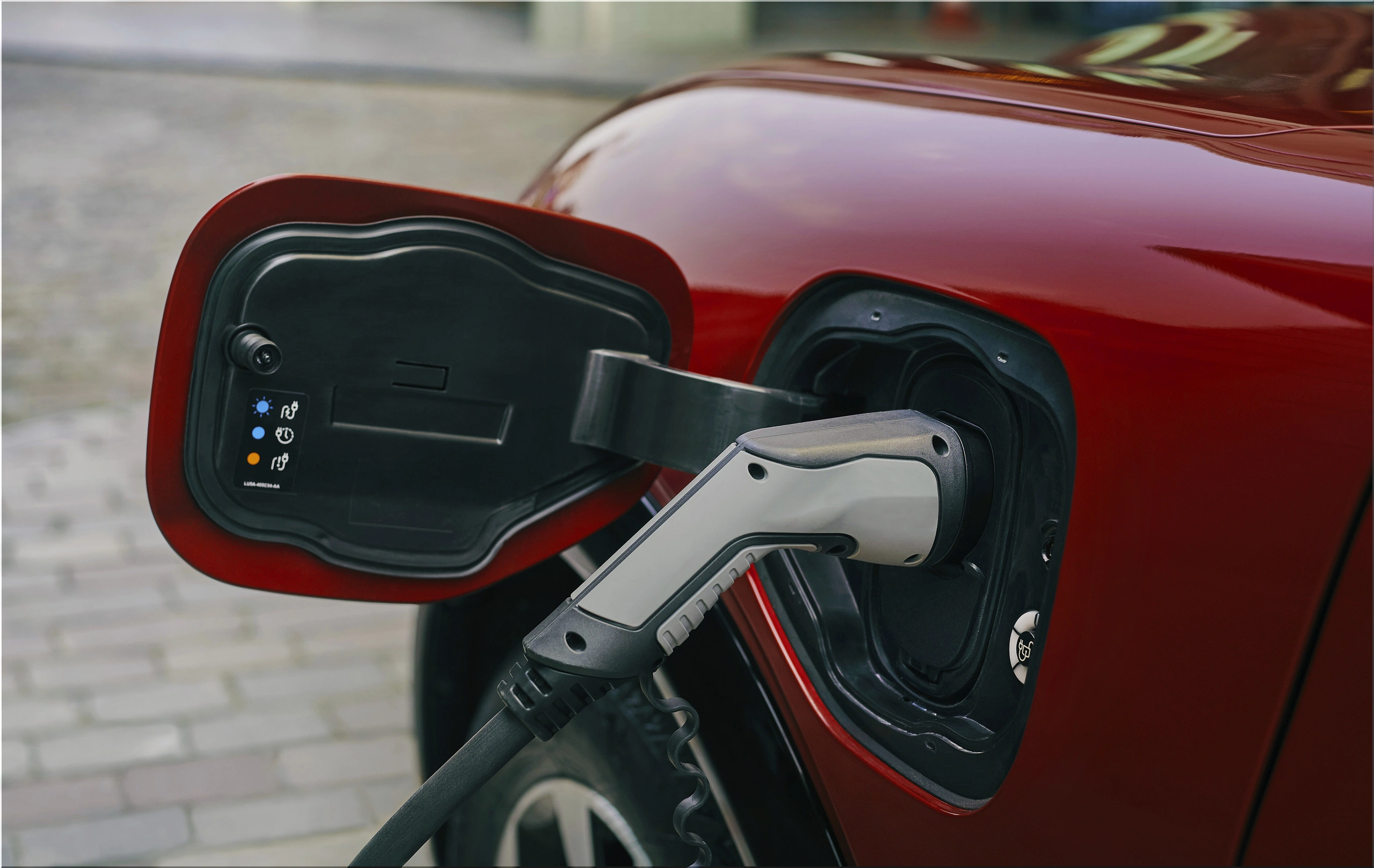
The 28-minute charging time covers 15-80%, using the optional 50kW DC charging system. Standard cars carry a 6.6kW AC onboard charger; the fast-charge pack adds 11kW AC and DC capability.
| Charging setup | Required vehicle equipment | Quoted 15-80% time |
|---|---|---|
| Domestic socket | Standard AC charger; suitable charging cable | 9 hours |
| 7kW wallbox | Standard 6.6kW AC charger | 2 hours 55 minutes |
| Compatible three-phase AC supply | Optional 11kW AC charger | 1 hour 55 minutes |
| Compatible DC rapid charger | Optional 50kW DC system | 28 minutes |
That DC session adds approximately 17.9kWh to the battery. The implied average charging rate reaches roughly 38kW, explaining why the 50kW peak figure cannot describe the entire session.
Pro-Tips:
- Check the order form for the fast-charge pack before planning public charging stops.
- Confirm your home supply supports three-phase charging before paying for an 11kW wallbox.
Dacia Spring Running Costs: Calculate Your Own Bill
Multiply electricity consumption by your tariff. Using 12.7kWh/100km and illustrative electricity prices gives:
- €0.25/kWh: €3.18 per 100km, or approximately €318 over 10,000km.
- €0.60/kWh: €7.62 per 100km, or €762 over 10,000km.
- Annual difference: approximately €445 at the same distance.
These figures estimate electricity spending, rather than total ownership costs. Your budget must also cover insurance, tyres, servicing, depreciation and any charging fees. Actual consumption changes with temperature, speed and load.
Looking at the data, every €0.10/kWh tariff increase adds €1.27 per 100km. Over 10,000km, that means another €127: a useful benchmark when comparing charging subscriptions.
Dacia Spring vs Twingo, Leapmotor T03 and Hyundai Inster
The Renault Twingo E-Tech electric, Leapmotor T03 and Hyundai Inster compete in the same small electric passenger-car market.
| Model and version | Published battery capacity | Maximum combined WLTP range |
|---|---|---|
| New Dacia Spring | 27.5kWh usable | 250km |
| Renault Twingo E-Tech electric | 27.5kWh usable | 263km |
| Leapmotor T03 | 37.3kWh quoted | 265km |
| Hyundai Inster, 42kWh, 15-inch wheels | 42kWh quoted | 327km |
Manufacturers do not always describe battery capacity on the same gross-or-usable basis. Compare the homologated range alongside capacity.
By comparison, the Renault Twingo travels 13km farther on the same usable battery capacity. The Hyundai Inster adds 77km, a 31% range advantage, giving drivers more room for detours and longer commutes. The Leapmotor T03's larger quoted battery brings only 15km more rated range than the Spring.
Should You Buy Expression or Journey?
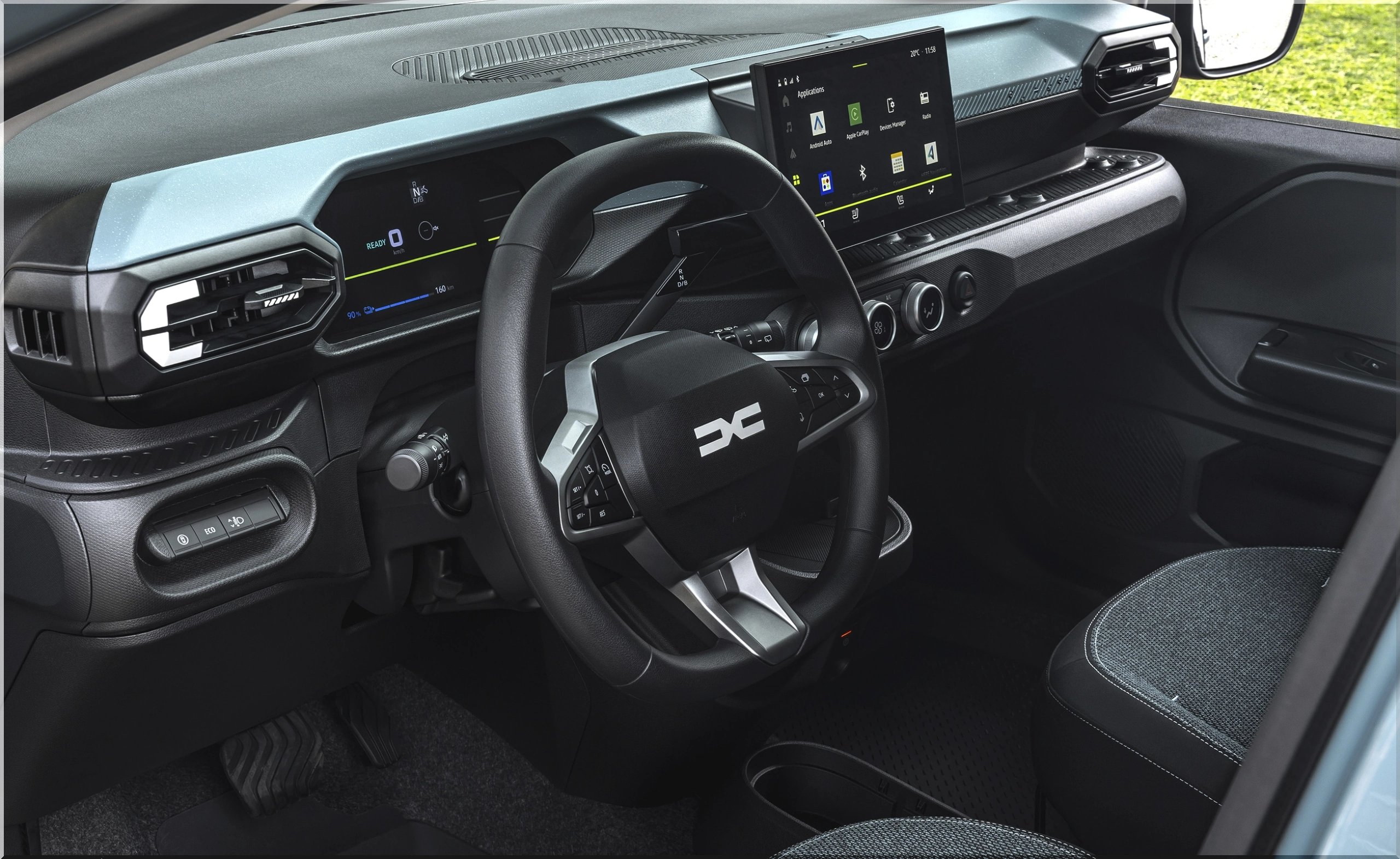
Choose Expression for purchase-price discipline; choose Journey for convenience equipment. Journey adds a 10.1-inch touchscreen, wireless smartphone mirroring, a reversing camera and a hands-free card.
Dacia's French tariff lists the fast-charge pack at €500, bringing Expression to €18,400 or Journey to €19,900 before other options and grants. Confirm local prices and equipment before ordering.
Before committing:
- Price your usual charging locations against your annual distance.
- Test the rear seats and boot with your regular passengers and luggage.
- Add the charging pack when your routes need DC stops; home-only commuters can assess whether the extra flexibility warrants the expense.
- Add new comment
- 18 views