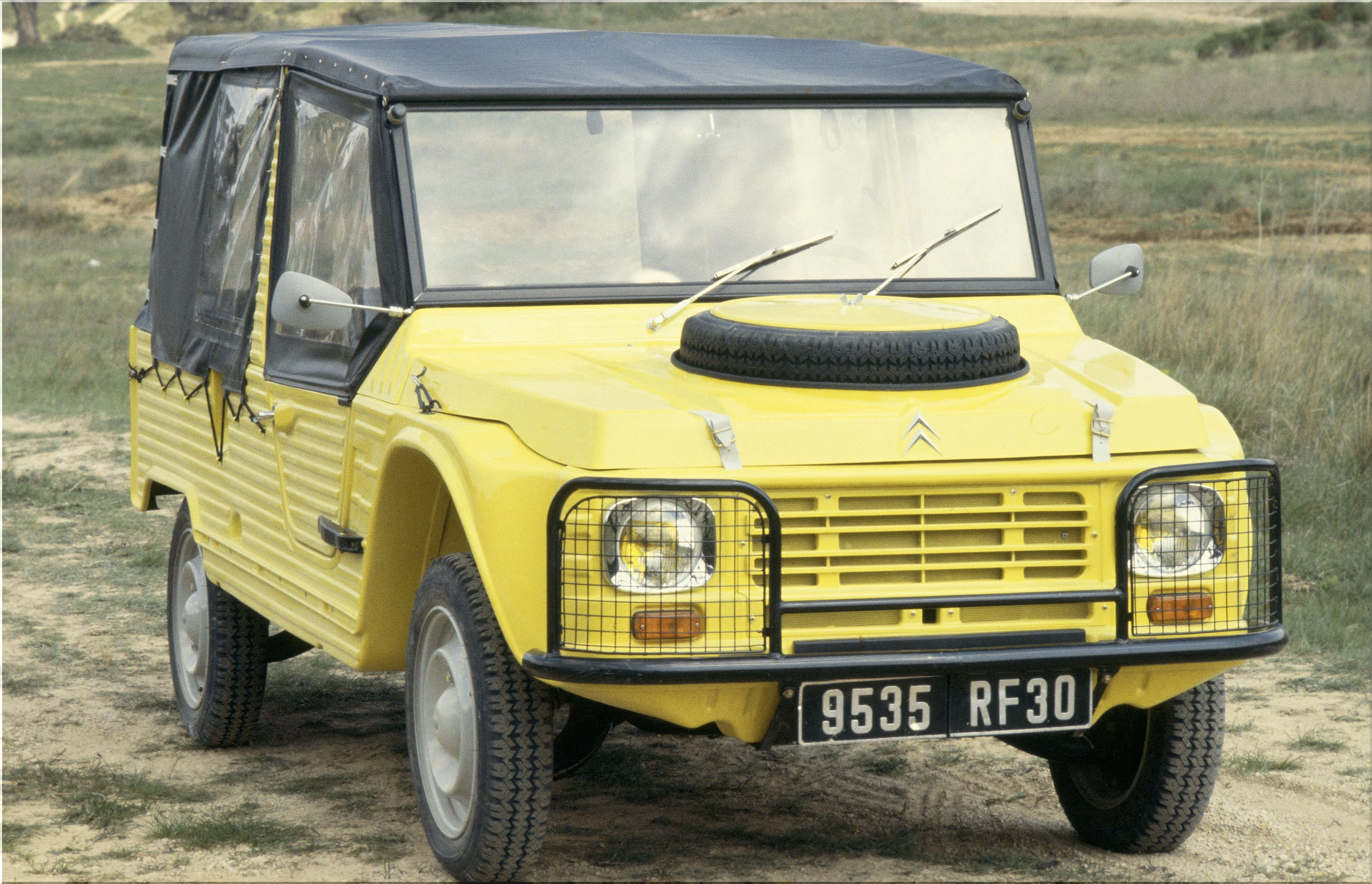
The Citroen Mehari is one of those cars that you either love or hate. It is a quirky, plastic-bodied, open-top vehicle designed for fun and utility. The Mini Moke inspired it, but it had its own personality and charm. The Citroen Mehari was launched in 1968, at a time when Citroen was known for its innovative and unconventional cars. The name Mehari comes from a type of camel that can endure harsh conditions and long journeys. The Citroen Mehari was created by Roland de La Poype, a French industrialist and former fighter pilot who had developed a new type of thermoformed plastic material called ABS.
The ABS plastic had many advantages: it was lightweight, durable, corrosion-resistant, easy to clean, and through-colored. It also allowed for a simple and modular design, with removable doors, hood, and tailgate. The Mehari had a canvas roof that could be rolled up or down depending on the weather. It had four seats that could be folded or removed to create more space. Its large wheels and high ground clearance allowed it to tackle rough terrain and even water crossings.
The Citroen Mehari was based on the Citroen 2CV platform, which meant it had a 602 cc flat-twin petrol engine that produced 29 hp and 28 lb-ft of torque. It had a four-speed manual transmission and front-wheel drive. It weighed only 1,179 lb and had a top speed of 62 mph. It was very economical, with a fuel consumption of 43 mpg.
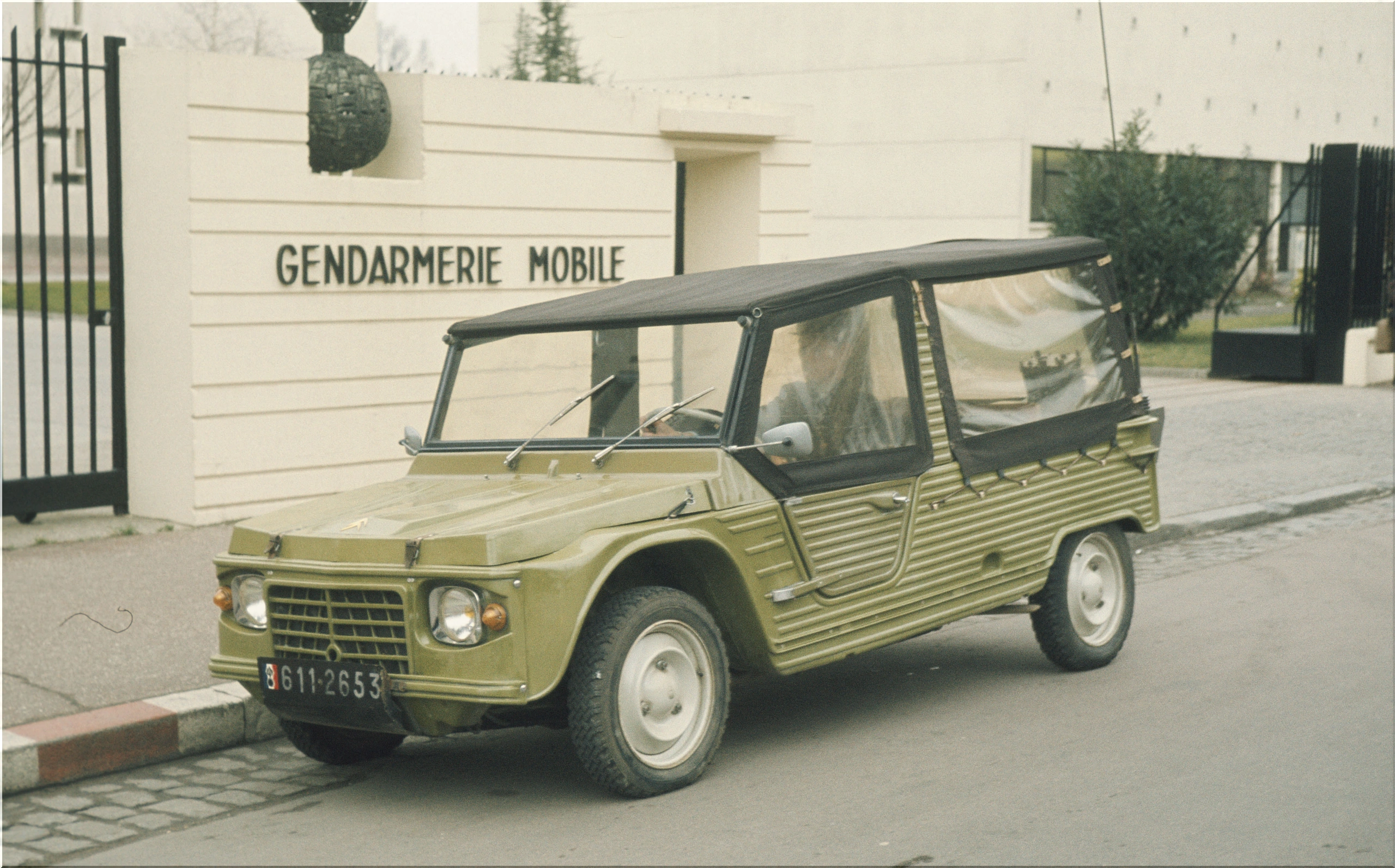
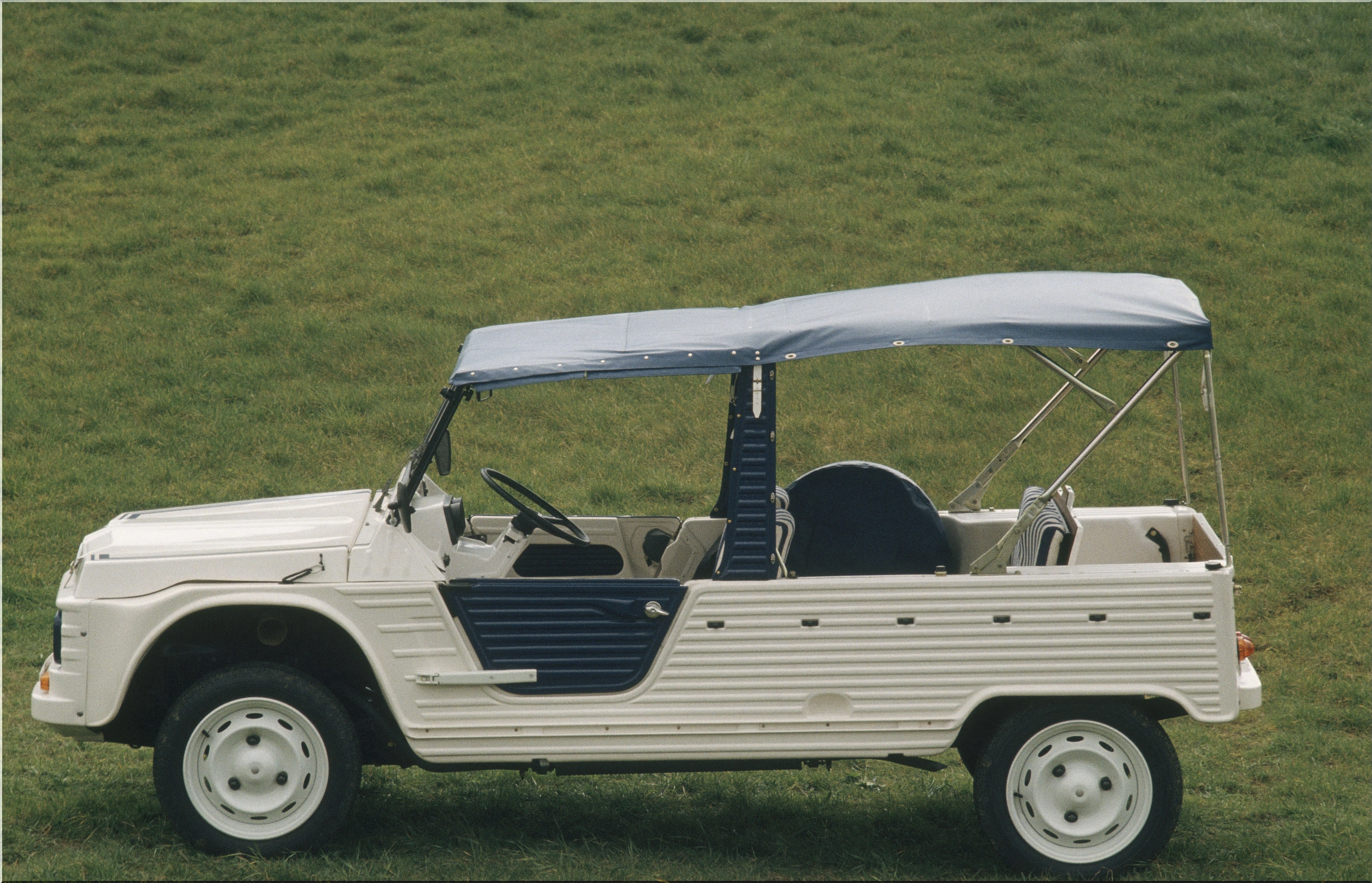
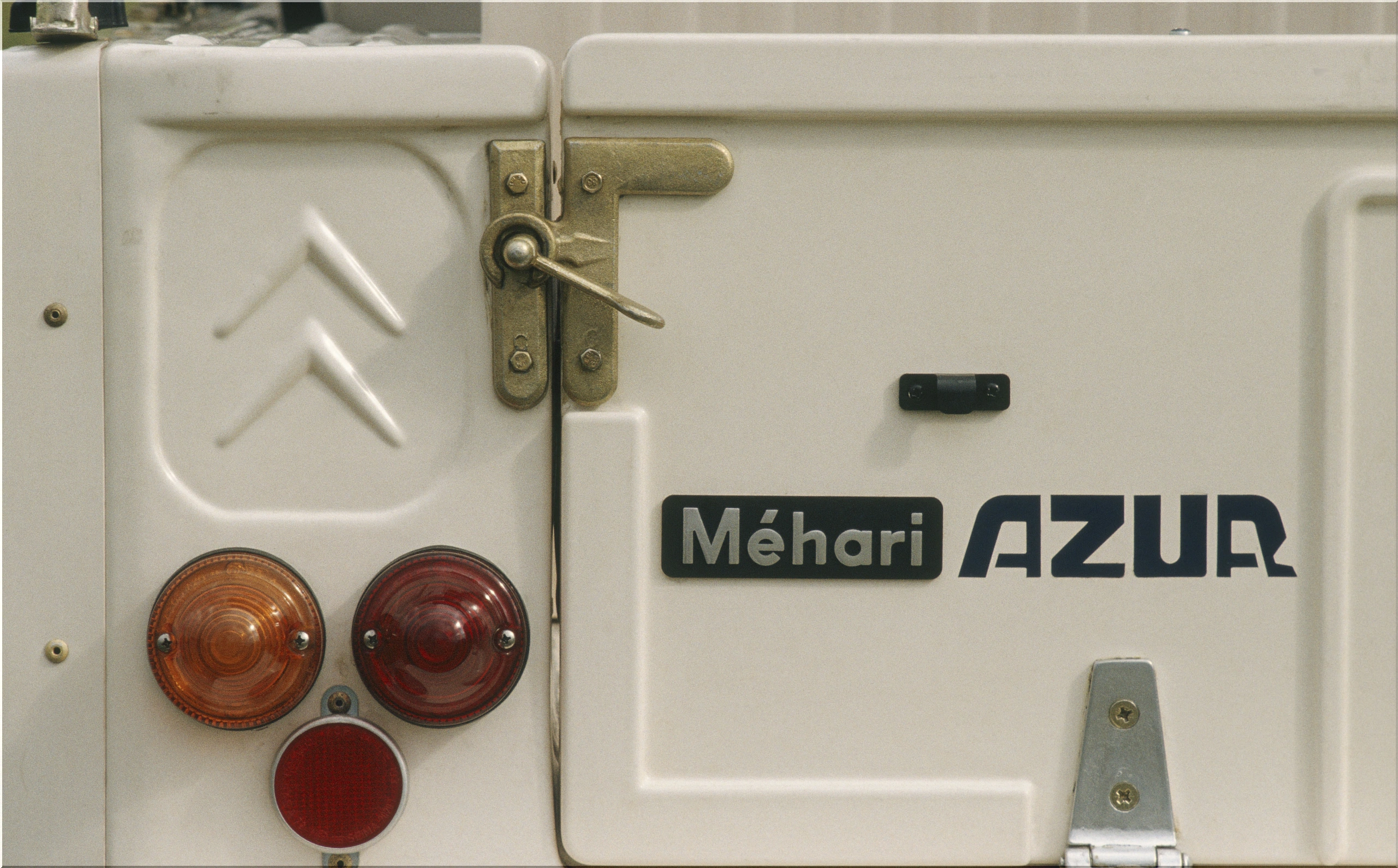
The Citroen Mehari was an instant hit, thanks to its originality, practicality, and affordability. It cost only $1,200 in 1968 (about $9,000 in today’s money). It was used by farmers, adventurers, celebrities, and even the military. It starred in movies like The Gendarme of Saint-Tropez and The Adventures of Tintin. It participated in rallies like the Paris-Dakar and the Raid des Baroudeurs. It was exported to more than 70 countries, including the US, where it was sold as the Citroen Pony.
The Citroen Mehari was also produced in different variants, such as the Baby Brousse in Africa, the FAF in South America, the Fiberfab Sherpa in Germany, and the Teilhol Tangara in France. In 1980, Citroen introduced a four-wheel drive version of the Mehari, which had a spare wheel on the hood and a selector lever on the dashboard. Only 1,300 units of this version were made.
The Citroen Mehari was produced until 1987, with more than 140,000 units sold worldwide. In 2016, Citroen revived the spirit of the Mehari with the Citroen E-Mehari, an electric version that retained some of the original features but added modern technology and safety.
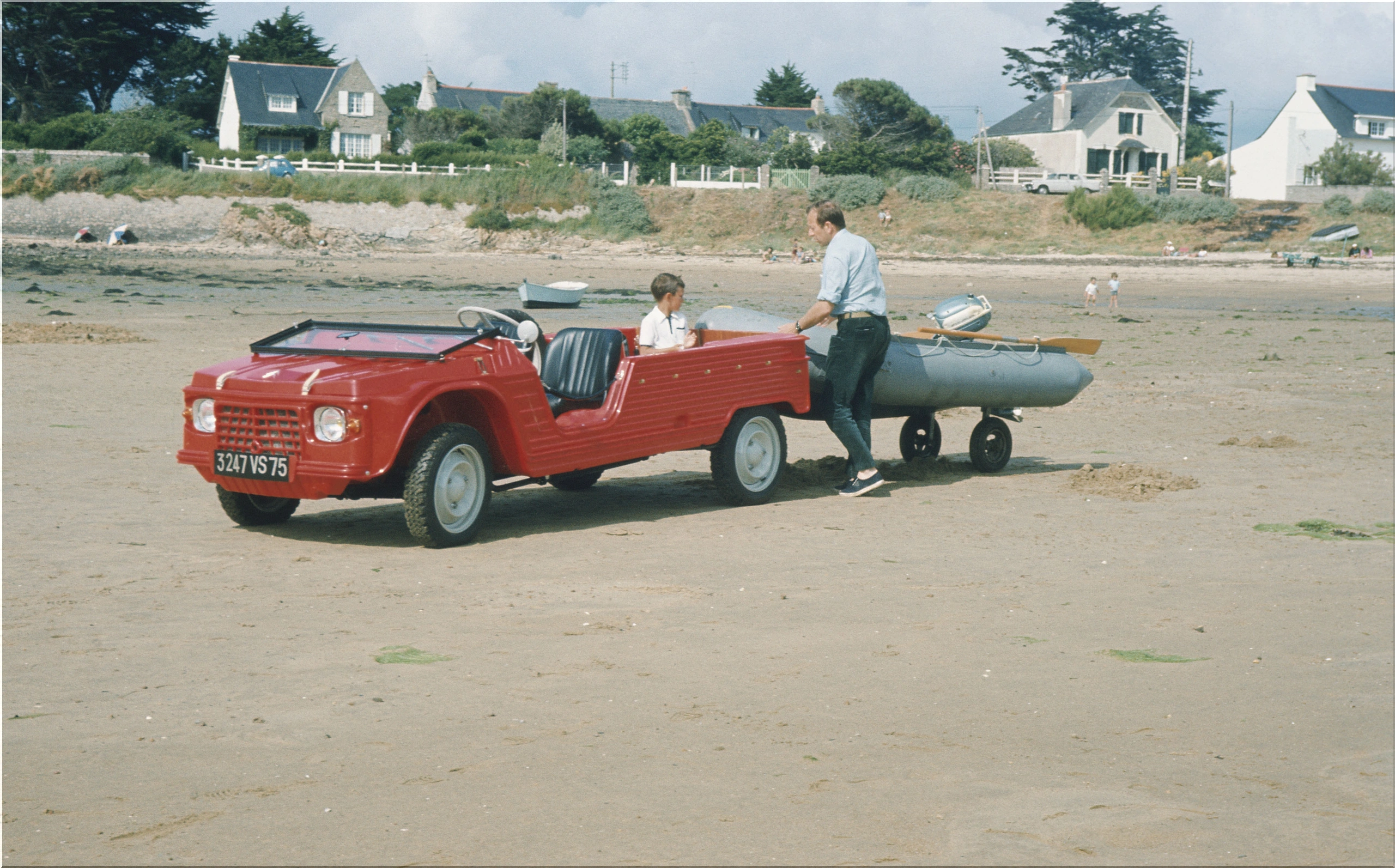
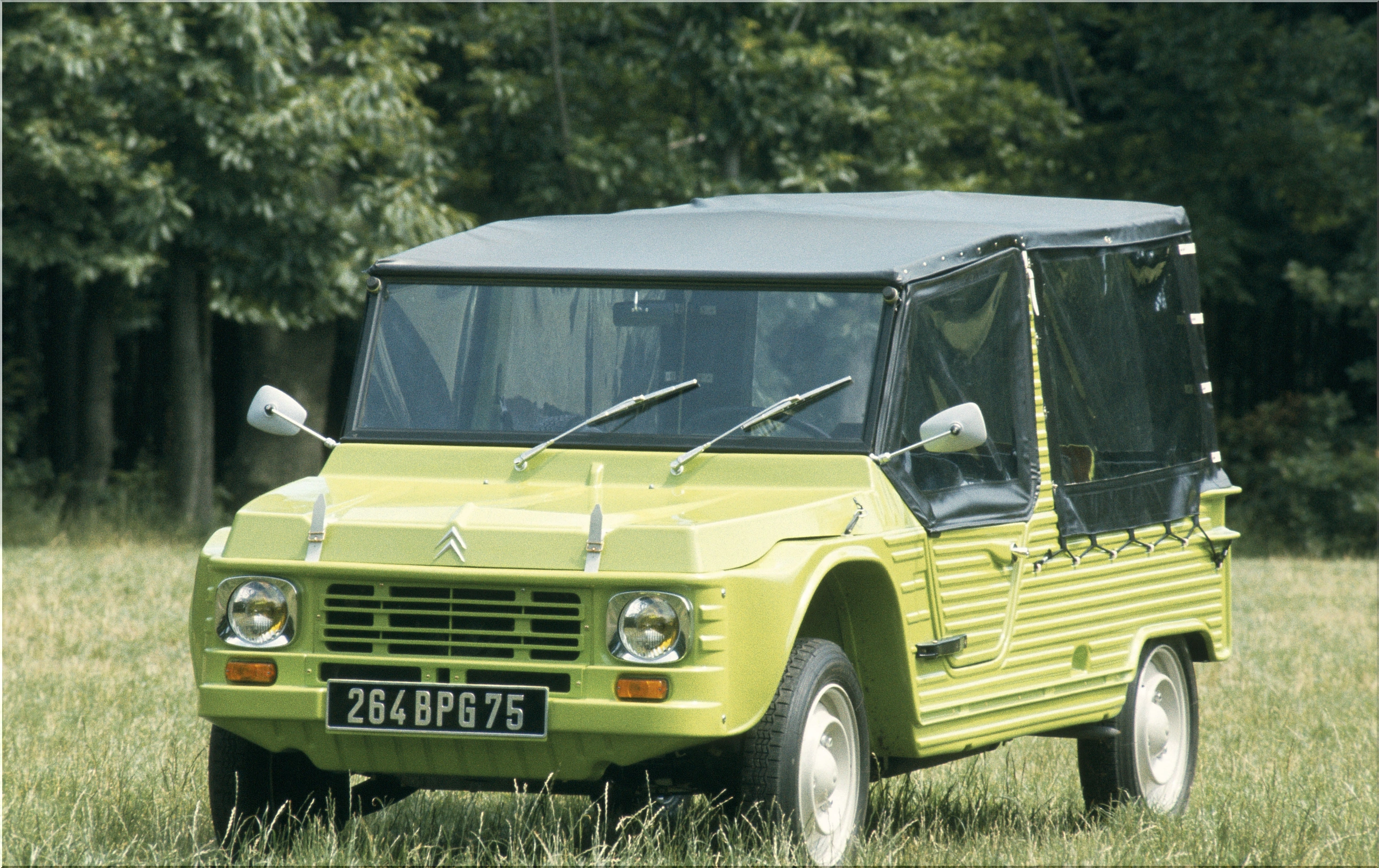
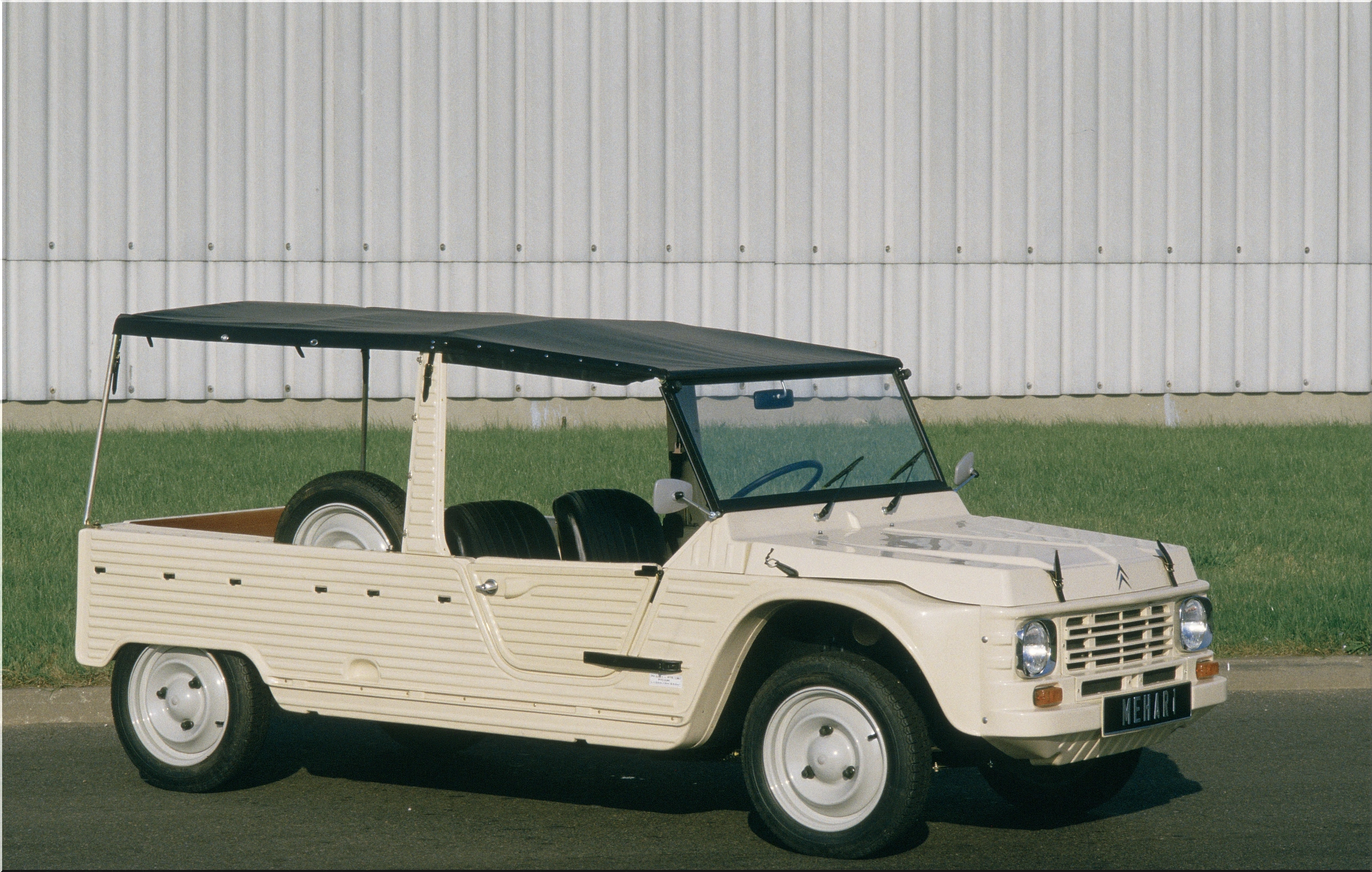
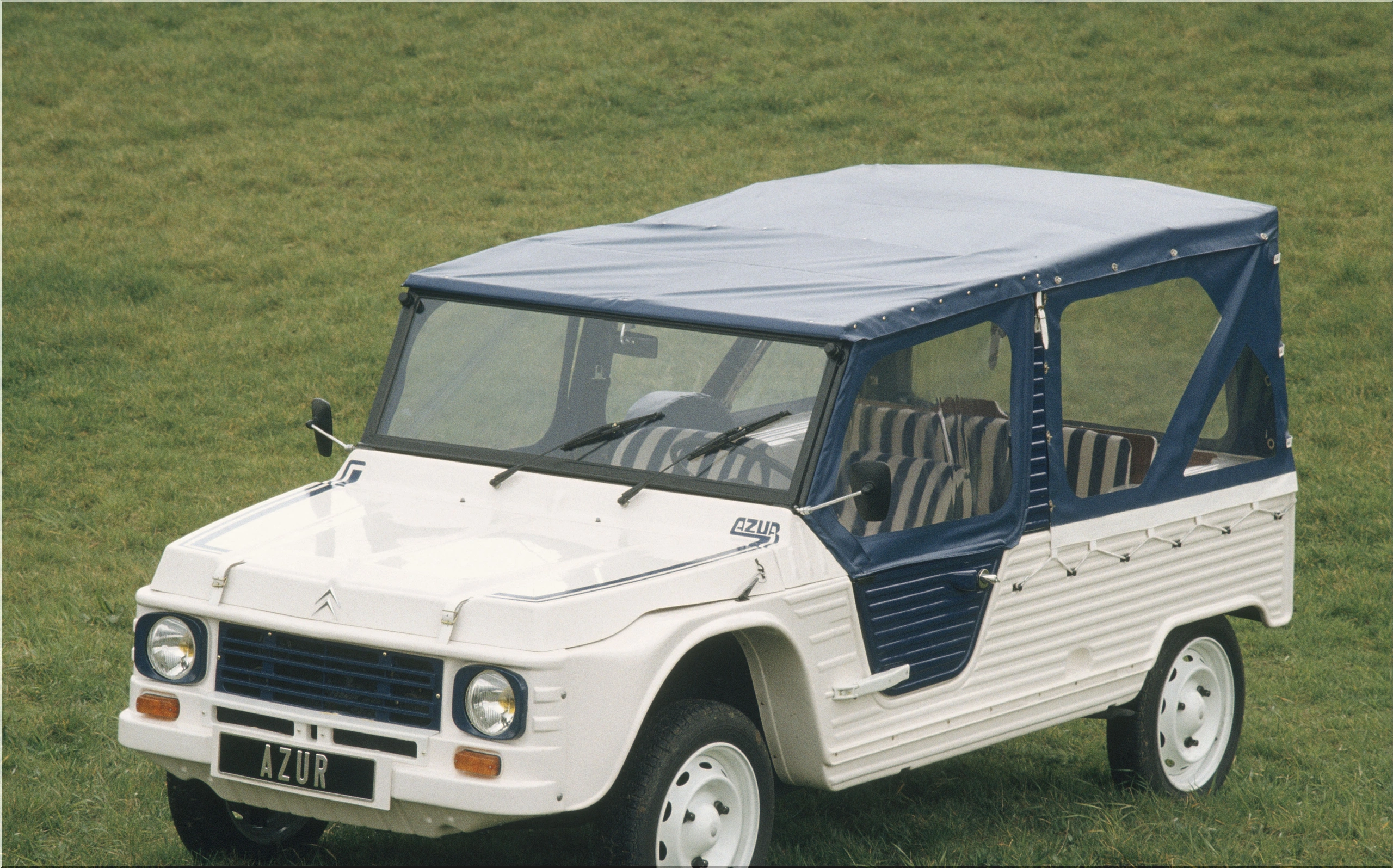
This year, Citroen is celebrating the 55th birthday of the Mehari with a special exhibition at its Conservatoire museum in Aulnay-sous-Bois, France. The exhibition showcases 10 models of the Mehari from different eras and countries, as well as memorabilia, photos, and videos that tell the story of this unique car.
The Citroen Mehari is a car that has left a lasting impression on generations of drivers and enthusiasts. It is a car that embodies the values of creativity, innovation, and freedom that have defined Citroen for over a century.
- Add new comment
- 93 views