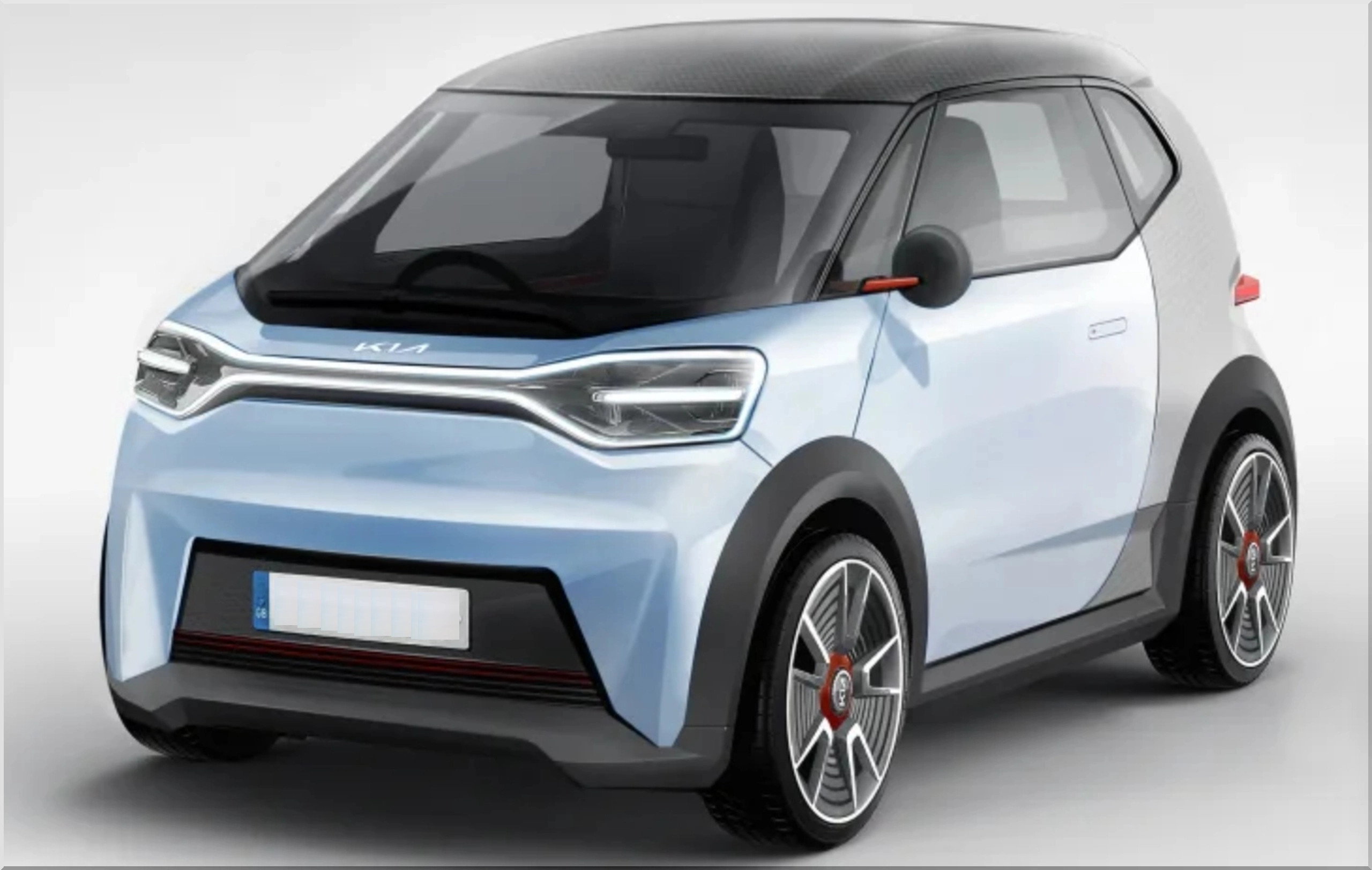
Quadricycles feel like the perfect city hack: tiny footprint, low running costs, and easy charging. Then reality shows up in three places: restricted city zones, parking rules, and road-type limits. The good news is you can avoid almost every fine with a simple framework.
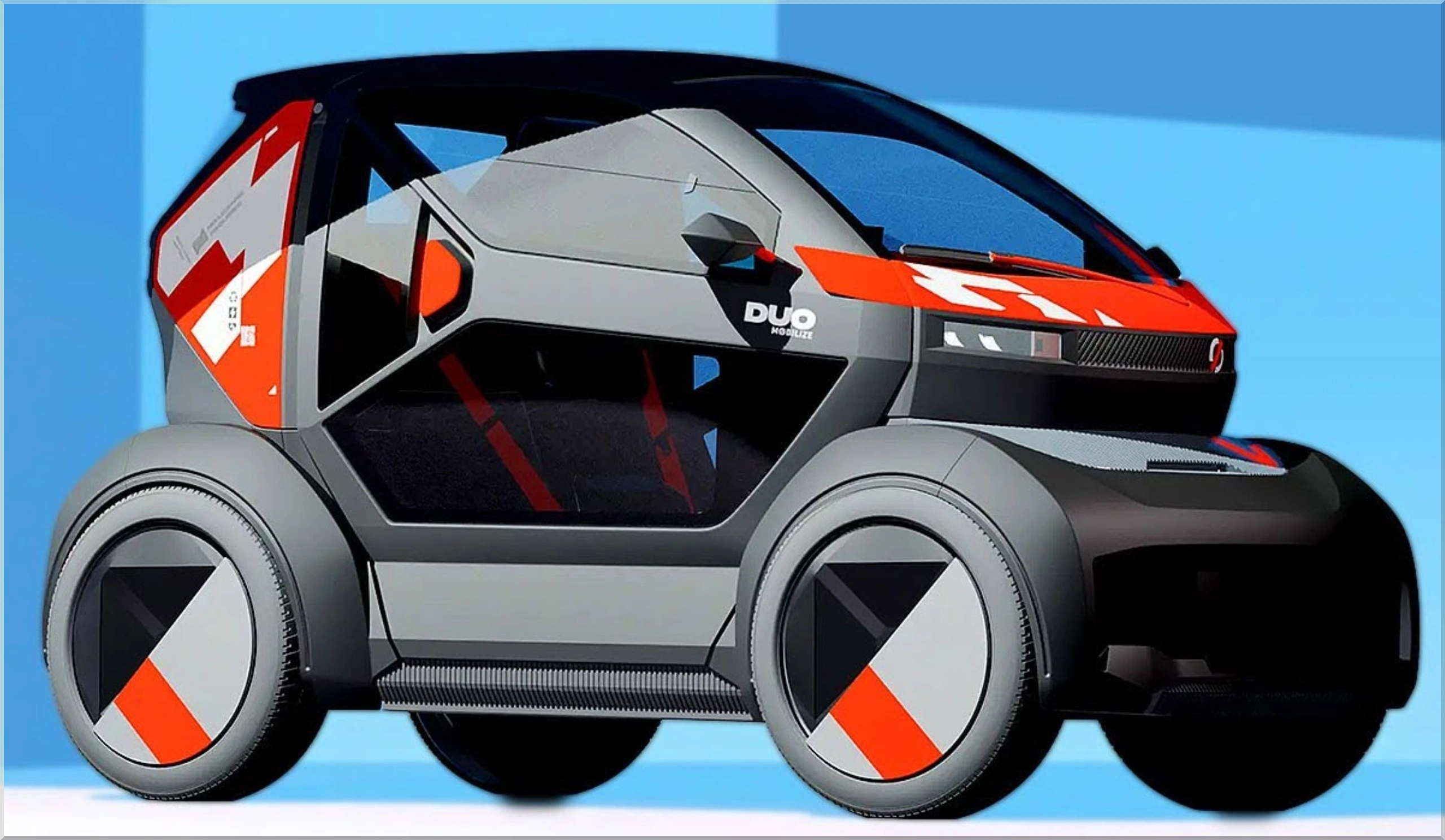
This guide explains where quadricycles can go, how low-emission zones actually decide access, and what parking rules tend to trip owners up. It also gives you a quick pre-trip checklist you can use before you drive into any unfamiliar city.
Definitions that matter
- L6e (light quadricycle): typically capped at 45 km/h. Built for city streets, not fast connectors.
- L7e (heavy quadricycle): higher power allowance and higher design speeds. Still not a passenger-car category.
- LEZ (Low-Emission Zone): access rules based on emissions, vehicle type, and sometimes resident status.
- ZBE: Spain's term for a low-emission zone (Zona de Bajas Emisiones).
- ZTL: Italy's limited-traffic zones (often residents, permits, or time windows).
- Environmental sticker/label: a required classification sticker in some countries to enter or park inside restricted zones.
- Congestion charge: a fee to enter an area, separate from emissions rules.
Pro-Tip: Cities rarely ban quadricycles because they are quadricycles. Cities restrict by emissions label, registration category, time window, and camera enforcement.
Road limits: what your quadricycle can realistically use
Quadricycles usually work best on streets designed for city speed and city behavior. Your limits come from vehicle performance and local road rules.
1) Urban streets (30–50 km/h)
This is the natural habitat.
- L6e: fits perfectly when traffic flows at city speeds.
- L7e: fits easily and feels less stressed on faster city corridors.
2) Ring roads and connectors (60–90 km/h)
This is the gray zone where mistakes happen.
- L6e: treat as off-limits for daily routing. You will run at full speed with no buffer.
- L7e: can handle some connectors, but you still need to confirm road access and minimum-speed rules.
3) Motorways and high-speed expressways
Assume no unless you have confirmed otherwise.
- Many jurisdictions restrict slower vehicles or set minimum speeds.
- Even when the law allows it, mixing a light quadricycle with high-speed traffic increases risk and stress.
4) Bike lanes, bus lanes, and pedestrian areas
Assume no unless a sign explicitly allows your vehicle category.
- Bike lanes are for bicycles and micromobility.
- Bus lanes often allow taxis and specific categories only.
- Pedestrian zones may allow deliveries during time windows, but enforcement is strict.
Pro-Tip: If you need to cross a city on a faster road, plan the route like a cyclist would: safer corridors, fewer merges, and predictable speeds.
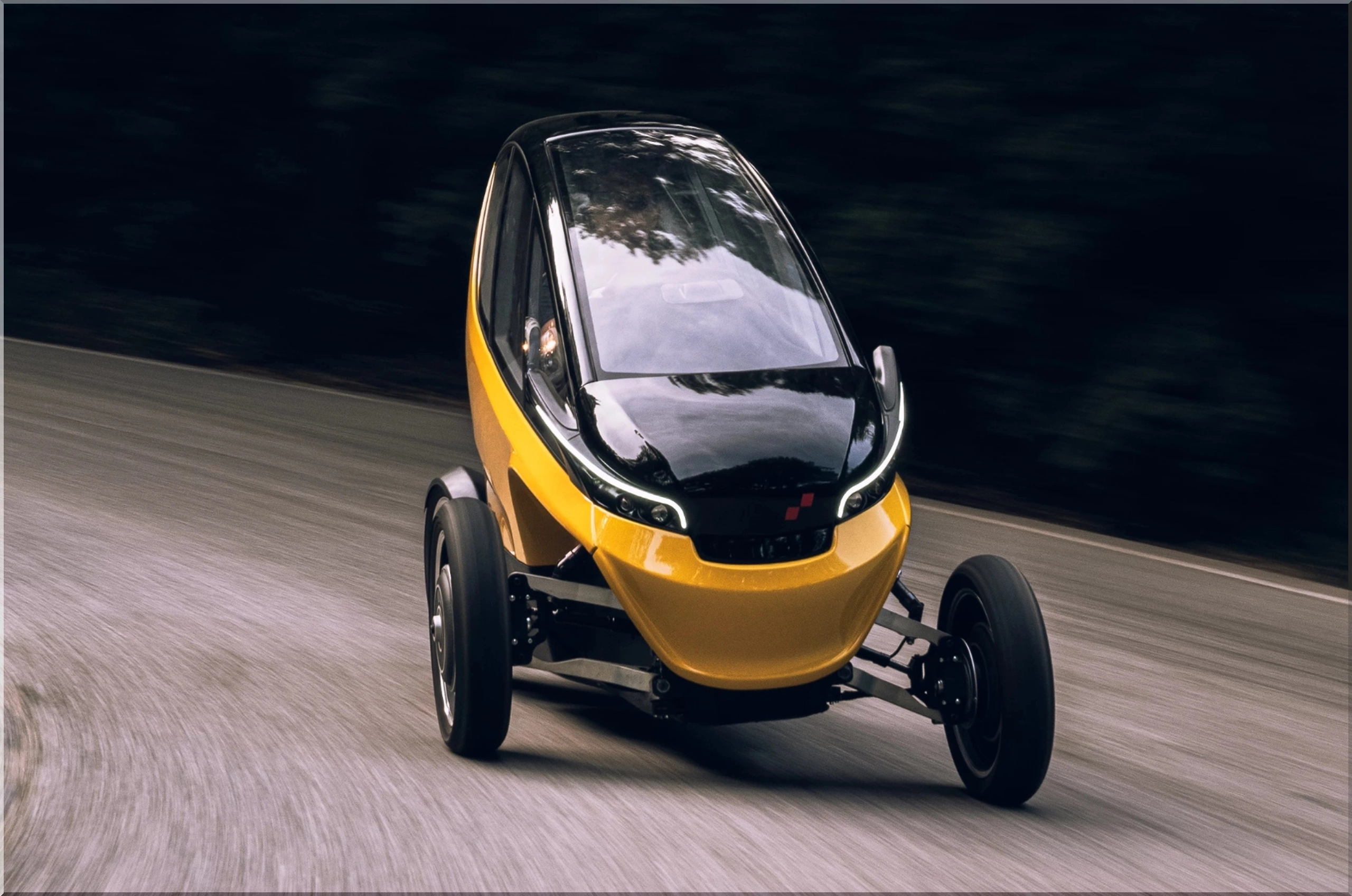
Low-emission zones: how cities decide access
Low-emission zones do not operate as one EU-wide rulebook. Cities build their own access logic, but most follow a familiar pattern.
The four checks most LEZ systems use
- Fuel and emissions status (electric usually gets the best access)
- Vehicle category (car vs motorcycle vs commercial)
- Registration or pre-registration (some cities require you to register your plate)
- Time-based rules (weekday-only restrictions, daytime windows, event-day restrictions)
What quadricycle owners should expect
- Electric quadricycles often qualify for the most permissive access tier. That does not guarantee free entry, because some cities still charge for congestion or require registration.
- Diesel microcars can face earlier restrictions than gasoline, depending on the local policy and label system.
- Foreign plates may need extra steps. Some cities apply the same rule to visitors but require registration in advance.
Common zone types you will encounter
- Permanent LEZ: always active, camera enforced.
- Conditional LEZ: activates during pollution alerts.
- Permit-based access: residents, deliveries, trades, and mobility permits get exemptions.
- Charge-based access: you can enter if you pay, but only if your vehicle meets a minimum emissions label.
Actionable question: Will my quadricycle get into the city center?
- If it is electric, you usually have a strong chance, but you still must check registration and local fees.
- If it is diesel, you must check the city rules first. Some zones block older diesels even if the vehicle is small.
Parking: what is legal, what is tolerated, and what gets you fined
Parking rules vary wildly by city, and enforcement changes by neighborhood. The safest approach is simple: treat your quadricycle as a car unless signage says otherwise.
Where you can usually park
- Standard paid car bays (pay-and-display or app)
- Resident permit zones (if you hold a permit)
- Public garages (often easiest for unfamiliar cities)
Where you should not park unless explicitly allowed
- Motorcycle bays: some cities allow narrow vehicles, many do not.
- Sidewalks and pedestrian edges: enforcement is strict, especially near crossings and curb ramps.
- EV charging bays: you must actively charge in many cities. Parking without charging can trigger fines or towing.
Practical parking advantages you can use
- Small footprint: you can fit into tight car bays other drivers avoid.
- Low overhang needs: you can park flush without blocking pedestrian flow.
- Garage flexibility: you can often choose narrower ramps and smaller spaces comfortably.
Pro-Tip: If the city uses camera enforcement for access, expect strict enforcement for parking too. Those cities run on rules, not vibes.
Limits and gotchas that surprise new owners
- Minimum-speed roads: a 45 km/h quadricycle can become illegal or unsafe if the road expects 70–90 km/h flow.
- Time-window access: delivery windows, school-street closures, weekend restrictions.
- Resident-only ZTL zones: especially common in historic centers.
- Vehicle-type mismatches: your registration might list a category that the city portal does not auto-recognize. That can break registration and cause fines even if you are compliant.
- Tunnels and bridges: some routes ban certain categories or apply tolling rules that require pre-registration.
The 10-minute pre-trip checklist (works in any EU city)
- Identify your class: L6e or L7e.
- Identify propulsion: electric, gasoline, diesel.
- Check the city zone type: LEZ, ZBE, ZTL, congestion charge, or mixed.
- Confirm what the city checks: sticker, online registration, payment, or all three.
- Register your plate if required: do not assume foreign plates are auto-approved.
- Check time windows: weekday, weekend, delivery hours, pollution alert rules.
- Plan a legal route: avoid motorways and fast connectors unless confirmed.
- Choose a safe parking plan: paid bay or garage beats guessing.
- Bring proof: registration confirmation, payment receipt, permit details if applicable.
- Re-check on the morning of travel: cities update enforcement and rules, especially around events.
Pro-Tip: Save a folder on your phone called 'City Access' with screenshots of registrations and receipts. It turns panic into two taps.
FAQs
Can an L6e quadricycle use a 70 km/h road?
Sometimes legally, often uncomfortably. If traffic flows near the limit, you will run flat out with no buffer. Choose parallel streets when possible.
Do low-emission zones treat quadricycles like cars?
Often yes for access and enforcement, but not always. Some systems classify by emissions label, others by vehicle category. Always check the city portal.
Can I park in motorcycle spaces with a quadricycle?
Only if signage or local rules explicitly allow it. Many cities reserve those bays for two-wheelers.
If my quadricycle is electric, do I automatically get free access?
No. Electric helps with emissions access, but congestion charges, registration requirements, and time windows can still apply.
Comments