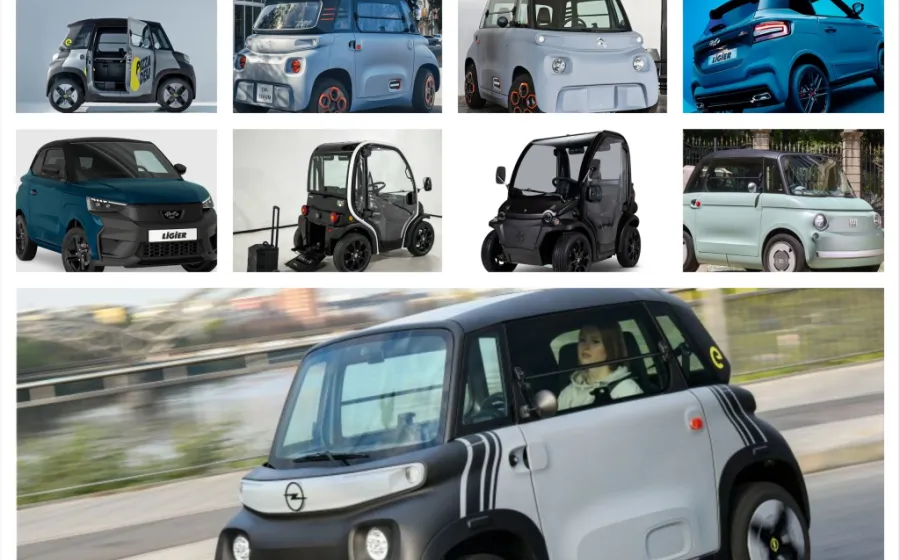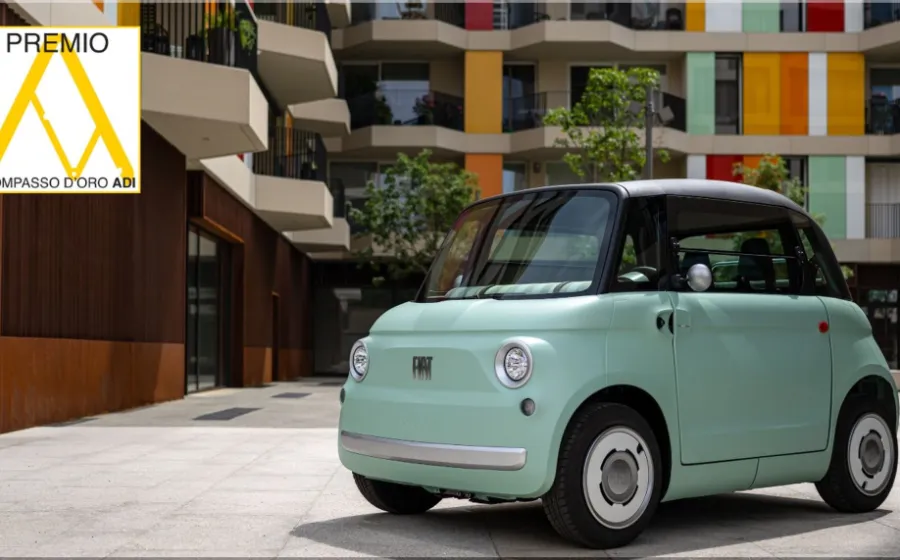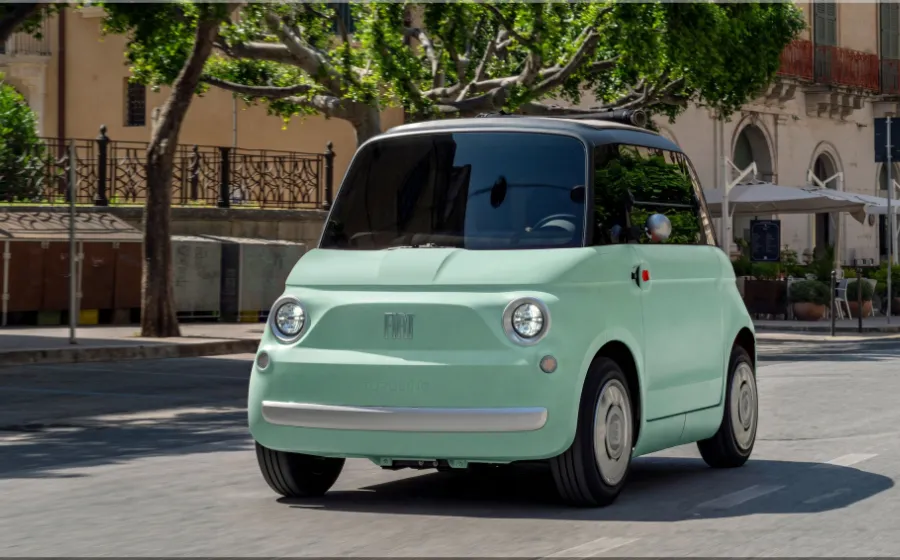
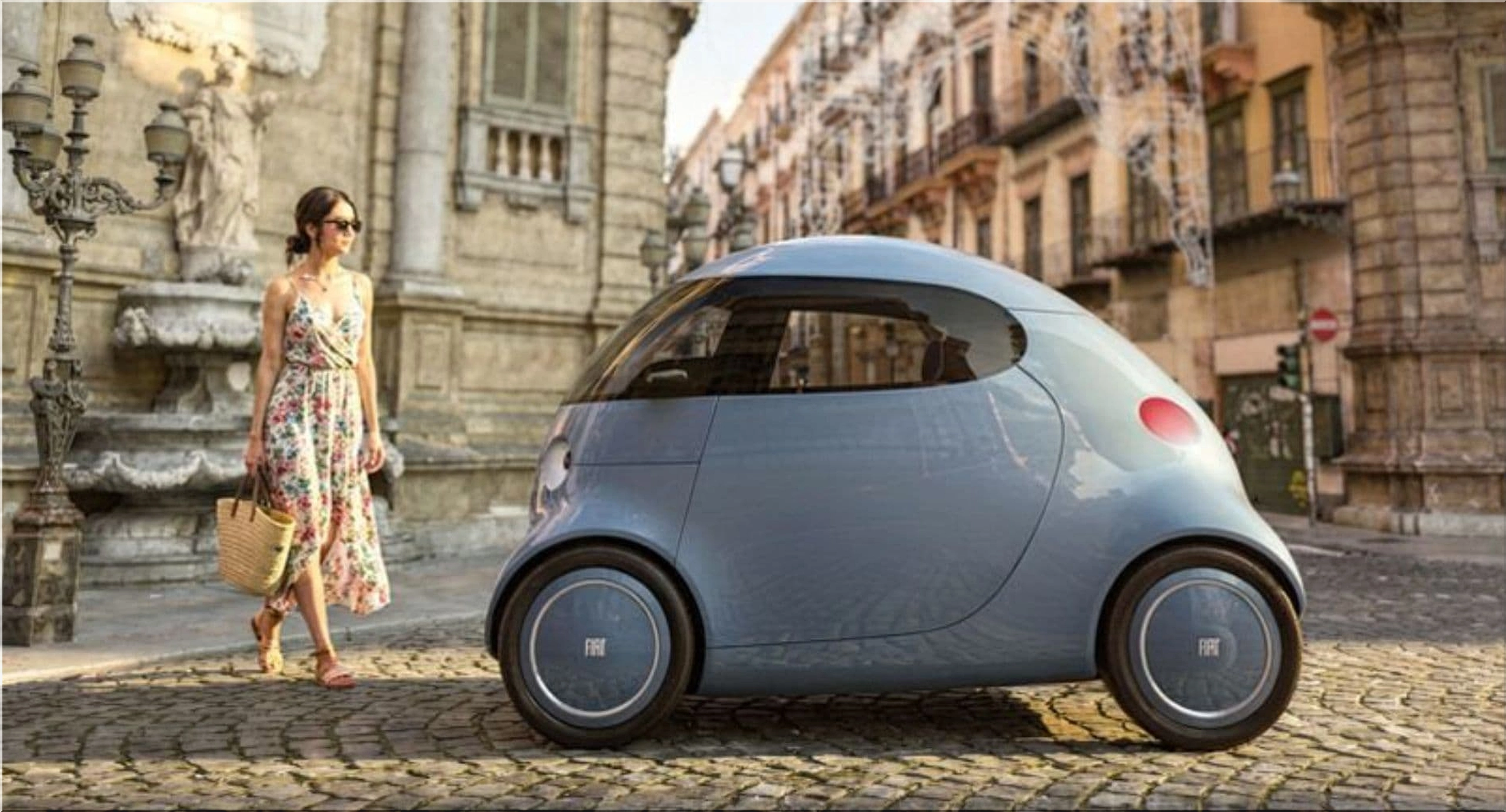
The Fiat Topolino XS sits in an awkward spot that designers love and product planners fear. It looks feasible, it reads simple, and it solves a real urban problem: space. Yet it remains a design concept, not a production vehicle.
That matters because the electric microcar segment already runs on tight constraints. When you pack a cabin, battery, crash structure, lighting, HVAC, and compliance into a footprint smaller than most UTVs, every millimeter turns into a cost decision. The Fiat Topolino XS concept attacks that reality with a blunt idea: keep the base vehicle tiny, then change the body to fit the day.
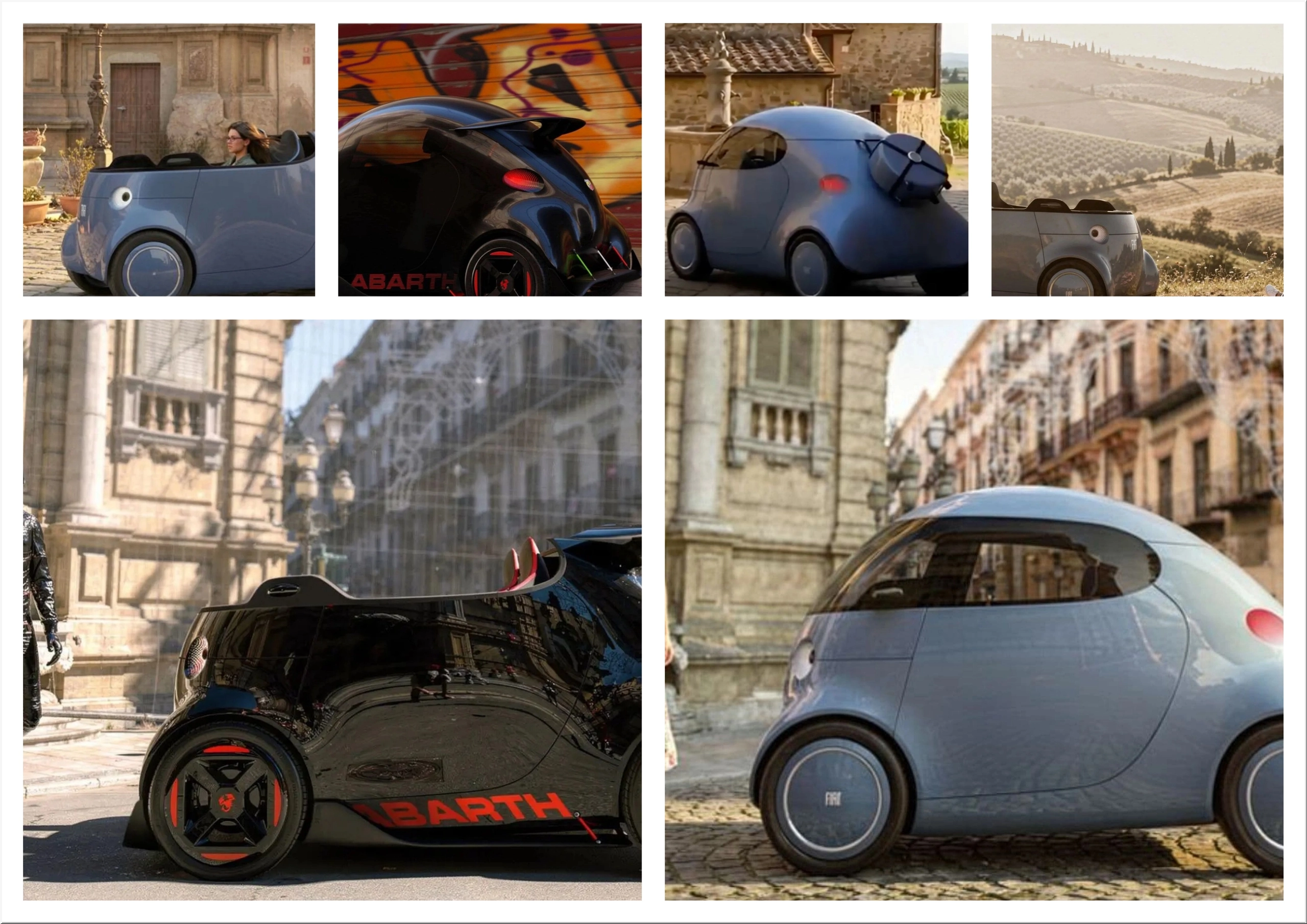
In addition, this concept leans into a question mainstream EVs still dodge: do city commuters want one car with every feature, or a small urban EV that adapts like gear?
What the Fiat Topolino XS Concept Actually Claims
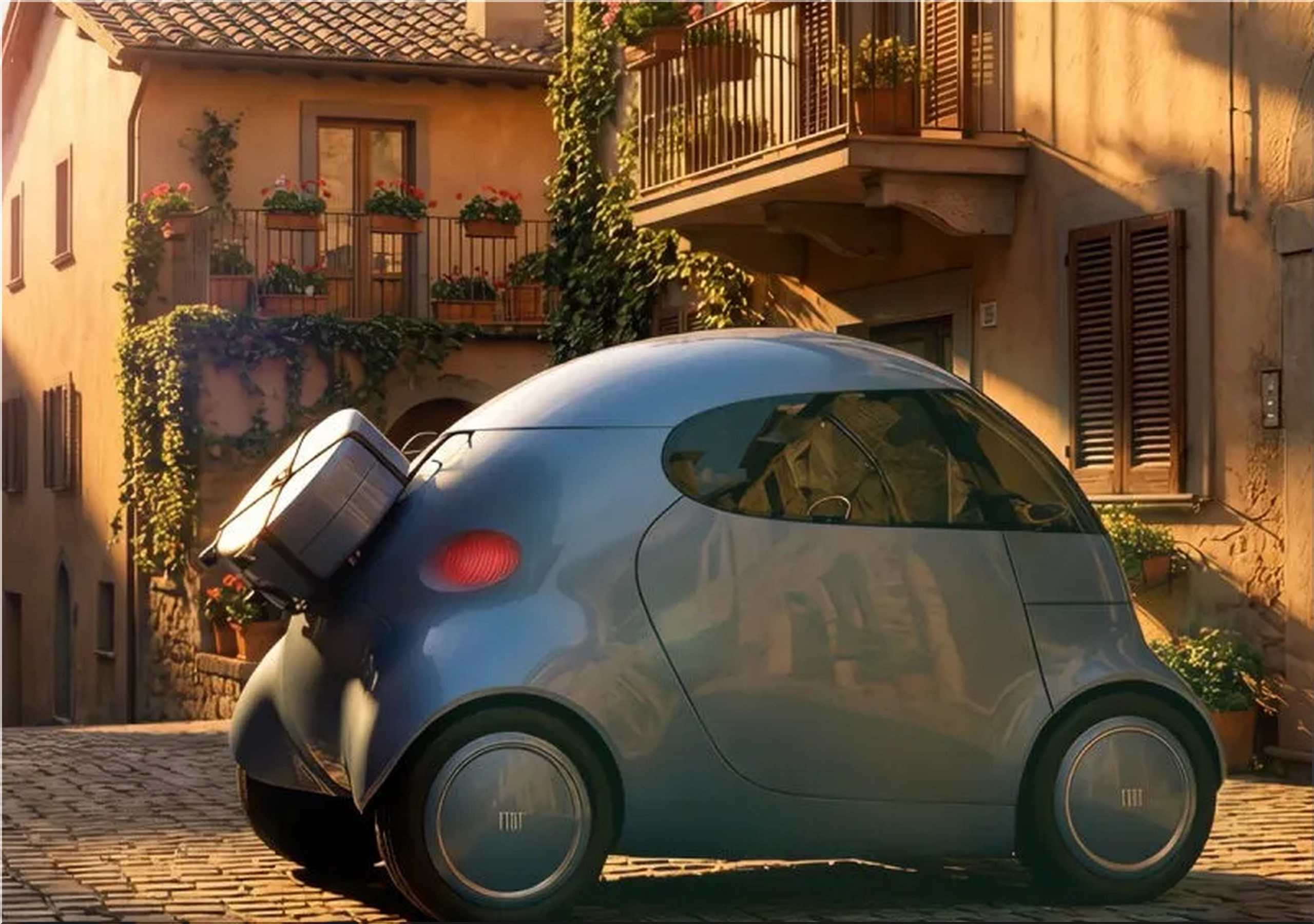
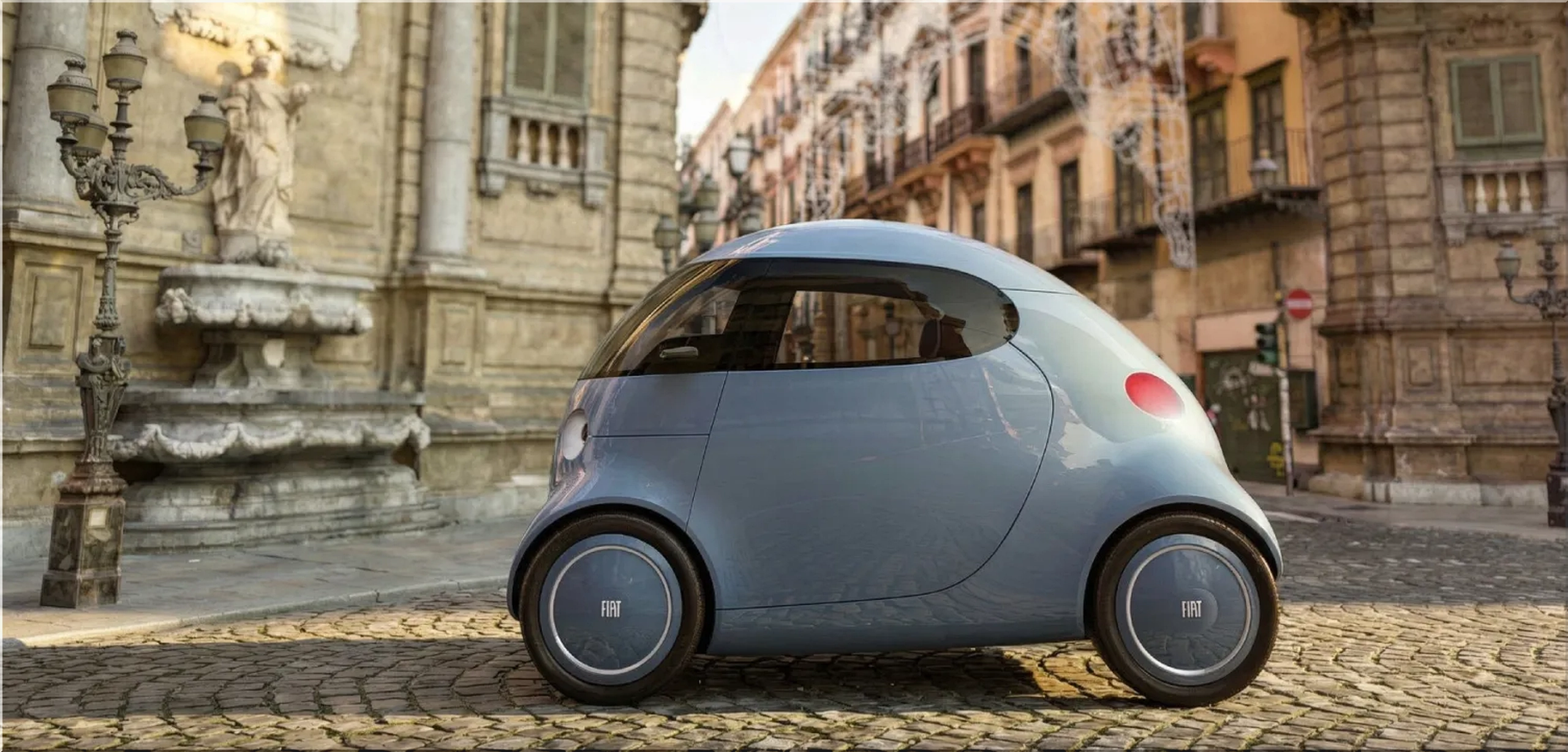
The Topolino XS concept, created by designer Wini Camacho, frames itself around three core promises:
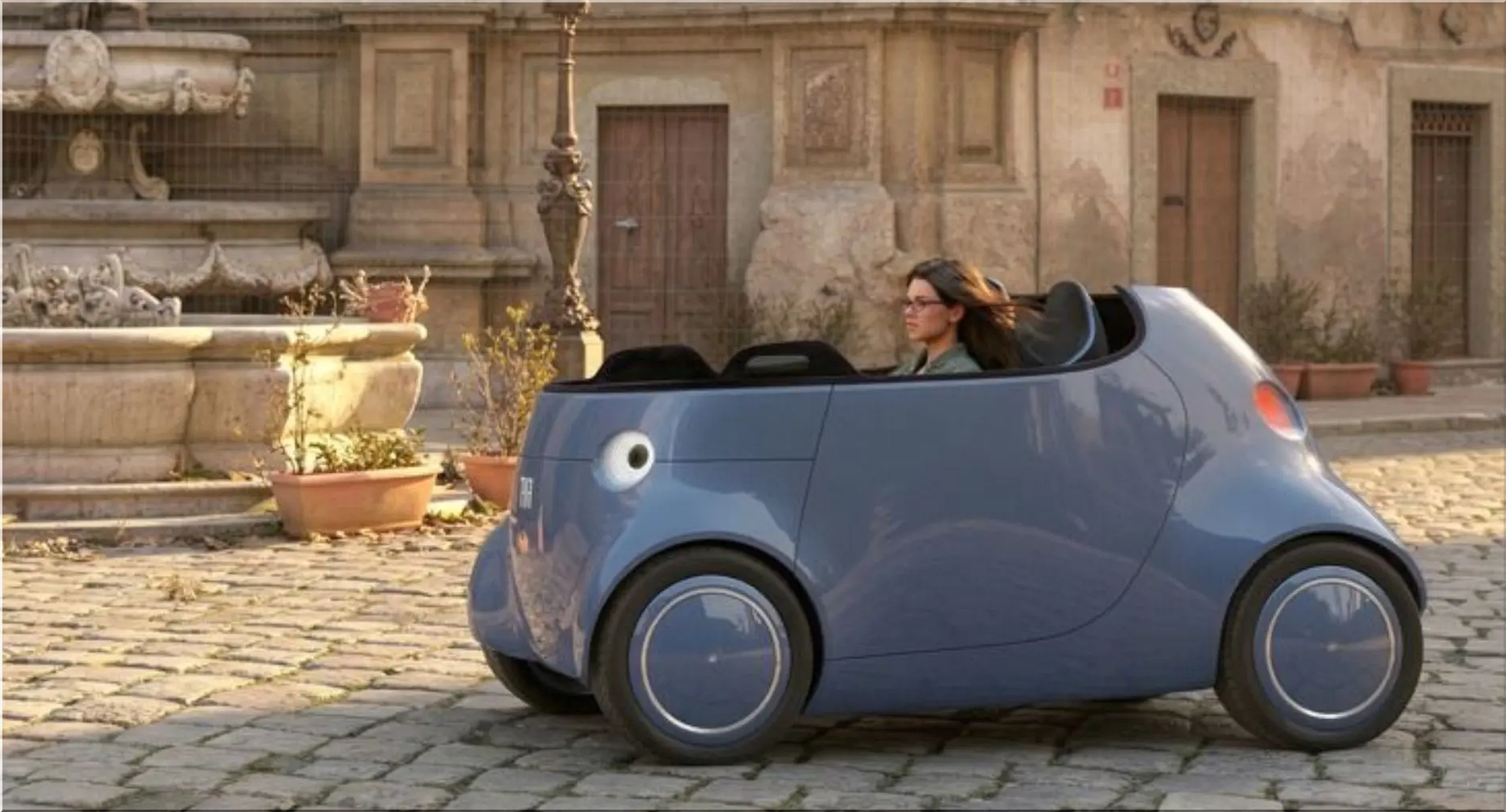
- Three-in-one modular body that can shift between coupe, targa-style open top, and full roofless roadster configuration
- A hyper-compact exterior footprint at roughly 2.4 m long and 1.4 m wide (about 94.5 in by 55.1 in)
- Simplified controls paired with expressive lighting, including micro-LED lighting concepts front and rear
Specifically, the modular approach focuses on removing major glass and roof elements rather than relying on complex retractable mechanisms. That decision keeps parts count down, reduces parasitic mass, and removes the packaging penalty of storing roof panels inside the car.
Consequently, the XS reads less like a convertible and more like a configurable urban tool: one chassis, multiple use cases, no extra parking footprint.
Dimensions and Packaging: Small on Paper, Hard in the Real World
The concept claims about 2,400 mm in overall length. That puts it roughly 6.2 in shorter than the production Fiat Topolino sold in some European markets at 2,558 mm long, while keeping the same published width of 1,400 mm.
That gap sounds minor. It is not. On a microcar, 158 mm (6.2 in) can represent:
- A full seatback angle change
- A larger rear crush zone
- A thicker door structure for side-impact targets
- Or extra battery module volume
From an expert perspective, the best takeaway is simple: the XS concept likely assumes a purpose-built micro platform, while the production Fiat Topolino already works inside existing regulatory boxes and supplier constraints.
Fiat Topolino XS Concept vs Production Fiat Topolino (Reference Spec)
| Spec (units) | Fiat Topolino XS (concept claim) | Fiat Topolino (production reference) |
|---|---|---|
| Overall length | 2,400 mm (94.5 in) | 2,558 mm (100.7 in) |
| Overall width | 1,400 mm (55.1 in) | 1,400 mm (55.1 in) |
| Overall height | Not published | 1,528 mm (60.2 in) |
| Cargo volume | Concept accessory racks shown | 63 L (2.22 cu ft) |
| Battery capacity | Not published | 5.4 kWh |
| Charging hardware | Home charging implied | 2.3 kW AC onboard |
| System voltage | Not published | 48 V (peak 58 V) |
| Rated output | Not published | 6 hp |
| Rated range | Not published | 75 km (46.6 mi) |
Pro-Tip: When a concept avoids battery size and output numbers, treat the design as a packaging study, not a validated vehicle program. Designers can draw any door seam. Engineers still have to route the HV harness, cooling lines, and impact load paths.
The Modular Body: Why Removing Roof, Glass, and Windshield Changes Everything
The XS concept centers on a removable roof and removable glazing elements. That choice forces three engineering realities:
- Body stiffness drops fast
- Wind management becomes a safety item
- Water sealing becomes a cost item
A conventional convertible hides reinforcement in rocker panels, crossmembers, and the windshield frame. A microcar has less structure to work with, and less mass budget to spend on reinforcement. If the windshield becomes removable, the concept must either:
- Keep a fixed structural hoop behind the dash, or
- Use an integrated exoskeleton-like ring structure around the cabin
By comparison, the simplest scalable solution would keep a fixed safety cell with bolt-on outer panels. That approach matches what the concept visually implies: a smooth, bulb-like shell with minimal cut lines.
How a 3-in-1 Body Could Work Without Drama
A realistic production path would likely split the car into three zones:
- Fixed safety tub: floor, rockers, primary side structure, seat mounts
- Front module: cowl, lighting, front crash structure, bolt-on fascia
- Upper module: roof panel(s), windshield surround, side window frames
That architecture makes the modular body a parts swap, not a mechanism. It keeps weight and cost down because you avoid motors, rails, and multi-link roof kinematics.
Consequently, the XS concept points to a manufacturing logic that could scale: one painted safety cell, multiple top kits.

Lighting and Human-Machine Interface: Micro-LEDs as Branding, Not Gimmick
The concept leans hard on expressive lighting. The front lamps read as circular elements inside a larger white outline, and the rear lighting suggests hundreds of tiny LED points that can display patterns.
That looks playful. It also fits a real product trend: lighting has become the cheapest way to give a small vehicle a premium signature. On a microcar, you cannot hide behind wheel size, stance, or long-hood proportions. Lighting does the talking.
Specifically, a micro-LED array opens up three functional wins:
- Animated turn signals with clearer intent in dense traffic
- Adaptive brightness control that preserves visibility without glare
- Status communication for charging, locking, and approach lighting
Definitions: Quick Terms That Clarify the Concept
- Quadricycle: A light four-wheeled vehicle class used in parts of Europe with different power, speed, and safety requirements than full passenger cars.
- 48V architecture: A lower-voltage EV system common in light vehicles, reducing component cost and improving safety handling compared with higher-voltage packs.
- Micro-LED array: A dense grid of tiny LEDs that can render patterns and animations, often used for signatures and notifications.
Powertrain Reality Check: What the XS Would Need to Be Credible
The concept does not publish torque, output, battery capacity, or curb weight. That forces a logic-based approach using real microcar reference specs.
A production Fiat Topolino reference spec lists:
- 5.4 kWh battery
- 48 V (peak 58 V)
- 2.3 kW AC onboard charging
- 6 hp
- 75 km (46.6 mi) range
Looking at the data, a concept with similar use intent would likely land in the same neighborhood. Why? Because the physics of city duty cycles favor small packs, and the business model demands low battery cost.
What Battery Size Fits a 2.4 m Microcar?
A pack around 5 to 8 kWh hits a practical balance:
- Small enough to charge from a household outlet in a few hours
- Large enough to cover city errands with buffer
- Cheap enough to avoid pricing the vehicle into full-car territory
If the XS concept truly targets a playful open-top experience, it also needs a stability strategy. Roof removal can shift aero loads, increase wind buffeting, and raise the perceived speed at low actual speeds. A conservative power calibration helps keep the vehicle calm and predictable.
PURO vs ABARTH: Two Trims, Two Purposes, One Packaging Challenge
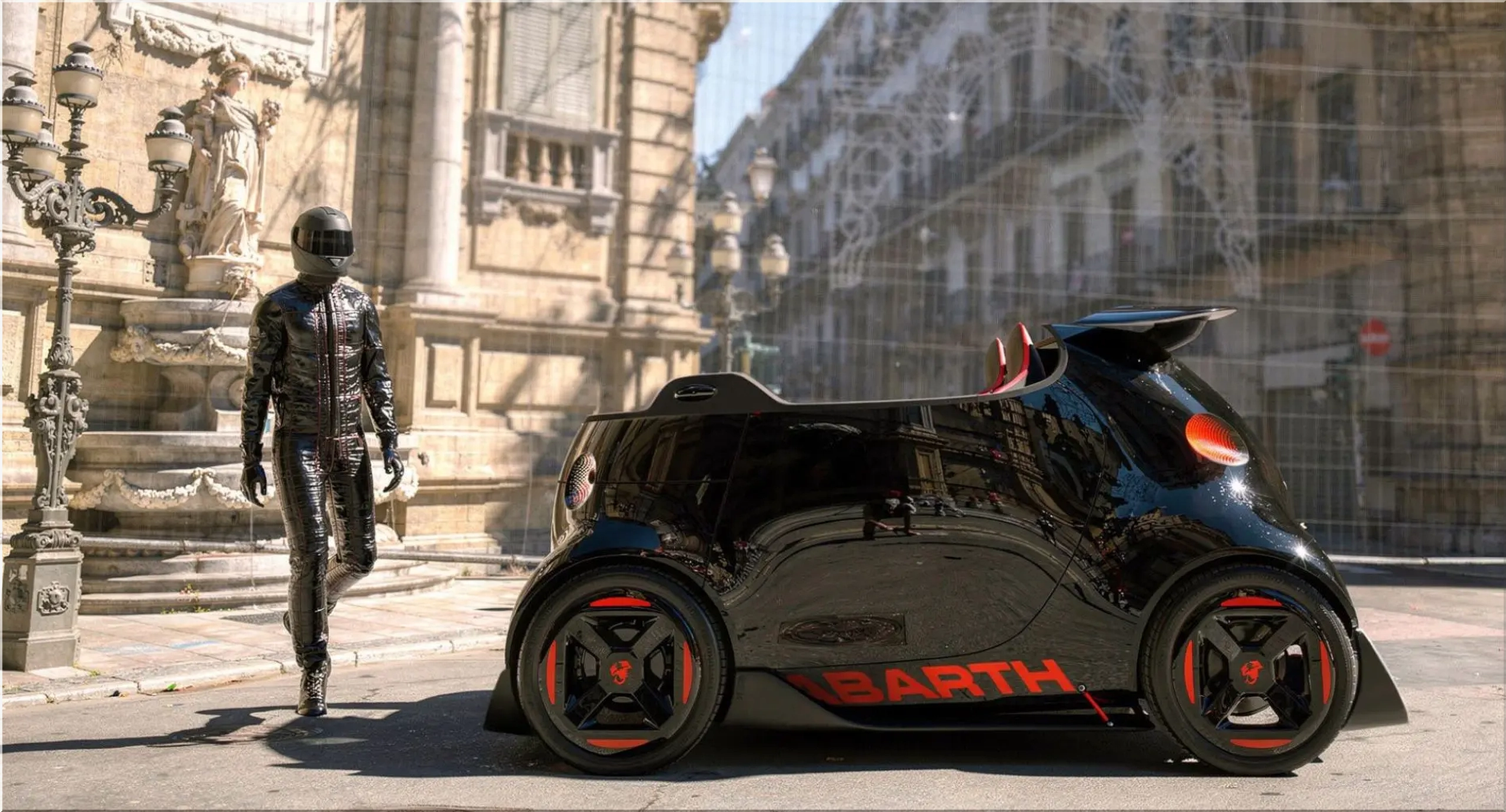
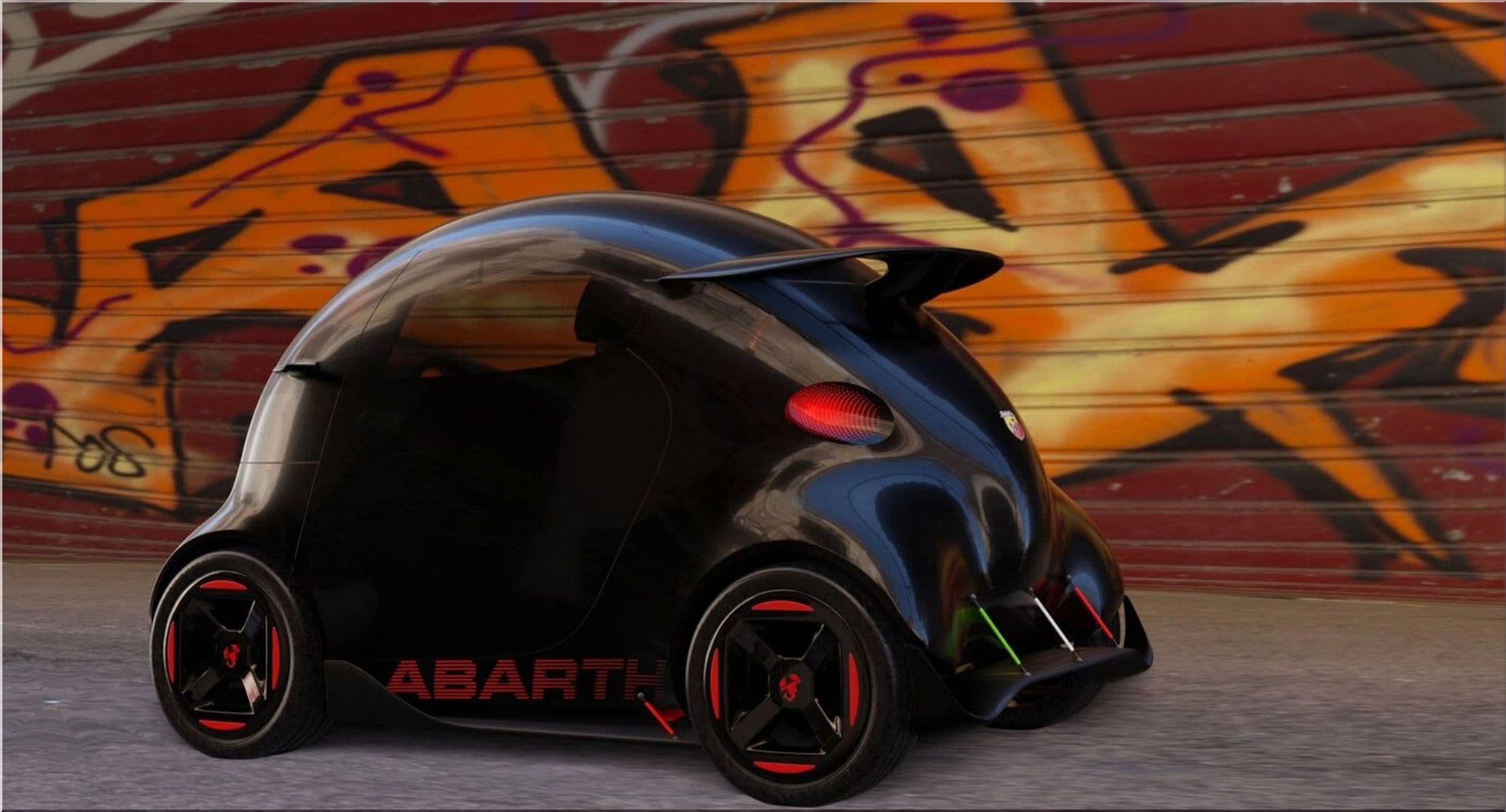
The concept shows two personalities: a calmer road-oriented version and a more aggressive Abarth concept styling direction.
A real product plan would separate these variants by:
- Tire compound and width
- Brake sizing
- Steering mapping
- Stability and torque limits
- Cooling margin
On a microcar, you cannot chase big horsepower. You chase response and feel. Small calibration changes can make the vehicle seem faster without changing the motor.
How a PURO vs ABARTH Strategy Could Translate to Hardware
| Area | PURO (urban daily) | ABARTH (sport-flavored) |
|---|---|---|
| Wheels and tires | Narrower, lower rolling resistance | Wider, grippier compound |
| Brakes | Standard single-piston setup | Higher-temp pads, improved ventilation |
| Steering | Light assist for tight parking | Higher effort, faster response mapping |
| Motor calibration | Smooth launch, capped output | Sharper pedal map, brief boost window if hardware allows |
| Aero and body add-ons | Clean body, minimal appendages | Splitter and flare elements for stance and cooling airflow |
| User experience | Quiet lighting themes | Aggressive lighting themes, sport UI prompts |
Pro-Tip: If a microcar brand wants an Abarth-flavored trim without a major motor upgrade, it can sell the feeling through steering map, tire choice, and brake bite. Those changes cost less than a new powertrain.
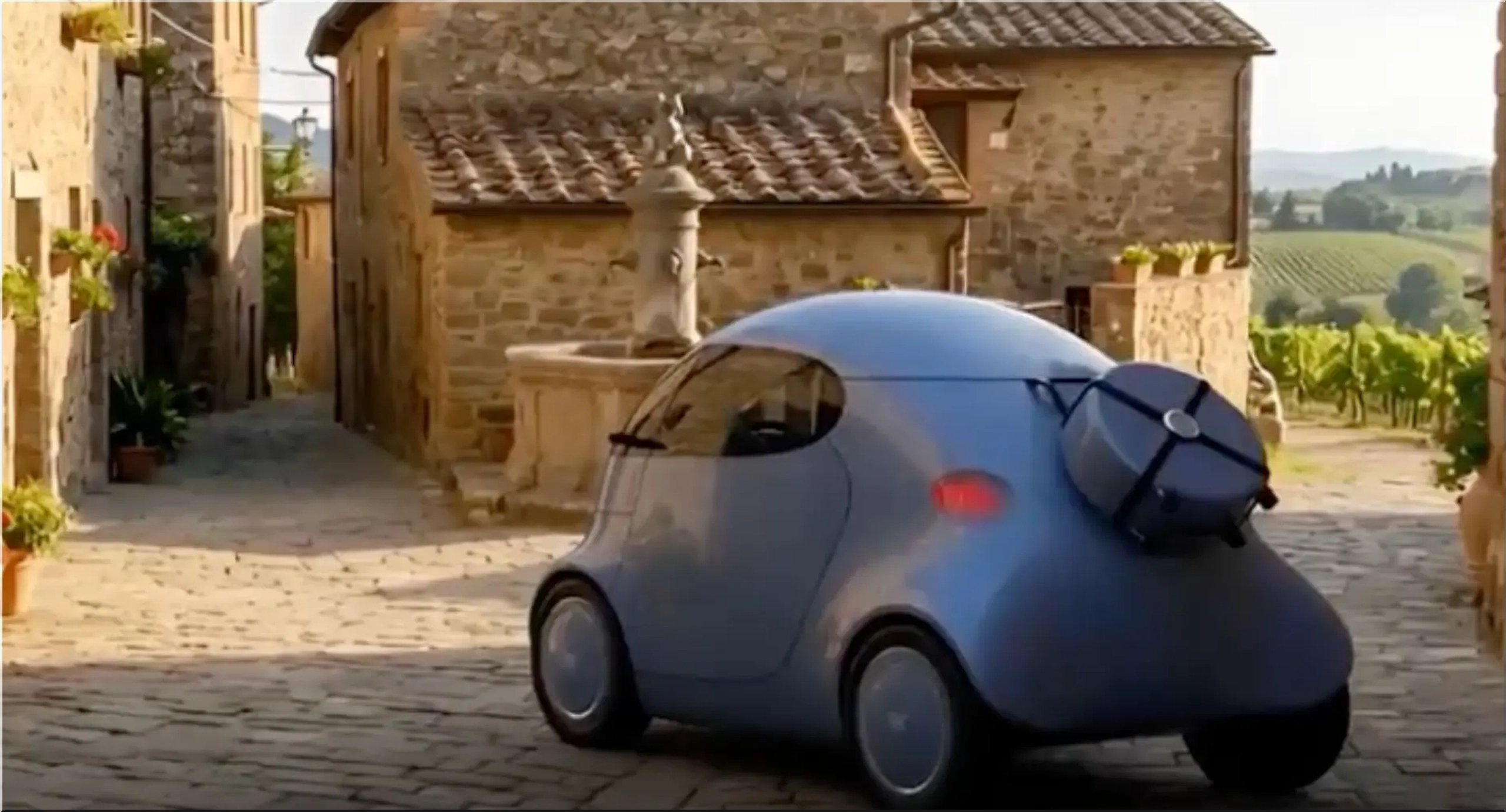
Accessories as Strategy: The External Luggage Rack Tells the Real Story
The concept repeatedly shows external storage ideas: racks, luggage pods, and trolley-like accessories. That is not decoration. It is a packaging workaround.
A microcar cabin has limited inboard volume. If you want the car to do grocery runs and still keep a two-seat layout, you either:
- Expand the body, or
- Move storage outside the cabin envelope
The concept chooses the second option. That aligns with how scooters and small motorcycles work in cities: the base vehicle stays narrow, while the cargo solution flexes per trip.
Consequently, the Topolino XS concept behaves like a mobility platform, not a traditional car.
Price Positioning in USD: Where This Could Land if It Went Real
The production Topolino reference pricing appears around EUR 9,890, which converts to about $11,732 USD. A design-site claim for the concept frames a hypothetical $15,000 USD figure.
Here is the clean logic:
- A production microcar can sit around $12k in some markets because it shares platform and supplier scale.
- A modular concept with multiple body kits would cost more unless Fiat restricted the modularity to dealer-installed packages.
By comparison, a $15k target fits a premium microcar strategy: lifestyle design, personalization revenue, accessory attachment, and a tighter audience.

What Now: How to Use the Topolino XS Concept Without Waiting for a Production Announcement
You can turn this concept into actionable content, strategy, and conversion angles right now.
- Write the buyer profile: urban apartment dwellers, short-trip commuters, second-vehicle households, campus mobility users.
- Build the comparison funnel: electric microcar vs e-bike vs scooter vs compact EV lease.
- Lead with storage and parking math: space savings sell faster than styling language.
- Create a modularity explainer: coupe vs targa vs roofless, with real pros and tradeoffs per setup.
- Anchor credibility with production specs: use the production Topolino spec sheet as the reference point, then clearly label what remains concept-only.
Pro-Tip: Microcar content converts when it answers daily objections: charging access, weather exposure, theft risk, storage, and road legality. Put those answers above aesthetics.
@ Wini Camacho .
- Add new comment
- 361 views