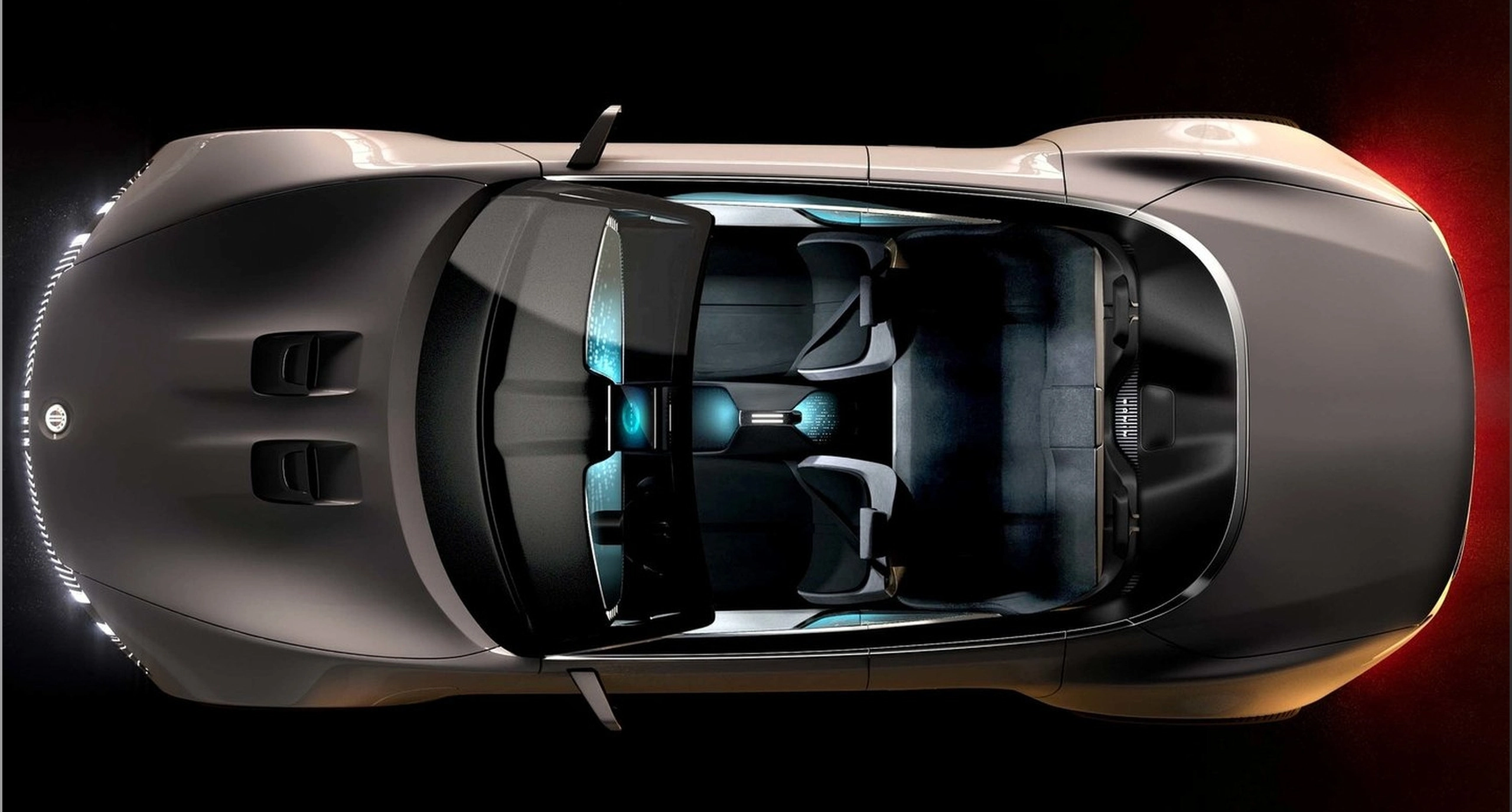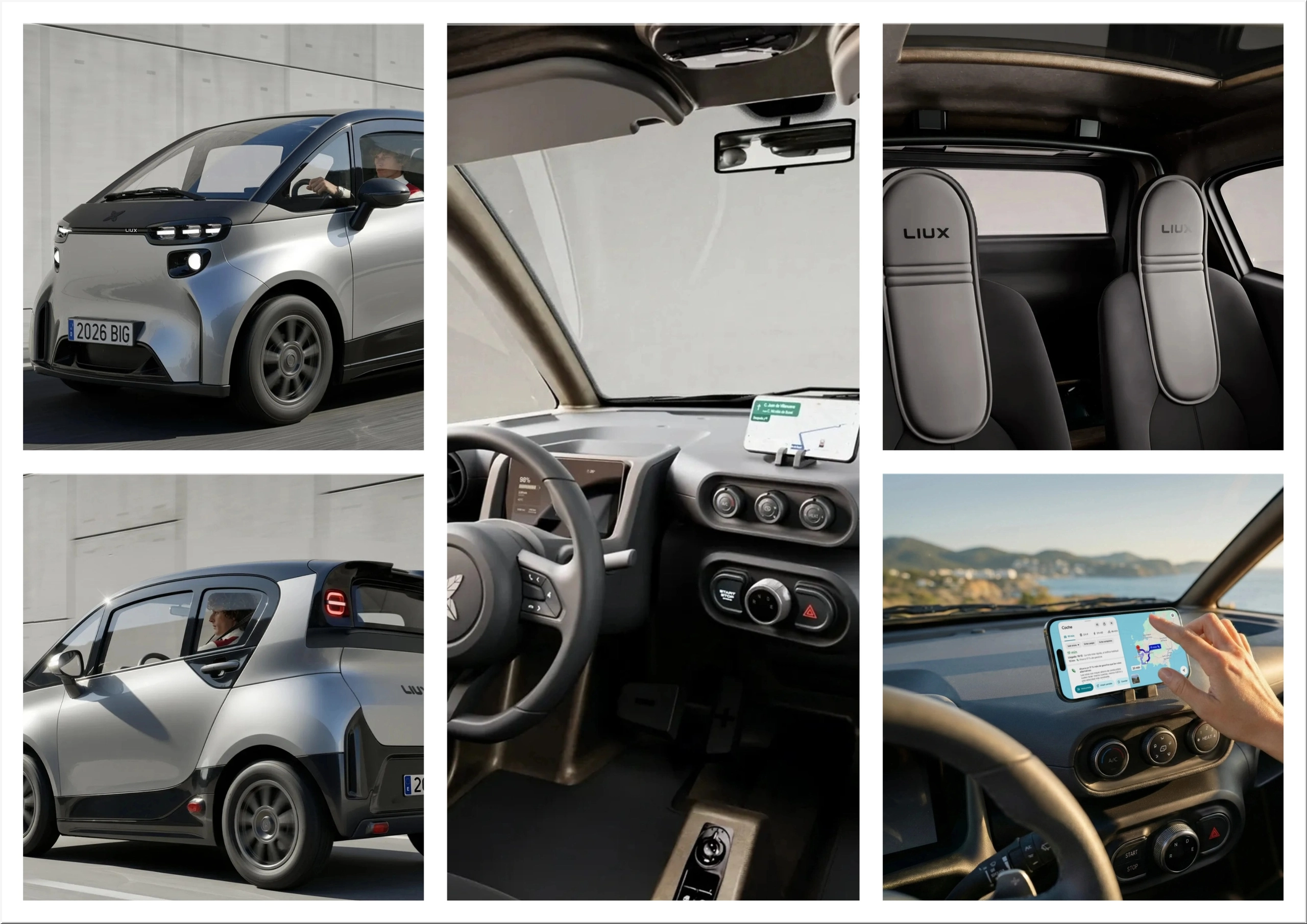
Spain's LIUX BIG arrives at the right time. Urban drivers want a compact electric vehicle that uses less energy, takes up less space, and still feels like a genuine car rather than a stripped-down mobility pod. Looking at the available specs, the LIUX BIG electric quadricycle targets that gap with a clear strategy: low mass, usable speed, practical cargo room, and a projected starting price below $20,800 (€18,000).
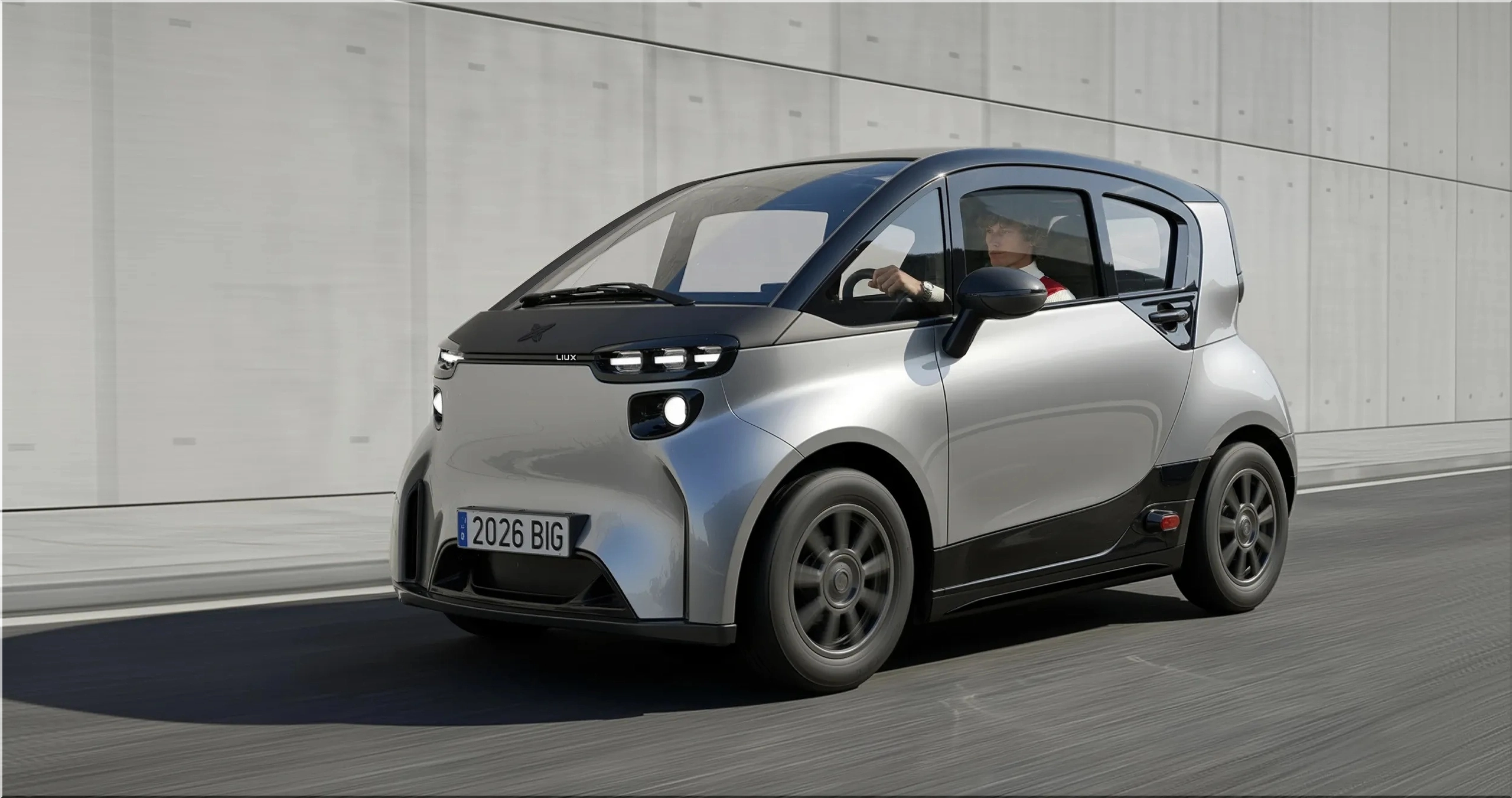
That formula gives the BIG real appeal in the growing L7e quadricycle segment. Cheap 45 km/h microcars work in dense city centers, but they run out of flexibility fast. A heavier, full-size EV solves that problem, yet it also adds cost, charging demand, and footprint. The BIG takes a different route. It keeps dimensions tight, keeps power consumption low, and still promises a top speed that makes wider urban use far more realistic.
What the LIUX BIG brings to the table
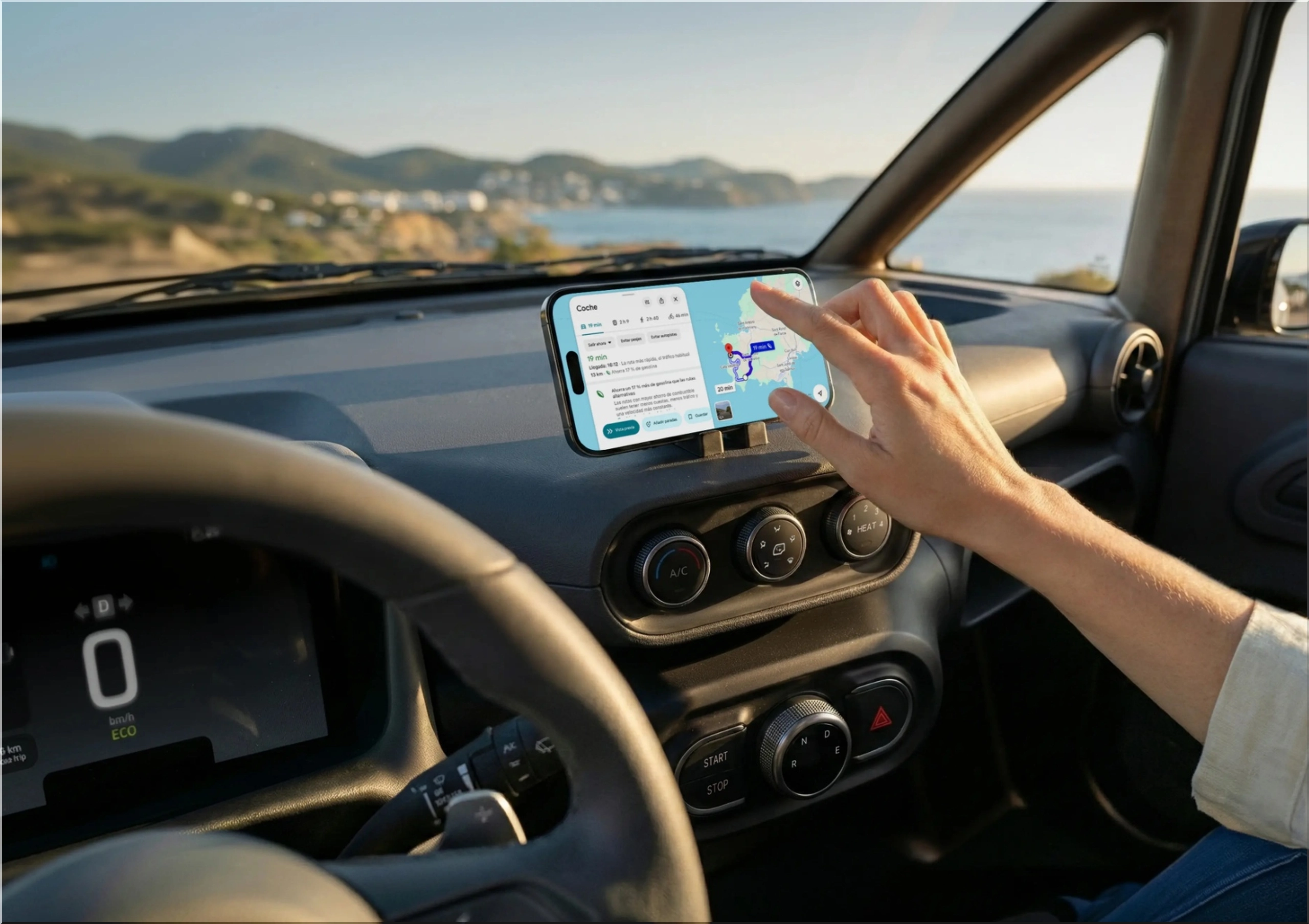
The LIUX BIG packs the kind of numbers that matter in daily use, not just in marketing copy. It stays short enough for cramped streets and small parking spaces, but it also offers enough battery and speed to stretch past the typical city-center bubble.
LIUX BIG key specifications
| Specification | LIUX BIG |
|---|---|
| Vehicle class | L7e heavy quadricycle |
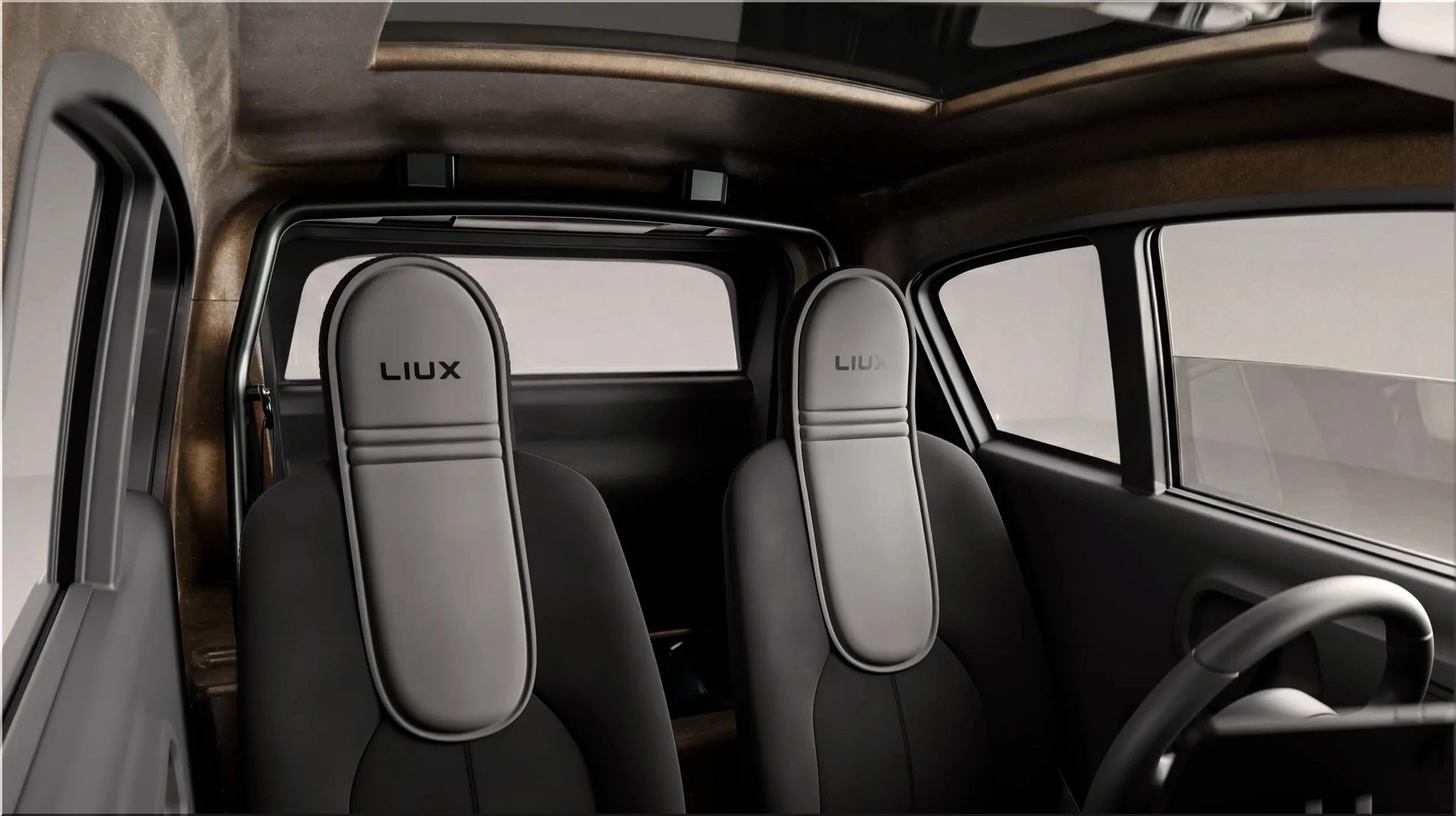
| Seats | 2 |
| Length | 2,700 mm / 106.3 in |
| Width | 1,500 mm / 59.1 in |
| Height | 1,520 mm / 59.8 in |
| Cargo capacity | 240 liters / 8.5 cu ft |
| Weight | 580-600 kg / 1,279-1,323 lb |
| Drive layout | Rear-wheel drive |
| Nominal power | 15 kW |
| Peak power | 35 kW |
| Top speed | 90 km/h / 55.9 mph |
| Battery options | 15 kWh / 20 kWh |
| Claimed range | 215 km / 133.6 mi and 270 km / 167.8 mi |
| Energy use | 7 kWh/100 km |
Those figures tell a clean story. This is a small vehicle, but it does not look trapped by its size. A 90 km/h top speed gives the BIG a much broader operating envelope than the usual 45 km/h urban quadricycle. In addition, the 240-liter trunk makes it easier to treat this as a real commuter tool for groceries, backpacks, work gear, or small deliveries.
Why the engineering logic matters
The smartest thing about the LIUX BIG electric car may be its refusal to chase unnecessary bulk. Many modern EVs carry weight that urban drivers simply do not need. Bigger packs, larger bodies, and extra mass raise cost and energy use before the first kilometer begins. LIUX appears to have started with a different question: what is the lightest, most efficient package that still gives buyers real-world usability?
Specifically, the claimed 7 kWh/100 km consumption figure stands out. That is a very low number by modern EV standards. A vehicle in the 580-600 kg range does not need a giant battery to produce useful range, and that directly improves affordability. Lower weight also helps braking, steering feel, tire wear, and charging cost. From an expert perspective, that is the right recipe for a city-focused EV in Europe.
LIUX also points to lightweight composite construction and flax-based materials as part of its broader strategy. That approach does two things at once. It supports efficiency by keeping curb weight down, and it gives the brand a sharper sustainability angle than many low-volume startups that talk green but still build heavy products.
LIUX BIG vs the familiar quadricycle players
The BIG enters a market where buyers already know the names. The challenge is not awareness. The challenge is offering a better mix of range, top speed, cargo space, and price than the products already parked in the conversation.
LIUX BIG comparison
| Model | Vehicle type | Battery | Claimed range | Top speed | Length |
|---|---|---|---|---|---|
| LIUX BIG | L7e quadricycle | 15 or 20 kWh | 215 km / 270 km | 90 km/h | 2,700 mm |
| Citroen Ami | Light urban microcar | 5.5 kWh | 75 km | 45 km/h | 2,410 mm |
| Fiat Topolino | Light urban microcar | 5.4 kWh | 75 km | 45 km/h | 2,530 mm |
| Microlino | L7e quadricycle | Up to 15 kWh | Up to 228 km | 90 km/h | 2,519 mm |
By comparison, the Citroen Ami and Fiat Topolino still make sense for short, low-speed city errands. They are simple, recognizable, and easy to park. Their weakness remains obvious: 45 km/h limits where and how comfortably you can drive them.
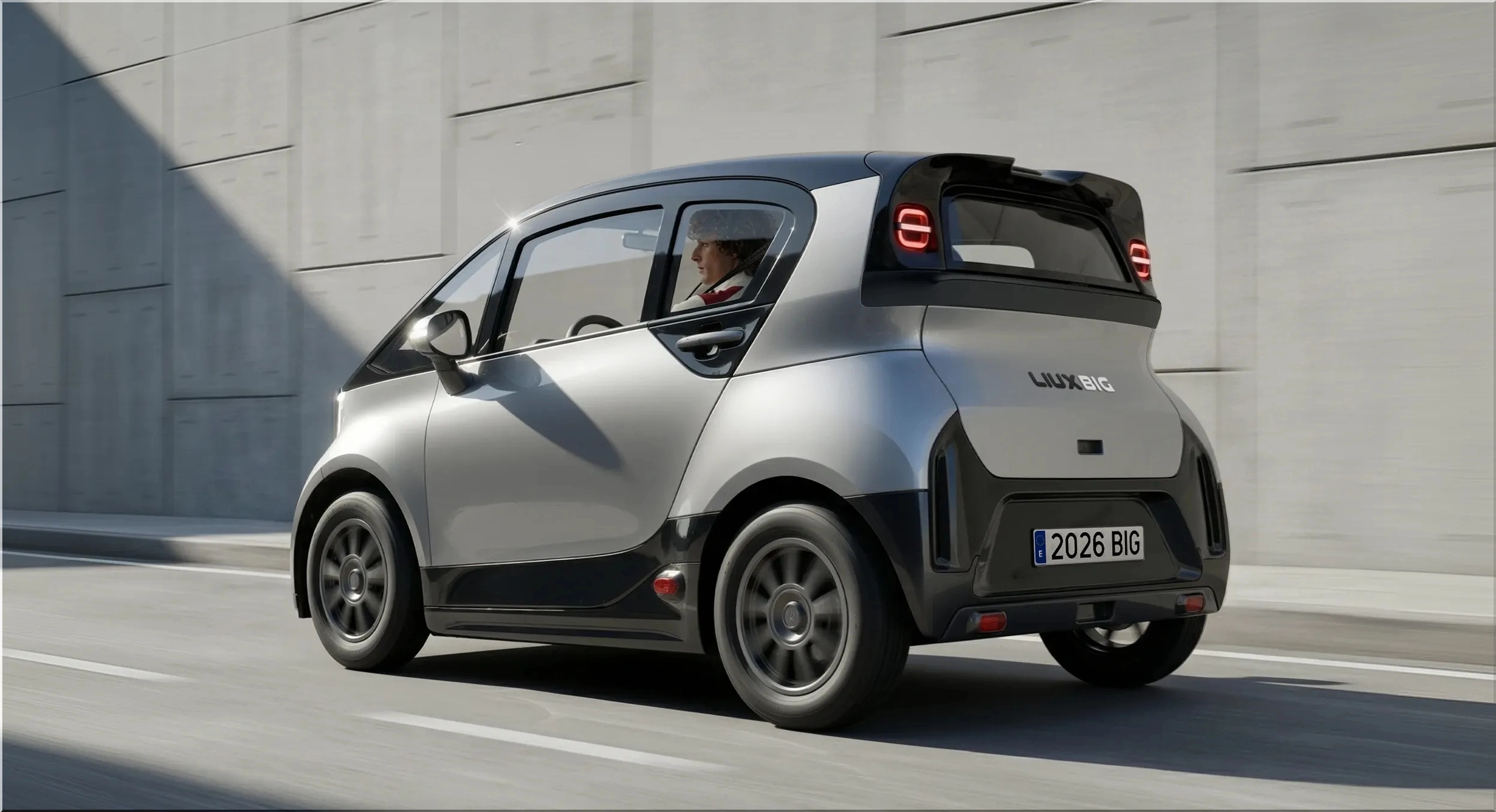
The Microlino lands much closer to the BIG in mission and performance. It also reaches 90 km/h and offers competitive range. The LIUX answer appears to be a slightly longer, more hatchback-like package with stronger practicality and a price positioned to stay aggressive. That could give the BIG a useful advantage with commuters who want more than novelty and less than a full-size EV.
EU approval changes the tone
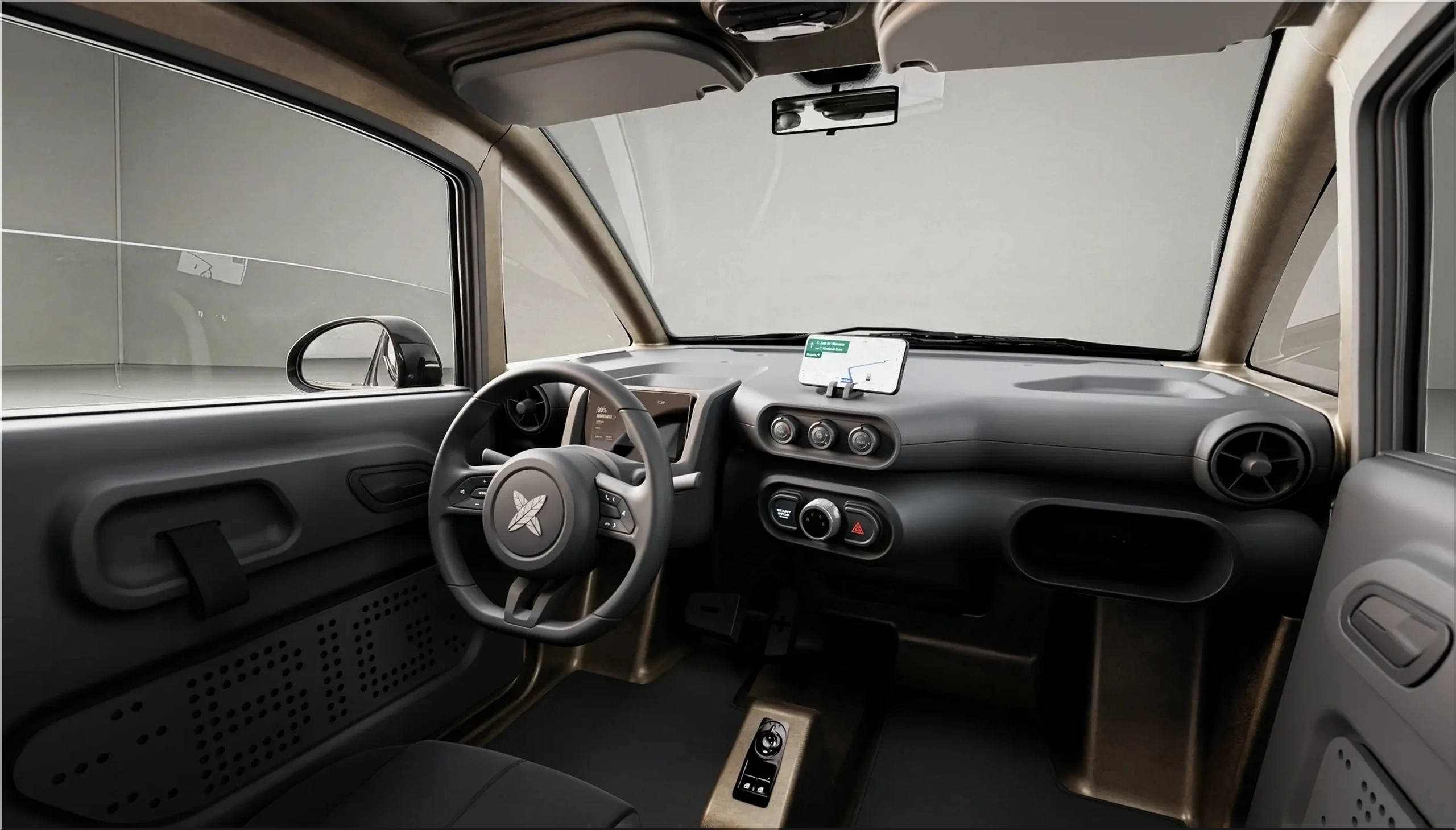
Homologation matters because it moves a startup from concept theater toward actual market relevance. A flashy prototype can generate attention, but EU approval gives the project weight. It suggests the BIG has crossed a major technical and regulatory hurdle on the road to production.
That does not mean every risk disappears. Production timing, supplier consistency, service coverage, spare parts, and quality control still decide the long game. Startups often look strongest right before the difficult part begins. Consequently, the BIG now faces the test that separates serious entrants from interesting headlines: building vehicles at scale and supporting them after delivery.
Who should pay attention to the LIUX BIG
The BIG makes the most sense for buyers who need a small footprint but refuse to accept very low speed limits. It also fits urban businesses that want low operating costs without stepping into the expense of a conventional electric hatchback.
Here are the use cases where the LIUX BIG looks strongest:
- Urban commuters who need compact dimensions and real range
- Suburban edge drivers who need more than 45 km/h capability
- Small delivery operators focused on low energy cost
- City households that want a second EV for short and medium daily trips
Pro-Tip: read the value equation correctly
Do not judge the BIG by size alone. Judge it by energy use, speed, range, and practicality per dollar. A compact EV with a 20 kWh battery, 270 km claimed range, and 90 km/h top speed can cover a surprisingly wide slice of real-world driving while using far less material and electricity than a conventional electric car.
What now?
The LIUX BIG electric quadricycle looks promising because it attacks the problem with discipline. It does not rely on gimmicks. It relies on low mass, tight packaging, useful range, and a price that stays within reach of buyers who would never stretch to a larger EV.
If LIUX can move from approval to consistent 2026 production, the BIG could become one of the most compelling new entries in the European electric quadricycle market. The ingredients are there: L7e classification, 90 km/h capability, up to 270 km of claimed range, and a projected price below $20,800. In a segment that often asks buyers to accept hard compromises, that is a very sharp opening move.
- Add new comment
- 228 views