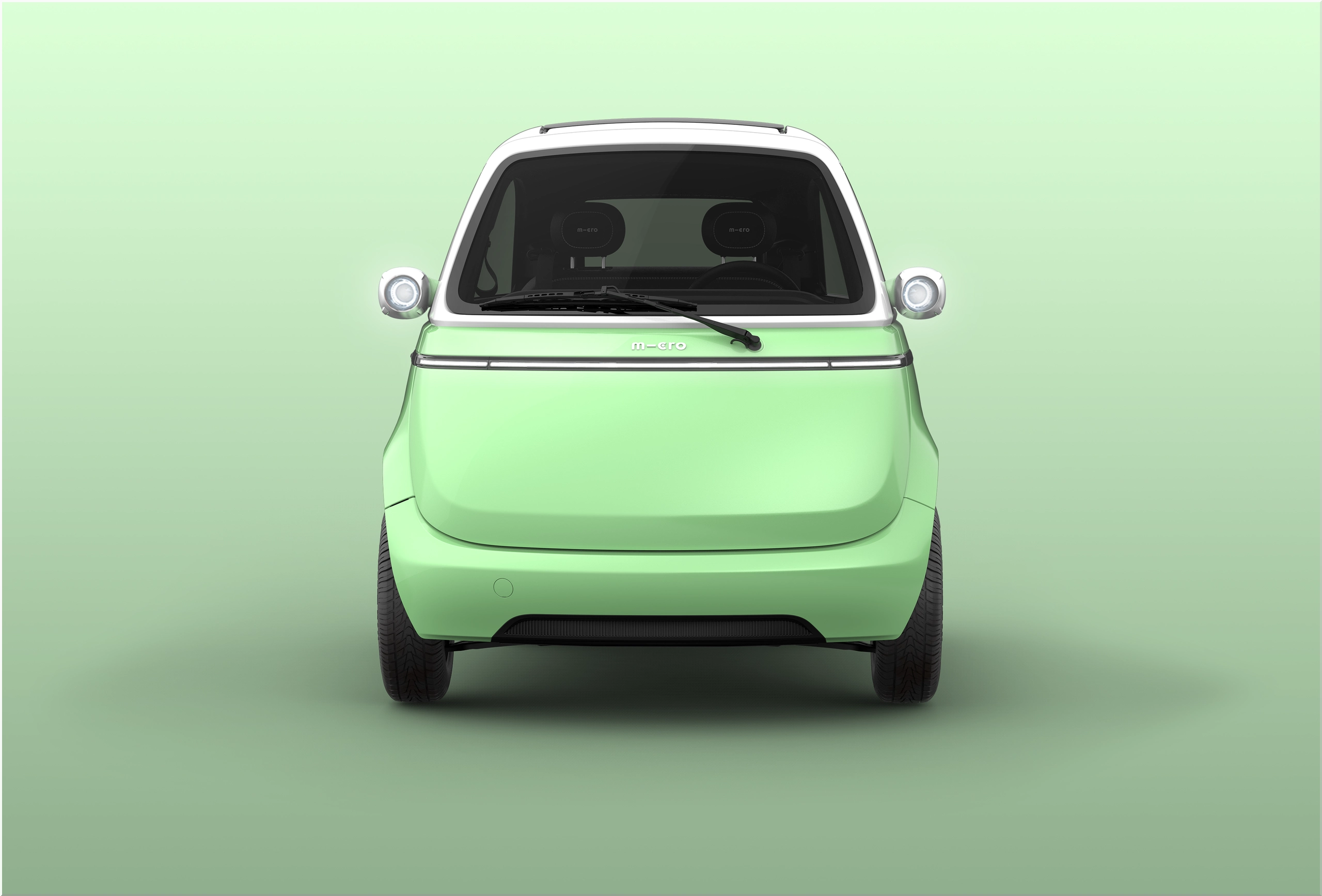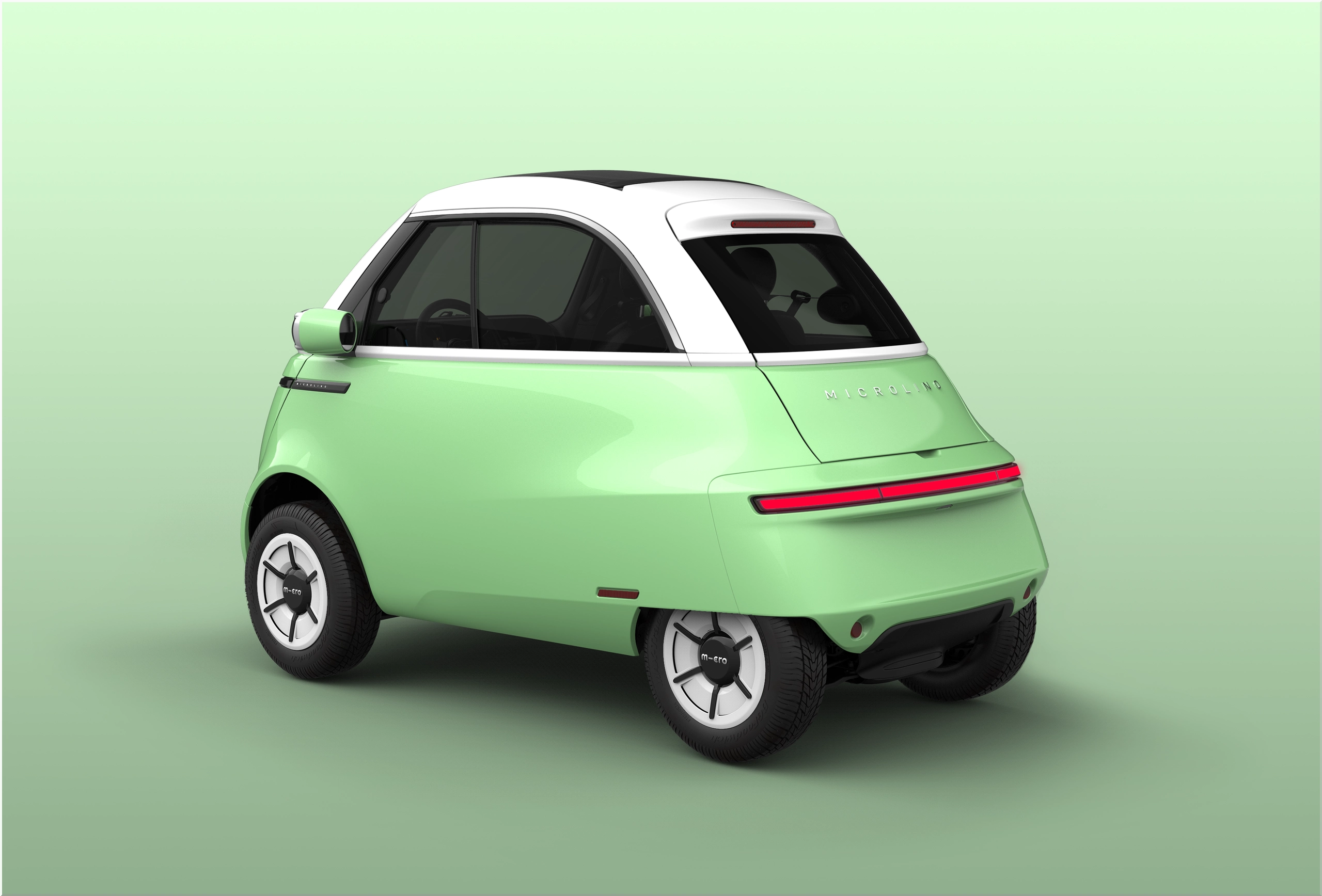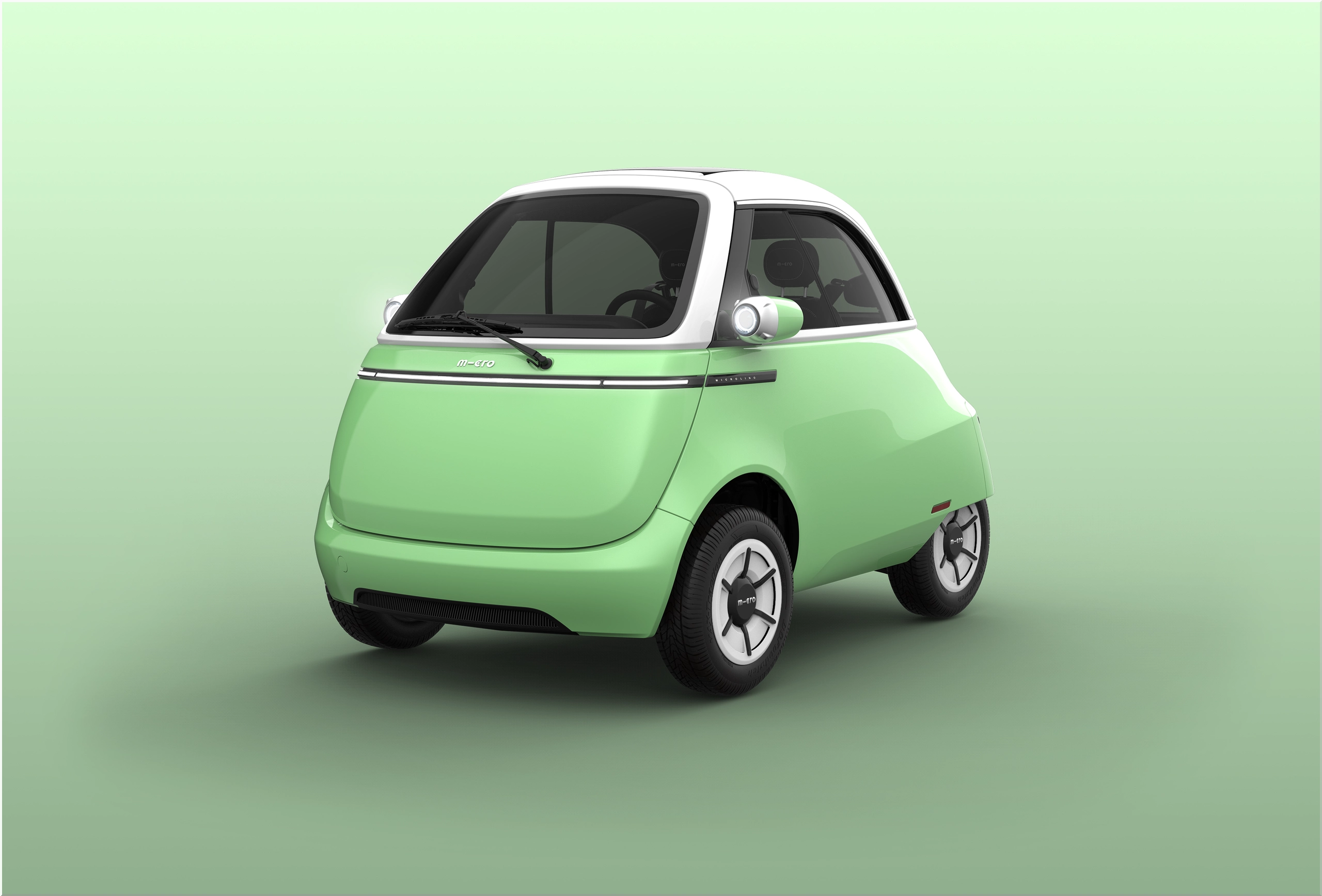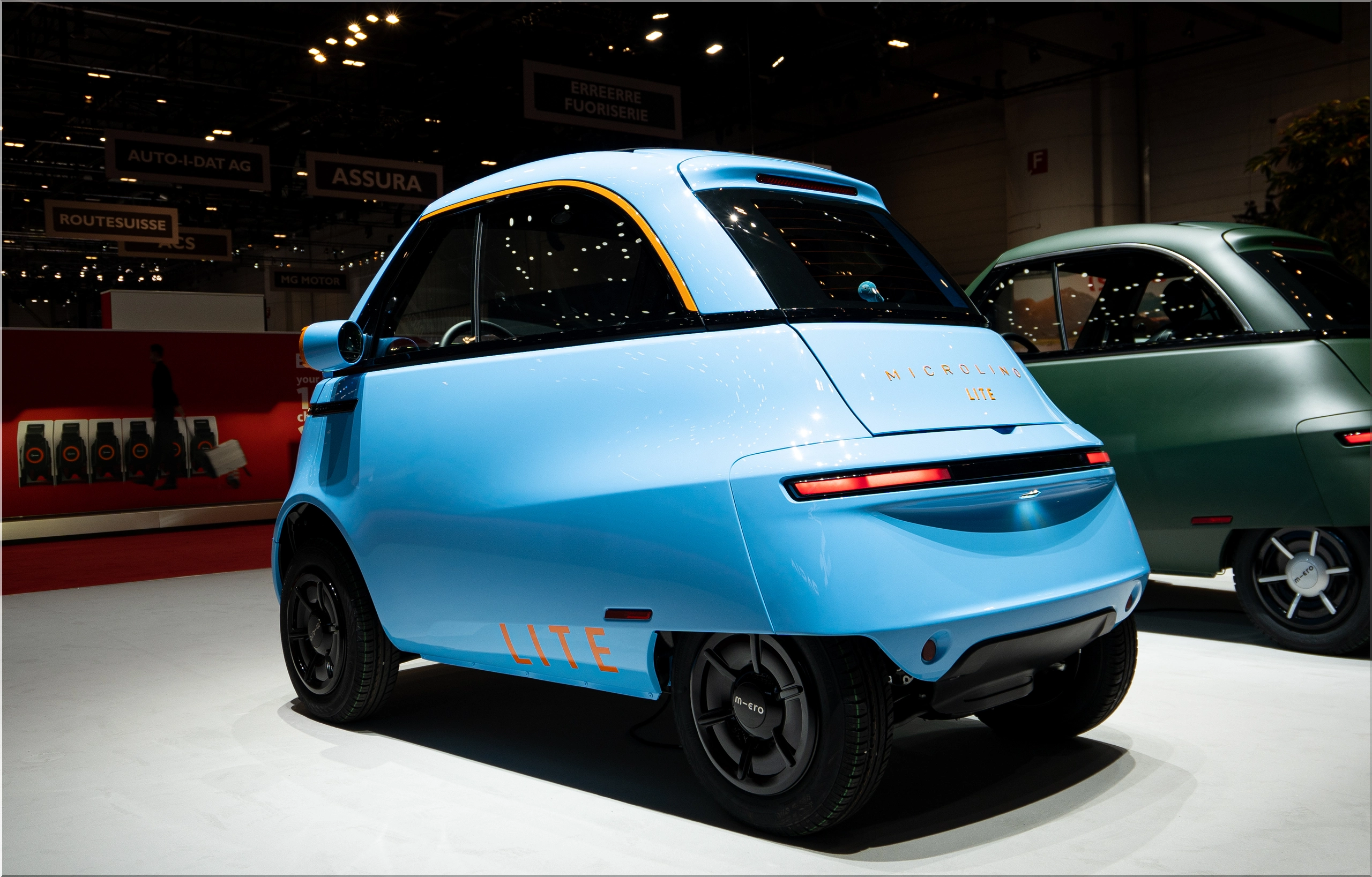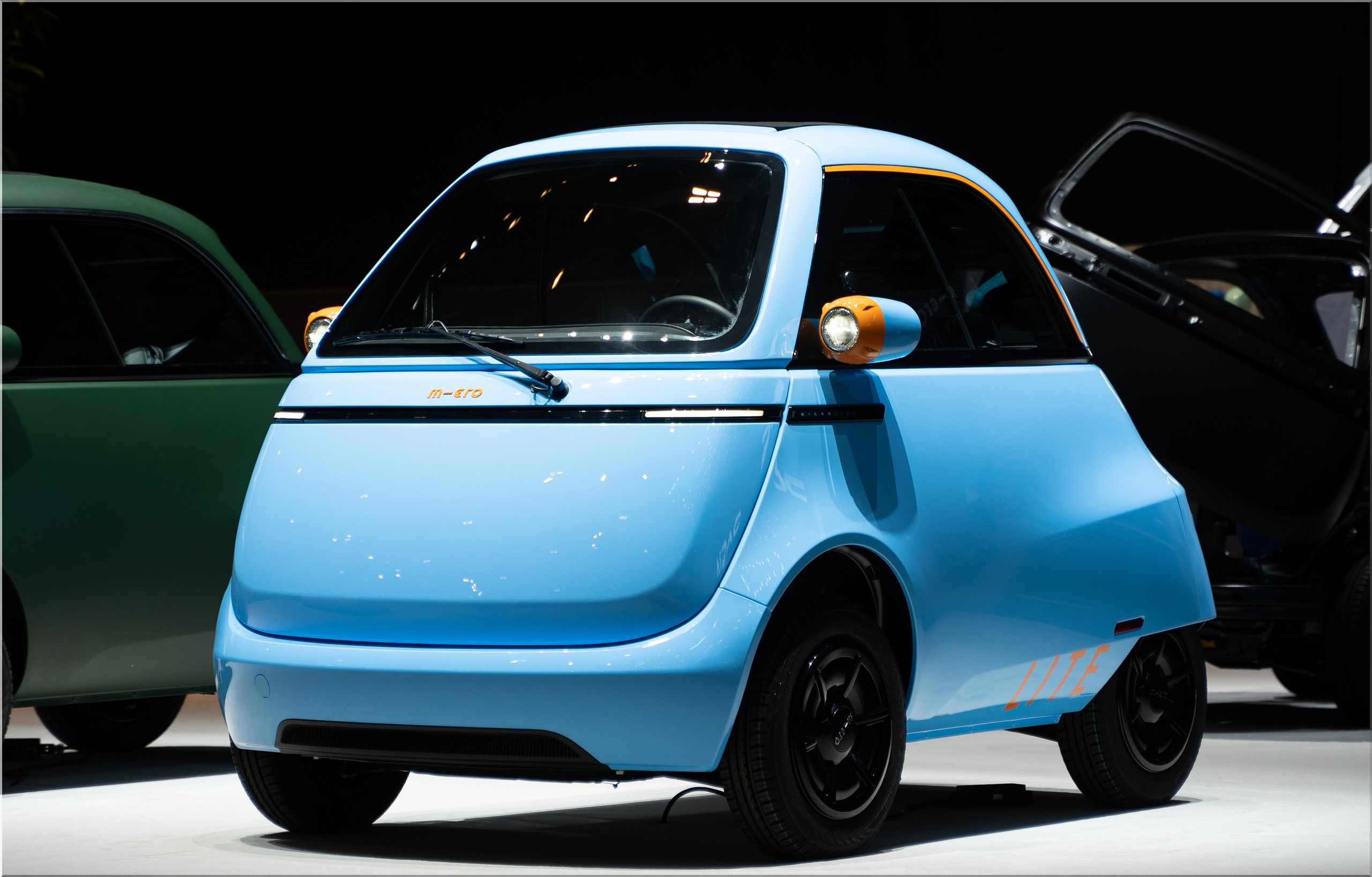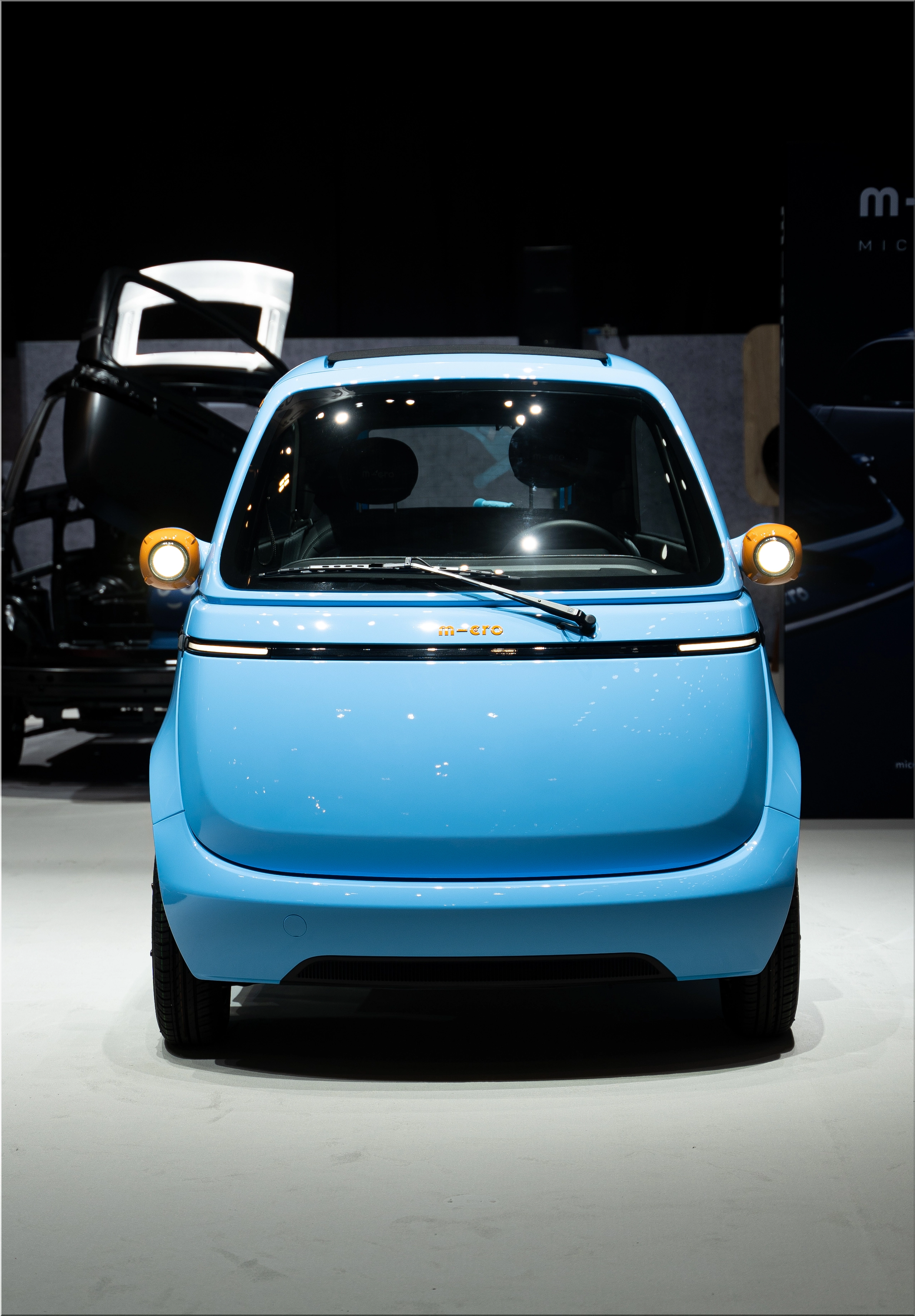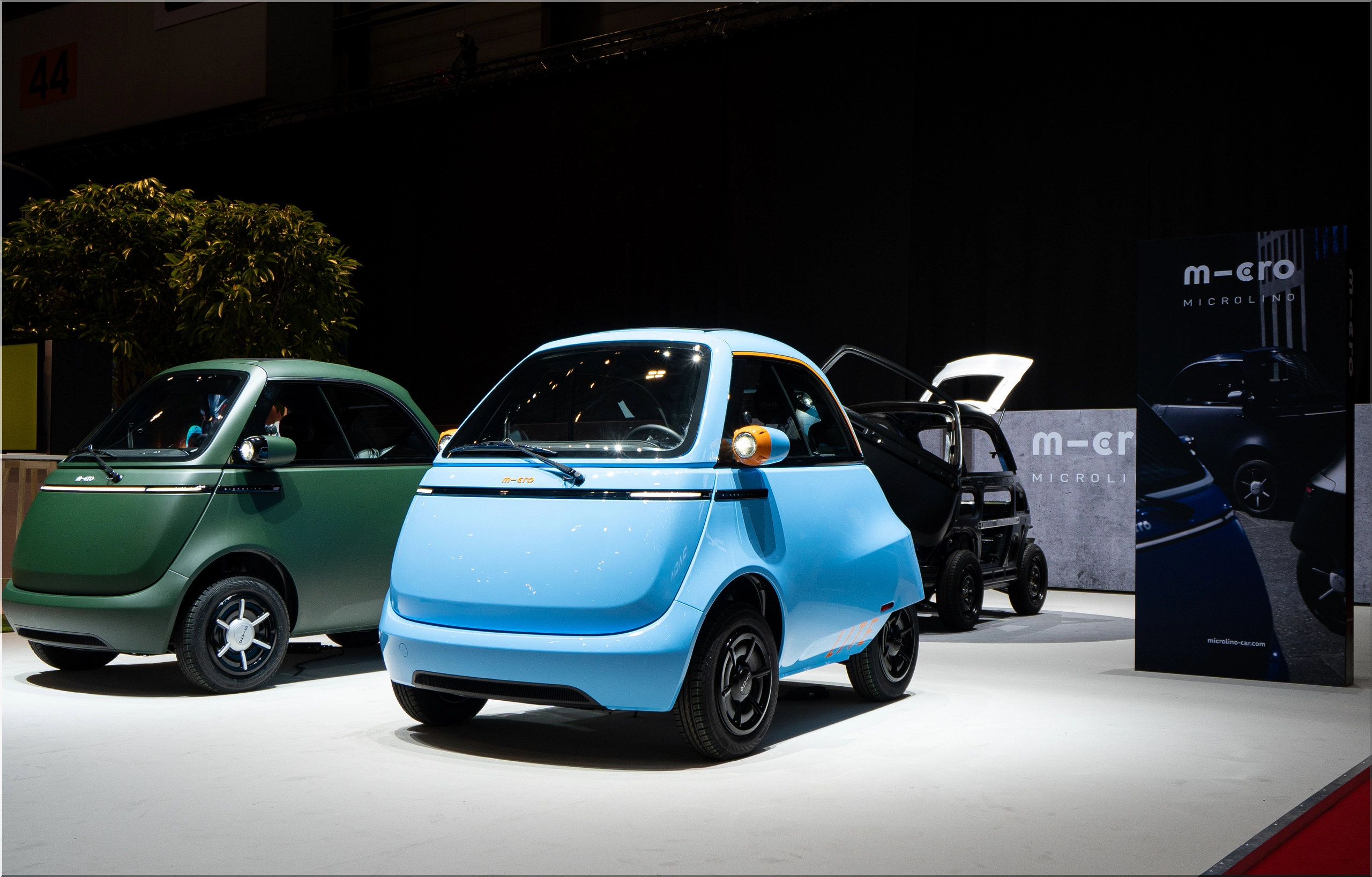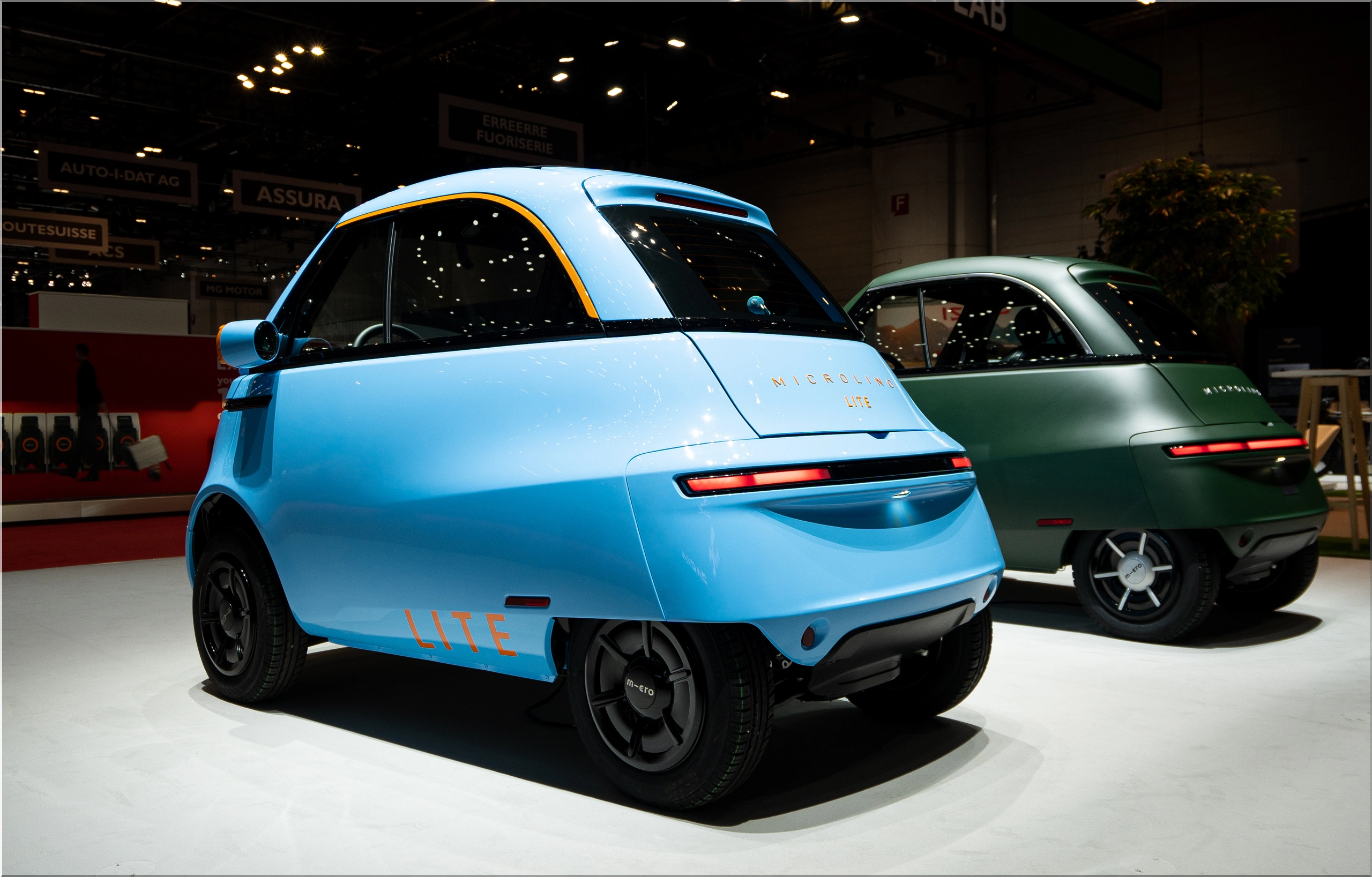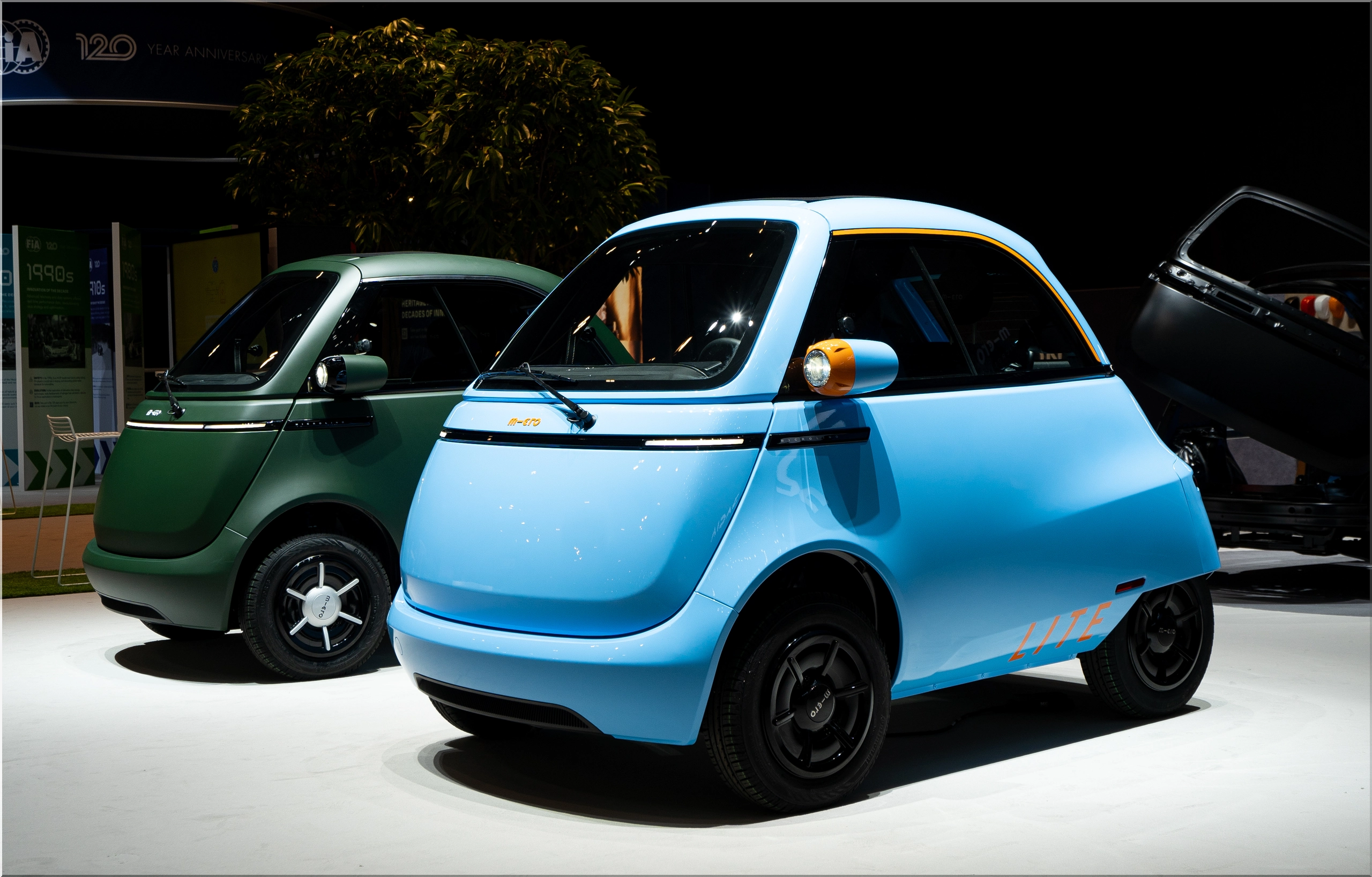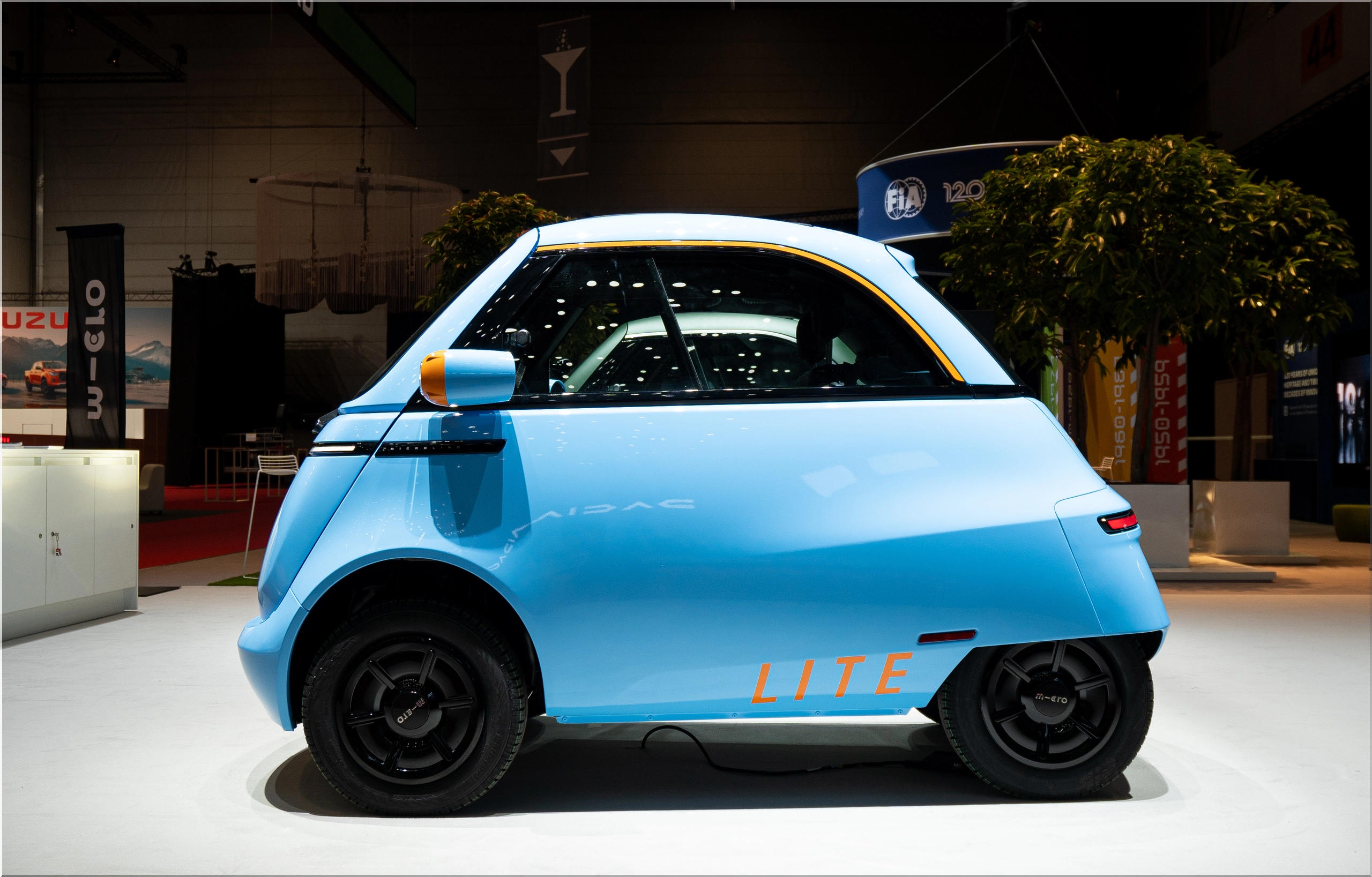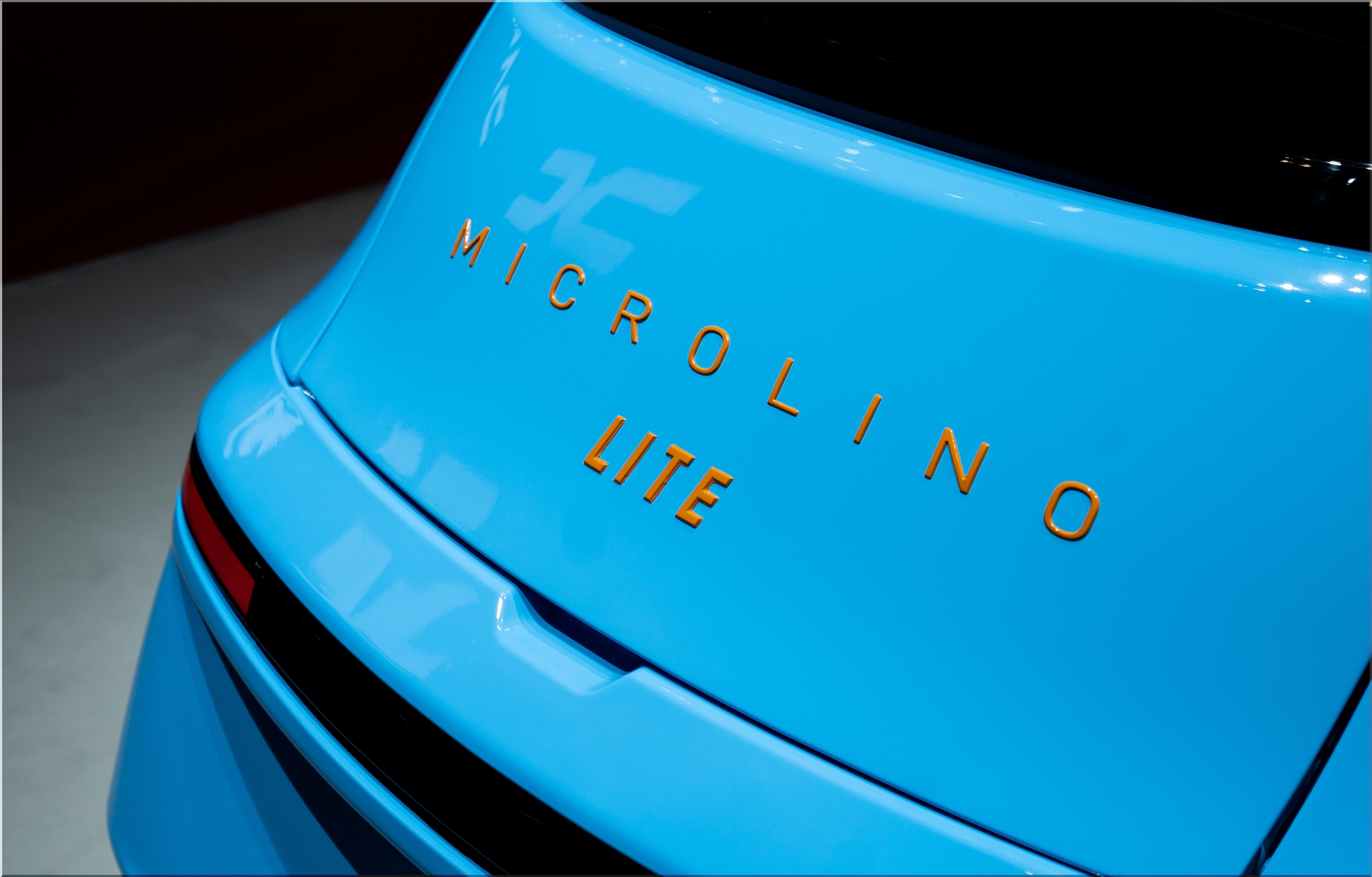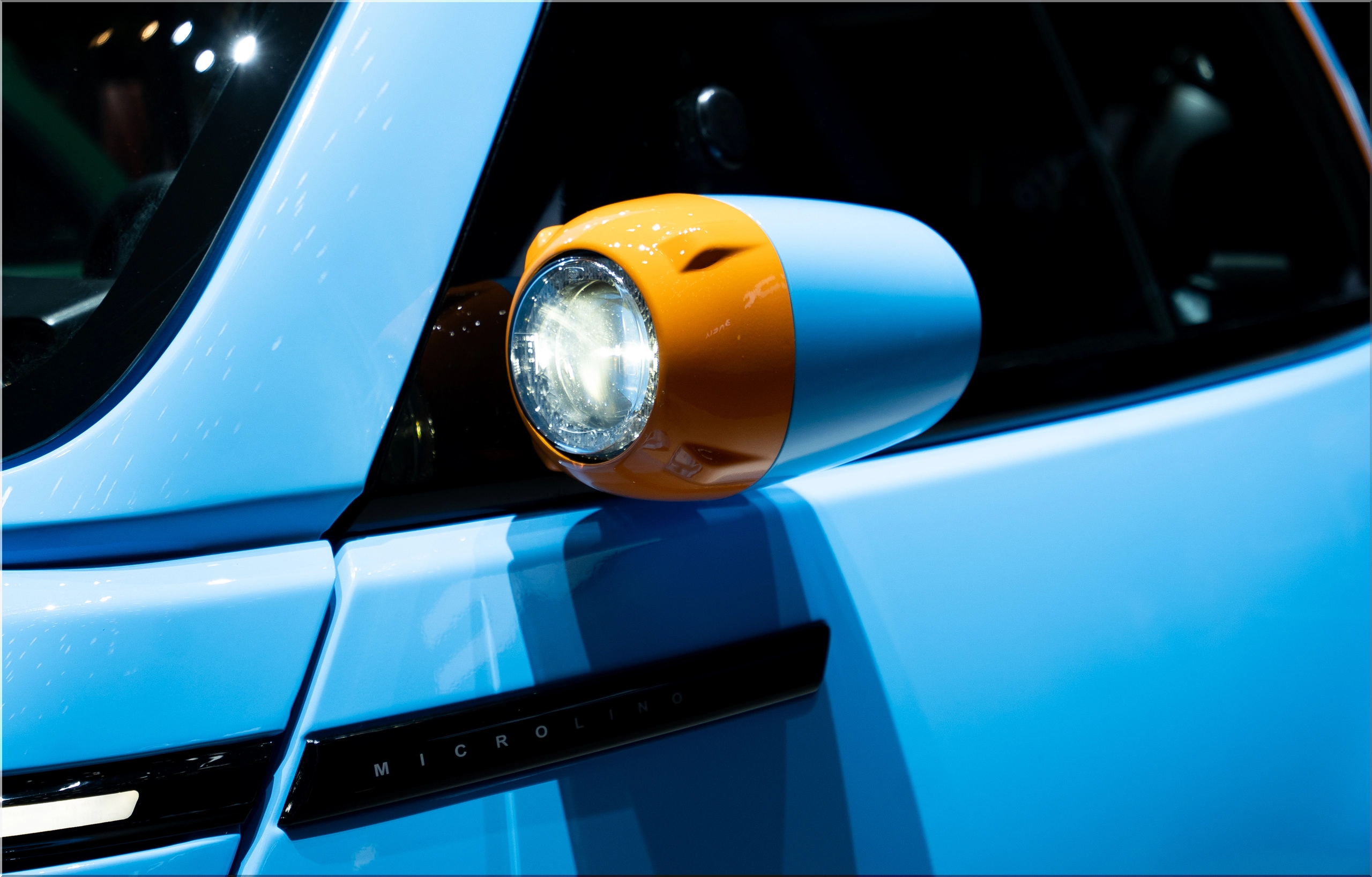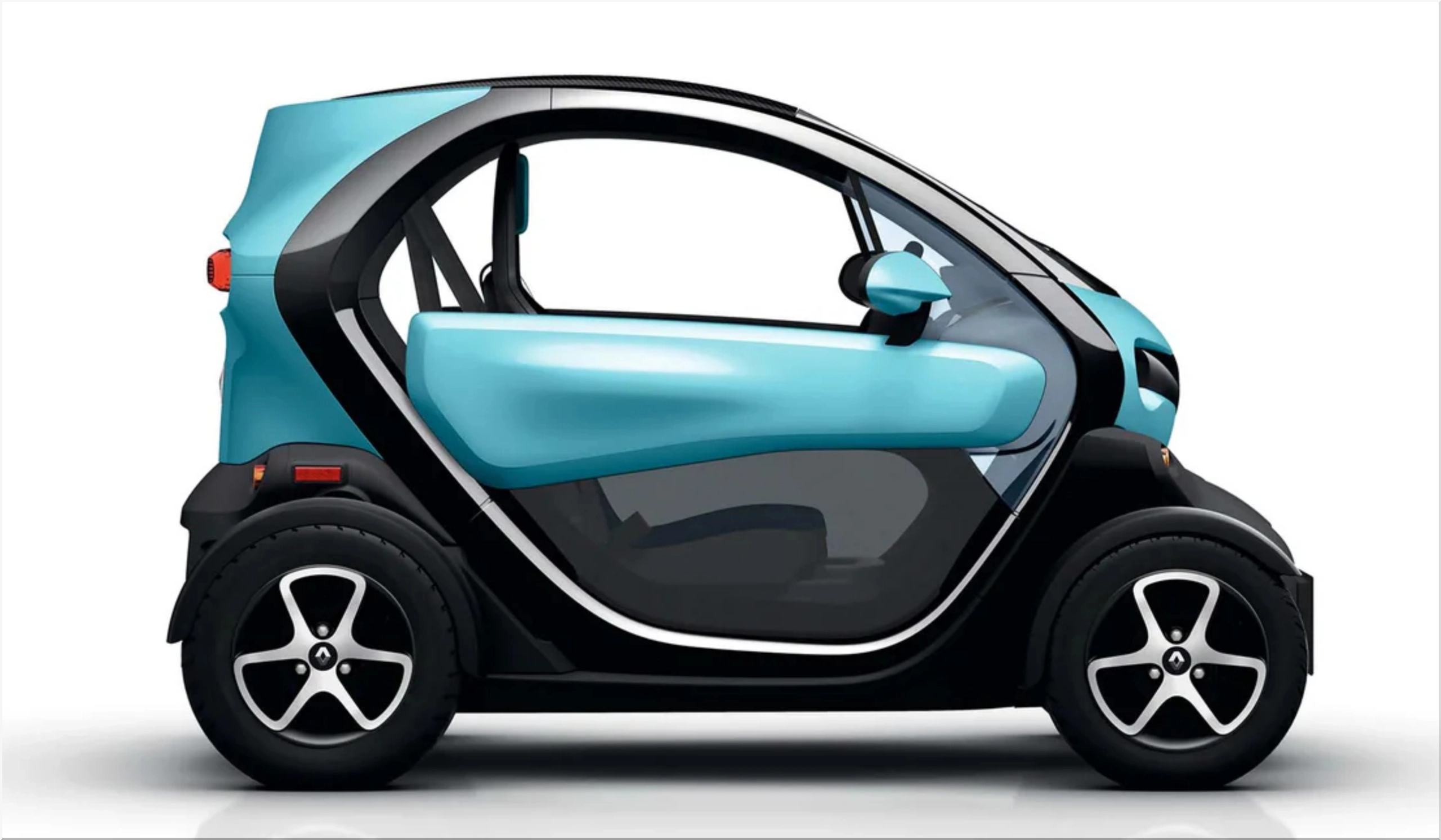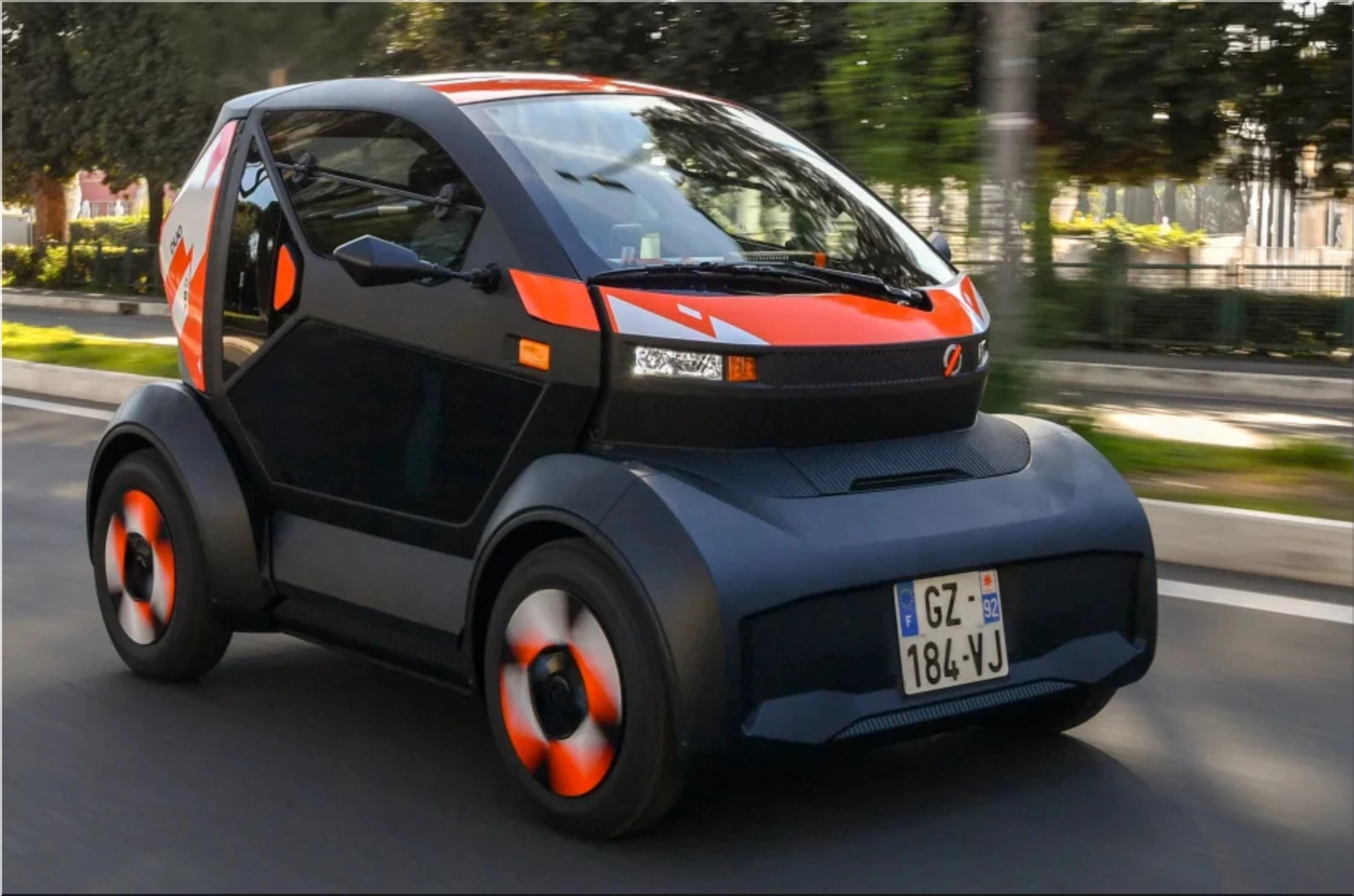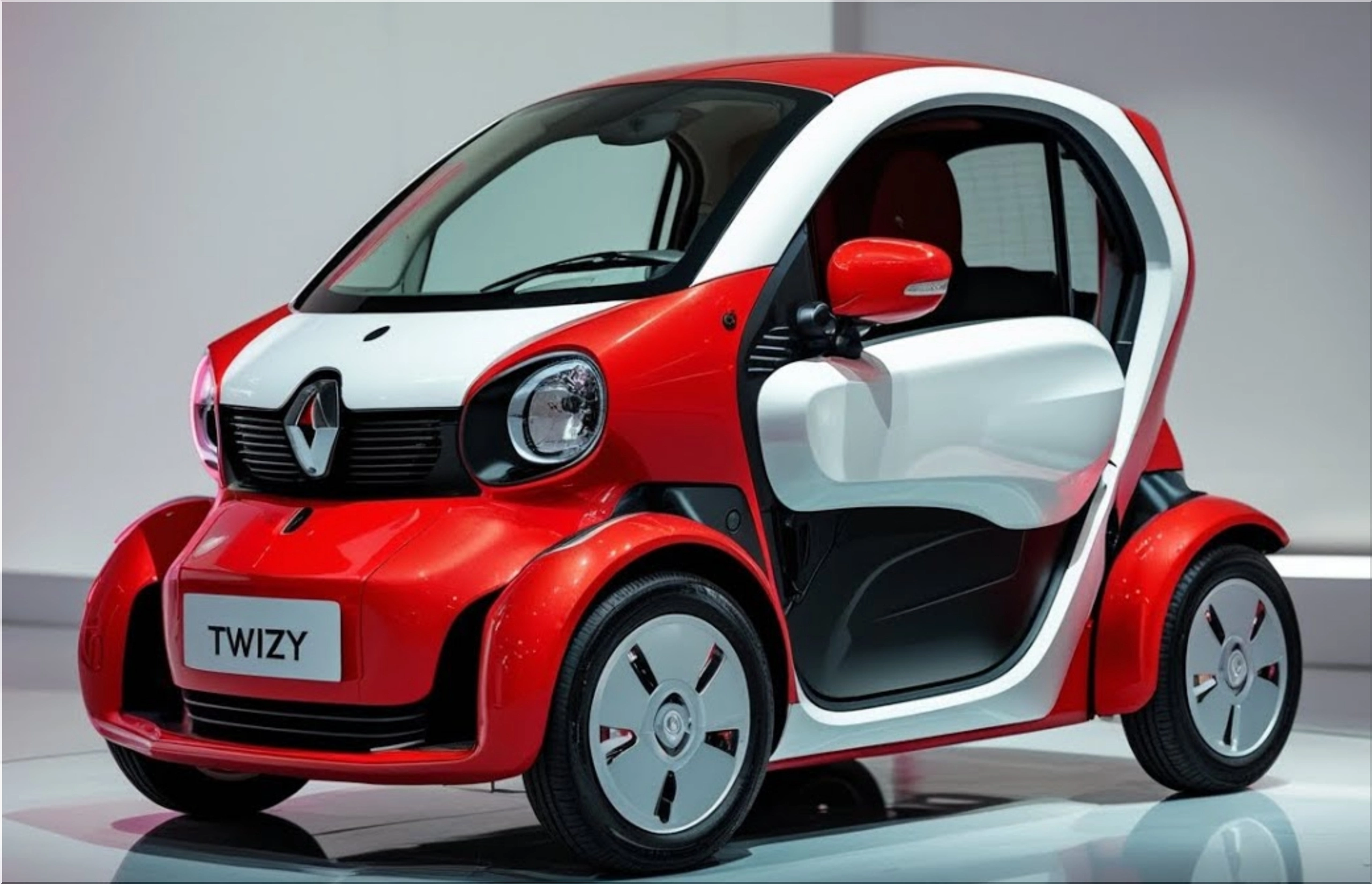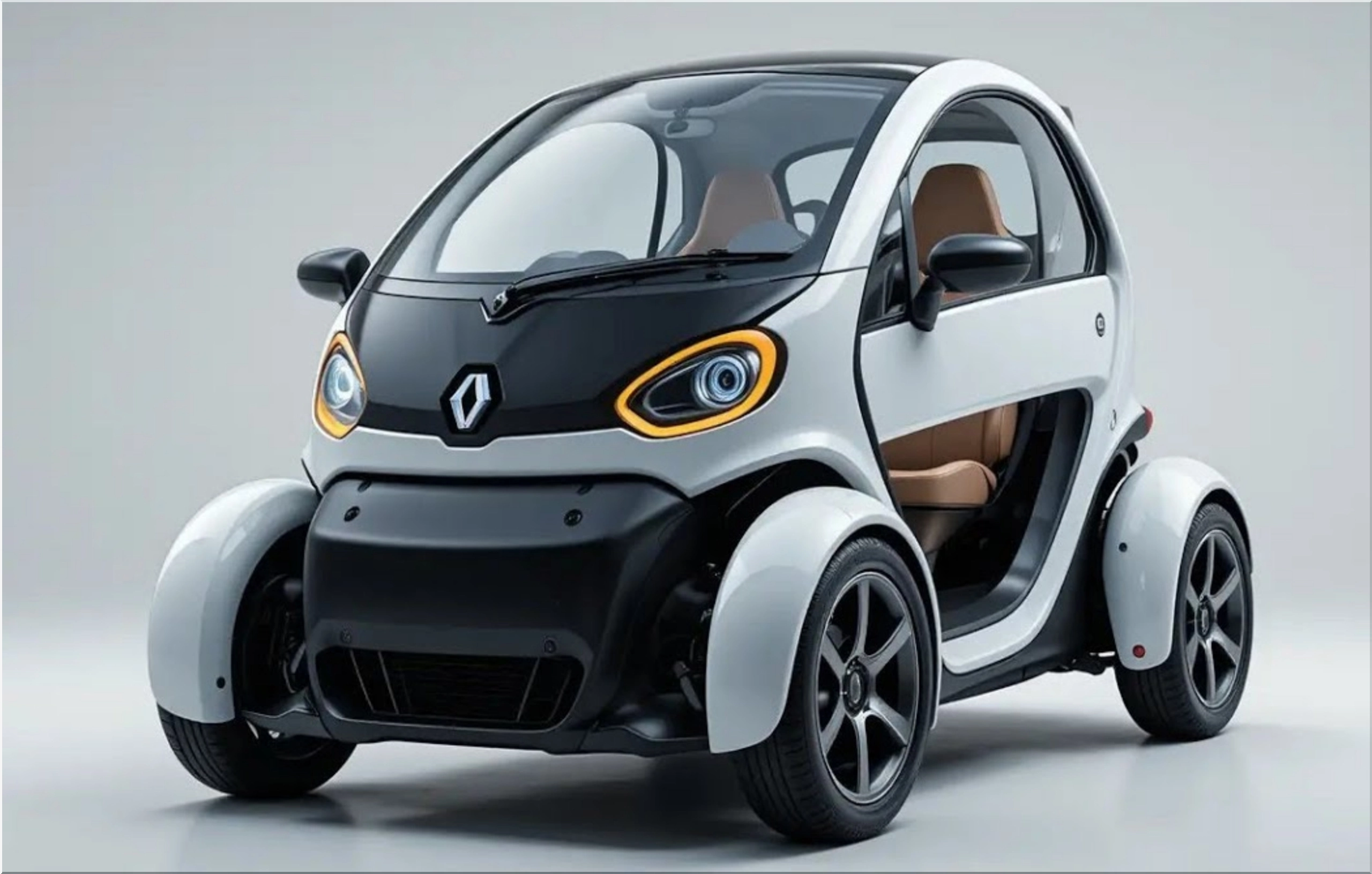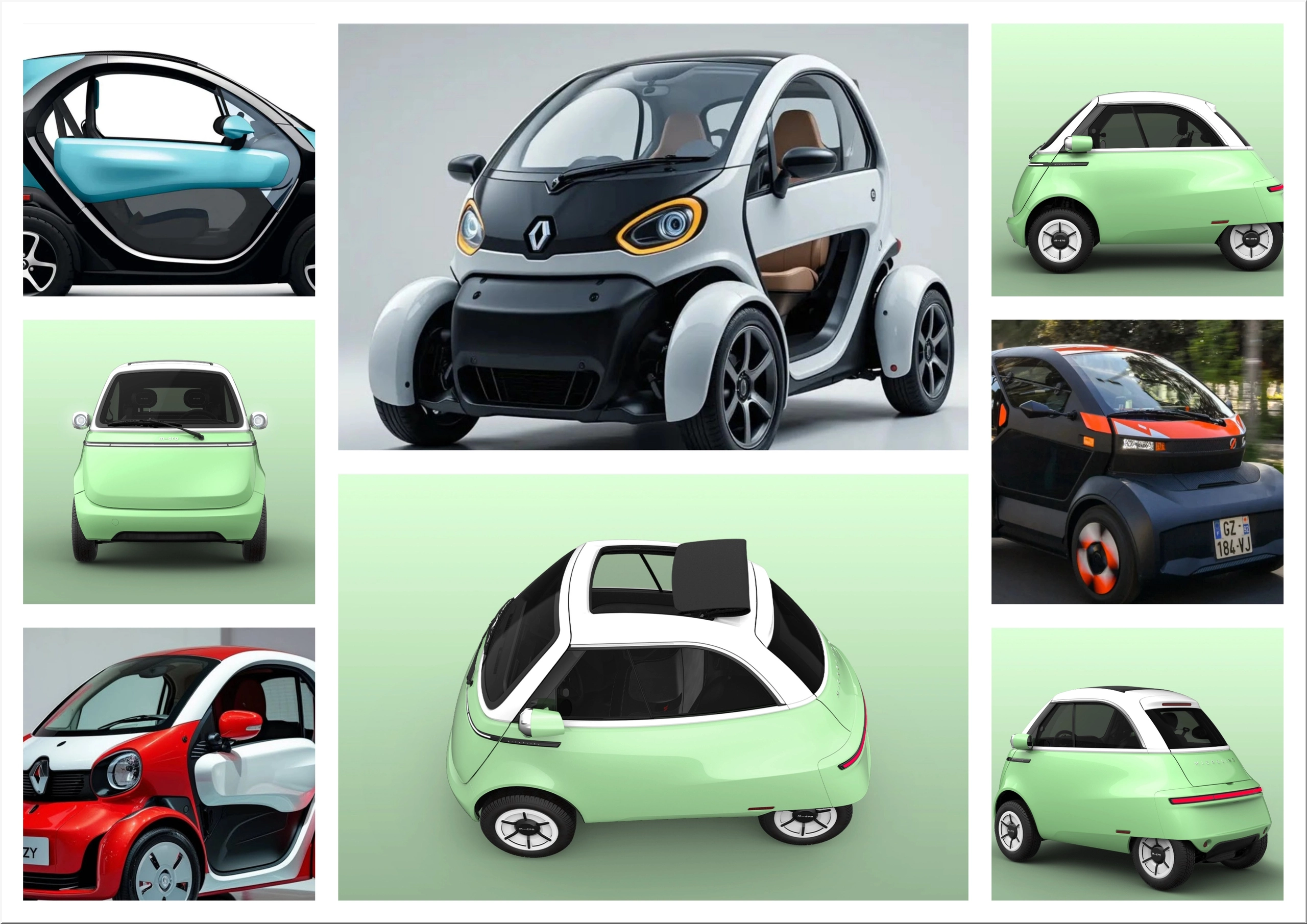
If your daily driving lives on city streets, both the Microlino and Renault Twizy can feel like cheat codes: tiny footprint, low running costs, and easy charging. The split happens the moment your route touches faster ring roads, suburban connectors, or those awkward 60–80 km/h stretches that are not quite motorway, but not really city either.
This comparison focuses on three decision-makers that actually change ownership: speed headroom, usable storage, and highway-adjacent usability (how the vehicle behaves on faster perimeter roads that sit around real traffic speeds).
Quick verdict
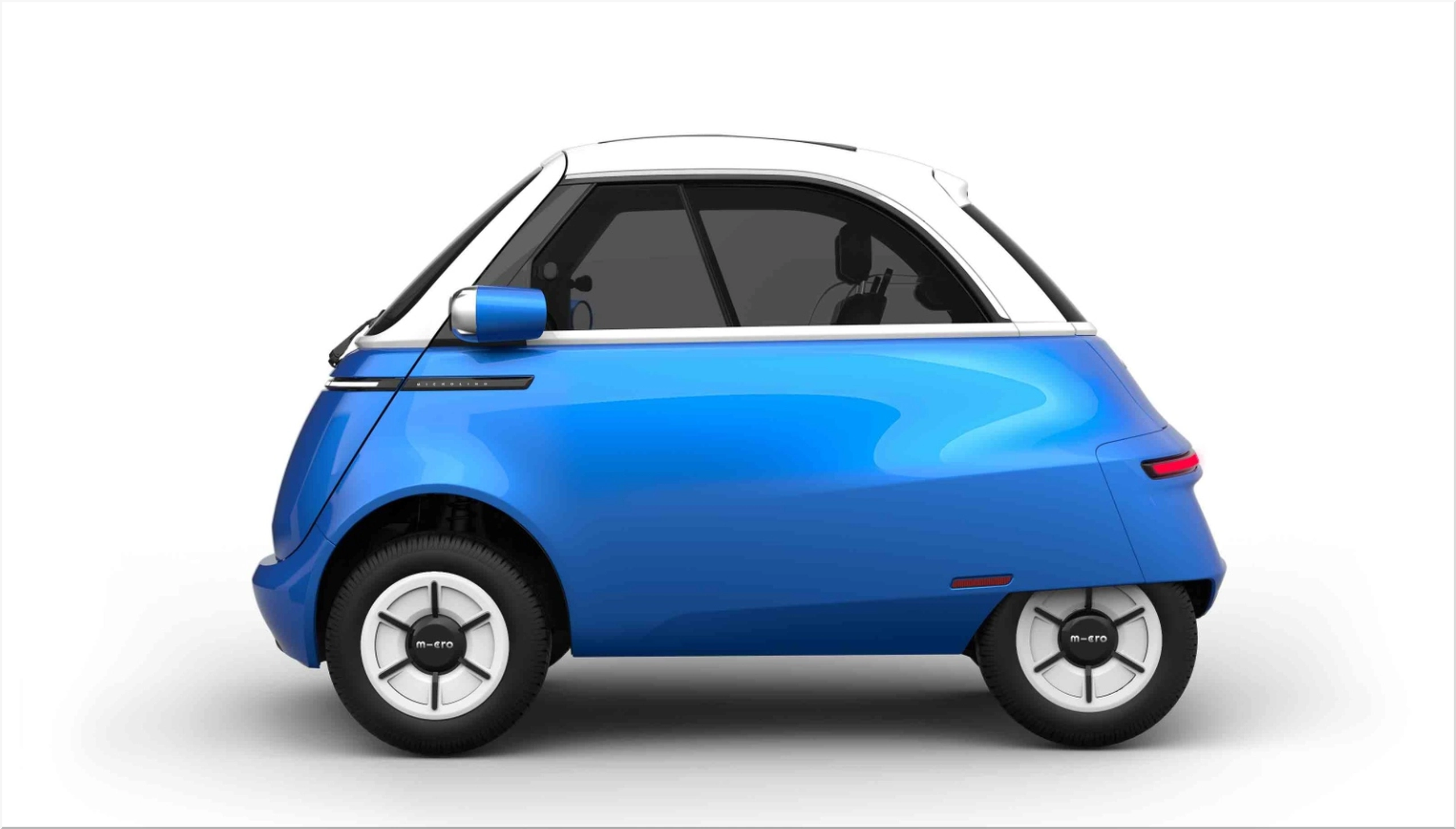
- Choose Microlino if you need more speed headroom, a real trunk, and a cabin that feels closer to a microcar for mixed urban/suburban routes.
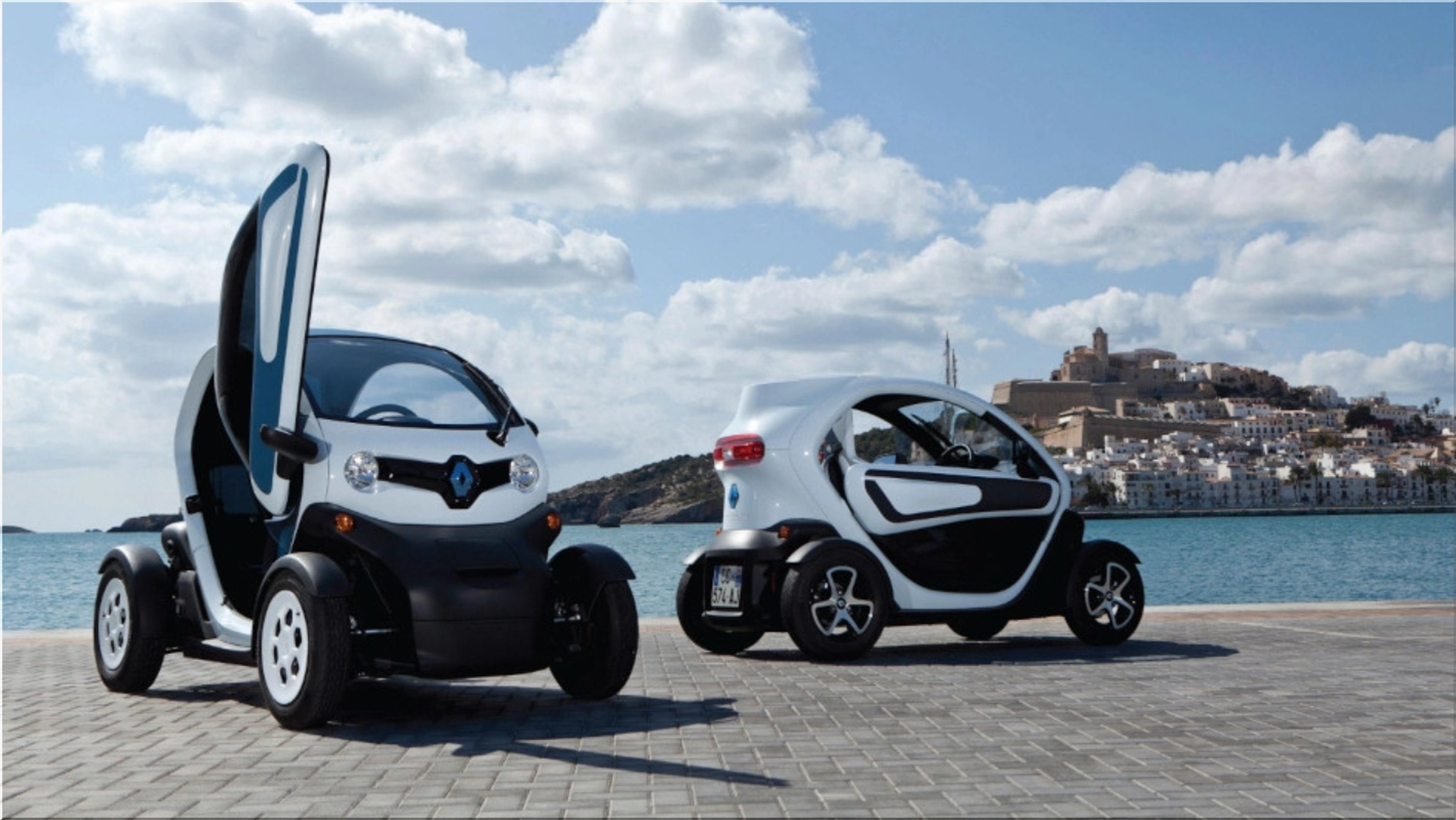
- Choose Twizy if you want the narrowest footprint, the most playful low-speed handling, and you are happy to treat storage and weather protection as optional projects.
Definitions
- L6e (light quadricycle): typically capped at 45 km/h.
- L7e (heavy quadricycle): higher power allowance and higher top speeds (still not a full passenger car category).
- Highway-adjacent use: faster perimeter roads, ring roads, and connectors that often run 60–90 km/h, without being true motorway driving.
Pro-Tip: In many places, the biggest limiter is not the vehicle's top speed. It is road access rules and minimum-speed restrictions on certain roads. Always verify your exact route rules locally.
Microlino vs Twizy at a glance
| Category | Microlino (typical L7e variant) | Renault Twizy 45 | Renault Twizy 80 |
|---|---|---|---|
| Top speed | About 90 km/h | 45 km/h | 80 km/h |
| Speed headroom for faster traffic | Strong | None | Moderate |
| Storage | A real trunk (around 230 L) | Minimal | Minimal |
| Cabin weather protection | Full microcar-style cabin | Often drafty without window kit | Often drafty without window kit |
| Best match | City + suburban connectors | Pure city grids | City + limited faster links |
Speed: where each one feels confident
Microlino: more headroom, less stress
Microlino's core advantage is speed headroom. Even if you rarely drive at the top end, that extra buffer changes the feel of the vehicle on perimeter roads. You spend less time pinned at full throttle and more time driving with margin.
What this means day to day:
- Easier merging into 60–80 km/h flows (where allowed)
- Less "rolling chicane" anxiety on faster connectors
- More flexibility if your commute occasionally shifts routes
Twizy 45: city-only by design
Twizy 45 works brilliantly when your world is built from 30–50 km/h streets. It feels lively off the line and easy to place in tight gaps, but it cannot keep pace once speeds rise. That is not a flaw. It is the point.
Expect:
- Stress-free inside dense city grids
- Route limitations the moment speed limits climb
- A commute that must be planned around slower roads
Twizy 80: the usable middle ground (with caveats)
Twizy 80 adds a meaningful step in capability. It is still not a "fast road" machine, but it can handle certain suburban links better than the 45.
You get:
- More real-world routing options than L6e
- Better ability to hold pace on 60–70 km/h roads
- Less comfort margin at sustained speed than Microlino
Pro-Tip: If your route regularly runs 70–80 km/h and traffic sits right at the limit, Microlino will usually feel calmer. Twizy 80 can do it, but it asks more from the driver.
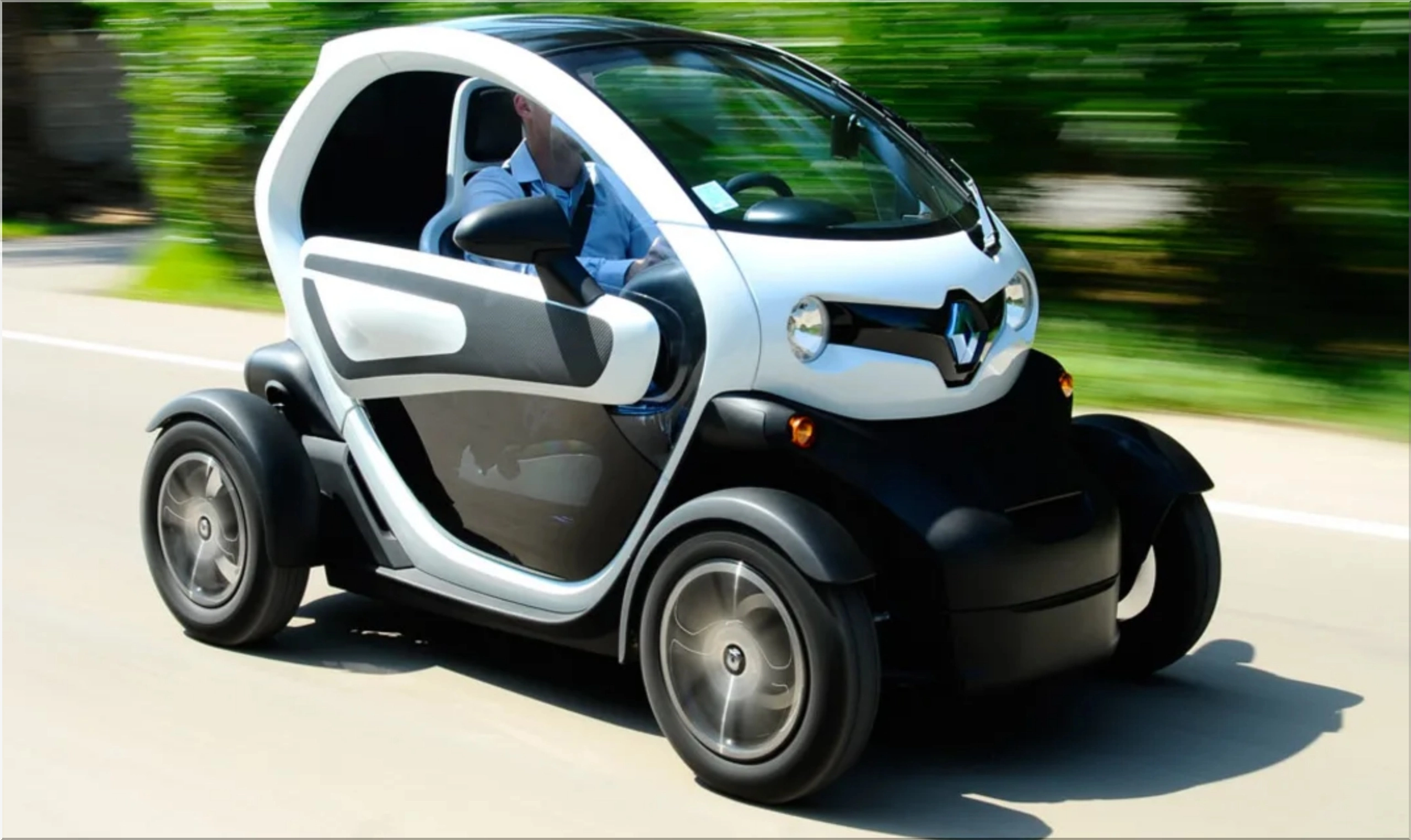
Storage: the difference between a fun toy and a daily tool
Microlino: a trunk you will actually use
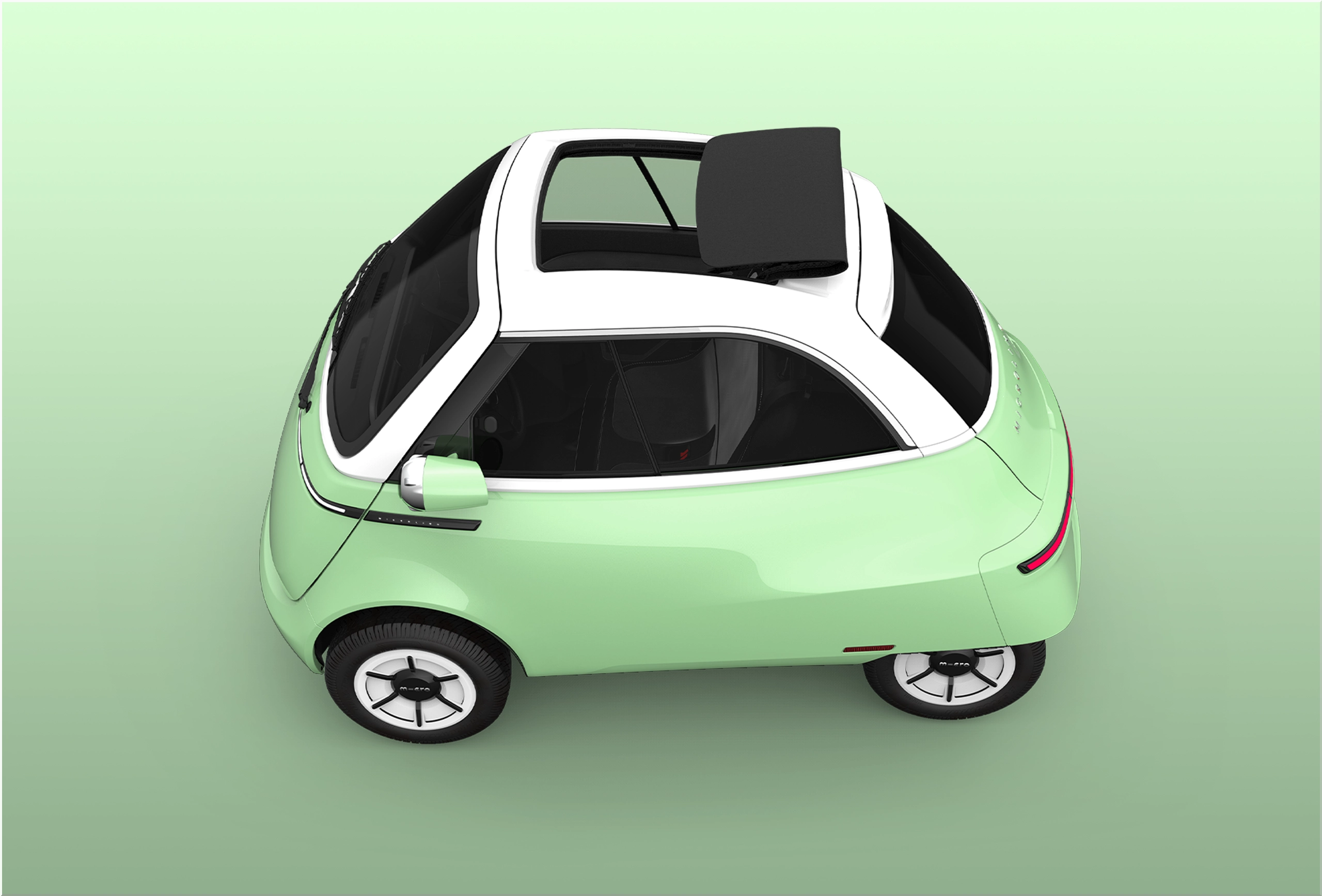
Microlino's trunk changes the ownership experience. Groceries, a backpack plus gym bag, small deliveries, or a weekly shop become normal tasks, not puzzles.
Best-case uses:
- Daily errands without extra bags strapped in the cabin
- Small luggage for two on short trips
- Cleaner cabin (less clutter, fewer loose items)
Twizy: minimal storage unless you plan around it
Twizy gives you a small storage allowance by default. You can manage daily carry with:
- A backpack
- A slim tote
- Strategic use of the passenger seat (if riding solo)
If you need real utility, the Twizy Cargo layout (or cargo solutions) can help, but it is still a narrow, minimalist platform.
What to expect:
- Great for solo commuting with light carry
- Weak for shopping, gear-heavy hobbies, or two-person errands
- More reliance on accessories and planning
Pro-Tip: If you will carry anything that can become a projectile in hard braking, prioritize models and setups that let you secure items properly.
Highway-adjacent use: stability, visibility, and driver workload
This is where the comparison gets real. Not because either vehicle is "unsafe," but because the driver workload rises quickly when speeds rise.
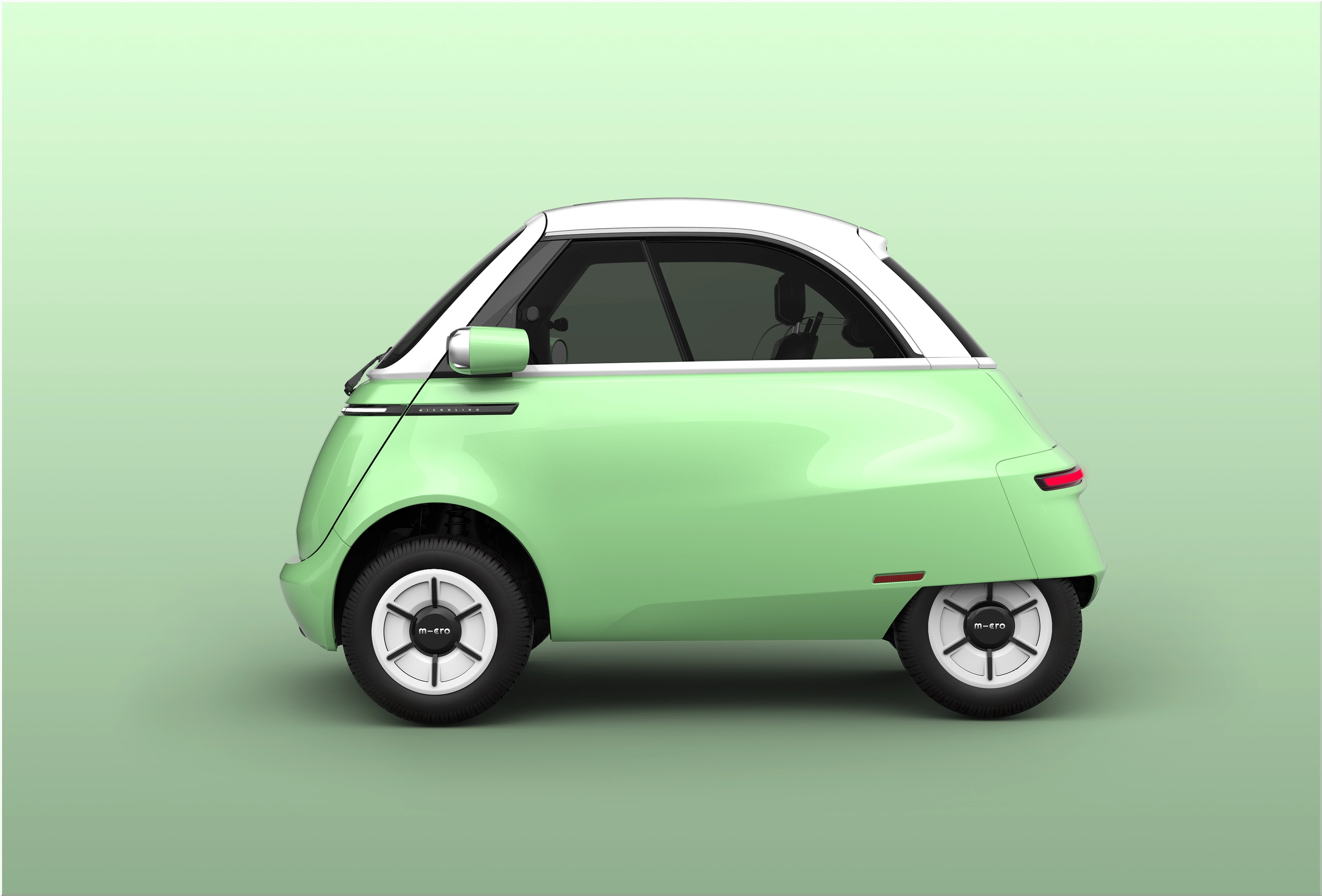
Microlino: more car-like behavior
Microlino typically feels more "microcar" than "covered scooter":
- Enclosed cabin helps with wind, rain, and visibility
- More composed feeling on longer connectors
- Less fatigue from wind noise and drafts
It still requires defensive driving. It just asks for fewer compromises.
Twizy: narrowness is both a superpower and a trade
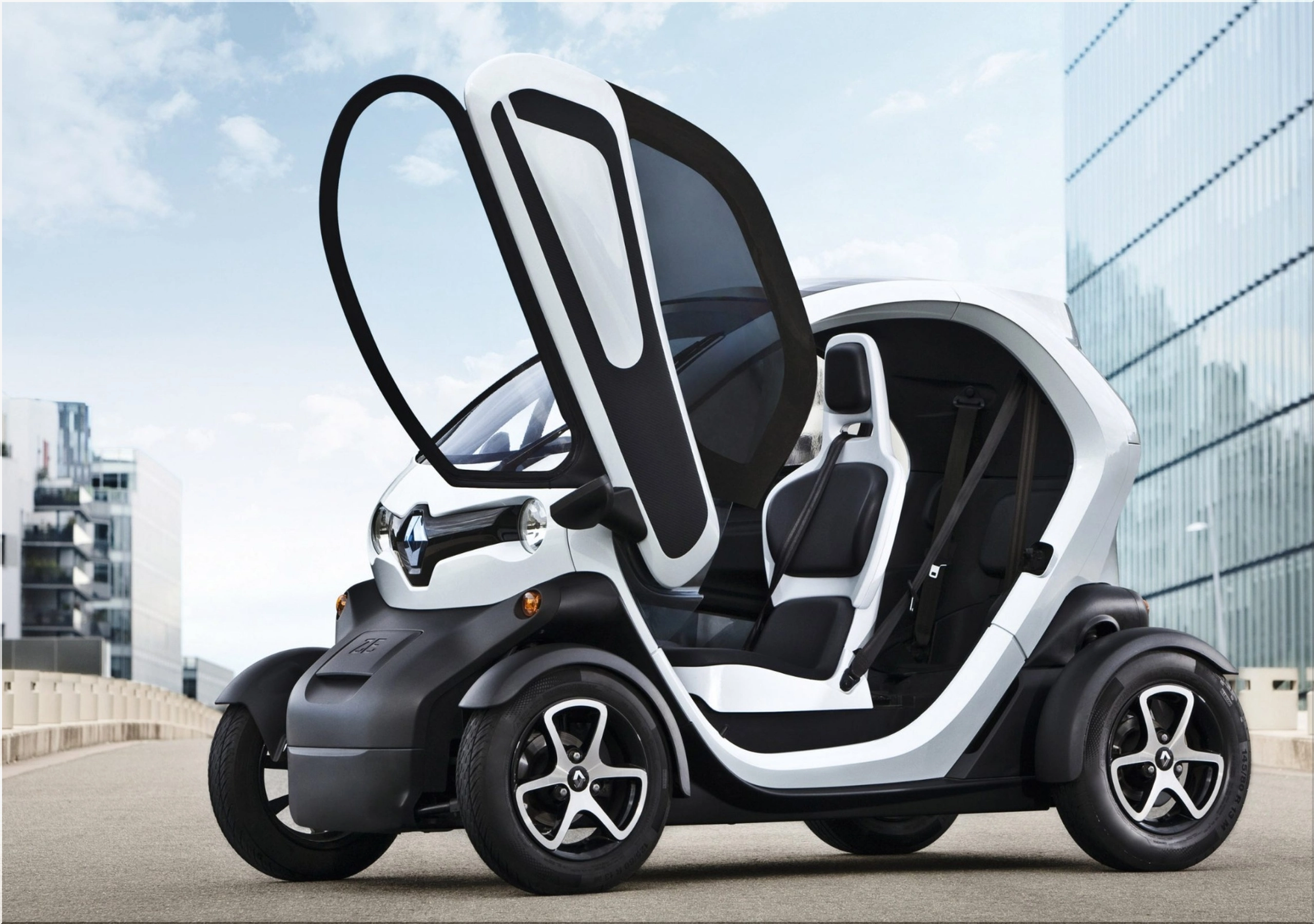
Twizy's narrow footprint is incredible in old towns and tight parking. On faster roads, that same narrowness can make the driving feel more intense:
- Wind and passing vehicles feel more present
- Weather protection depends heavily on configuration
- Sustained higher-speed travel can feel noisy and exposed
Twizy 80 can be the right tool for short faster stints, but it rewards:
- Careful route choice
- Calm conditions
- Drivers who enjoy active involvement
Pro-Tip: The best "highway-adjacent" quadricycle is the one that lets your teen or new driver stay relaxed. Tension leads to mistakes.
Costs: what changes your monthly spend
Energy
Both vehicles typically cost little to "fuel" compared to full-size EVs or city cars. Small batteries and urban duty cycles keep energy bills low.
Maintenance
Both stay simple compared with cars:
- Tyres, brakes, wipers, fluids
- Fewer complex systems than a typical passenger car
Where costs can diverge:
- Twizy accessories (window kits, weather improvements, storage solutions)
- Used-market variables (battery ownership terms, condition, and previous repairs)
Insurance
Insurance often tracks three factors:
- Driver age and experience
- Vehicle class (L6e vs L7e)
- Location and parking security
In many cases:
- Twizy 45 (L6e) can be cheaper to insure for young drivers
- Microlino (L7e) may cost more, but can also feel safer and easier to drive on mixed routes, which matters in the long run
Pro-Tip: Get quotes for the exact model and class before you decide. Insurance can flip the "best value" choice overnight.