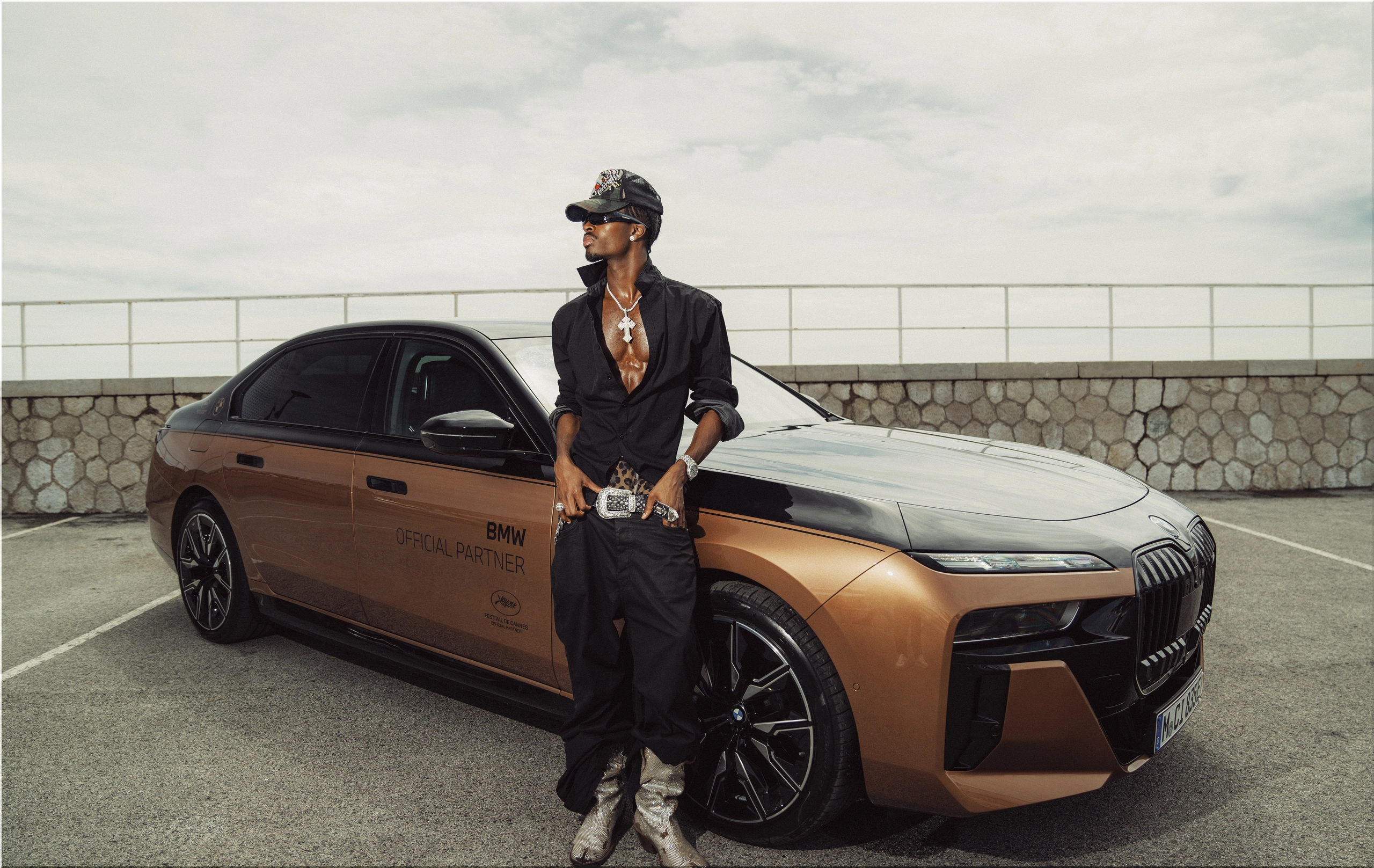
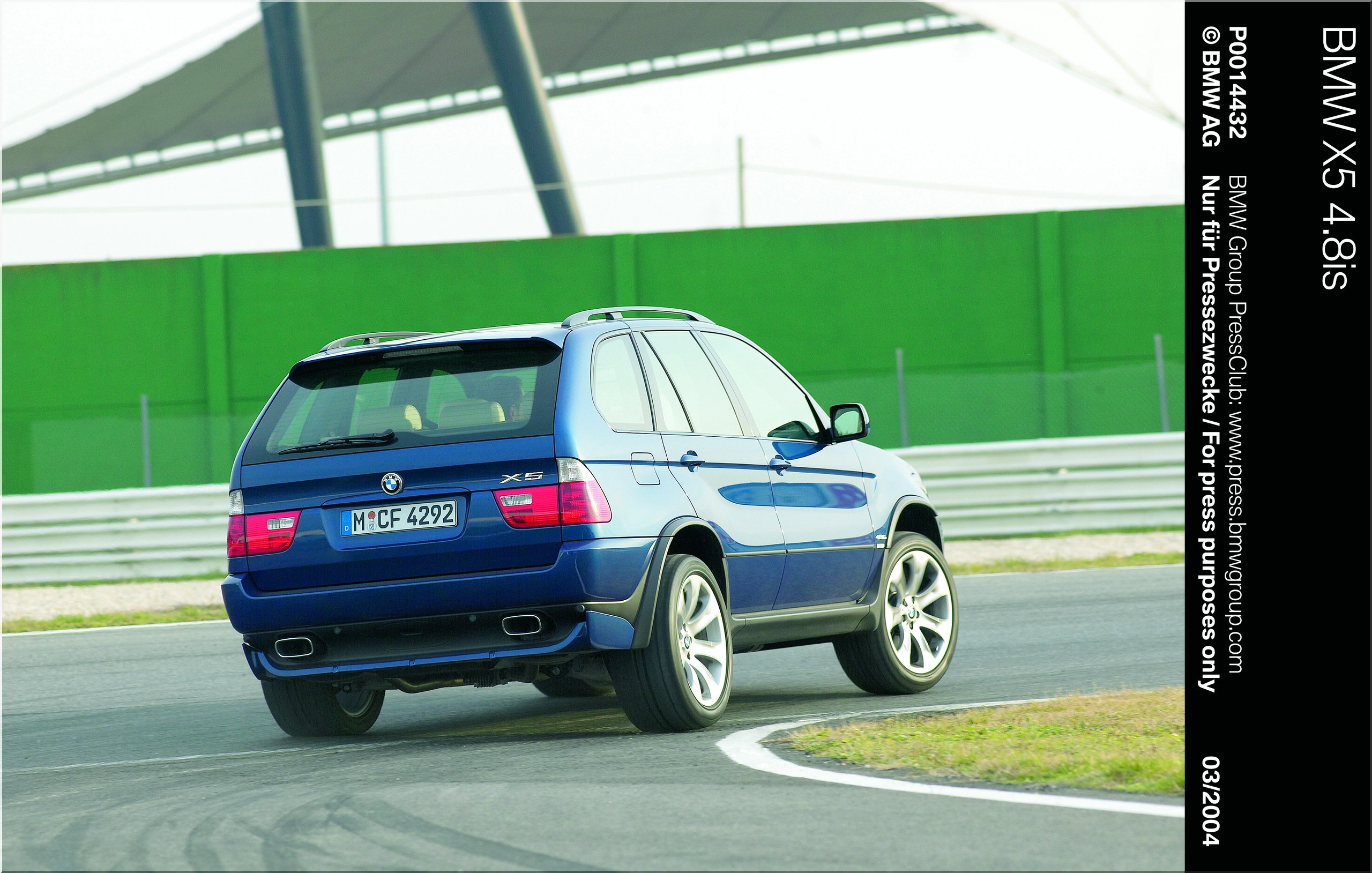
The BMW X5 is one of the most successful and popular models in the history of the German automaker. Since its debut in 1999, the X5 has sold over 2.4 million units worldwide, making it the best-selling BMW of all time. The X5 is also a pioneer in the luxury SUV segment, combining the performance, comfort, and technology of a premium sedan with the versatility, spaciousness, and off-road capability of a sport utility vehicle.
But how did the X5 become such a phenomenon? What are the secrets behind its enduring appeal and innovation? And what does the future hold for this iconic vehicle? In this article, we will explore the 25-year journey of the BMW X5, from its origins to its latest generation, and discover why it is still the benchmark for driving pleasure on all types of roads.
The origins of the BMW X5
The story of the BMW X5 began in the mid-1990s when BMW was looking for a way to expand its product portfolio and enter new markets. At the time, the SUV segment was dominated by American and Japanese brands, such as Ford, Jeep, and Toyota, which offered rugged and practical vehicles that appealed to families and outdoor enthusiasts. However, BMW saw an opportunity to create a new kind of SUV, one that would offer the same level of luxury, refinement, and performance as its sedans and coupes, but with more space, functionality, and all-wheel drive.
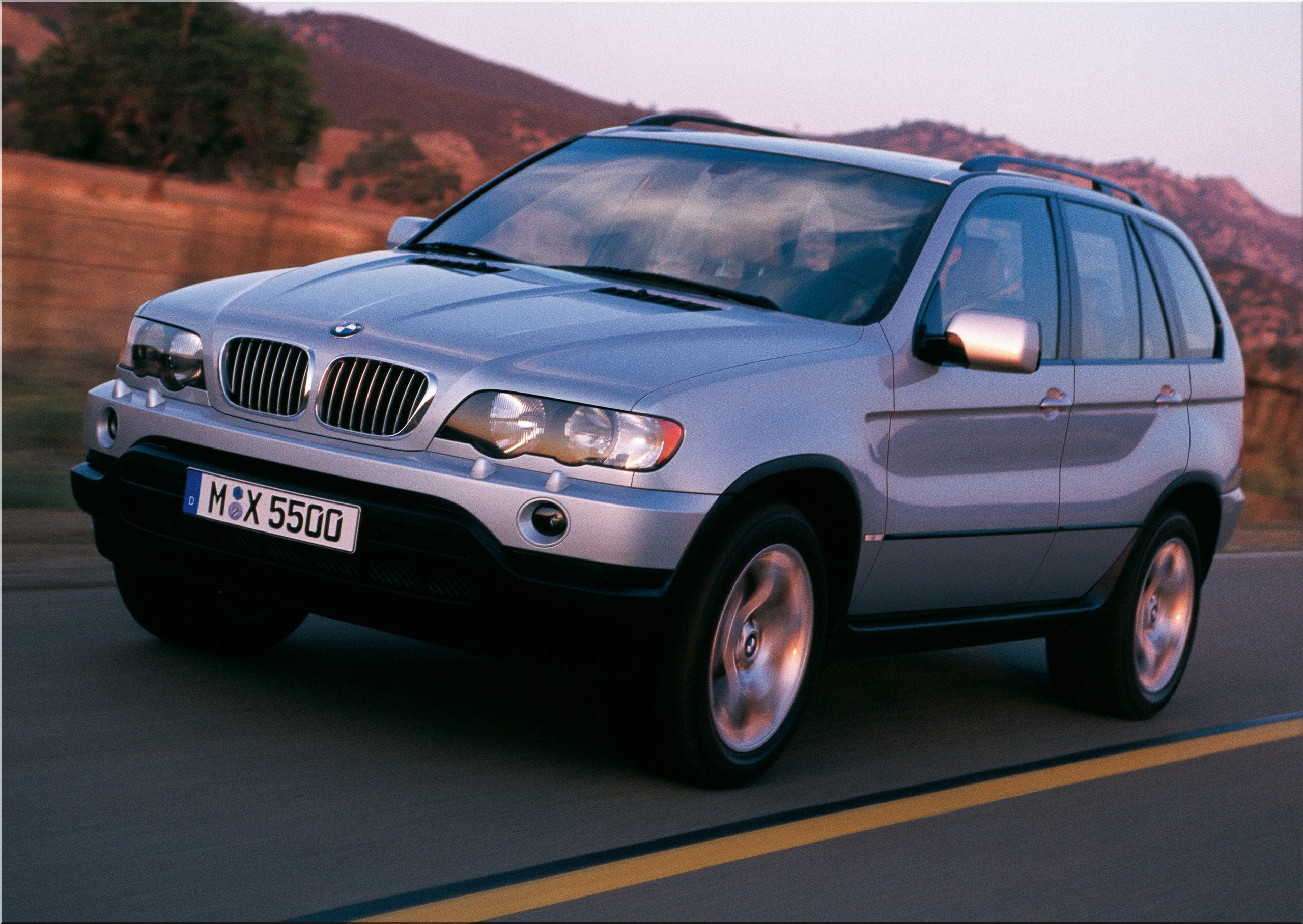
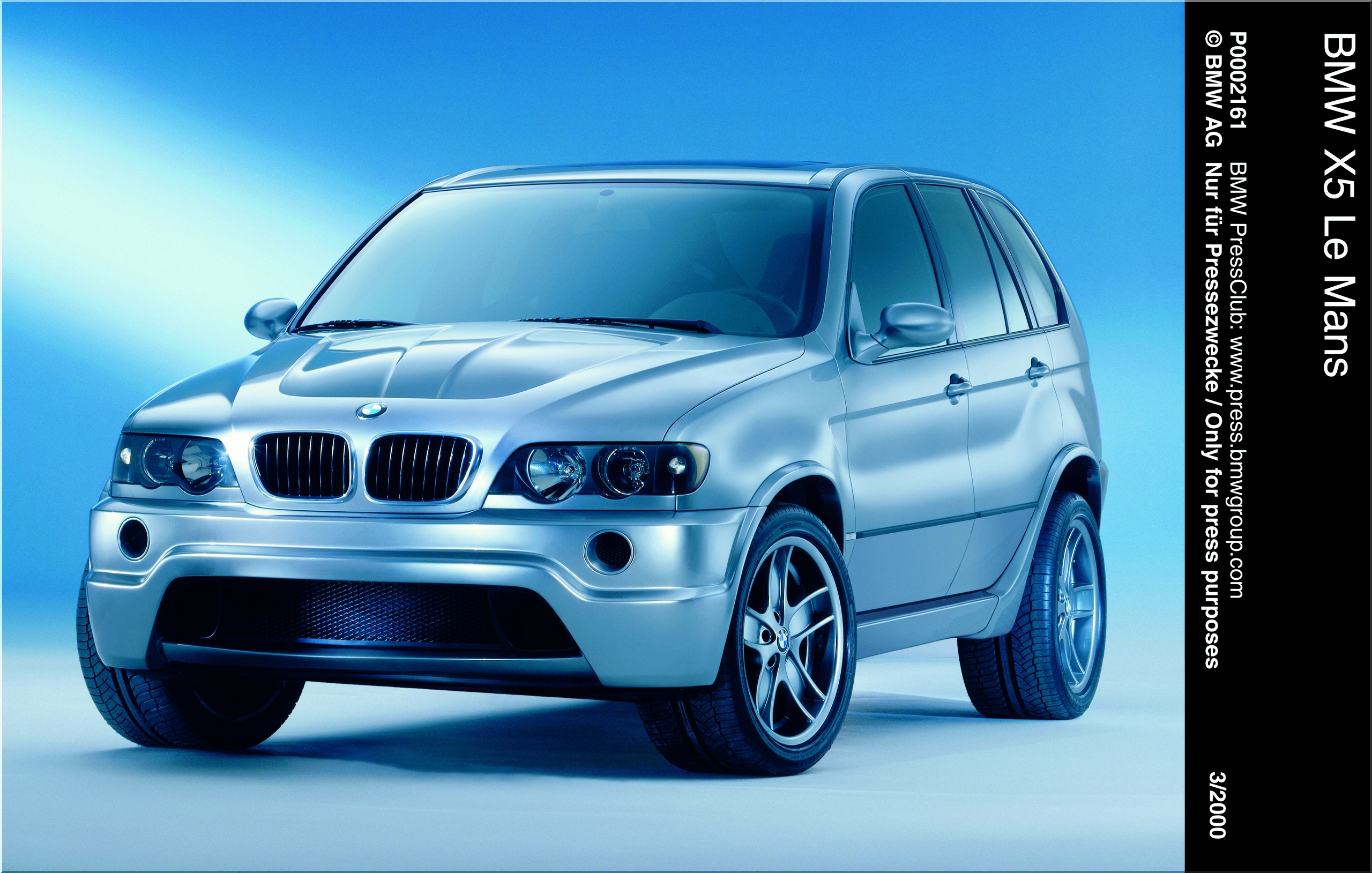
The project was codenamed E53 and led by a team of engineers and designers from BMW and its subsidiary Land Rover, which BMW had acquired in 1994. The team faced many challenges, such as developing a new platform, integrating advanced technologies, and balancing the conflicting demands of on-road and off-road performance. The result was the BMW X5, which was unveiled at the Detroit Auto Show in 1999.
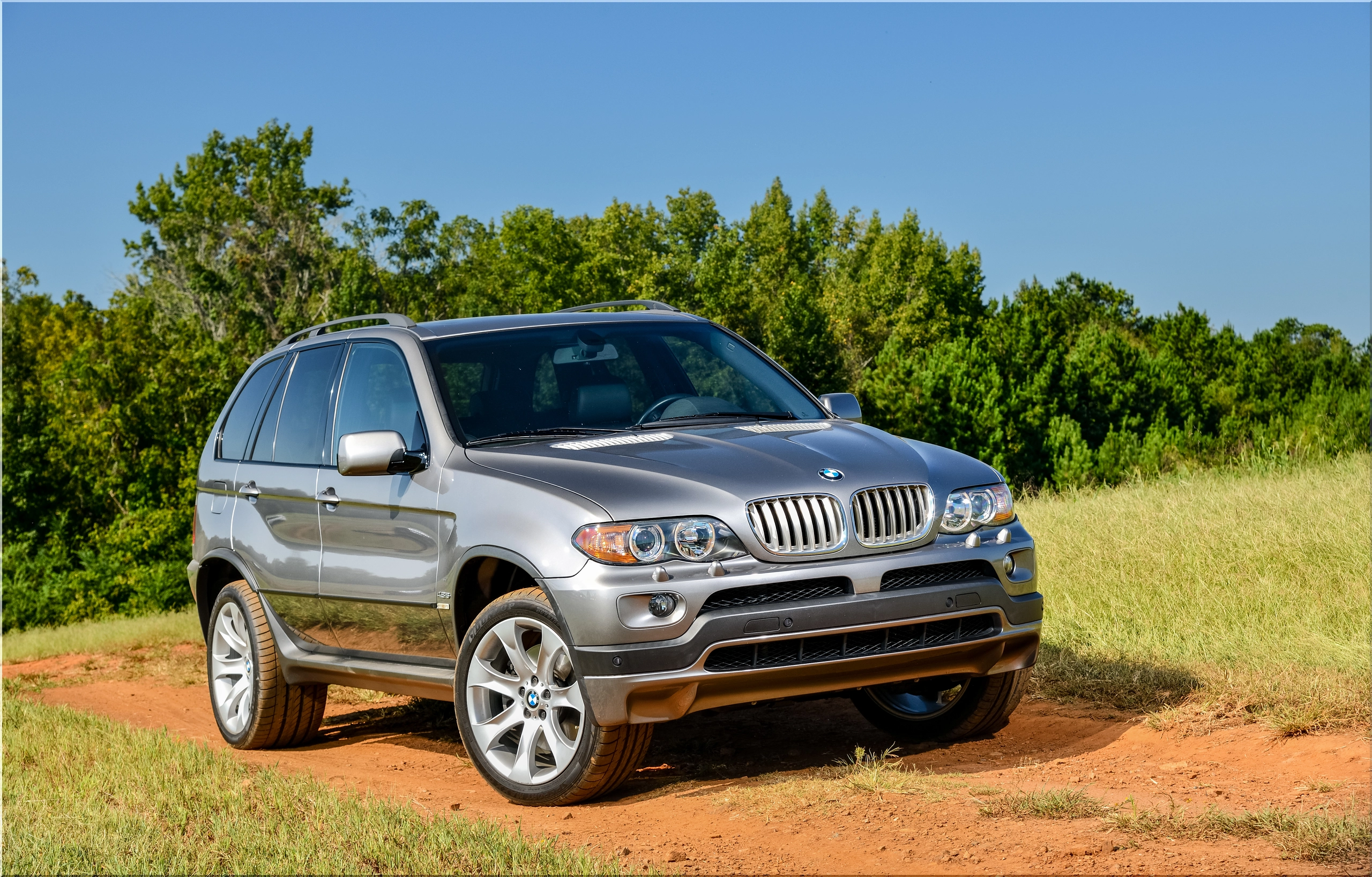
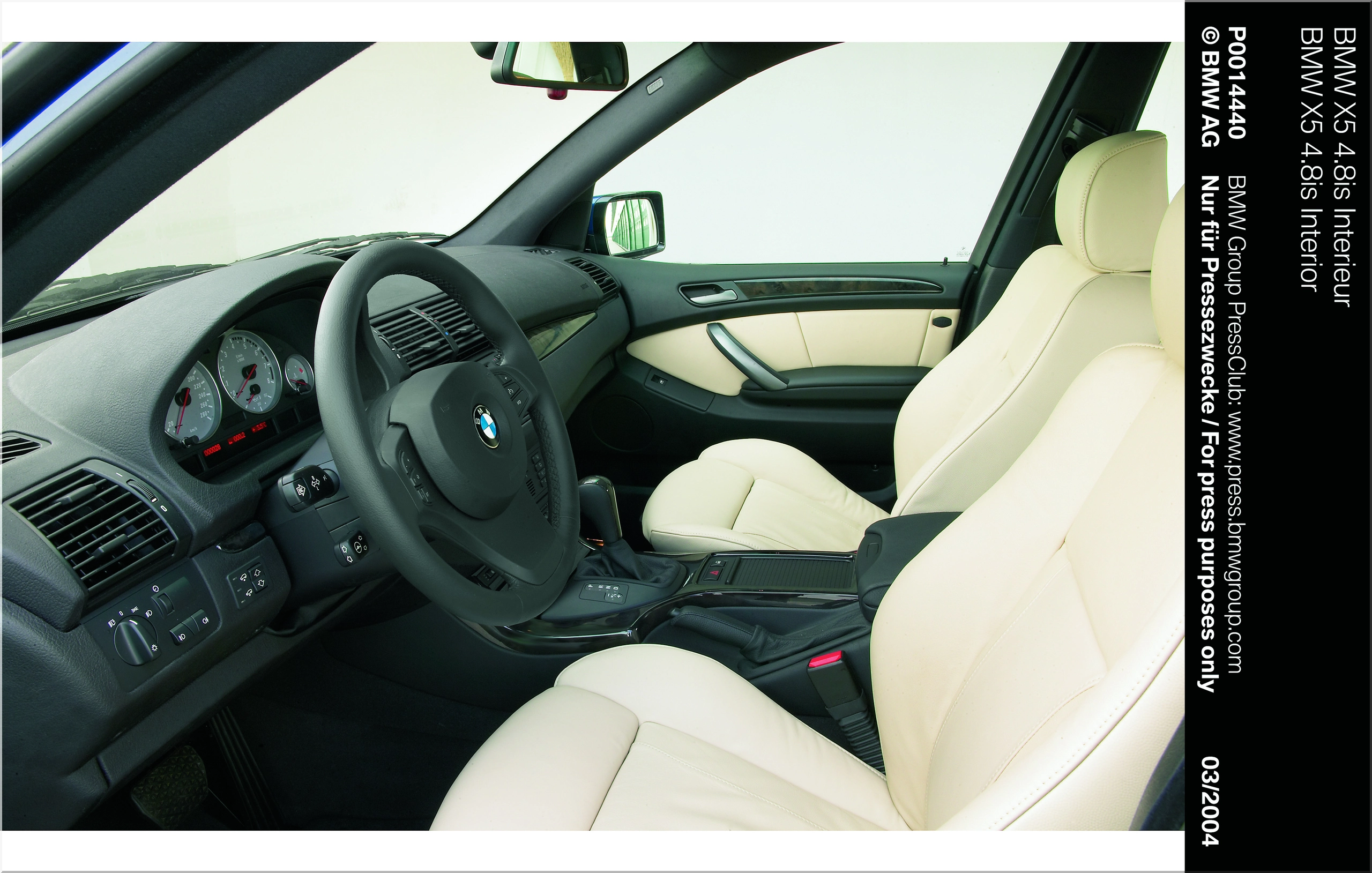
The BMW X5 was an instant hit, both with critics and customers. It was praised for its elegant and dynamic design, powerful and efficient engines, sophisticated and spacious interior, and innovative features, such as the xDrive all-wheel drive system, Dynamic Stability Control, and Adaptive Drive suspension. The X5 also offered various options and accessories, such as leather seats, a panoramic sunroof, a navigation system, a rear entertainment system, and a trailer hitch, to suit different needs and preferences. The X5 was not only a luxury SUV but also a versatile and customizable vehicle that could adapt to any situation and lifestyle.
The evolution of the BMW X5
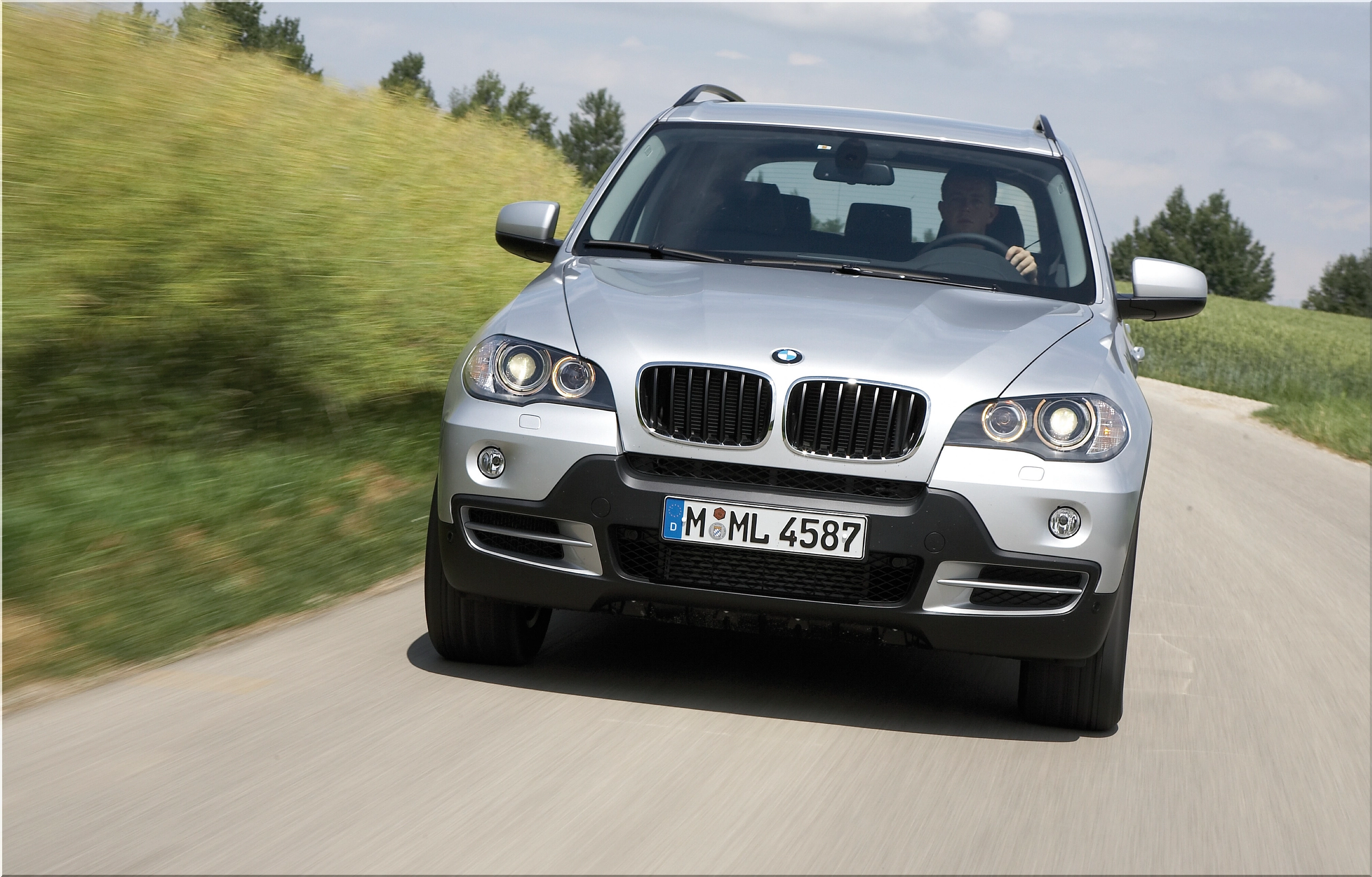
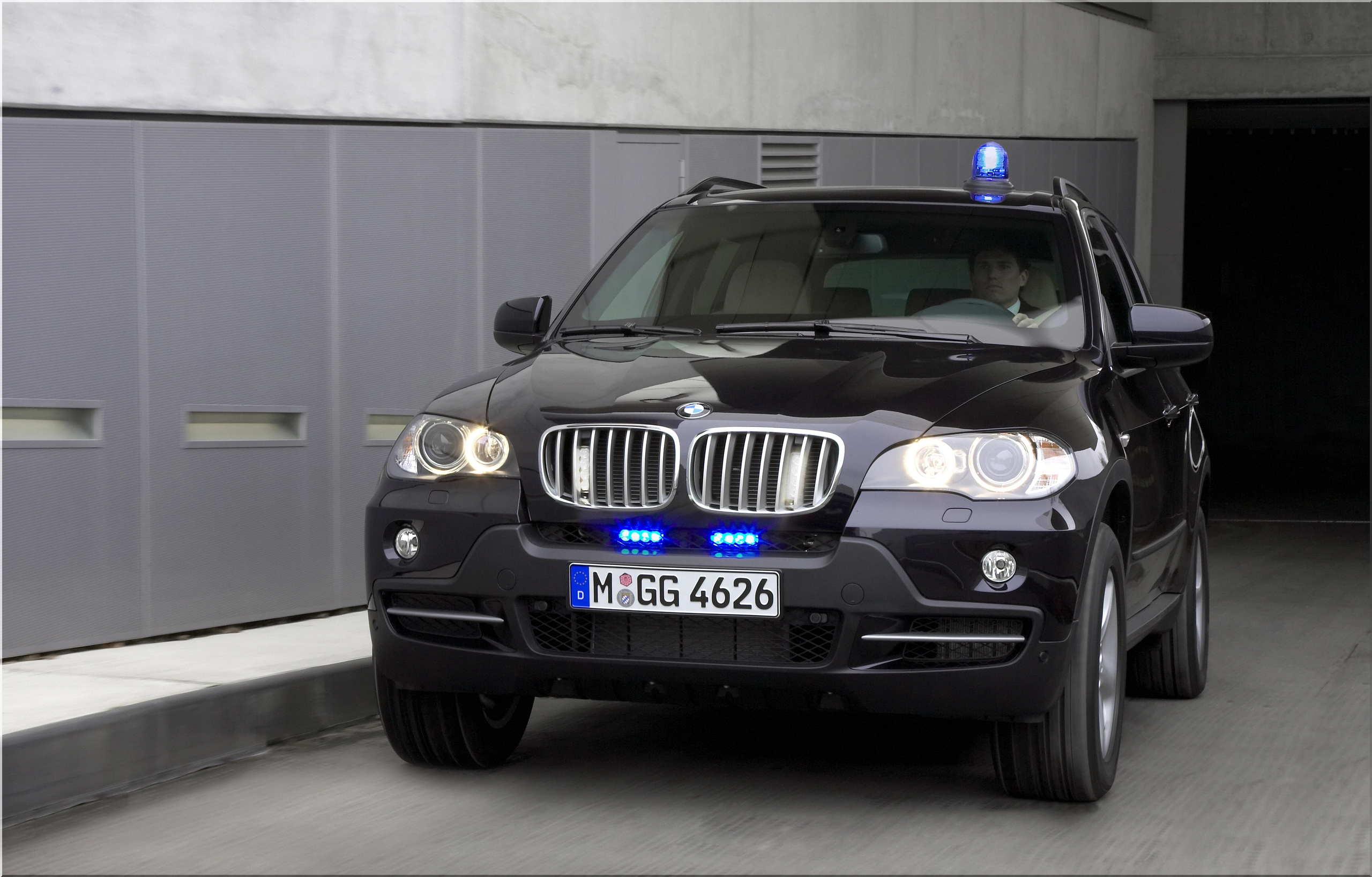
The success of the first-generation BMW X5 encouraged the company to continue developing and improving the model, launching new generations and variants over the years. The second-generation X5, codenamed E70, was introduced in 2006, and it featured a larger and more muscular body, a more spacious and luxurious cabin, and more powerful and efficient engines, including the first diesel and hybrid options. The second-generation X5 also introduced new technologies, such as the iDrive infotainment system, the Head-Up Display, the Active Steering, and the Night Vision.
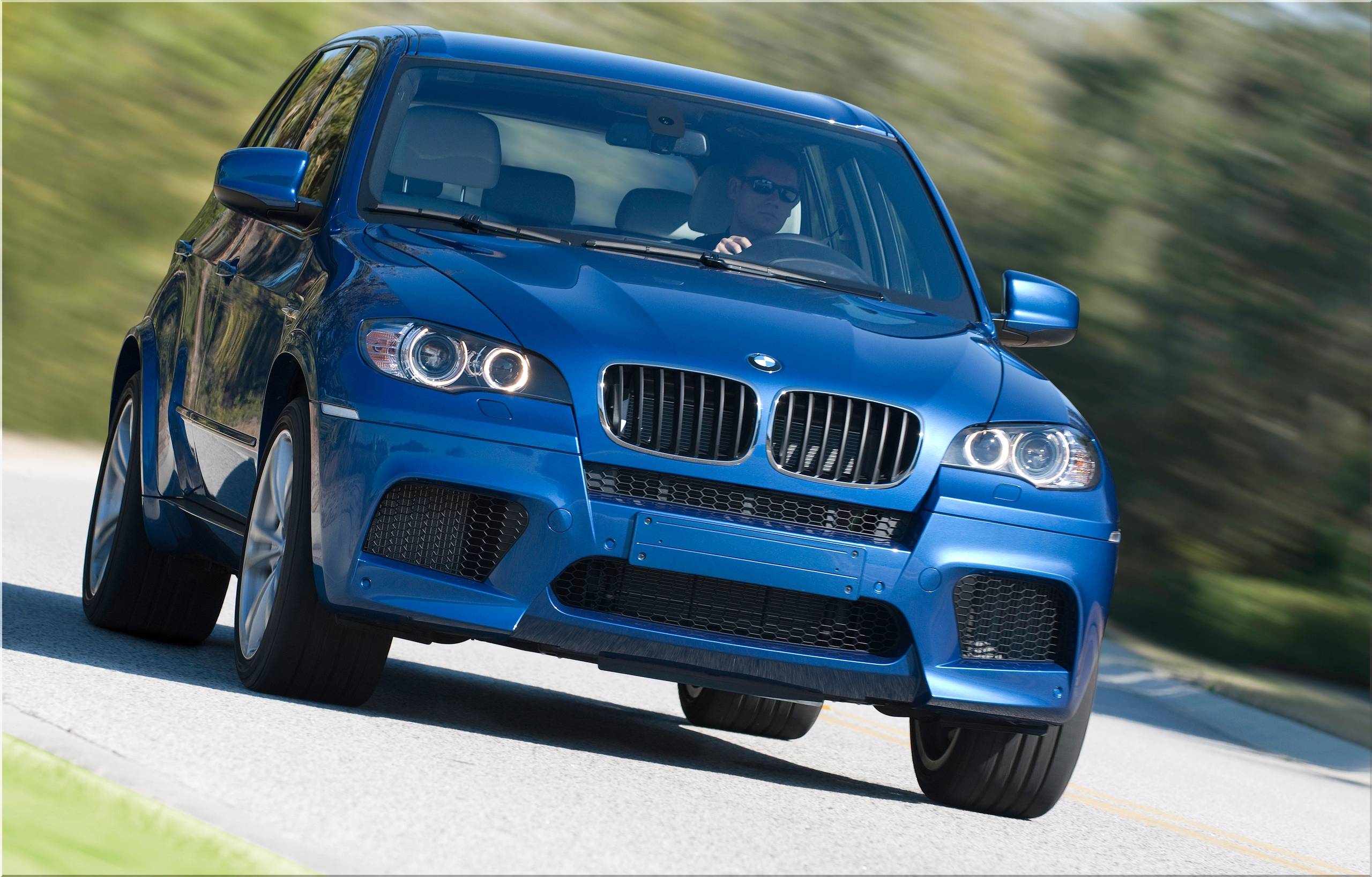
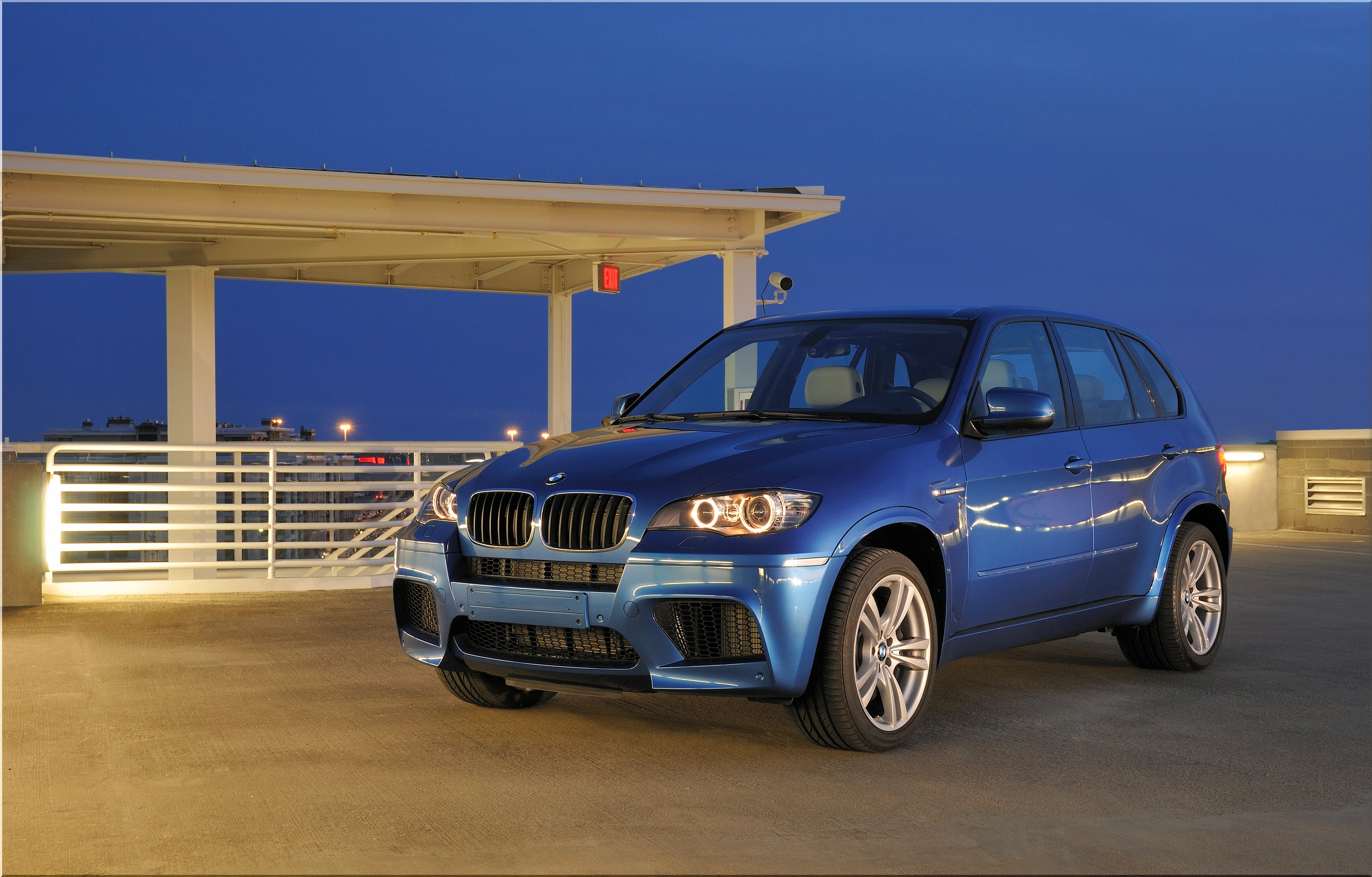
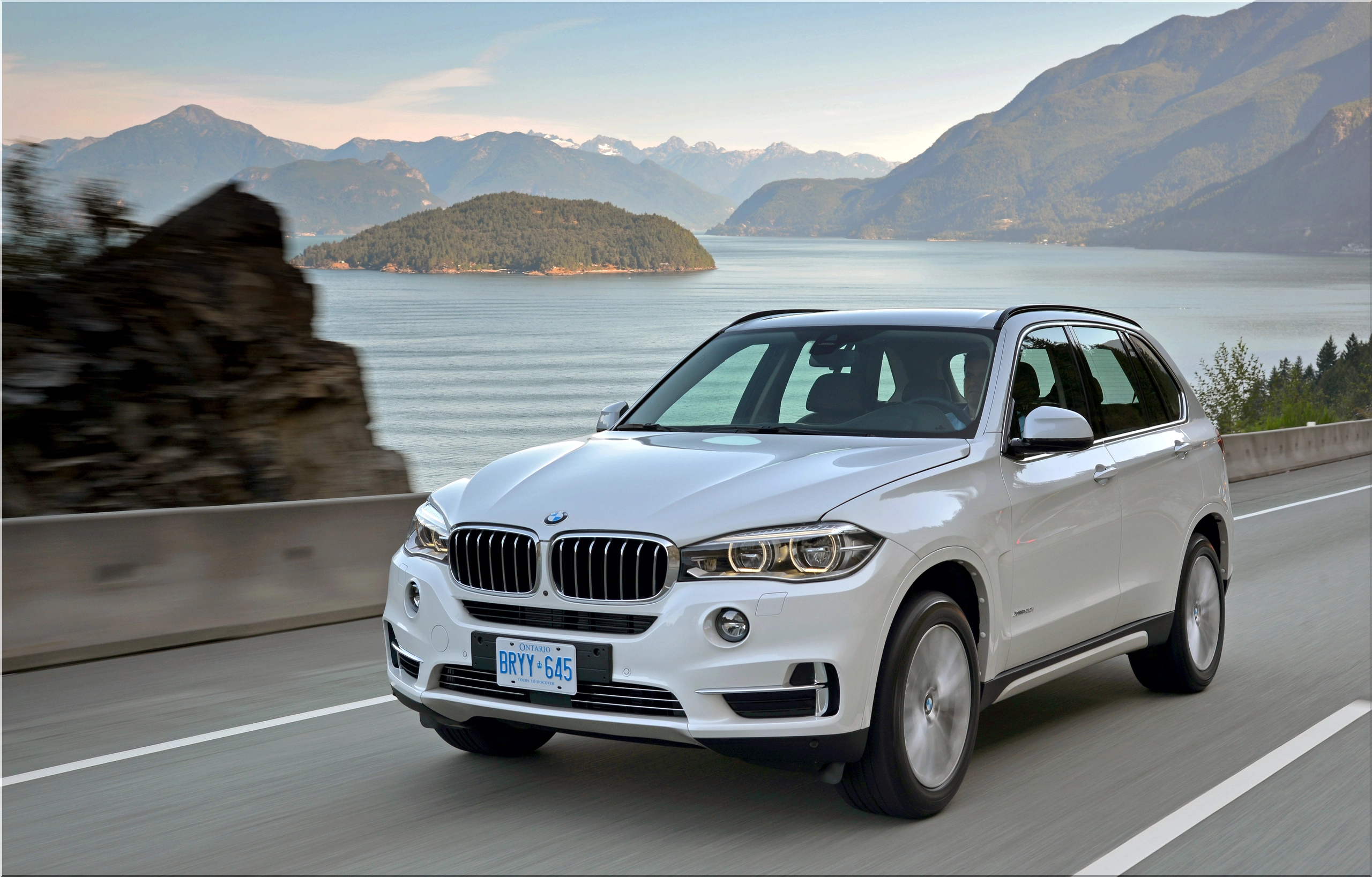
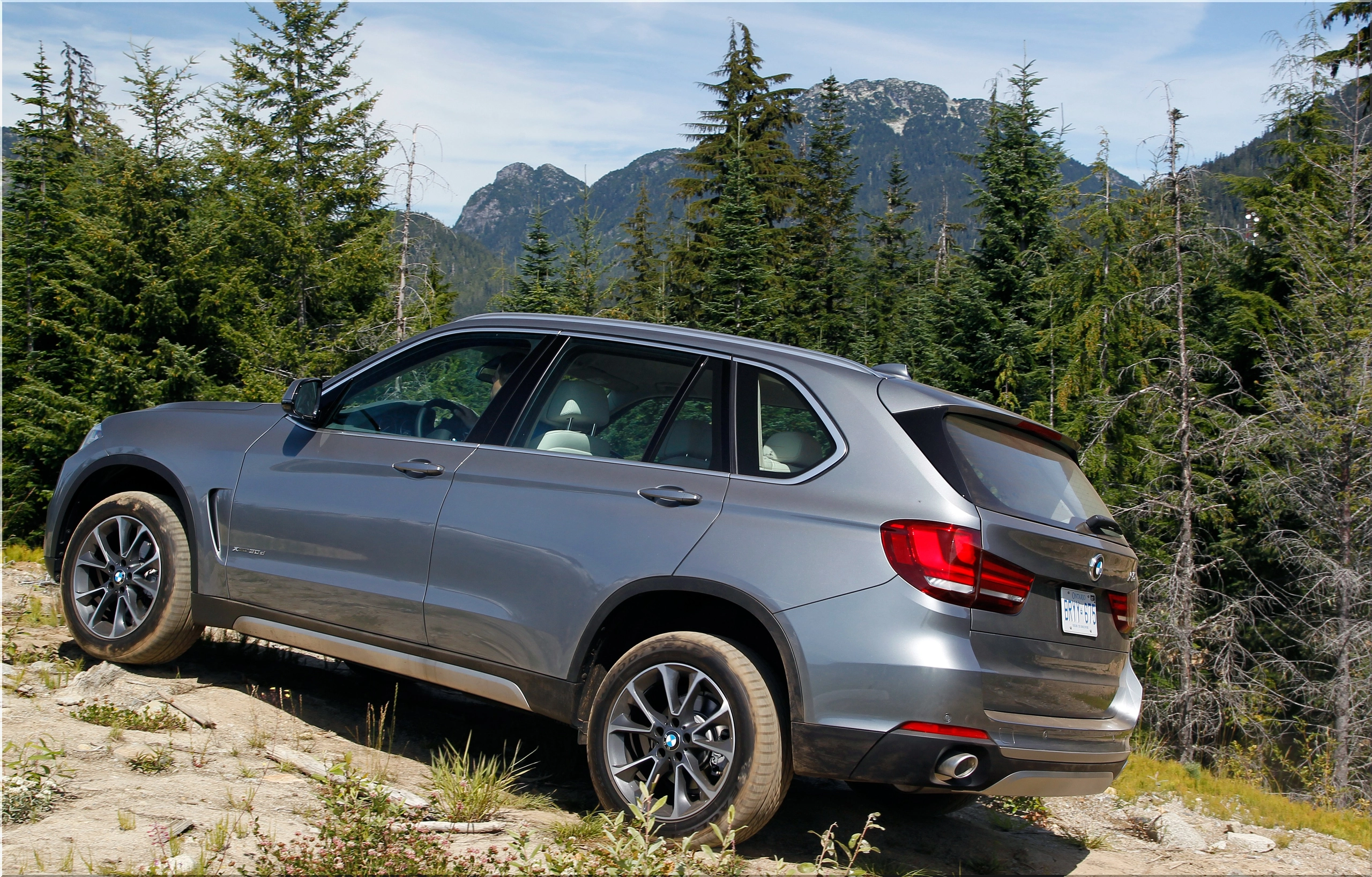
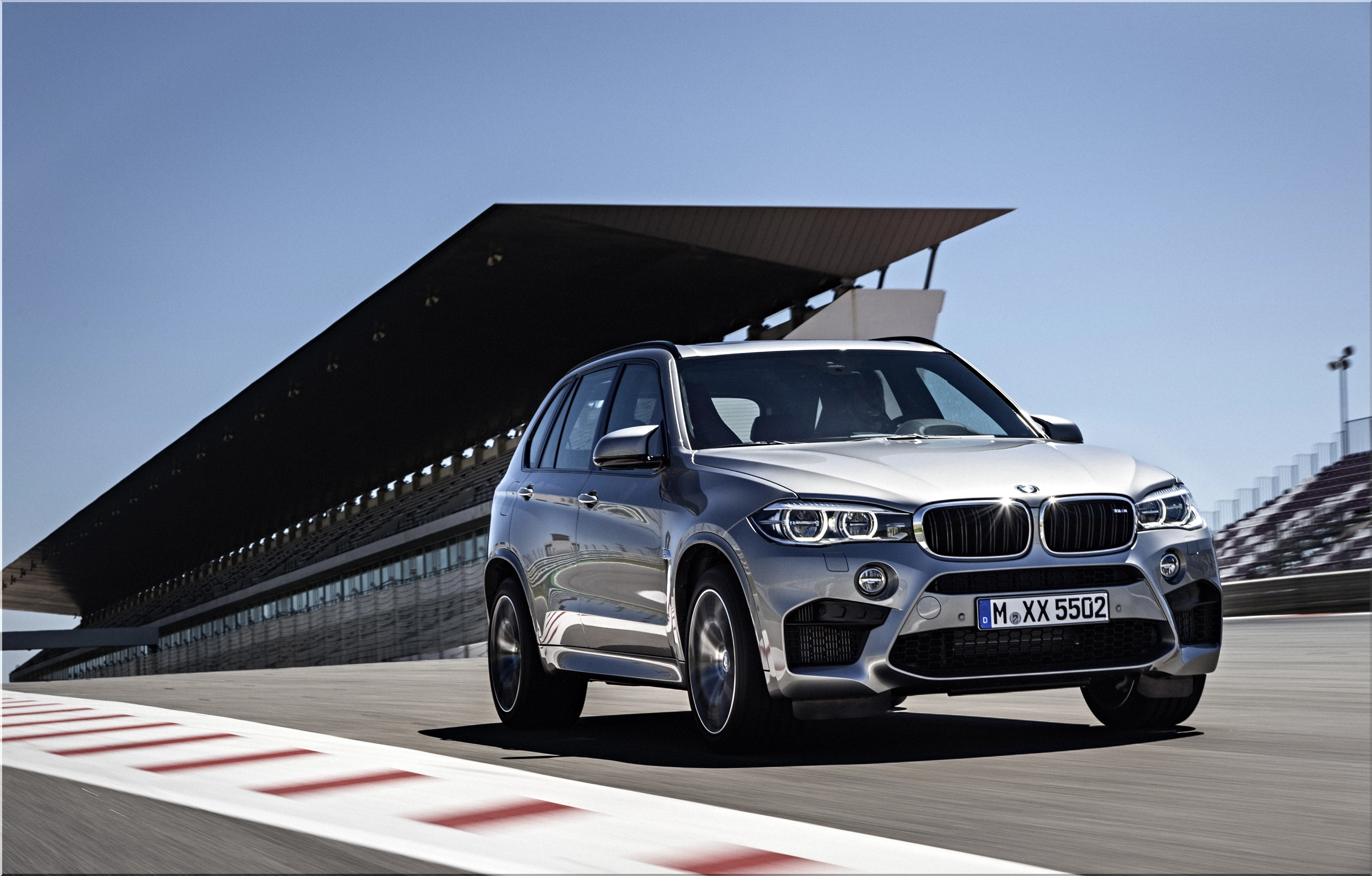
The third-generation X5, codenamed F15, was launched in 2013, marking a further refinement and enhancement of the model. The third-generation X5 had a more elegant and aerodynamic design, a more comfortable and sophisticated interior, and more advanced and intelligent features, such as the Driving Assistant Plus, the Surround View, the Parking Assistant, and the Adaptive LED Headlights. The third-generation X5 also offered a wider range of engines, including the first plug-in hybrid option, and a sportier and more agile variant, the X5 M.
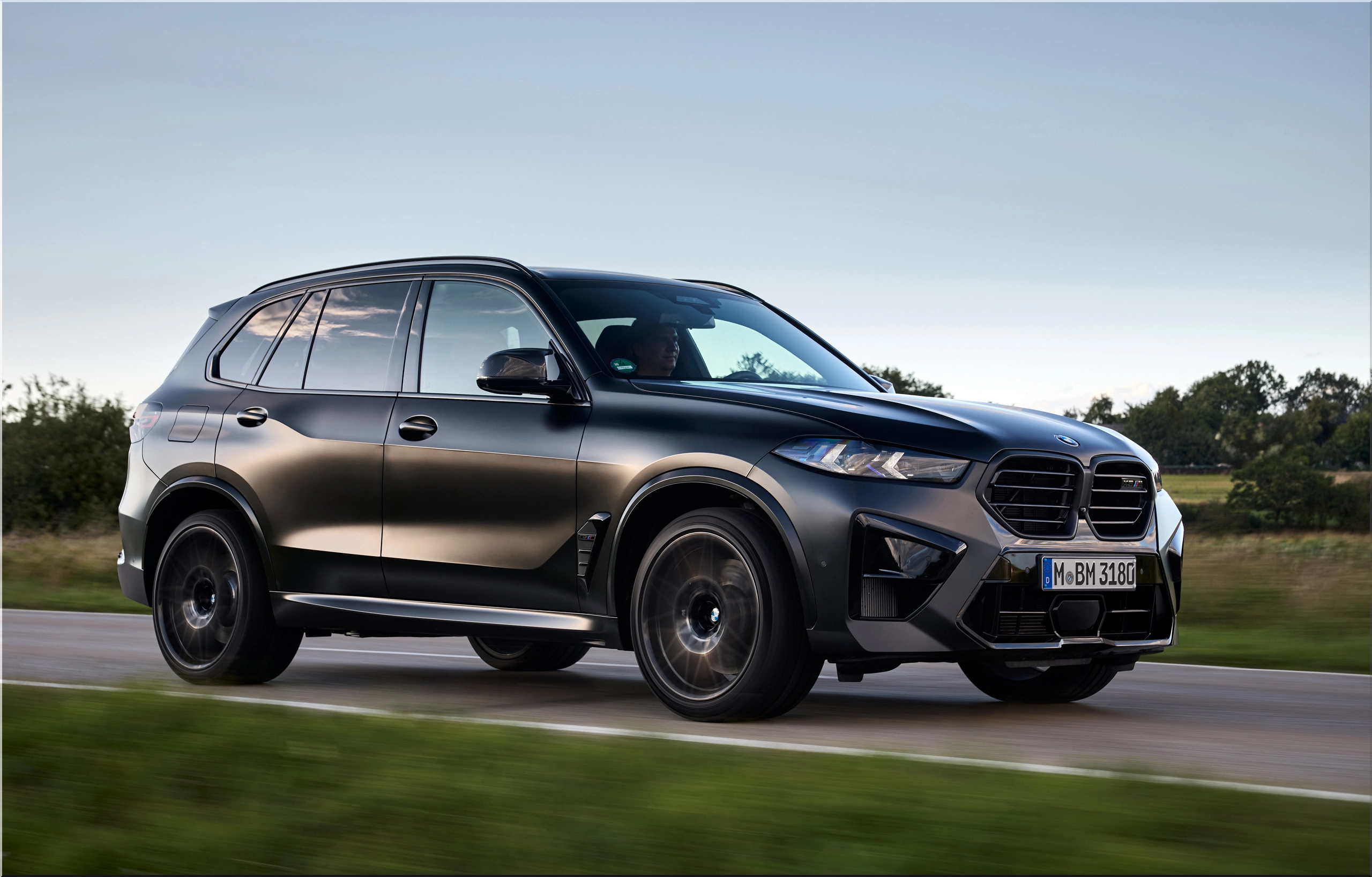
The fourth and current generation of the BMW X5, codenamed G05, was revealed in 2018, and it represents the culmination of the model’s 25-year journey. The fourth-generation X5 has a more expressive and modern design, a more luxurious and connected interior, and more innovative and cutting-edge features, such as the Live Cockpit Professional, the Intelligent Personal Assistant, the Reversing Assistant, and the Laserlight. The fourth-generation X5 also offers the most diverse and powerful range of engines, including the first mild hybrid option and the most extreme and exhilarating variant, the X5 M Competition.
The future of the BMW X5
The BMW X5 has come a long way since its debut in 1999, but it is not resting on its laurels. The model is constantly evolving and adapting to its customers' changing needs and expectations, as well as the challenges and opportunities of the automotive industry. The BMW X5 is always looking ahead, anticipating the trends and technologies shaping the future of mobility and driving pleasure.
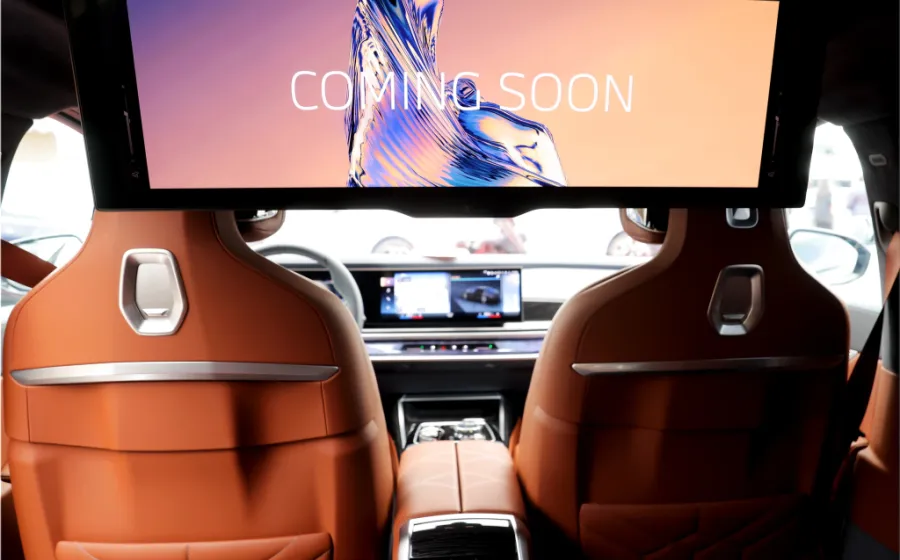
One of the most exciting and promising developments for the BMW X5 is the introduction of the first fully electric variant, the BMW iX5, which is expected to debut in 2022. The BMW iX5 will combine the performance, comfort, and versatility of the X5 with the efficiency, sustainability, and innovation of the BMW i brand. The BMW iX5 will feature a powerful and responsive electric drivetrain, a spacious and futuristic interior, and a range of smart and intuitive features, such as the Curved Display, the Augmented Reality Head-Up Display, and the Shy Tech concept. The BMW iX5 will be a zero-emission vehicle and a digital and emotional companion that will enhance the driving experience and the quality of life of its users.
The BMW X5 is more than just a vehicle, it is a legend. It is a vehicle that has defined and redefined the luxury SUV segment, setting new standards and benchmarks for quality, performance, and innovation. It is a vehicle that has delighted and satisfied millions of customers worldwide, offering them unique and unparalleled driving pleasure on all types of roads. It is a vehicle that has a bright and exciting future ahead, continuing to push the boundaries and explore the possibilities of mobility and driving pleasure. The BMW X5 is a vehicle that celebrates 25 years of driving excellence and looks forward to many more.
How does the BMW X5 compare to its competitors?
The BMW X5 is not the only luxury SUV in the market but is certainly one of the best. To illustrate this point, let us compare the BMW X5 with some of its main competitors based on key criteria, such as price, performance, features, and ratings. The following table summarizes the comparison, using the data from the official websites of the respective brands and the reviews from Edmunds.com.
| Model | Price (USD) | Engine | Horsepower | Torque (lb-ft) | Fuel Economy (mpg) | Features | Ratings |
|---|---|---|---|---|---|---|---|
| BMW X5 xDrive40i | 61,700 | 3.0L TwinPower Turbo inline 6-cylinder | 335 | 331 | 21/25/23 | Live Cockpit Professional, Intelligent Personal Assistant, Reversing Assistant, Laserlight, etc. | 8.4/10 |
| Audi Q7 45 TFSI quattro | 54,950 | 2.0L TFSI 4-cylinder | 248 | 273 | 19/23/21 | MMI Navigation plus, Audi virtual cockpit, Audi pre sense front, Matrix-design LED headlights, etc. | 8.1/10 |
| Mercedes-Benz GLE 350 4MATIC | 57,250 | 2.0L inline-4 turbo | 255 | 273 | 19/26/22 | MBUX multimedia system, Mercedes-Benz User Experience, Active Brake Assist, LED headlamps, etc. | 7.8/10 |
| Lexus RX 350 AWD | 46,095 | 3.5L V6 | 295 | 268 | 19/26/22 | Lexus Enform, Lexus Safety System+, Blind Spot Monitor, LED headlamps, etc. | 7.3/10 |
As we can see from the table, the BMW X5 has the highest price but also the highest performance, features, and ratings among its competitors. The BMW X5 offers the most horsepower and torque, the best fuel economy, and the most innovative and cutting-edge features, such as the Live Cockpit Professional, the Intelligent Personal Assistant, the Reversing Assistant, and the Laserlight. The BMW X5 also has the highest ratings from Edmunds.com, reflecting its superior quality, performance, and innovation. The BMW X5 is clearly the leader in the luxury SUV segment and the best choice for anyone looking for a vehicle that offers driving pleasure on all types of roads.
- Add new comment
- 82 views