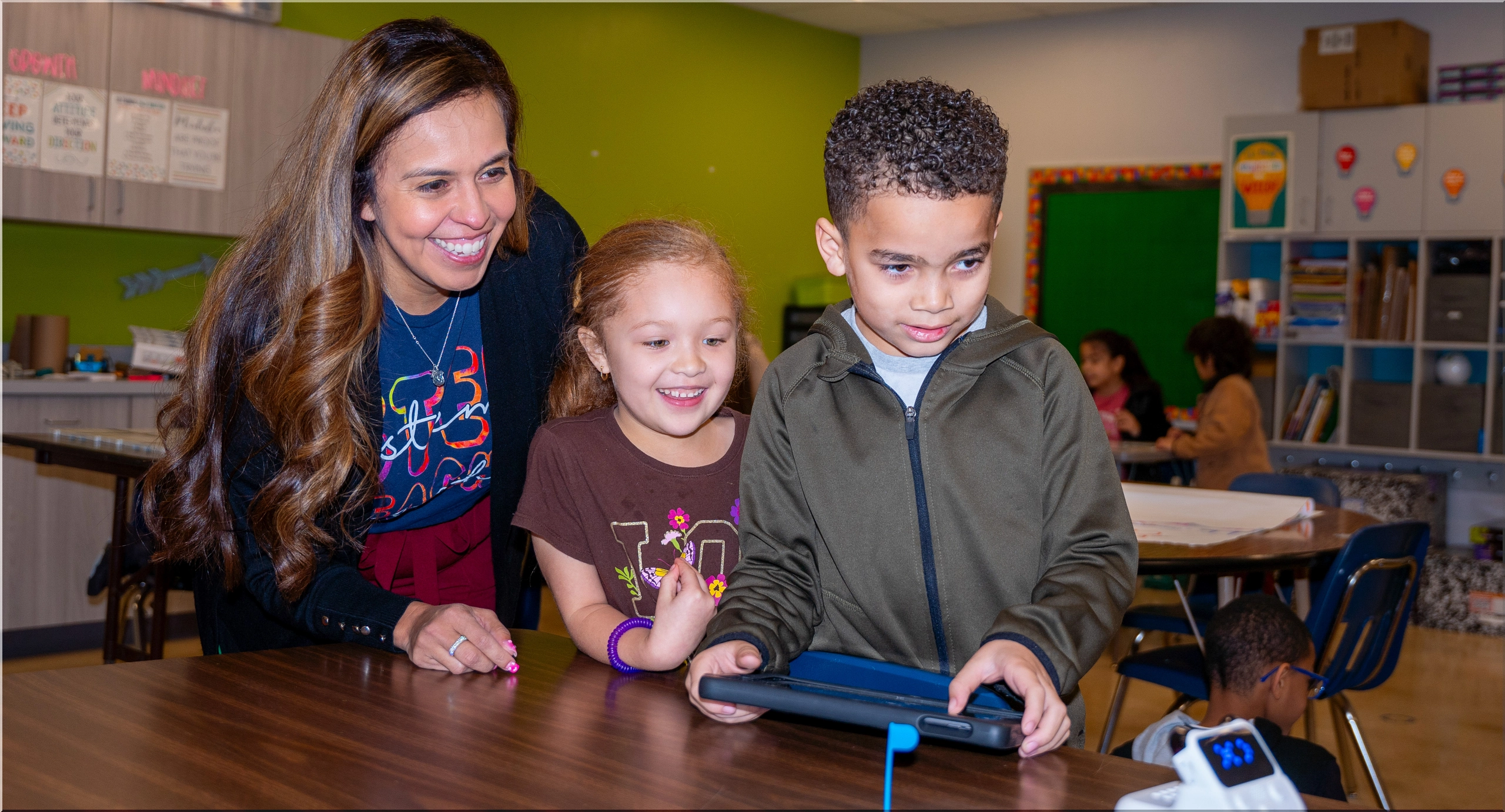
Toyota, a company best known for making cars that seemingly run forever and for trucks that double as apocalypse survival vehicles, is shifting gears into education. The automaker has pledged up to $6.5 million over five years to East Central Independent School District (East Central ISD) in San Antonio. But don’t expect them to be handing out Tundras to every student (we checked, that’s not in the budget). Instead, Toyota’s investment will focus on STEM education, workforce development, and family engagement programs. It’s all part of their grander strategy: if you can’t build robots to assemble trucks, build students who will someday do it instead.
Driving Possibilities Initiative
Toyota’s commitment to education isn’t just a one-time handout. The Driving Possibilities initiative is a national program designed to provide students with skills that can eventually land them solid jobs—hopefully before they end up on the side of the road, debating whether that YouTube tutorial on fixing a transmission is a good idea. The initiative focuses on three key areas:
- STEM Education – Because future cars will probably need more coders than mechanics.
- Confidence Building – Nothing says “job readiness” like knowing you can troubleshoot an engine... or at least explain to your boss why it won’t start.
- Personalized Career Paths – Not everyone dreams of designing the next Supra, but for those who do, Toyota wants to get them started early.
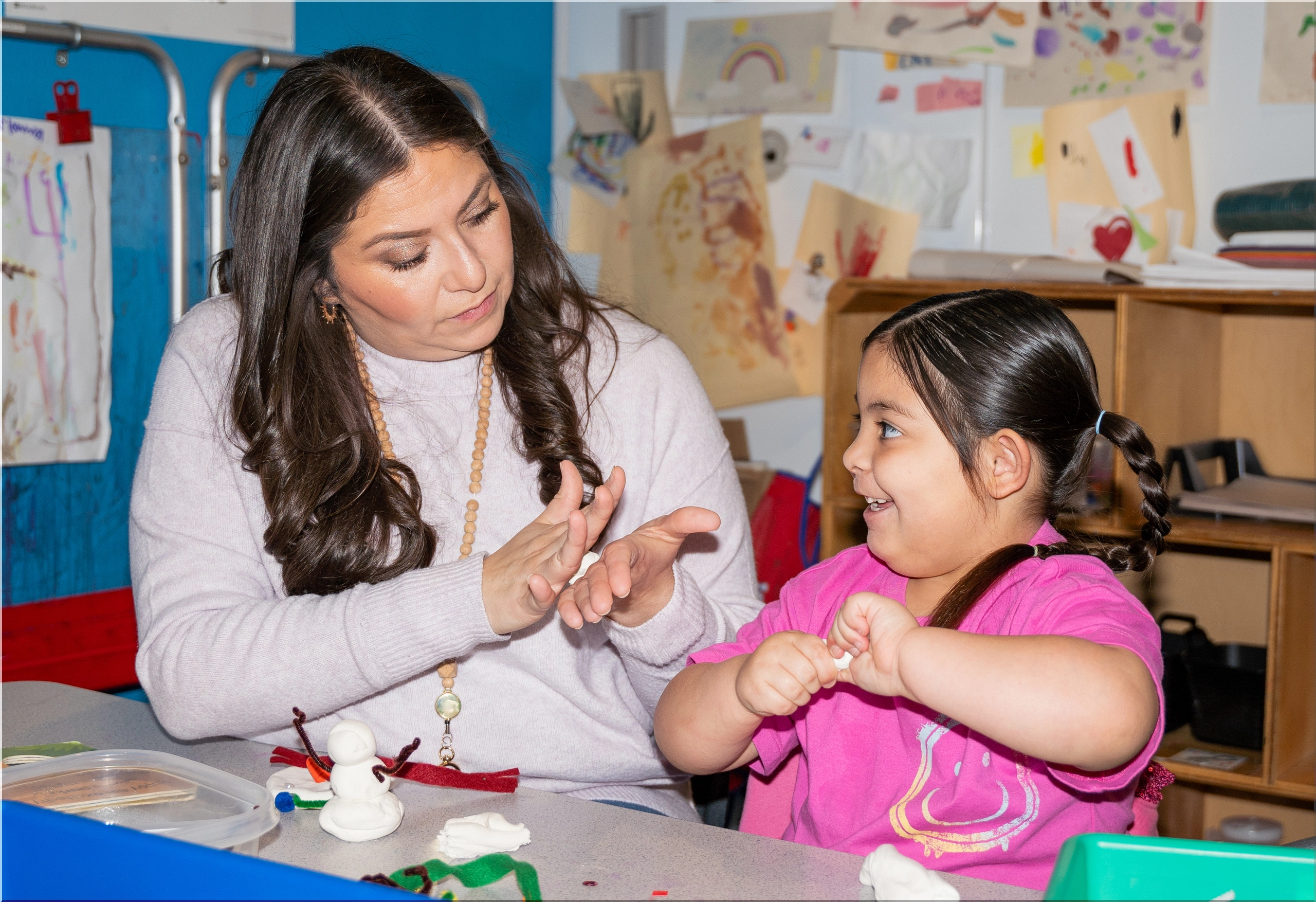
But education alone isn’t enough. Toyota is also throwing in support for basic needs services—which means students won’t just learn how to change a tire; they’ll also have access to food, clothing, and mental health resources. This is about creating a sustainable talent pipeline, not just a one-off PR campaign with a big check and a few ribbon-cutting photos.
Collaborative Efforts
This initiative isn’t just Toyota slapping its logo on a few classrooms and calling it a day. The company has teamed up with Texas A&M University-San Antonio’s Institute for School and Community Partnerships, United Way of San Antonio and Bexar County, and, of course, East Central ISD to make sure this program actually does what it promises. Each partner has a specific role to play:
- Texas A&M San Antonio – Bringing the academic muscle to develop new STEM curricula and train teachers to handle a generation of students who think "Have you tried turning it off and on again?" is a universal fix.
- United Way – Creating a Family Resource Center to help students and their families with healthcare, housing, food security, and job training. Because it’s hard to focus on robotics class when you’re worried about dinner.
- East Central ISD – Providing the schools, students, and faculty who will be directly impacted. They’ll be the first test subjects—er, beneficiaries—of this ambitious plan.
Leadership Perspectives
Texas Governor Greg Abbott—whose job involves approving things like million-dollar grants but unfortunately not getting a free Tacoma—praised Toyota for investing in education. He highlighted that this funding will help students gain skills needed for well-paying jobs in high-demand industries like auto manufacturing, technology, and engineering.
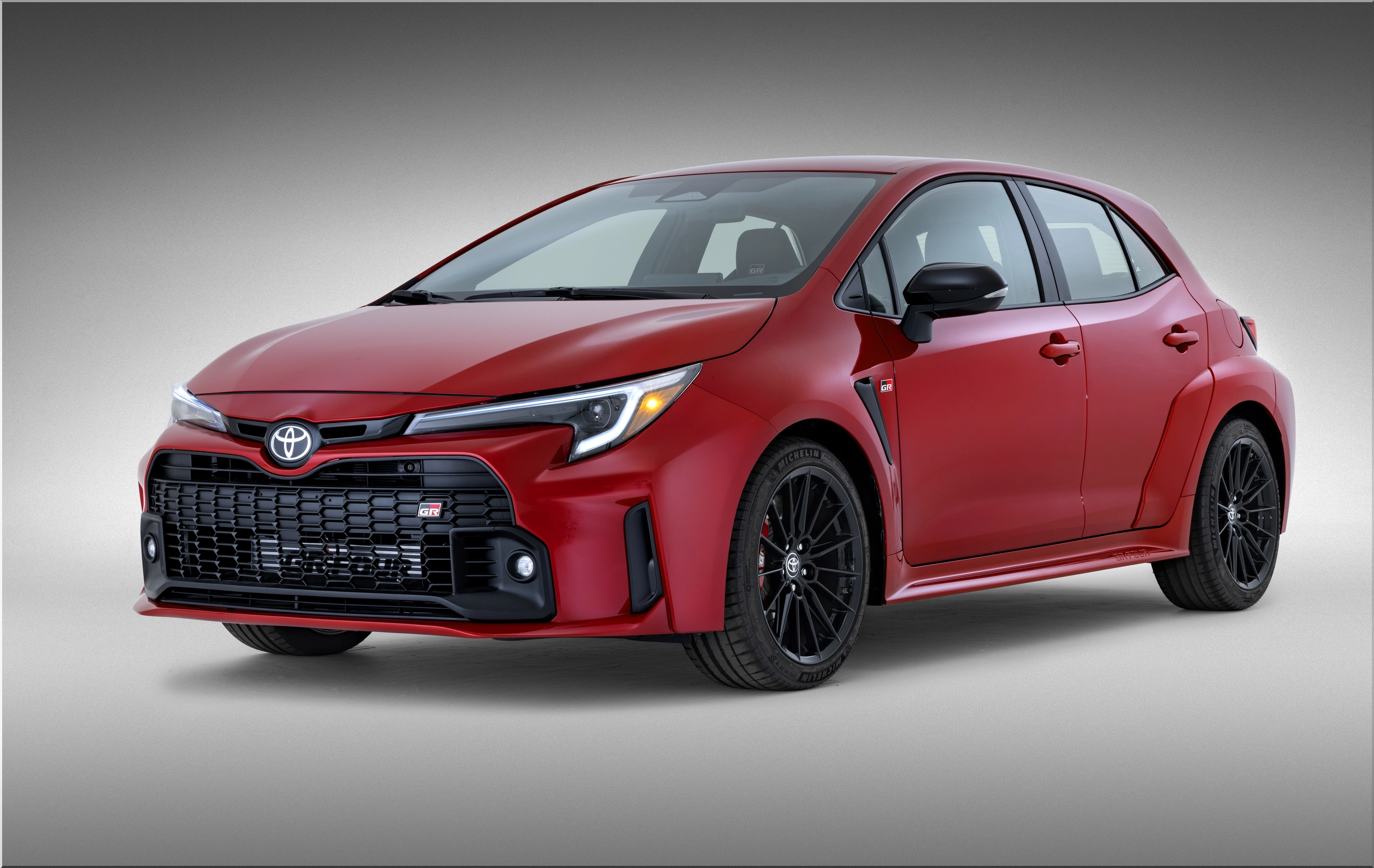
Meanwhile, Susann Kazunas, president of Toyota Texas, explained Toyota’s strategy plainly: they need a workforce that can keep up with an industry moving faster than a turbocharged GR Corolla. She also pointed out that Texas, as a manufacturing powerhouse, will only stay on top if companies invest in the next generation of workers—because, frankly, self-driving trucks aren’t quite there yet, and someone’s got to build them.
Expansion of Toyota Texas
Speaking of investments, Toyota isn’t stopping at education. In June 2024, the company announced a $531 million expansion of its San Antonio plant to build a rear axle facility—which, to non-car people, is a fancy way of saying “the thing that connects your wheels so your car doesn’t just sit there looking pretty.”
The plant will supply rear axles for the Toyota Tundra and Sequoia, which are already assembled in San Antonio, and the Toyota Tacoma, which is built in Mexico. Construction is expected to be completed by 2026, at which point, Toyota will have created hundreds of new jobs, mostly for people who know what a rear axle actually does.
Conclusion
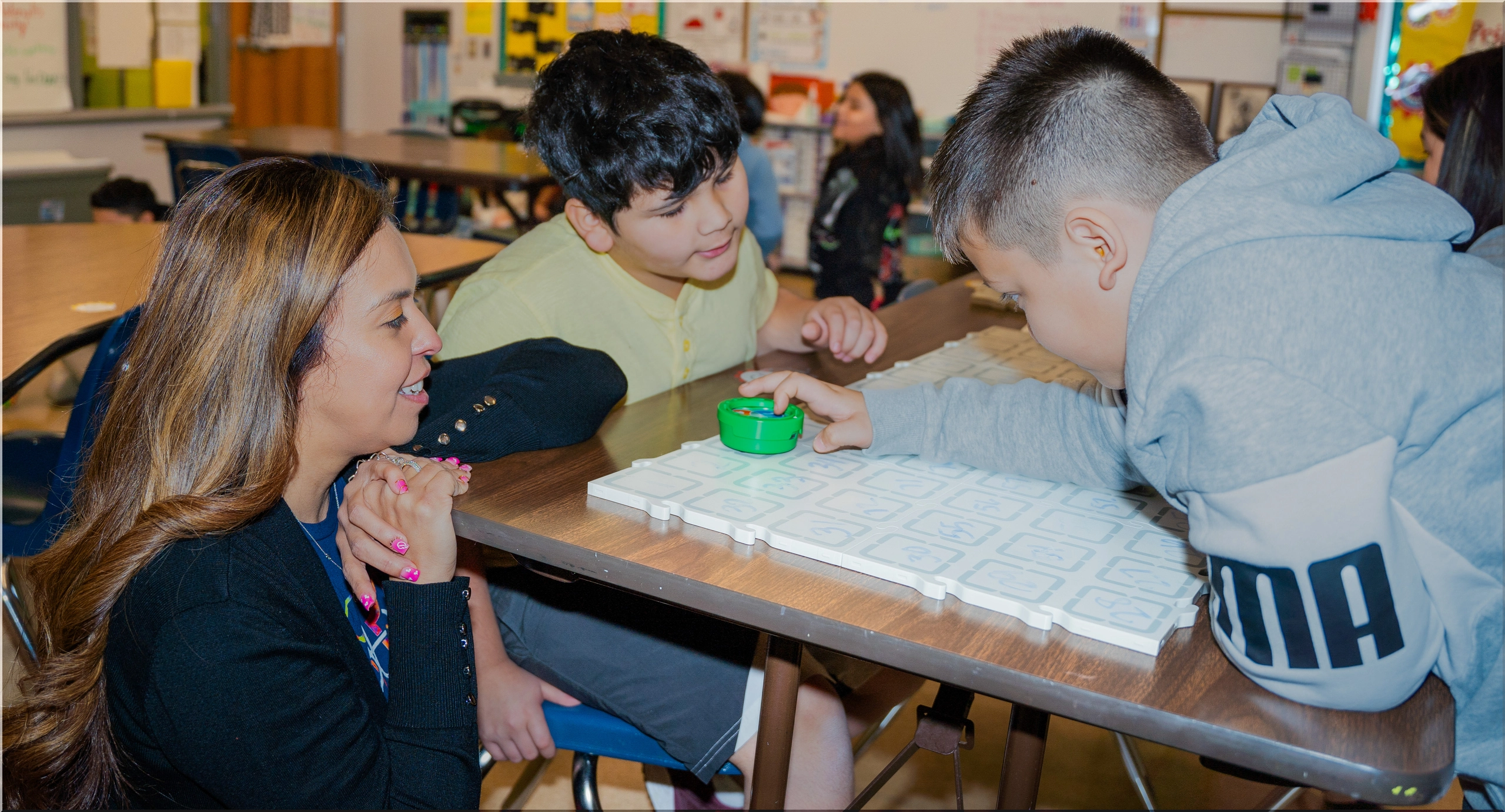
Toyota’s investment in San Antonio proves that education and industry go hand in hand—and that sometimes, the best way to build a strong workforce is to start young. By funding STEM education, teacher development, and essential services, the company is ensuring that its future employees will be well-prepared to keep Toyota at the top of the game. And hey, if this means we get smarter engineers designing better trucks, that’s a win for everyone—especially for those of us who still can’t figure out how to set the clock in our Camrys.
- Add new comment
- 85 views